Pregnant Dog Not Eating: Causes and What to Do
By Dr. Zubair Khalid, DVM, MS, PhD ·
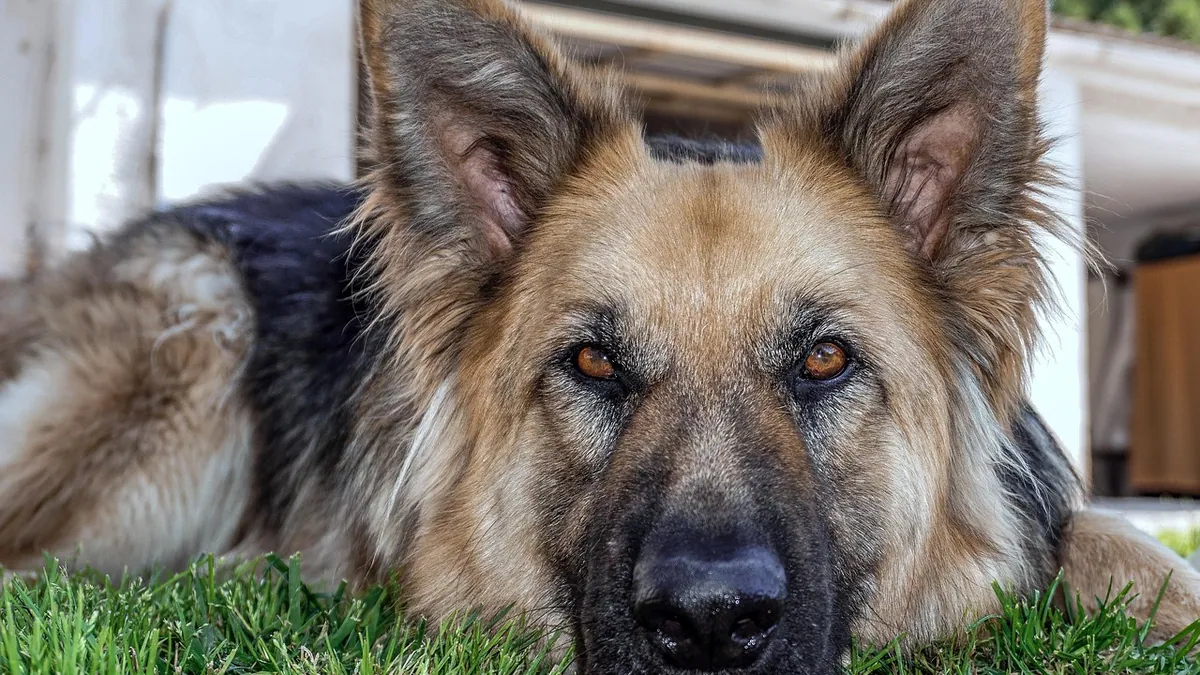
Pregnancy lasts about 63 days in dogs, and appetite often changes along the way [1]. A dog pregnant not eating for a short stretch can be normal, especially in early pregnancy or right before whelping. But refusal that lasts more than a day or two, or comes with vomiting, lethargy, or pain, can signal a problem that needs veterinary care.
This article is educational and is not a substitute for veterinary diagnosis or treatment.
Quick Answer
- Mild appetite loss in the first few weeks, or in the last day or two before labor, is common and often harmless.
- A pregnant dog who skips food for more than 24 to 48 hours, or who also vomits, seems painful, or acts dull, needs a vet visit.
- Never give human medications, pain relievers, or appetite stimulants to a pregnant dog. Some drugs can harm developing puppies [2].
- Offer small, frequent meals of her normal food, and keep fresh water available at all times.
- Call your veterinarian if you are unsure. Early problems in pregnancy are easier to manage when caught quickly.
What It Looks Like and What Is Normal
A pregnant dog who is not eating may turn her nose up at her usual kibble, eat only part of a meal, or skip food entirely for a day. Some dogs eat normally the whole way through. Others go off food for a short time and then bounce back.
Pregnancy in dogs runs about 63 days from conception [1]. In the first two weeks, the fertilized embryos attach to the uterus and development begins [1]. During this early window, some dogs eat less. Hormone shifts and mild nausea are common reasons, though the exact cause is not always clear.
In the last week or two before whelping, the uterus takes up more space. A full belly presses on the stomach, so big meals may feel uncomfortable. Many dogs do better with smaller meals offered more often.
Right before labor, it is normal for a dog to refuse food for up to about 24 hours. She may also pace, pant, nest, or want to be alone. That pre-labor fasting is usually not a concern on its own.
What is not normal: refusing food for more than a day or two, refusing water, vomiting repeatedly, diarrhea, a swollen or painful belly, a fever, or a dog who seems weak or depressed. Those signs point to something more than ordinary pregnancy appetite changes.
Main Causes of a Pregnant Dog Not Eating
There are many reasons a pregnant dog may stop eating. Some are harmless. Others need treatment. The table below groups the most common ones.
| Cause | Typical clues | How urgent |
|---|---|---|
| Normal hormone and appetite shifts | Mild, short-lived, dog otherwise bright and active | Not urgent, monitor |
| Pressure from growing puppies | Happens late in pregnancy, dog eats small amounts | Not urgent, feed smaller meals |
| Pre-labor fasting | Within 24 hours of whelping, nesting, restless | Not urgent, watch for labor |
| Nausea or stomach upset | Vomiting, lip licking, eating grass | Call vet if it lasts more than a day |
| Stress or environment change | New home, new people, travel, disrupted routine | Not urgent, reduce stress |
| Infection or uterine problem | Fever, discharge, pain, dull behavior | Urgent, same day |
| Pregnancy loss or fetal death | No signs of pregnancy, discharge, no fetal movement | Urgent, same day |
| Metabolic or endocrine disease | Weakness, tremors, drinking a lot, weight loss | Emergency |
| Medication or toxin exposure | Known exposure, sudden refusal, other signs | Emergency |
Hormones and Early Pregnancy
In the first weeks, hormone changes can blunt appetite. This is often mild and short. If your dog is otherwise alert, drinking, and comfortable, a day of picky eating is usually not alarming.
Space and Pressure Late in Pregnancy
As puppies grow, the uterus fills much of the abdomen. A dog may feel full after a few bites. Splitting her daily ration into three or four smaller meals can help. This is one of the most common reasons a dog pregnant and not eating in the final week or two.
Stress and Routine Changes
Stress can suppress appetite. Boarding, travel, a new pet, or loud construction near the house can all play a role. Environmental stress is a recognized factor that can affect fetal development and pregnancy outcomes [2]. Keeping her routine calm and predictable helps.
Nausea, Vomiting, and Stomach Upset
Some pregnant dogs get an upset stomach. If vomiting happens once and she is otherwise fine, watch her closely. If she vomits repeatedly, cannot keep water down, or seems painful, call your vet. Dehydration is a real risk, and a pregnant dog has less reserve than a non-pregnant one.
Infection and Uterine Problems
Uterine disease can affect pregnant and postpartum dogs and can harm both the mother and the puppies [3]. Signs include fever, vaginal discharge, a tender belly, and a dog who seems unwell. These need same-day veterinary care.
Pregnancy Loss
Pregnancy can fail at any stage, sometimes before it is even confirmed [2]. If embryonic death happens before day 35, the embryo is usually absorbed with few outward signs [2]. Later loss can cause abortion, discharge, or a dog who simply seems off. If you notice discharge, a change in belly size, or a sudden stop in fetal movement, call your vet.
Metabolic and Endocrine Disease
Several hormonal and metabolic conditions can complicate pregnancy. These include gestational diabetes, pregnancy toxemia, low blood calcium, luteal insufficiency, and hypothyroidism, all of which can harm the mother and the puppies [4]. Luteal insufficiency, also called hypoluteodism, means the corpus luteum does not make enough progesterone to hold the pregnancy [5]. It is an important cause of pregnancy loss that is not due to infection [5]. Some breeds appear more prone, including Shetland Sheepdogs, Miniature American Shepherds, and Pomeranians in one review [5]. Treatment exists, but it must be guided by a veterinarian with blood testing.
Medications and Toxins
Some drugs and medications can harm a developing puppy [2]. Never give your pregnant dog any medication, supplement, or herbal product without asking your vet first. If you suspect she ate something toxic, call your veterinarian or a pet poison hotline right away.
Red Flags That Make It an Emergency
Call an emergency veterinary hospital now if your pregnant dog:
- Refuses food and water for more than 24 hours
- Vomits repeatedly or cannot keep water down
- Has a fever, shaking, or feels cold to the touch
- Has a swollen, hard, or painful belly
- Has vaginal discharge that is bloody, green, black, or foul-smelling
- Strains for more than 20 to 30 minutes without producing a puppy
- Goes more than two to four hours between puppies during labor
- Seems weak, disoriented, or collapses
- Has tremors, muscle twitching, or seizures
- Was exposed to a medication or toxin
Complications during birth affect roughly 5 to 37 percent of all canine whelpings, so problems are not rare [4]. Getting help early protects both the mother and the puppies.
Safe Things You Can Do at Home
While you wait for a vet visit or monitor a mild case, you can try a few simple steps.
Offer small, frequent meals. Instead of one or two big meals, offer four small ones. A full stomach is more comfortable when it is not stretched.
Warm the food slightly. A little warmth can make food smell more appealing. Do not make it hot.
Try her normal diet first. Sudden food changes can cause stomach upset. If she has been on a good diet, stick with it unless your vet advises otherwise.
Add a little water or low-sodium broth. Moistening dry food can help a dog who is not drinking enough. Skip anything with onion or garlic, which are toxic to dogs.
Keep water available at all times. Dehydration is more dangerous than a missed meal. Offer fresh water in a clean bowl.
Reduce stress. Keep her area quiet, warm, and away from loud noise or busy foot traffic.
Track what you see. Write down when she last ate, how much, whether she drank, and any vomiting, diarrhea, or discharge. This helps your vet.
Do not force-feed. Forcing food can cause choking or aspiration. If she will not eat, that is information your vet needs.
If your dog is not eating and you want more general guidance, see Why Is My Dog Not Eating? and Dog Not Eating: When to Worry and What to Do. If diarrhea is part of the picture, read Dog Diarrhea and Not Eating: Causes and When to Act.
What the Veterinarian Will Check and Test
Your vet will start with a full history and physical exam. They will check her temperature, hydration, heart rate, and belly. They will ask when she last ate, when she was bred, and whether she has had any discharge or contractions.
Testing may include:
- Blood work. A complete blood count and chemistry panel can show infection, dehydration, organ problems, or low blood sugar.
- Progesterone testing. Low or falling progesterone can point to luteal insufficiency [5]. This is measured with serial blood samples.
- Blood glucose and electrolytes. These help rule out gestational diabetes, pregnancy toxemia, and low blood calcium [4].
- Ultrasound. This can confirm pregnancy, count puppies, check heartbeats, and look for fetal death or uterine problems.
- X-ray. Late in pregnancy, an X-ray can show how many puppies to expect and whether any are positioned abnormally.
- Thyroid testing. Hypothyroidism is one endocrine disorder that can affect pregnancy [4].
Treatment depends on the cause. Options may include fluids, anti-nausea medication, antibiotics, hormone therapy, or, in some cases, emergency surgery. Your vet will calculate any medication dose based on your dog's weight and health.
Prevention and Monitoring
Good monitoring starts before breeding. A dog at a healthy weight tends to have an easier pregnancy. One small study found that overweight dogs had a possible higher rate of early pregnancy loss and slower labor before the first puppy, though the difference was not statistically significant [6]. Keeping your dog lean before pregnancy is a reasonable goal.
Once she is pregnant, schedule a veterinary visit early. Your vet can confirm the pregnancy, set a due date, and plan checkups. Serial progesterone monitoring may be recommended for breeds prone to luteal insufficiency [5].
Feed a balanced diet formulated for pregnancy and lactation, or follow your vet's feeding plan. Most pregnant dogs do well on their regular food until the last third of pregnancy, when needs increase. Ask your vet about the right amount for your dog.
Watch for these changes and report them:
- A drop in appetite that lasts more than a day
- Any vomiting, diarrhea, or discharge
- A change in belly size or fetal movement
- Restlessness, nesting, or contractions before the due date
- A temperature drop, which can signal labor is near
Keep her away from medications, toxins, and sick dogs. Some infections can cause pregnancy loss [2]. Ask your vet which vaccines and parasite preventives are safe during pregnancy.
Limitations and When to Contact a Veterinarian
This article cannot tell you what is wrong with your individual dog. Only a veterinarian who examines her can do that. Use the timing below as a guide.
Emergency now: Repeated vomiting, collapse, seizures, heavy bleeding, green or black discharge, fever, severe pain, or straining in labor with no puppy delivered. Go to an emergency hospital.
Same day: Refusing food and water for more than 24 hours, one or two episodes of vomiting with lethargy, a single episode of discharge, or a dog who seems painful or depressed.
Routine visit: Mild, short appetite loss in a dog who is otherwise bright, or a planned pregnancy checkup.
If you are ever unsure, call your vet. It is always better to ask than to wait.
Frequently Asked Questions
How long can a pregnant dog go without eating?
A healthy pregnant dog should not go more than about 24 hours without eating. A short fast right before labor is the main exception. If she refuses food for a full day or more, call your veterinarian.
Is it normal for a pregnant dog to not want to eat in early pregnancy?
Yes, mild appetite loss in the first couple of weeks can be normal. Hormone changes and mild nausea are common. If she is drinking, alert, and comfortable, monitor her closely and offer small meals.
Why is my dog pregnant and not eating her food?
Common reasons include hormone shifts, pressure from growing puppies, stress, nausea, or an underlying illness. Late in pregnancy, a full belly makes large meals uncomfortable. If refusal lasts more than a day, have her checked.
My dog just gave birth and is not eating. Should I worry?
A dog after giving birth not eating for the first 12 to 24 hours can be normal, especially if she is tired and focused on her puppies. After that, refusal can signal metritis, mastitis, low calcium, or another problem. Call your vet if it continues or she seems unwell.
Can I give my pregnant dog anything to make her eat?
No. Do not give appetite stimulants, human medications, or supplements without veterinary guidance. Some drugs can harm developing puppies [2]. Your vet can recommend a safe option after examining her.
Related Articles
- Why Is My Dog Not Eating?
- Dog Not Eating: When to Worry and What to Do
- Dog Diarrhea and Not Eating: Causes and When to Act
- My Dog Won't Eat: When to Worry
- Dog Not Pooping but Eating Normally: Causes and Solutions
- dog pregnancy symptoms
- Pregnant Dog Diarrhea: Causes and Safe Treatment
- Pregnant Dog Vomiting: Normal or a Warning Sign?
- Pregnant Dog Discharge: What's Normal and What's Not
References
- Canine Prenatal Development. Pet Poison Helpline.
- "My Bitch Is Empty!" An Overview of the Reasons for Pregnancy Loss in Dogs. Veterinary sciences, 2025.
- Uterine Dysfunctions in Non-Pregnant and Pregnant Small Animals. Reproduction in domestic animals = Zuchthygiene, 2026.
- When physiology fails: Endocrine and clinical perspectives on complicated pregnancy and parturition outcomes in dogs. The Journal of reproduction and development, 2026.
- Mid-gestational luteal insufficiency in predisposed dog breeds: Retrospective evaluation of medroxyprogesterone acetate therapy and timed-withdrawal. Veterinary world, 2026.
- The impact of an overweight body condition on pregnancy, parturition, and physical activity in the bitch. Reproduction & fertility, 2026.