How to Help a Constipated Puppy Naturally and Quickly
By Dr. Zubair Khalid, DVM, MS, PhD ·
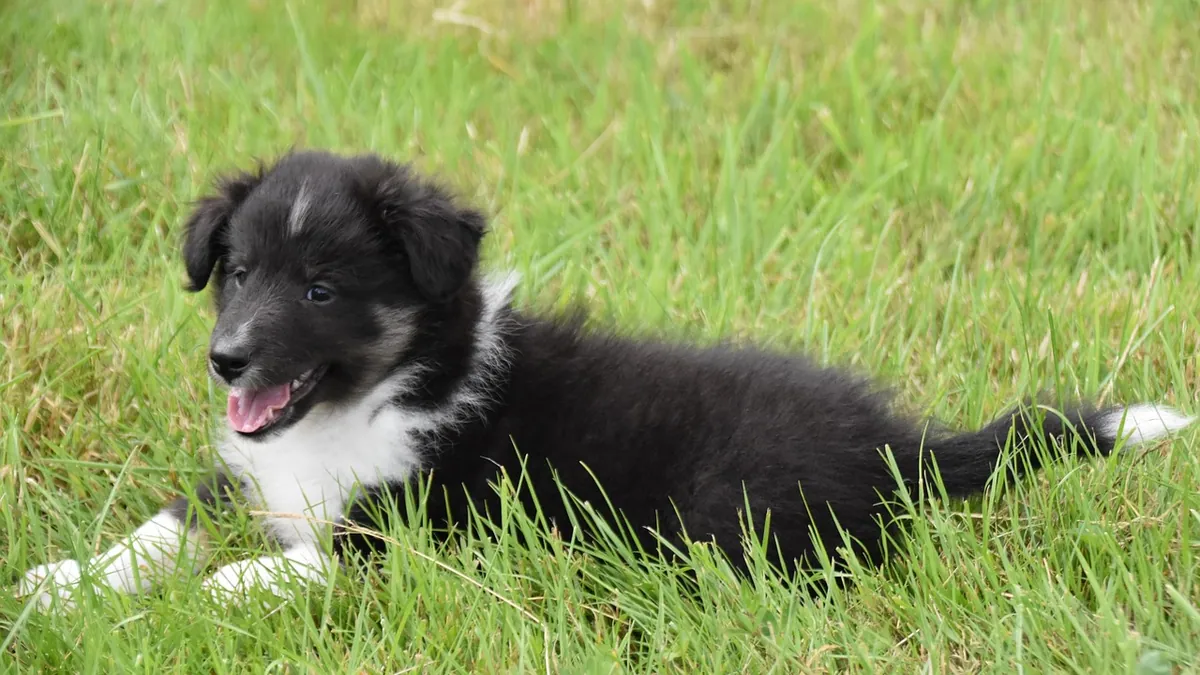
Constipation in puppies means hard, dry stool that is difficult or painful to pass, or no stool for longer than normal. You can often help a constipated puppy naturally at home by increasing water intake, adding gentle fiber, and encouraging movement, but some cases need a veterinarian quickly. This article is educational and is not a substitute for veterinary diagnosis or treatment.
Quick Answer
- Check the timeline first. A puppy that has not pooped in 24 to 48 hours, or is straining with nothing coming out, needs a vet call the same day.
- Offer fresh water and moisture-rich food. Dry kibble alone can worsen hard stool in a dehydrated puppy.
- Add a small amount of plain canned pumpkin or a vet-recommended fiber source. Fiber helps stool consistency when dosed correctly [1].
- Gentle activity, like a short walk or play session, can stimulate normal bowel movement.
- Never give human laxatives, enemas, or stool softeners without veterinary guidance. Puppies can become dangerously dehydrated or injured.
What Puppy Constipation Looks Like and What Is Normal
Normal puppy stool is soft but formed, easy to pick up, and passed without effort. Puppies typically poop several times a day, though the exact number depends on age, diet, and how many meals they eat. Very young puppies may poop after every feeding.
Constipation looks different. You may see your puppy squat and strain with little or nothing coming out. The stool that does come may be small, hard, dry, or pellet-like. Some puppies cry or whine while trying to go. Others lose interest in food, act uncomfortable, or scoot or lick at their rear end.
A single missed bowel movement is not automatically a problem. A pattern of straining, hard stool, or skipped stools over a day or more is the signal to act. If your puppy is also vomiting, bloated, or very lethargic, treat it as urgent.
Main Causes of Constipation in Puppies
Many cases have simple explanations. Diet, hydration, and routine changes top the list. Fiber intake matters because dietary fiber can manage constipation and other gastrointestinal concerns in dogs when used appropriately [1].
| Cause | Typical clues | How urgent |
|---|---|---|
| Low fiber or poor diet | Hard, dry stool, straining, recent diet change | Routine visit if it lasts more than a day or two |
| Dehydration | Dry gums, low energy, hard stool, not drinking well | Same-day call |
| Eating non-food items (bones, hair, toys, mulch) | Straining, vomiting, belly pain, small or no stool | Emergency now |
| Parasites or gut infection | Diarrhea alternating with constipation, weight loss, poor appetite | Same-day to routine visit |
| Medication side effects | Constipation started after a new drug | Call the prescribing vet |
| Pain or orthopedic problem | Reluctance to squat, crying when posturing | Routine visit |
| Anatomical or nerve problems | Chronic straining from a young age, poor growth | Veterinary workup needed |
Some puppies develop constipation after a bout of diarrhea or a hospital stay. In one reported case, a dog developed a colonic stricture weeks after a rectal catheter was used during treatment for severe diarrhea, which caused obstipation and vomiting [2]. This is uncommon, but it shows that gut problems can have lasting effects that need veterinary follow-up.
Red Flags That Make It an Emergency
Call an emergency veterinary hospital right away if you see any of these:
- No stool for more than 48 hours, especially with straining
- Vomiting, especially repeated vomiting
- A hard, swollen, painful belly
- Crying or screaming when trying to poop
- Blood in the stool or black, tarry stool
- Collapse, weakness, or unresponsiveness
- Suspected swallowed object, bone, or toy
- Straining to urinate as well as to poop
These signs can point to a blockage, severe dehydration, or another condition that home care cannot fix. Waiting can make a puppy much sicker.
How to Help a Constipated Puppy Naturally at Home
Home care works best for mild, short-term constipation in a puppy that is otherwise bright, eating, and drinking. If your puppy is unwell in any other way, skip home remedies and call your vet.
1. Push fluids
Dehydration is one of the most common reasons stool gets hard. Offer fresh water often. You can also add a little warm water or low-sodium broth to kibble to increase moisture intake. If your puppy refuses water or seems dehydrated (tacky gums, skin that stays tented when gently pinched), call your vet instead of waiting.
2. Add gentle fiber
Fiber can improve stool form and frequency in dogs with gastrointestinal problems [1]. A common home option is plain canned pumpkin (not pumpkin pie filling), about a teaspoon for small puppies and up to a tablespoon for larger ones, mixed into food. Plain cooked green beans or a small amount of psyllium can also work, but ask your vet for the right amount for your puppy's size.
Fiber is not one-size-fits-all. A psyllium-enriched diet improved constipation management in a controlled trial in cats, which supports the general principle that soluble fiber can help [3]. In dogs, increasing dietary fiber improved fecal scores in dogs with chronic enteropathy [4]. Your vet can guide the type and amount for your puppy.
3. Encourage movement
A short, gentle walk or a play session can stimulate the colon and help stool move. Avoid intense exercise right after a big meal. For very young puppies not yet fully vaccinated, stick to safe areas like your own yard.
4. Check the diet
If your puppy is on a low-fiber kibble, a diet change may help. Look for a puppy formula with added fiber, or ask your vet about a gastrointestinal diet. Do not switch foods abruptly, since sudden changes can cause diarrhea. If your puppy has diarrhea instead, see How To Help Puppy With Diarrhea At Home.
5. Try a warm compress
A warm, damp cloth held gently against the belly or rear can relax muscles and ease discomfort. Keep it brief and stop if your puppy seems painful.
6. Avoid dangerous home remedies
Do not give human laxatives, mineral oil, or enemas. These can cause serious harm in puppies. Do not use a rectal thermometer or suppository unless your vet tells you to. Never force anything into the rectum.
If your puppy is still straining after a day of gentle home care, or if the stool is still hard, call your vet. You can also read How To Help My Dog Poop At Home for more general strategies.
What the Veterinarian Will Check and Test
Your vet will start with a full history. They will ask about diet, water intake, stool frequency, recent changes, medications, and whether your puppy might have eaten something unusual.
The physical exam focuses on hydration, belly palpation, and a rectal exam to check for stool, masses, or strictures. Your vet may also check your puppy's rear end for pain, swelling, or matted hair.
Common tests include:
- Fecal exam to check for parasites
- Blood work to check hydration, electrolytes, and organ function
- X-rays or ultrasound to look for obstruction or abnormal anatomy
- Contrast studies in some cases to evaluate colon function
Treatment depends on the cause. Mild cases may need only hydration and a diet change. More serious cases may need fluids, prescription medication, or manual removal of impacted stool under sedation. Your vet will calculate any medication dose based on your puppy's weight and health.
Preventing Constipation From Coming Back
Prevention is mostly about routine and diet.
- Keep water available at all times and refresh it often.
- Feed a consistent, balanced puppy diet with appropriate fiber. Your vet can recommend a target fiber level.
- Introduce any diet change slowly over 7 to 10 days.
- Keep meal and walk times regular. Puppies do best with routine.
- Watch for early signs like hard stool or straining, and act before it becomes a bigger problem.
- Schedule routine vet visits and fecal checks, especially for puppies.
If your puppy has repeated constipation, your vet may recommend a long-term fiber plan. Dietary fiber is a mainstay for managing constipation in dogs and cats [1]. In some chronic cases, other treatments like sacral nerve stimulation have been studied in dogs, but this is not a routine home option [5].
Monitor your puppy's stool daily. A simple log of stool frequency, consistency, and any straining can help your vet spot patterns. If your puppy has chronic gut issues, see Dog Constipation: What Should You Do? for more guidance.
Limitations and When to Contact a Veterinarian
Home care has limits. It cannot fix a blockage, a stricture, severe dehydration, or an underlying disease. If your puppy is not improving within 24 hours, or is getting worse, stop home remedies and call your vet.
Contact your veterinarian the same day if:
- Your puppy has not pooped in 24 to 48 hours
- Straining continues after one day of home care
- Stool is still hard and dry despite added moisture and fiber
- Your puppy is eating less or acting uncomfortable
Go to an emergency clinic now if:
- Your puppy is vomiting, bloated, or in obvious pain
- There is blood in the stool or no stool at all with severe straining
- Your puppy is weak, collapsed, or unresponsive
- You suspect your puppy ate a bone, toy, or other object
Schedule a routine visit if:
- Constipation keeps coming back
- Your puppy is growing slowly or losing weight
- You need help choosing a diet or fiber plan
Every puppy is different. A veterinarian who examines your puppy can give advice that fits your pet's age, size, and health history.
Frequently Asked Questions
Can I give my puppy pumpkin for constipation?
Yes, plain canned pumpkin is a common home remedy for mild constipation in puppies. Use a small amount mixed into food, and make sure it is plain pumpkin, not pumpkin pie filling. If your puppy does not improve within a day, call your vet.
How long can a puppy go without pooping?
A puppy that has not pooped for 24 to 48 hours should be seen by a veterinarian. Younger puppies usually poop more often than adults, so a full day without stool is a warning sign. If your puppy is also straining or vomiting, treat it as urgent.
Is it safe to use a human laxative on my puppy?
No, do not give human laxatives, stool softeners, or enemas to a puppy without veterinary guidance. These products can cause dehydration, electrolyte problems, or injury. Your vet can recommend a safe option and calculate the correct dose for your puppy's weight.
What foods help a constipated puppy poop?
Foods with added fiber, like plain pumpkin, cooked green beans, or a vet-recommended gastrointestinal diet, can help. Moisture-rich food and plenty of water also soften stool. Ask your vet before making big diet changes, since puppies have specific nutritional needs.
When should I worry about my puppy's constipation?
Worry if constipation lasts more than a day, if your puppy is straining with no result, or if you see vomiting, belly pain, blood, or weakness. These signs can mean a blockage or other serious problem. Call your vet or an emergency clinic right away.
Related Articles
- How To Help Puppy With Diarrhea At Home
- How To Help My Dog Poop At Home
- How To Help Dog Poop At Home
- Dog Constipation: What Should You Do?
- How To Treat Dog Diarrhea At Home Naturally
- How To Treat Dog Diarrhea Naturally At Home
- Puppy Only Pooping Once a Day? Normal or Constipated?
- What Can I Give My Dog for Constipation Besides Pumpkin?
- Puppy Has Not Pooped in 12 or 24 Hours: What to Do
References
- Therapeutic Applications of Dietary Fiber: Managing Fiber-responsive Gastrointestinal Conditions in Dogs and Cats. The Veterinary clinics of North America. Small animal practice, 2026.
- Colonic Stricture Formation in a Dog Treated for Acute Hemorrhagic Diarrhea Syndrome With a Rectal Foley Catheter. Journal of veterinary emergency and critical care (San Antonio, Tex. : 2001), 2025.
- A psyllium-supplemented gastrointestinal diet is effective for the management of chronic constipation in cats: a 6-month controlled clinical trial. Journal of feline medicine and surgery, 2026.
- Increased dietary fiber intake improves fecal and clinical activity scores in dogs with chronic enteropathy. Journal of the American Veterinary Medical Association, 2026.
- Effects of Unilateral and Bilateral Sacral Nerve Stimulation on Defecation and Microbiota in Constipated Dogs. Neuromodulation : journal of the International Neuromodulation Society, 2025.