How to Help a Puppy or Dog Pass Gas
By Dr. Zubair Khalid, DVM, MS, PhD ·
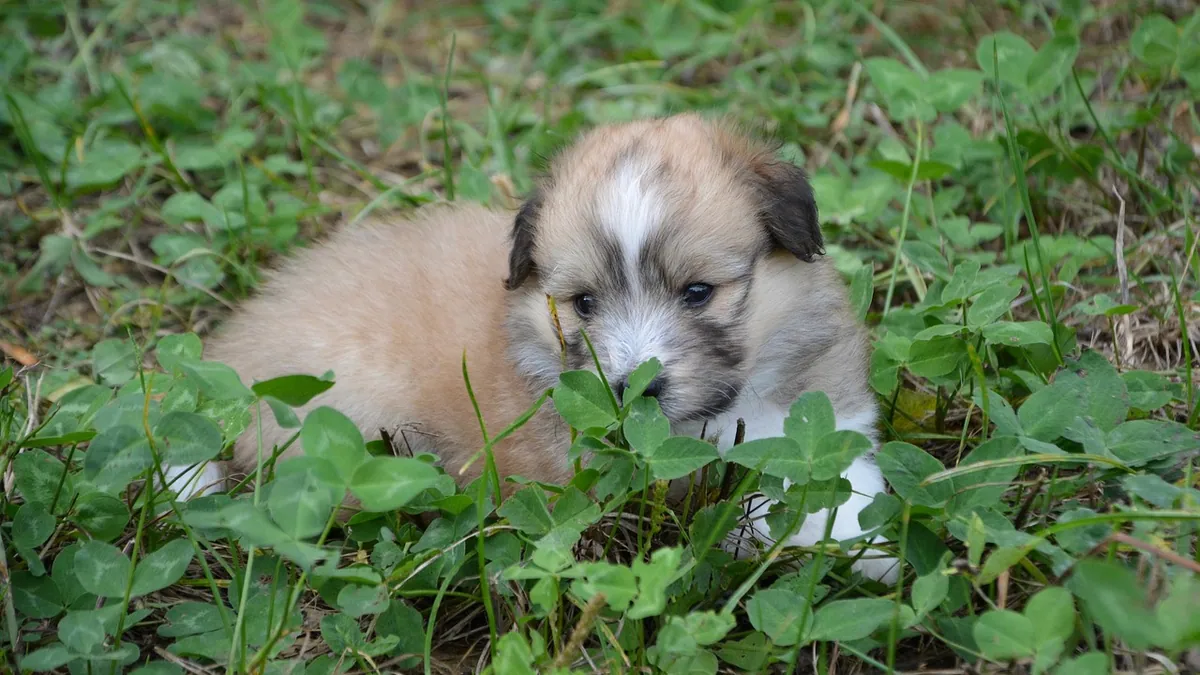
Gas happens in every dog. If your dog is passing gas more often than usual, or the smell has changed, the fix usually starts with food, feeding speed, and a check for digestive upset. This article explains how to help a dog pass gas, what normal looks like, and when the problem needs a veterinarian.
This article is educational and is not a substitute for veterinary diagnosis or treatment.
Quick Answer
- Most excess gas comes from swallowed air or from food fermenting in the colon, so slow feeding and a diet review are the first steps.
- A dog that is bright, eating, and passing normal stools with some gas is usually not an emergency.
- Sudden, severe gas with a hard or swollen belly, retching, or unproductive vomiting is an emergency, go to a vet now.
- Prebiotic and postbiotic supplements reduced flatulence and other mild digestive signs in healthy dogs over a 28-day period [1].
- Never give human anti-gas or pain medications to a dog unless your veterinarian prescribes them and calculates the dose for your pet's weight.
What Gas in Dogs Looks Like and What Is Normal
Passing gas is a normal part of digestion. Dogs swallow air when they eat, drink, pant, or chew, and the gut produces gas as bacteria ferment food. Some of that gas leaves through the mouth as a burp, and some leaves through the other end.
Eructation, the medical term for burping, is a coordinated event. In dogs, gastric distension triggers relaxation of the lower esophageal sphincter and the diaphragmatic hiatus, along with contractions that push gas up and out of the stomach [2]. That is why a normal dog can burp easily after a meal. When gas does not move well, it builds up lower in the tract and comes out as flatulence.
Normal gas is occasional, often odorless or mildly smelly, and not tied to any other sign. Your dog should still have a normal appetite, normal energy, and a normal stool. In a survey of apparently healthy dogs with no history of skin or digestive disease, 94.9% had a fecal consistency score of 2 to 3 on a 1 to 5 scale, which is the soft-formed range most vets consider normal [3]. If your dog's stool is in that range and the only complaint is gas, you are likely dealing with a diet or eating-speed issue.
Why Is My Dog So Gassy? The Main Causes
Gas has many causes, and the clues usually point to the right one. Use this table as a starting point, then read the sections below.
| Cause | Typical clues | How urgent |
|---|---|---|
| Swallowed air (fast eating, gulping water, brachycephalic breeds) | Gas soon after meals, burping, noisy eating, gulping | Not urgent, try slow feeding |
| Diet change or high-fermentable food | Gas started days after a new food, soft stool, no other signs | Not urgent, review the diet |
| Food intolerance or sensitivity | Gas plus itching, ear problems, loose stool, or vomiting | Routine visit |
| Sudden dietary indiscretion (garbage, table scraps, fatty food) | Gas, diarrhea, vomiting, belly discomfort | Same day if vomiting repeats |
| Gut flora imbalance (mild dysbiosis) | Soft stools, more stool volume, flatulence | Routine visit, often diet or supplement responsive |
| Intestinal parasites | Gas, diarrhea, weight loss, sometimes visible worms | Routine visit with a stool sample |
| Serious GI disease or obstruction | Severe gas, painful or distended belly, vomiting, lethargy, no stool | Emergency now |
Swallowed Air
Fast eaters, dogs that gulp water, and flat-faced breeds swallow more air than others. That air has to go somewhere. Burping handles part of it, and the rest moves down the tract. If your dog inhales a meal in under a minute, that alone can explain a lot of gas.
Diet and Fermentation
Foods high in fermentable fiber or certain carbohydrates feed gut bacteria that produce gas. A sudden switch to a new diet can also cause a temporary bloom of gas while the gut adjusts. If gas started within a week of a food change, that timing is a strong clue.
Food Intolerance and Gut Flora Changes
Some dogs react to specific proteins or ingredients with gas plus other signs. In a study of 314 apparently healthy dogs, owners reported digestive and skin signs together, and diet and supplements were among the factors evaluated for their effect on those signs [3]. This supports what vets see in practice, food and gut health are linked, and gas is often one part of a bigger picture.
Mild gut flora imbalance is another common driver. A study of healthy dogs and cats with mild digestive signs such as soft stools, increased stool quantity, and flatulence found that a supplement combining prebiotics (baobab fruit pulp and acacia gum) and postbiotics (inactivated L. helveticus and selected yeast fractions) improved those signs over 28 days and shifted the fecal microbiota [1]. This does not mean every gassy dog needs a supplement, but it does mean diet and gut bacteria are reasonable places to focus.
When Gas Is a Sign of Real Disease
Gas can also be a symptom of something serious. A dog with a congenital peritoneopericardial diaphragmatic hernia presented with a week of diarrhea and three days of lethargy and vomiting, and bowel sounds were heard when the chest was listened to [4]. That is an extreme example, but it shows how digestive signs can accompany structural disease.
Gas inside the body can also signal danger. In one cat, gas accumulated in the intestinal lumen and in the liver, spleen, and portal venous system, and the cat did not survive. A gastric ulcer under high gas pressure was suspected as the entry point for that gas [5]. This is a different species and a rare event, but the principle matters for dogs too. Gas that is trapped, painful, or accompanied by a swollen abdomen is not a simple flatulence problem.
If your dog has gas along with bad breath, that combination can point to dental or digestive issues worth checking. See Why Does My Dog Have Bad Breath And Gas. If the main problem is stool, How To Help My Dog Poop At Home covers practical steps.
Red Flags That Make It an Emergency
Go to an emergency clinic now if you see any of these:
- A hard, swollen, or painful abdomen
- Retching or trying to vomit with nothing coming up
- Repeated vomiting or vomiting with a distended belly
- Collapse, weakness, pale gums, or heavy panting with belly pain
- No stool for more than a day combined with vomiting and gas
- Sudden severe lethargy in a puppy, especially with diarrhea
These signs can indicate bloat, a twisted stomach, an obstruction, or another condition where minutes matter. Do not wait to see if it passes.
How to Help a Dog Release Gas at Home
These steps are safe for a bright, comfortable dog with normal stools. If your dog is painful, vomiting, or lethargic, skip these and call your vet.
Slow Down Meals
Use a slow-feeder bowl, a muffin tin, or scatter kibble on a snuffle mat. Smaller, more frequent meals also reduce how much air gets swallowed at once. If you have a multi-dog home, feed dogs separately so nobody gulps out of competition.
Review the Diet and Treats
Look at everything your dog eats, including treats, chews, table scraps, and supplements. A single new chew can cause gas. If you recently changed foods, consider whether the timing lines up. Keep a simple log for a week, note meals, treats, and gas episodes, and bring it to your vet.
Try a Gentle Transition
If you plan to change food, do it slowly over several days, mixing increasing amounts of the new food into the old. A fast switch can worsen gas and stool quality.
Consider a Gut Support Supplement
Prebiotic and postbiotic products are available for dogs, and one combination was shown to reduce flatulence and other mild digestive signs in healthy dogs over 28 days [1]. Ask your veterinarian which product fits your dog, since ingredients and quality vary.
Gentle Activity and Belly Rubs
A short, calm walk can help move gas through the tract. A light belly massage in the direction of the colon may help some dogs pass gas. Stop if your dog tenses, whines, or guards the belly, that is a sign of pain, not gas.
What Not to Do
Do not give human simethicone, antacids, or pain relievers unless your veterinarian prescribes them and calculates the dose from your pet's weight and health. Do not withhold water. Do not force your dog to eat or drink.
How to Help a Puppy Relieve Gas
Puppies get gas for the same reasons adult dogs do, plus a few of their own.
- Puppies eat fast and swallow air. Use a small slow-feeder and split meals into three or four small portions.
- Puppies explore with their mouths. They pick up garbage, plants, and toys, and that can cause gas plus diarrhea. If your puppy has loose stool with gas, see How To Help Puppy With Diarrhea At Home.
- Puppies have immature gut flora. Their digestion is still settling, so gas can be more noticeable in the first months.
- Puppies decompensate fast. A gassy puppy that is quiet, not eating, or vomiting needs to be seen the same day.
If your puppy is bright, playful, eating well, and passing normal stools, home steps are reasonable. If any of that changes, call your vet.
What Your Veterinarian Will Check and Test
Your vet starts with a full history. They will ask about diet, treats, feeding speed, stool quality, vomiting, weight change, and how long the gas has been going on. A food and symptom log helps a lot here.
The physical exam focuses on the abdomen, hydration, gum color, and body condition. Your vet will listen for bowel sounds and check for pain or a mass.
Common tests include:
- Fecal exam to look for parasites and other causes of loose stool
- Blood work to check organ function and look for inflammation
- X-rays or ultrasound if the belly is painful, distended, or if obstruction is a concern
- A diet trial with a limited-ingredient or hydrolyzed diet if food intolerance is suspected
- A stool consistency score recorded over time, since owners and vets can track changes objectively [3]
If your dog has gas plus itching, ear infections, or skin problems, your vet may consider a diet-related cause, since digestive and skin signs often appear together in dogs [3]. If gas is severe and your dog has a painful or bloated belly, imaging is urgent, because gas trapped in the wrong place can be a serious problem [5].
Prevention and Monitoring
Prevention is mostly about consistency.
- Keep meals on a schedule and portions measured.
- Feed the same diet and limit table food.
- Use slow feeders for gulpers.
- Transition any food change over several days.
- Keep treats consistent and note any new ones.
- Track stool quality and gas frequency in a simple notebook or app.
- Keep up with parasite prevention and dental care.
- Ask your vet before starting any supplement.
If gas returns every time you reintroduce a certain food or treat, that is useful information. Bring it to your vet, because it may point to a specific intolerance.
Limitations and When to Contact a Veterinarian
Gas alone is rarely an emergency. Gas with other signs can be. Call your veterinarian the same day if your dog has gas plus vomiting, diarrhea lasting more than a day, decreased appetite, weight loss, or a change in energy. Go to an emergency clinic now if your dog has a hard or swollen belly, retching without producing vomit, collapse, pale gums, or severe pain when you touch the abdomen.
Book a routine visit if gas has been ongoing for more than a week, if it started after a diet change and did not improve, or if you notice itching, ear problems, or recurring loose stool along with the gas. Puppies with any of these signs should be seen sooner instead of later.
Every dog is different. Your veterinarian needs to examine your dog and may need to run tests to know what is causing the gas and how to treat it.
Frequently Asked Questions
Can I give my dog human gas medicine?
No, not without veterinary guidance. Some human products contain ingredients that are unsafe or dosed for people, not dogs. Your veterinarian can tell you whether a specific product is appropriate and will calculate the dose from your pet's weight and health.
How long does it take for a diet change to reduce gas?
It varies by dog and by the reason for the gas. In one study, a prebiotic and postbiotic supplement was tested over a 28-day period and improved mild digestive signs including flatulence [1]. A food transition itself should be spread over several days to avoid making gas worse.
Is it normal for a puppy to have a lot of gas?
Yes, some gas is normal in puppies. Their eating habits and developing gut flora make gas common. Call your vet if the gas comes with vomiting, diarrhea, poor appetite, or low energy, because puppies can get sick quickly.
Does walking my dog help with gas?
A gentle walk can help move gas through the digestive tract, and light activity after meals is generally safe for a healthy dog. Avoid intense exercise right after a large meal. If your dog seems painful or bloated, do not walk, call your vet instead.
When should I worry about my dog's gas?
Worry when gas comes with other signs. A swollen or painful belly, retching, repeated vomiting, lethargy, or no stool are reasons to seek care right away. Gas that lasts more than a week, or that keeps returning after diet changes, deserves a routine veterinary visit.
Related Articles
- Why Does My Dog Have Bad Gas?
- Why Does My Dog Have Bad Breath And Gas
- How To Help My Dog Poop At Home
- How To Help Puppy With Diarrhea At Home
- How To Help Dog Poop At Home
- How To Help Dog With Kennel Cough
- What Can I Give My Dog for Gas? Safe Relief Options
- What Can I Give My Dog for Bloating and Gas?
- Dog Gas: Causes and How to Reduce It at Home
References
- Beneficial effects of a prebiotic-postbiotic supplement on digestive health and fecal microbiota in dogs and cats. Frontiers in veterinary science, 2026.
- Digestive and respiratory tract motor responses associated with eructation. American journal of physiology. Gastrointestinal and liver physiology, 2013.
- Owner assessment of pruritus and gastrointestinal signs in apparently healthy dogs with no history of cutaneous or noncutaneous disease. Veterinary dermatology, 2015.
- A ventral diaphragmatic advancement technique to repair a large congenital peritoneopericardial diaphragmatic hernia in a dog. Journal of the American Veterinary Medical Association, 2024.
- Pathological features of hepatic portal venous gas in a cat. The Journal of veterinary medical science, 2022.