How to Help a Kitten Poop: Constipation Relief
By Dr. Zubair Khalid, DVM, MS, PhD ·
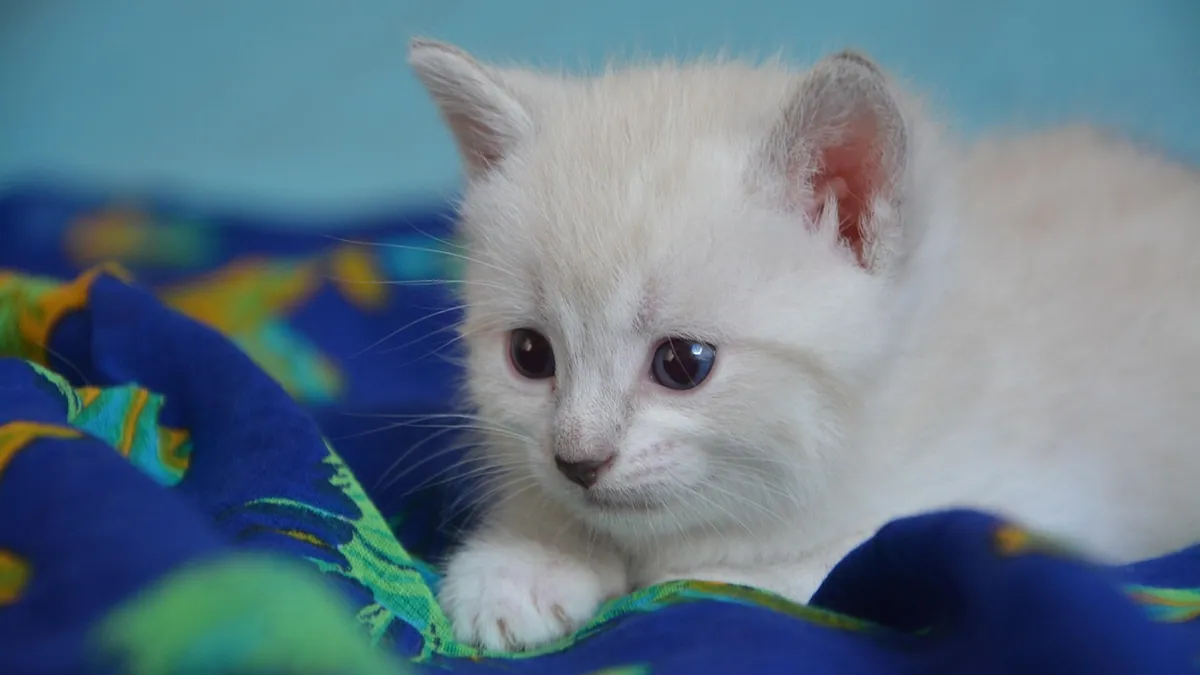
Newborn kittens cannot poop on their own. They need their mother, or you, to stimulate the area. If you are wondering how to help a kitten poop, the answer depends on the kitten's age, diet, and how long it has been since the last bowel movement.
This article is educational and is not a substitute for veterinary diagnosis or treatment.
Quick Answer
- Kittens under 3 to 4 weeks old need gentle stimulation with a warm, damp cotton ball or cloth after each feeding to trigger a bowel movement.
- A kitten that has not pooped in 24 hours (newborn) or 48 hours (older kitten) needs veterinary attention.
- Never give human laxatives, enemas, or suppositories to a kitten unless a veterinarian directs you.
- Warm water, a gentle belly massage, and a proper diet are the safest first steps at home.
- Straining, crying, a hard belly, vomiting, or lethargy are emergency signs.
What Is Normal and What Constipation Looks Like
Kitten poop changes a lot in the first weeks of life. Knowing what is normal helps you spot a problem early.
Newborns (0 to 3 weeks)
Newborn kittens are born blind and deaf, and they depend completely on their mother for feeding and elimination. The mother licks the kitten's belly and bottom to stimulate urination and defecation. If the mother is absent or rejects the kitten, you must do this yourself.
Normal newborn stool is soft, yellowish, and paste-like, especially in kittens drinking mother's milk or formula. A healthy newborn should poop at least once a day, often after each feeding.
Kittens 3 to 4 weeks old
Around this age, kittens start learning to go on their own. You may see them squat and eliminate in the litter box. Stool should be soft but formed. If the kitten is transitioning to solid food, stool color and texture will change.
Kittens 4 weeks and older
By 4 weeks, most kittens use a litter box without help. Normal stool is brown, formed, and easy to pick up. Constipation looks like small, hard, dry pellets, or no stool at all. The kitten may squat and strain with nothing coming out.
A kitten that strains for more than a few minutes, cries while trying to poop, or has a swollen belly needs help.
Main Causes of Constipation in Kittens
Constipation in kittens has many possible causes. Some are simple and fixable at home. Others need a veterinarian.
| Cause | Typical clues | How urgent |
|---|---|---|
| Dehydration | Dry gums, skin tents when pinched, weak suckling | Urgent, same day |
| Wrong formula or milk replacer | Diarrhea or constipation after a diet change, bloated belly | Same day |
| Overfeeding or underfeeding | Distended belly, poor weight gain, infrequent stool | Same day |
| Lack of stimulation (newborns) | No poop for 24 hours, kitten cries and squirms | Urgent, same day |
| Intestinal parasites | Potbelly, poor coat, visible worms or rice-like segments | Routine visit soon |
| Hairballs or swallowed foreign material | Vomiting, straining, no stool | Emergency if repeated vomiting |
| Rectal stricture or narrowing | Pain on defecation, thin ribbon-like stool, tenesmus | Urgent, same day |
| Megacolon (rare in kittens) | Chronic constipation, dilated firm colon on exam | Urgent, same day |
| Pelvic or spinal injury | Difficulty walking, incontinence, straining | Emergency |
A rectal stricture is a narrowing of the rectum that can cause pain and straining. One report described an 8-month-old cat with rectal tenesmus and pain on defecation who was diagnosed with a rectal stricture and treated successfully with balloon dilation [1]. This is uncommon in kittens but shows that structural problems can cause constipation.
Megacolon is a severe form of constipation with a dilated, poorly moving colon. It is most common in middle-aged to older male cats, but cats of any age can develop it [2]. In kittens, it is rare but possible, especially if constipation goes untreated.
Red Flags That Make It an Emergency
Some signs mean you should stop home care and call a veterinarian right away.
- No bowel movement for 24 hours in a newborn, or 48 hours in an older kitten.
- The kitten cries, screams, or bites when you touch the belly or bottom.
- The belly is hard, swollen, and painful.
- Vomiting, especially repeated vomiting.
- The kitten is weak, limp, cold, or unresponsive.
- Blood in the stool or around the anus.
- The kitten stops eating or refuses to nurse.
- Straining that lasts more than a few minutes with no result.
A kitten can become dehydrated and weak quickly. Do not wait if you see these signs.
How to Help a Kitten Poop at Home
If your kitten is otherwise bright, alert, and eating well, you can try a few safe steps at home. These are supportive measures, not treatments for a serious problem.
Stimulation for newborns
This is the most important step for kittens under 3 to 4 weeks old. After each feeding, use a warm, damp cotton ball or soft cloth. Gently rub the anal area in a circular motion. Use light pressure, like a mother cat's tongue. The kitten should poop within a minute or two. If nothing happens after a few minutes, stop and try again after the next feeding.
You can also gently rub the belly in a clockwise direction to encourage movement. Keep the kitten warm during and after.
Warm water and gentle massage
A few drops of warm (not hot) water on the anus can help soften hard stool at the opening. You can also try a warm compress on the belly for a minute or two. Never insert anything into the rectum. Never use a thermometer, suppository, or enema unless a veterinarian tells you to.
Diet and hydration
If the kitten is on formula, make sure you mix it exactly as the label says. Formula that is too thick can cause constipation. Formula that is too thin can cause diarrhea. Offer small, frequent meals.
If the kitten is eating solid food, make sure fresh water is always available. You can add a little warm water to canned food to increase moisture. A veterinarian may recommend a gastrointestinal diet with psyllium, which has been shown to help manage chronic constipation in cats [3]. Do not switch diets without asking your vet first.
Probiotics
Probiotics may help. A study in kittens found that a complex probiotic formulation reduced constipation rates and improved gut bacteria compared to a control group [4]. Ask your veterinarian which probiotic is right for your kitten. Do not use human probiotic products without veterinary guidance.
Litter box basics
For kittens 4 weeks and older, make sure the litter box is clean, low-sided, and easy to reach. A dirty box or one that is too high can make a kitten hold stool. Use unscented, fine-grained litter. Place the box away from food and water.
What not to do
- Do not give human laxatives, stool softeners, or fiber supplements. Doses for kittens are not established and can be dangerous.
- Do not use an enema. Enemas can cause severe electrolyte problems and death in small animals.
- Do not give milk or cream. These can worsen constipation and cause diarrhea.
- Do not wait more than 24 hours if a newborn has not pooped.
If home care does not work within a few hours, or if your kitten seems uncomfortable, call your veterinarian. For more help with a constipated cat, see Cat Constipation Remedies.
What the Veterinarian Will Check and Test
When you bring your kitten in, the veterinarian will start with a full history. They will ask about diet, feeding schedule, last bowel movement, and any vomiting or straining.
The physical exam includes:
- Checking hydration by feeling the gums and skin.
- Palpating the abdomen to feel for hard stool, gas, or a mass.
- Checking the anal area for tears, strictures, or impacted stool.
- Weighing the kitten and comparing to previous weights.
Tests may include:
- Abdominal X-rays to see how much stool is present and whether the colon is dilated.
- Blood work to check electrolytes, kidney values, and hydration.
- Fecal float or smear to check for parasites.
- Contrast imaging if a stricture or structural problem is suspected [1].
Treatment depends on the cause. For mild constipation, the vet may give fluids under the skin and a safe laxative. For severe impaction, they may use a polyethylene glycol-electrolyte solution, which has been used successfully in cats with fecal impaction and chronic constipation [5]. This is given by a veterinarian, often through a feeding tube, and is not a home treatment.
If megacolon is diagnosed, treatment may include laxatives, enemas, prokinetic drugs, rehydration, and dietary fiber [2]. In severe cases, surgery may be needed.
Prevention and Monitoring
Prevention starts with good feeding and hydration.
- Feed the right formula at the right strength. Follow the label exactly.
- Stimulate newborns after every feeding until they are 3 to 4 weeks old.
- Keep fresh water available for kittens eating solid food.
- Use a clean, low-sided litter box.
- Watch for early signs of constipation, such as small hard stool or straining.
- Weigh your kitten daily. A kitten that is not gaining weight needs a vet visit.
- Keep up with vaccinations and deworming. Kittens should be vaccinated starting at 2 to 3 months old, and kept away from unvaccinated cats until the full series is complete [6].
If your kitten has had constipation before, ask your vet about a high-fiber or psyllium-supplemented diet. A study found that a psyllium-enriched gastrointestinal diet was effective for managing chronic constipation in cats [3]. Your veterinarian will decide if this is right for your kitten.
Monitor your kitten's stool every day. Note the color, shape, and how often it goes. If you see hard pellets, straining, or no stool for a day, act early. Early care is easier and safer than waiting for a serious problem.
For more on when to worry, see Cat Constipation: When to Worry and How to Help and Cat Straining to Poop: Constipation or Something Worse?.
Limitations and When to Contact a Veterinarian
Home care works only for mild, recent constipation in a kitten that is otherwise healthy. It does not replace veterinary care.
Call your veterinarian the same day if:
- Your newborn kitten has not pooped in 24 hours.
- Your older kitten has not pooped in 48 hours.
- Your kitten is straining, crying, or has a hard belly.
- You see vomiting, blood, or a change in appetite.
Go to an emergency clinic now if:
- Your kitten is weak, limp, cold, or unresponsive.
- The belly is swollen and painful.
- There is repeated vomiting or no stool for more than 2 days.
- Your kitten is crying constantly and cannot settle.
Schedule a routine visit if:
- Your kitten has had constipation more than once.
- You see small, hard stool regularly.
- Your kitten is not gaining weight.
Individual cases need a veterinarian. No article can diagnose or treat your kitten. If you are unsure, call your vet.
Frequently Asked Questions
How long can a kitten go without pooping?
A newborn kitten should poop at least once a day. If it has been 24 hours, call your vet. An older kitten should poop at least once every 1 to 2 days. If it has been 48 hours, see a veterinarian.
Can I use a Q-tip to help my kitten poop?
No. Do not insert anything into the rectum. A Q-tip can tear the delicate tissue, cause bleeding, or push stool further in. Use only gentle external stimulation with a warm, damp cloth.
What home remedies are safe for a constipated kitten?
Warm water on the anus, gentle belly massage, and proper hydration are safe. Probiotics may help, but ask your vet first. Never give human laxatives, enemas, or suppositories.
When should I take my kitten to the vet for constipation?
Take your kitten to the vet if it has not pooped in 24 hours (newborn) or 48 hours (older), or if it is straining, crying, vomiting, or has a hard belly. These signs can mean a serious problem.
Can constipation kill a kitten?
Yes, severe constipation can be deadly. A kitten can become dehydrated, develop a bowel obstruction, or suffer from electrolyte problems. Early treatment is important. Do not wait if your kitten shows red flags.
Related Articles
- Cat Constipation: When to Worry and How to Help
- Cat Constipation Remedies
- Cat Constipation: What Should You Do?
- Cat Straining to Poop: Constipation or Something Worse?
- Cat Constipation After Diarrhea: Causes and Relief
- Cat Constipation After Surgery: What to Expect and How to Help
- How to Help a Constipated Kitten Poop Safely
- How to Help a Constipated Cat Poop Quickly
- Kitten Not Pooping: Causes and When to Help
References
- Management of a rectal stricture in a young cat with a balloon dilatation method. Tierarztliche Praxis. Ausgabe K, Kleintiere/Heimtiere, 2026.
- Megacolon in cats: Current insights and future directions. Veterinary journal (London, England : 1997), 2026.
- A psyllium-supplemented gastrointestinal diet is effective for the management of chronic constipation in cats: a 6-month controlled clinical trial. Journal of feline medicine and surgery, 2026.
- Complex Probiotics Relieve Constipation Through Regulation of the Intestinal Microbiota in Kittens. Microorganisms, 2025.
- Use of polyethylene glycolelectrolyte solution (GoLYTELY) for management of acute fecal impaction and chronic constipation in a cat. The Canadian veterinary journal = La revue veterinaire canadienne, 2026.
- Kitten Care - Cat Owners. Merck Veterinary Manual.