Puppy Only Pooping Once a Day? Normal or Constipated?
By Dr. Zubair Khalid, DVM, MS, PhD ·
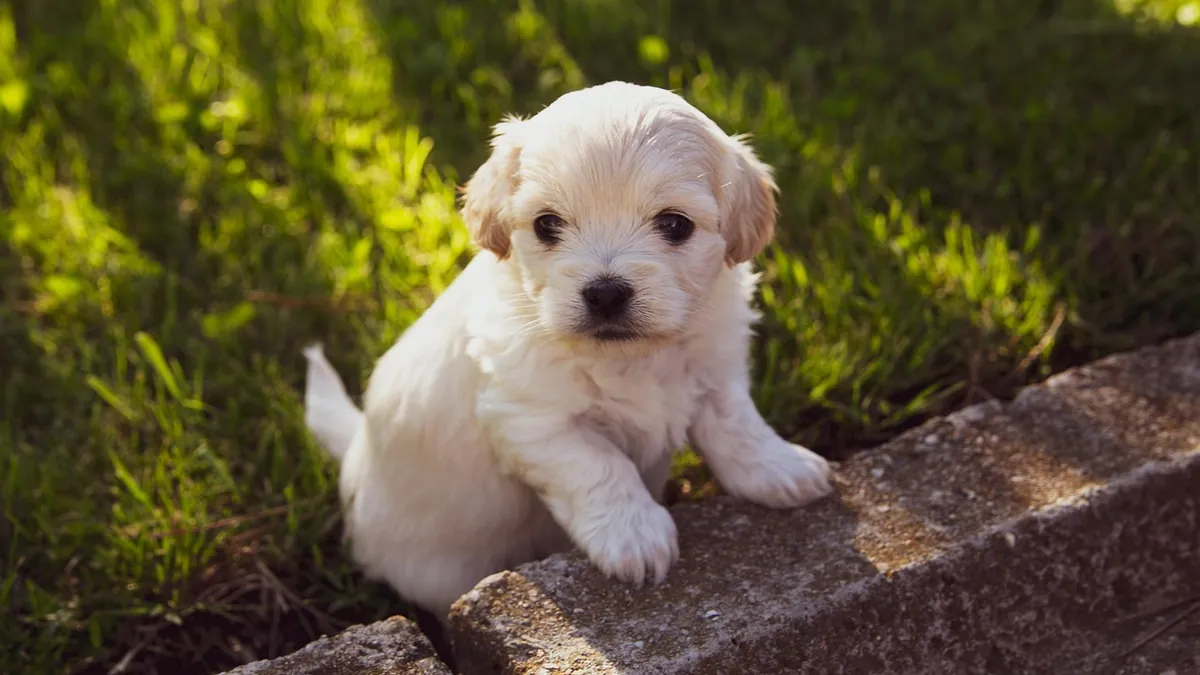
If your puppy only poops once a day and acts playful, eats well, and passes stool without straining, that is often normal. Puppy poop frequency depends on age, diet, fiber, and how much your puppy eats. A sudden drop from three poops a day to one, especially with straining or a hard stool, is the pattern that deserves a closer look.
This article is educational and is not a substitute for veterinary diagnosis or treatment.
Quick Answer
- A healthy puppy typically poops one to five times a day, and the number settles as your puppy grows and moves to fewer, larger meals.
- One soft, well-formed poop a day with normal energy and appetite is usually not constipation.
- Constipation means hard, dry stool, straining, crying during defecation, or no stool for longer than your puppy's normal pattern.
- Never give human laxatives, enemas, or stool softeners to a puppy unless your veterinarian prescribes them and calculates the dose.
- Call your veterinarian the same day if your puppy strains and produces nothing, vomits, refuses food, or seems painful.
What Normal Puppy Pooping Looks Like
Puppies poop more often than adult dogs for a simple reason. They eat more meals per day, and each meal triggers a wave of colon activity that pushes waste toward the exit. These waves are called the gastrocolic reflex, and they commonly fire after a meal [1]. That is why many puppies poop shortly after breakfast, lunch, dinner, and sometimes a midnight snack.
Normal puppy stool is soft but holds its shape, like playdough. It should be easy to pick up. Color ranges from chocolate brown to tan, depending on diet. A little mucus on the surface can be normal. Blood, black tar-like stool, or greasy gray stool is not.
So how many times a day is normal? There is no single correct number. A young puppy on four meals a day may poop three to five times. An older puppy on two meals a day may poop once or twice. If your puppy only pooped once today but the stool looked normal and your puppy is bright and hungry, that is usually fine.
The pattern matters more than the count. A puppy who always poops once a day after dinner is different from a puppy who pooped three times a day last week and now poops once with straining.
Why Is My Puppy Only Pooping Once a Day?
Several everyday reasons explain a drop in poop frequency. Most are harmless. A few need veterinary care.
Diet and meal changes
When you switch from puppy food to adult food, or from four meals to two, the number of gastrocolic reflex triggers drops. Fewer meals often means fewer poops. A diet with more digestible ingredients can also leave less waste behind, so volume and frequency fall.
Fiber plays a role too. Fiber absorbs water, softens feces, adds bulk, and helps the colon contract [1]. Diets with more fiber tend to produce more frequent, bulkier stools. If you recently moved to a lower-fiber food, one poop a day can be the result.
Eating less or eating odd things
A puppy who is teething, stressed, or picky may eat less than usual. Less food in means less stool out. Puppies also chew on toys, blankets, hair, and bones. Swallowed material can slow the gut or cause a partial blockage, which changes poop frequency and shape.
Dehydration
Water keeps stool soft. A puppy who plays hard in summer heat, has diarrhea, or simply drinks less can produce dry, hard stool that is harder to pass. Always keep fresh water available, and check that your puppy is actually drinking.
Constipation
Constipation is infrequent or difficult passage of hard, dry stool. It can happen at any age. Common triggers include dehydration, low fiber intake, swallowed hair or debris, pain around the anus, and some medications. A puppy who strains, cries, or produces small hard pellets is constipated even if a little stool comes out.
Less common medical causes
Large intestinal disease in dogs can present with constipation, though diarrhea is more common [2]. Causes include infections, parasites, inflammatory disease, masses, and motility problems [2]. Rare structural problems can also compress the colon and change defecation. In one reported case, a mass in the pelvis constricted the descending colon and caused straining [3]. These conditions are uncommon in puppies, but they are why a persistent change deserves an exam.
Quick guide to causes
| Cause | Typical clues | How urgent |
|---|---|---|
| Fewer meals or diet change | Normal stool, normal energy, recent food switch | Routine, monitor for 24 to 48 hours |
| Low fiber diet | Small firm stools, no straining | Routine, ask your vet about fiber |
| Dehydration | Tacky gums, hard dry stool, less drinking | Call your vet if it lasts more than a day |
| Mild constipation | Straining, hard pellets, small volume | Call your vet the same day if no stool |
| Swallowed object or hair | Vomiting, belly pain, no stool, decreased appetite | Emergency now |
| Parasites or gut infection | Diarrhea mixed with constipation, weight loss | Same-day visit |
| Pelvic mass or structural problem | Ongoing straining, thin ribbon-like stool | Prompt veterinary workup |
Red Flags That Mean Emergency
Some signs mean you should stop watching and go to a veterinarian now.
- Your puppy strains and strains but produces no stool at all.
- The belly looks bloated, feels hard, or your puppy cries when you touch it.
- Vomiting happens along with the poop change, especially repeated vomiting.
- Your puppy refuses food or becomes limp and quiet.
- There is blood in the stool or around the anus. Blood can have many causes, and it always deserves a call. If you see blood with otherwise normal behavior, read Dog Pooping Blood but Acting Normal: What to Do.
- Your puppy has diarrhea instead of constipation. Sudden diarrhea in a puppy can dehydrate quickly. See Dog Diarrhea but Acting Normal: Should You Worry?.
- Your puppy has not pooped in more than 48 hours, or more than 24 hours past its usual pattern, and seems uncomfortable.
Puppies decline faster than adult dogs. When in doubt, call your veterinarian. A phone call costs nothing and can save a lot of worry.
Safe Things You Can Do at Home
While you wait for your appointment or watch your puppy for a day, a few simple steps are safe.
Offer water often. Add a splash of water to kibble or offer ice cubes as a treat. Well-hydrated puppies pass stool more easily. Animals should be well hydrated before any fiber supplement is started, because fiber can form a hard mass in a dry colon [1].
Add a little fiber if your vet agrees. Fiber supplements absorb water, soften feces, add bulk, and improve colon contractions [1]. Common options include plain canned pumpkin, psyllium, or wheat bran added to food [1]. Your veterinarian will tell you the right amount for your puppy's size, because a small puppy needs much less than a large dog. Do not guess the dose on your own.
Keep meals on schedule. Regular meals support regular gastrocolic reflexes [1]. Sudden diet changes can backfire, so transition foods slowly over several days.
Encourage gentle activity. A short, calm walk can help move things along. Avoid hard running or jumping if your puppy seems uncomfortable.
Check the rear end. Look for mats of hair, dried stool, swelling, or redness around the anus. A warm damp cloth can gently clean the area. Never push anything into the rectum.
Do not give human laxatives or enemas. Some human products are dangerous for puppies. Doses must be calculated by a veterinarian based on your puppy's weight and health. Never use an enema at home.
Track the details. Write down the time of each poop, the size, the consistency, and whether your puppy strained. This record helps your veterinarian a lot.
If your puppy is eating normally but simply not pooping, that pattern has its own set of causes worth reviewing. See Dog Not Pooping but Eating Normally: Causes and Solutions.
What Your Veterinarian Will Check
Your veterinarian will start with questions. How long has this been going on? What and how often does your puppy eat? Any vomiting, blood, or straining? Any new toys, bones, or household items chewed?
Next comes a full physical exam. The veterinarian will check hydration, belly comfort, and the anal area. A rectal exam lets the veterinarian feel for hard stool, narrowing, masses, or pain [4]. This exam is quick and gives a lot of information.
Testing depends on what the exam finds. Common steps include:
- Fecal testing for parasites and infections [2]
- Blood work to check hydration and organ function
- X-rays or ultrasound to look for blockages, masses, or displaced organs [2][3]
- Colonoscopy with biopsy in selected cases [2]
Treatment is aimed at the cause [2]. If constipation is the problem, your veterinarian may recommend a fiber-supplemented diet, more water, or a stool softener. Fiber is often preferred because it is well tolerated and works with the body's normal colon function [1]. In one study of dogs with chronic gut disease, increasing dietary fiber improved fecal scores and clinical activity scores [5]. A controlled trial in cats found that a psyllium-enriched diet helped manage chronic constipation [6]. Your veterinarian will choose the approach that fits your puppy.
If your puppy has ongoing constipation that does not respond to simple changes, ask your veterinarian how long is too long to wait. A useful guide is Dog Constipation: How Long Is Too Long Without Pooping?.
Preventing Poop Problems
Prevention is mostly about routine.
- Feed a consistent, complete puppy diet. Ask your veterinarian whether the fiber level fits your puppy's needs.
- Transition foods slowly over five to seven days.
- Keep water available at all times and refresh it daily.
- Stick to regular meal times.
- Supervise chew time. Remove toys or bones that break into pieces.
- Keep up with parasite prevention and wellness visits.
- Watch the litter box or yard for changes in stool, and act early.
For a puppy who has had one bout of constipation, a simple poop log for a week can reveal whether the problem is diet, schedule, or something that needs a vet visit. If the pattern returns, call your veterinarian before trying home remedies again.
Limitations and When to Contact a Veterinarian
This article gives general guidance only. Every puppy is different, and individual cases need a veterinarian who can examine your pet.
Call your veterinarian the same day if your puppy strains without producing stool, has hard dry stool for more than a day, vomits, eats less, or seems uncomfortable. Go to an emergency clinic now if your puppy has a swollen painful belly, repeated vomiting, no stool for more than 48 hours, blood in the stool, or collapses. Schedule a routine visit if the one-poop-a-day pattern lasts more than a few days, if stool is consistently hard, or if you have tried diet and water changes without improvement.
Frequently Asked Questions
Is it normal for a puppy to poop only once a day?
Yes, it can be normal if the stool is soft and well-formed and your puppy eats, drinks, and plays normally. Frequency depends on age, meal count, diet, and fiber. A sudden drop with straining or hard stool is the sign to watch.
My puppy only pooped once today. Should I worry?
Not automatically. Check the stool quality and your puppy's behavior first. If the poop was normal and your puppy seems fine, monitor for another day. If your puppy strains, vomits, or refuses food, call your veterinarian.
Why is my puppy only pooping once a day all of a sudden?
The most common reasons are fewer meals, a diet change, less water intake, or a recent switch to a lower-fiber food. Swallowed toys or hair, parasites, and other gut problems can also slow things down. A physical exam and fecal test can sort out the cause.
Can I give my puppy a laxative or stool softener at home?
No. Never give human laxatives, stool softeners, or enemas to a puppy unless your veterinarian prescribes them. The dose depends on your puppy's weight and health, and some products are harmful to dogs. Call your veterinarian first.
When should I take my puppy to the vet for pooping once a day?
Go the same day if your puppy strains and produces nothing, vomits, has a painful or bloated belly, or stops eating. Go now if there is blood, repeated vomiting, or no stool for more than 48 hours. Otherwise, a routine visit within a few days is reasonable if the pattern continues.
Related Articles
- Dog Constipation: How Long Is Too Long Without Pooping?
- Dog Constipation: What Should You Do?
- Dog Not Pooping but Eating Normally: Causes and Solutions
- Dog Pooping Blood but Acting Normal: What to Do
- Dog Diarrhea but Acting Normal: Should You Worry?
- Why Does My Dog Eat Poop?
- Do Puppies Poop a Lot? Normal Puppy Pooping Explained
- Puppy Not Pooping as Much: Causes and When to Call the Vet
- How to Tell If My Puppy Needs to Poop: Constipation Signs
References
- Constipation, Obstipation, and Megacolon in Small Animals - Digestive System. Merck Veterinary Manual.
- Large-Intestinal Disorders in Dogs and Cats: Diagnosis, Management, and Clinical Outcomes. The Veterinary clinics of North America. Small animal practice, 2026.
- Hydrocolpos in a mixed-breed dog: a case report. Frontiers in veterinary science, 2026.
- Disorders of the Rectum and Anus in Dogs - Dog Owners. Merck Veterinary Manual.
- Increased dietary fiber intake improves fecal and clinical activity scores in dogs with chronic enteropathy. Journal of the American Veterinary Medical Association, 2026.
- A psyllium-supplemented gastrointestinal diet is effective for the management of chronic constipation in cats: a 6-month controlled clinical trial. Journal of feline medicine and surgery, 2026.