Puppy Has Not Pooped in 12 or 24 Hours: What to Do
By Dr. Zubair Khalid, DVM, MS, PhD ·
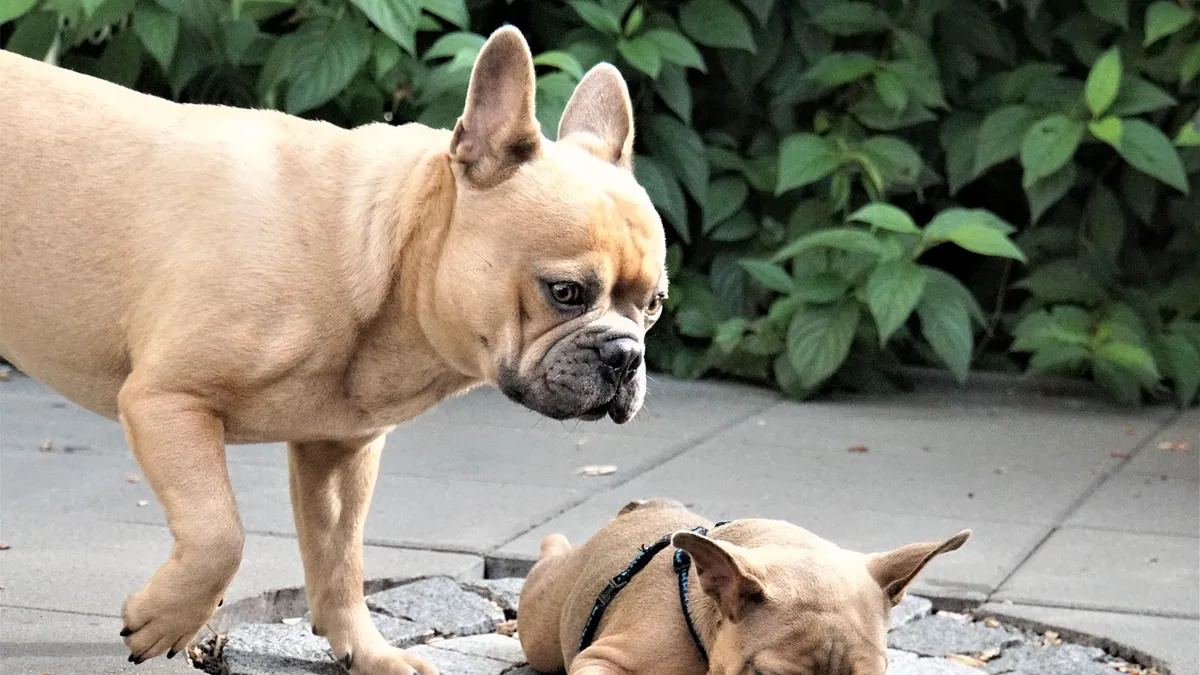
If your puppy has not pooped in 12 hours, the first thing to know is that this can be normal, especially in very young puppies who are still nursing or in puppies who just switched foods. It can also be the first sign of constipation or a blockage. The answer depends on your puppy's age, diet, and whether other symptoms are present.
This article is educational and is not a substitute for veterinary diagnosis or treatment.
Quick Answer
- Newborn puppies usually poop after every feeding, so a 12-hour gap in a puppy under 4 weeks old is a concern.
- Puppies on solid food often poop 2 to 5 times a day, but 1 to 2 times a day can be normal for some.
- A 12-hour gap with a happy, eating, playful puppy is usually not an emergency.
- A 24-hour gap, straining, vomiting, a hard belly, or refusing food means call your vet right away.
- Never give human laxatives, enemas, or home suppositories to a puppy without veterinary guidance.
What "Not Pooping" Looks Like and What Is Normal
Puppies are not small adult dogs when it comes to digestion. Their stool schedule changes fast in the first few months.
Normal stool frequency by age
Newborn to 3 weeks (nursing): Puppies this age depend on their mother to stimulate them to poop. They usually produce stool after most feedings. A 12-hour gap at this age is not normal and needs a vet call.
3 to 6 weeks (weaning): Stool output is still frequent, often several times a day. As solid food replaces milk, the schedule starts to spread out.
6 weeks to 6 months: Most puppies on solid food poop 2 to 5 times a day. Some healthy puppies poop once or twice a day. Both can be fine if the stool is soft, formed, and easy to pass.
Over 6 months: Many puppies settle into 1 to 3 poops a day. As puppies age, they can go longer without pooping or peeing and will not need to go out as often [1].
What normal puppy poop looks like
Healthy puppy stool is soft but holds its shape, like playdough. It should be brown and easy to pick up. Hard, dry pellets, small amounts, or a lot of straining point to constipation. Watery stool is the opposite problem and has its own causes.
What constipation looks like
Constipation means stool is hard to pass or is not passing at all. You may see your puppy squat and strain with little or nothing coming out. The belly may look bloated. Your puppy may whine, pace, or seem uncomfortable. If you are seeing straining without a result, this is covered in more detail in Dog Straining to Poop but Nothing Comes Out: What to Do.
What a blockage looks like
A blockage (obstruction) is different from simple constipation. Something is physically stuck in the intestine. Puppies are at high risk because they chew and swallow things they should not. One report described a dog that developed a small intestinal obstruction after swallowing kinetic sand, and the authors noted that the material's properties may make it more likely than regular sand to cause an obstruction that needs surgery [2]. A puppy with a blockage often vomits, refuses food, and gets worse over hours, not days.
Main Causes of a Puppy Not Pooping
| Cause | Typical clues | How urgent |
|---|---|---|
| Diet change or new food | Recent switch, soft then hard stool, no other symptoms | Usually mild, watch closely |
| Not enough water or fiber | Hard dry stool, straining, normal energy | Call vet if it lasts past 24 hours |
| Intestinal worms or parasites | Potbelly, poor coat, diarrhea mixed with constipation, worms in stool | Routine vet visit soon |
| Swallowed object (toy, bone, sand, fabric) | Vomiting, no appetite, painful belly, no stool at all | Emergency now |
| Pain or fear around potty area | Holds stool, squats briefly, runs away | Address training and stress |
| Medication side effects | Started a new drug recently | Call the prescribing vet |
| Underlying colon or motility disease | Long-term straining, small stools, weight loss | Routine vet visit, may need testing |
Large intestinal disease in dogs and cats often shows up as diarrhea, with constipation happening less often. Causes include infections, parasites, inflammatory disease, tumors, blood vessel problems, and motility disorders [3]. In a young puppy, diet, parasites, and swallowed objects are the most common reasons.
Worms deserve a mention because they are so common in puppies. Puppies often have intestinal worms passed from their mother, and they usually get deworming medicine as a precaution a few weeks after birth. Your vet will check your puppy's poop for worms every 2 to 4 weeks until there are two negative tests in a row [1].
Red Flags That Make It an Emergency
Call an emergency veterinary hospital now if your puppy has any of these:
- No poop for 24 hours, especially with vomiting
- Vomiting that repeats or is accompanied by a swollen, painful belly
- Refusing all food or water
- Dry heaving or trying to vomit with nothing coming up
- Bloody stool, black tarry stool, or stool that looks like jelly
- Weakness, collapse, pale gums, or heavy panting
- Crying when you touch the belly
- Known or suspected swallowing of a toy, bone, sock, string, or sand
A puppy who stops eating is a separate warning sign on its own. If that is your situation, see Dog Not Eating for 24 Hours: When to Start Worrying.
Safe Things You Can Do at Home While Waiting
These steps are for a puppy who is bright, eating, drinking, and not vomiting. If any red flag is present, skip these and call your vet.
1. Offer fresh water
Dehydration makes stool harder. Make sure water is always available and clean. If your puppy is not drinking, that is a reason to call the vet, not a reason to wait.
2. Add a little moisture to the food
If your puppy eats dry kibble, you can moisten it with a small amount of warm water. This adds water to the diet without changing the food itself. Do not switch foods suddenly, because that can cause its own digestive upset.
3. Keep moving
Gentle activity helps the gut move. A short, calm walk or play session in the yard can help. Do not force a puppy who seems tired or painful to exercise.
4. Give a safe potty spot and time
Puppies get distracted. Take your puppy to a quiet spot and wait 5 to 10 minutes. Praise any attempt. If house training is part of the puzzle, Puppy Potty Train In 3 Days covers the basics, and Puppy Potty Training Going Well Then Not helps when progress stalls.
5. Do not use human products
Do not give human laxatives, stool softeners, suppositories, or enemas. Do not give mineral oil by mouth. Puppies are small, and the wrong product or dose can cause serious harm. Your veterinarian calculates any medication dose from your puppy's weight and health.
6. Check the environment
Look for missing toys, chewed items, trash, or craft supplies. If you find evidence that something was swallowed, call your vet or a pet poison control hotline right away.
What Your Veterinarian Will Check and Test
Your vet will start with a full history. Write down the last time your puppy pooped, what it looked like, when your puppy last ate, and any possible swallowed items. Bring a stool sample if you can.
The physical exam checks hydration, belly pain, bloating, and gum color. The vet may also do a rectal exam to feel for hard stool or a mass.
Common tests include:
- Fecal testing for worms, giardia, and other parasites. This is standard in puppies, who are checked every 2 to 4 weeks until two negative tests in a row [1].
- Abdominal X-rays to look for a blockage or a dilated bowel loop. In the kinetic sand case, X-rays showed a dilated loop filled with radiopaque material, and follow-up imaging confirmed an obstruction that needed surgery [2].
- Ultrasound when X-rays are unclear or when the vet suspects a mass or fluid pocket.
- Blood work to check for dehydration, infection, or organ problems.
If the exam points to a large intestinal problem, the vet may recommend colonoscopy with biopsy. Large intestinal disease is diagnosed through history, physical exam, fecal testing, imaging, and sometimes colonoscopy with mucosal biopsy [3].
Treatment depends on the cause. Simple constipation may respond to fluids, a diet change, or a prescribed stool softener. A blockage needs surgery. Your vet will explain the plan for your puppy's specific case.
Prevention and Monitoring
Most puppy constipation is preventable with a few habits.
Feed a complete puppy diet. Puppies need puppy food with enough calories, fat, protein, vitamins, and minerals for growth. Look for the Association of American Feed Control Officials (AAFCO) label, which means the food meets certain nutritional standards [1]. Most dogs reach adulthood at 9 to 12 months, though large and giant breeds can take almost 2 years. Switch to adult food only when your vet says it is time [1].
Keep water available at all times. Puppies dehydrate quickly.
Stick to a schedule. Feed at the same times each day. Take your puppy out on a routine, especially after meals, naps, and play. Housetraining works best when you start early, show your puppy where to go, and praise success. With patience and consistency, it usually takes just a few weeks [1].
Puppy-proof the house. Block access to socks, string, bones, toys with small parts, trash, and sand. Kinetic sand and similar materials are a real risk for obstruction [2].
Track poop in a notebook or app. Note the time, size, and consistency. This makes it easy to tell your vet exactly what changed and when.
Keep up with vet visits. Puppy visits include deworming, fecal checks, and vaccines. These visits are also your chance to ask about stool habits.
Watch for patterns. If your puppy has repeated bouts of straining or hard stool, that is worth a routine vet visit. Long-term constipation can have an underlying cause, and the sooner it is found, the easier it is to manage.
Limitations and When to Contact a Veterinarian
This article cannot tell you what is happening inside your specific puppy. Only a veterinarian who examines your puppy can do that.
Call your vet the same day if:
- Your puppy has not pooped in 24 hours
- Stool is hard, dry, or very small
- Your puppy strains for more than a few minutes
- Your puppy seems uncomfortable but is still eating and drinking
- You see worms or unusual material in the stool
Go to an emergency hospital now if:
- Your puppy is vomiting, especially with a swollen or painful belly
- Your puppy will not eat or drink
- There is blood in the stool or the stool is black and tarry
- Your puppy is weak, collapsing, or breathing hard
- You know or suspect your puppy swallowed a foreign object
Schedule a routine visit if:
- Constipation keeps coming back
- Your puppy is losing weight or has a poor coat
- You want help with diet, fiber, or a stool softener plan
If you are unsure which category fits, call your vet's office and describe what you see. It is always fine to ask. For a broader look at how long is too long, see Dog Constipation: How Long Is Too Long Without Pooping?.
Frequently Asked Questions
Can a puppy go 12 hours without pooping and still be fine?
Yes, often. A healthy puppy on solid food who is eating, drinking, and playing normally can have a 12-hour gap, especially overnight. Watch for straining, vomiting, or a hard belly, and call your vet if the gap reaches 24 hours.
How long can a puppy go without pooping before it is an emergency?
A full 24 hours with no stool is the point where most vets want to hear from you. If vomiting, belly pain, or refusal to eat is also present, treat it as an emergency and go in right away.
Can I give my puppy a laxative or an enema?
No. Do not give human laxatives, stool softeners, suppositories, or enemas without veterinary direction. Your vet will pick a product and dose based on your puppy's weight and health, and the wrong choice can cause serious harm.
Does pumpkin or canned food help a constipated puppy?
Plain canned pumpkin is sometimes used to add fiber, but there is no standard puppy dose, and too much can cause diarrhea. Ask your vet before adding anything to your puppy's diet. A psyllium-supplemented gastrointestinal diet has been shown to help manage chronic constipation in cats, but that finding does not automatically apply to puppies [4].
What if my puppy is straining but nothing comes out?
Straining with no result can mean hard stool, a blockage, or another problem. If it lasts more than a few minutes or happens repeatedly, call your vet. If your puppy is also vomiting or seems painful, go to an emergency hospital.
Related Articles
- Dog Not Eating for 24 Hours: When to Start Worrying
- Dog Straining to Poop but Nothing Comes Out: What to Do
- Dog Constipation: How Long Is Too Long Without Pooping?
- Puppy Potty Train In 3 Days
- Puppy Potty Training Going Well Then Not
- Dog Not Pooping but Eating Normally: Causes and Solutions
- Puppy Not Pooping as Much: Causes and When to Call the Vet
- How to Tell If My Puppy Needs to Poop: Constipation Signs
- Why Is My Puppy Having a Hard Time Pooping? Causes and Help
References
- Puppy Care - Dog Owners. Merck Veterinary Manual.
- Small intestinal obstruction secondary to kinetic sand ingestion in a dog. The Canadian veterinary journal = La revue veterinaire canadienne, 2024.
- Large-Intestinal Disorders in Dogs and Cats: Diagnosis, Management, and Clinical Outcomes. The Veterinary clinics of North America. Small animal practice, 2026.
- A psyllium-supplemented gastrointestinal diet is effective for the management of chronic constipation in cats: a 6-month controlled clinical trial. Journal of feline medicine and surgery, 2026.