Cat Gastritis: Soothing an Upset Stomach and Diet Changes
By Dr. Zubair Khalid, DVM, MS, PhD ·
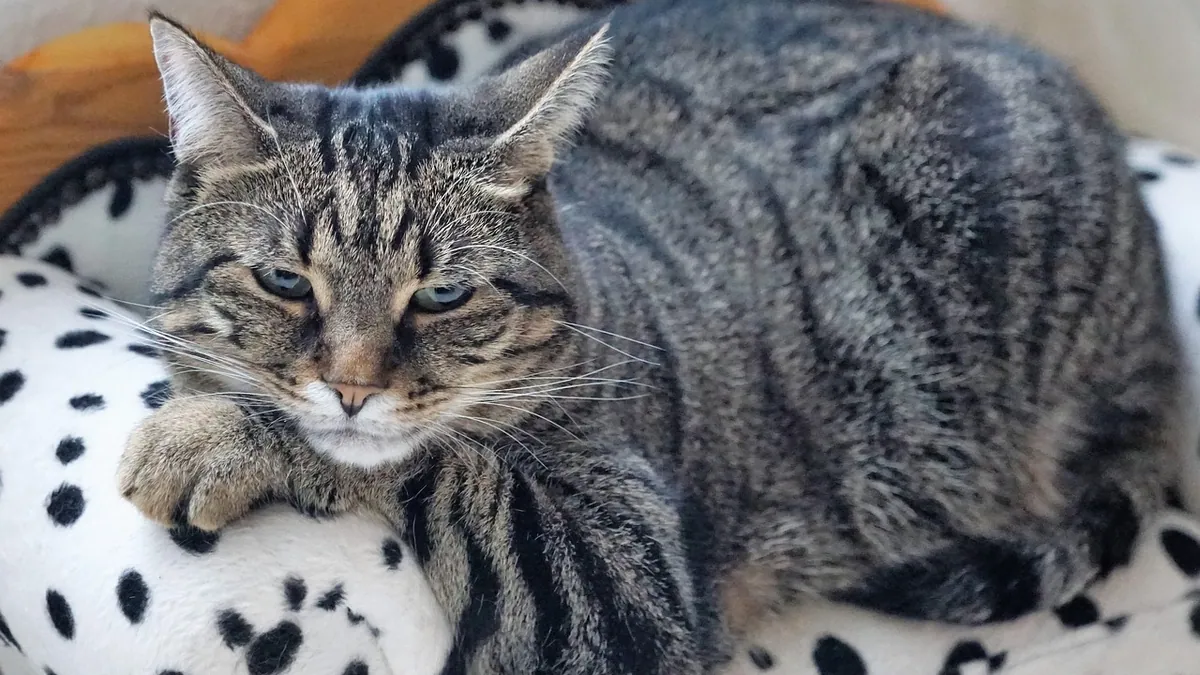
How to treat cat gastritis starts with a short pause in food, then a gentle return to eating with a bland or prescription diet. Most mild cases settle within a day or two with supportive care, but vomiting that keeps going, blood in the vomit, or a cat who will not eat needs a veterinarian. This article is educational and is not a substitute for veterinary diagnosis or treatment.
Quick Answer
- Withhold food for a short period (often 12 to 24 hours in adult cats) only if your veterinarian advises it, then offer small, frequent meals of a bland or prescription gastrointestinal diet.
- Never give human medications like ibuprofen, naproxen, acetaminophen, or aspirin to a cat. These can be severely toxic.
- Call your veterinarian the same day if your cat vomits more than a few times, seems painful, or refuses food for more than 24 hours.
- Go to an emergency clinic now if you see blood in the vomit, a swollen or painful belly, repeated unproductive retching, or your cat collapses or seems weak.
- Prescription anti-nausea drugs and, in some cases, stomach-protecting medications are chosen by your veterinarian based on your cat's weight and health.
What Cat Gastritis Actually Is
Gastritis means inflammation of the stomach lining, called the gastric mucosa [1]. When that lining is irritated, the stomach does not tolerate food well, and vomiting is the main sign owners see [1]. The vomit may contain bile, food, froth, blood, or material your cat swallowed, such as grass, bones, or foreign objects [1].
Vets divide it into acute and chronic forms. Acute gastritis comes on suddenly, and sudden vomiting is its hallmark [1]. Chronic gastritis lingers or keeps coming back. Some cats also have inflammation in the intestines at the same time, which is why you may hear the broader term gastrointestinal disease.
Gastritis is different from pancreatitis, a foreign body, or kidney disease, even though all of these can cause vomiting. That is why a veterinarian's exam matters. If your cat is bringing up clear fluid, our guide to Why Is My Cat Vomiting clear liquid? Gastritis, Kidney Disease & IBD explains how these conditions can look alike.
Signs Owners Notice
Vomiting is the number one sign [1]. Beyond that, watch for:
- Nausea signals such as lip licking, drooling, or swallowing hard
- Eating less than usual (hyporexia) or refusing food completely (anorexia) [1]
- Pain in the front part of the belly, which vets call cranial abdominal pain [1]
- A tucked-up posture, grumpiness when you touch the belly, or hiding
- Vomiting after eating, or vomiting bile on an empty stomach
- Less energy and less interest in normal routines
If your cat vomits undigested food shortly after meals, that pattern has its own set of causes. Our article on Cat Vomiting Undigested Food: Why It Happens and What to Do walks through what that usually means.
Causes and Risk Factors
Acute gastritis often follows something your cat ate. Dietary indiscretion (eating garbage, table scraps, or something spoiled), a sudden food change, hairballs, or swallowing grass and bones can all irritate the stomach [1]. Some cats react to medications, toxins, or plants.
Chronic gastritis has a longer list. Inflammatory bowel disease, food sensitivities, parasites, and other systemic illnesses can all play a role. A 2026 study of 154 cats with confirmed gastrointestinal disease looked at whether Helicobacter bacteria in the stomach were linked to inflammation, and the relationship is still being worked out [2]. Helicobacter is common in cats, and finding it does not automatically mean it is the cause of your cat's vomiting.
Stress matters too. A move, a new pet, boarding, or a disrupted routine can trigger stomach upset in sensitive cats. Cats also have digestive quirks that make them prone to gastrointestinal disorders in general, which is one reason diets designed to support digestion are so common [3].
How Veterinarians Diagnose It
For a first episode of mild vomiting, many vets make a presumptive diagnosis based on your cat's history and how they respond to supportive care [1]. That means the diagnosis is suspected, not proven, and the response to treatment helps confirm it.
If vomiting is severe, repeated, or chronic, more testing is needed. Your vet may run blood work, a fecal exam, and imaging such as X-rays or ultrasound to look for a foreign body, pancreatitis, or organ disease. Definitive diagnosis of gastritis requires looking directly at the stomach with a gastroscope and taking biopsies for microscopic review [1]. Those biopsies can show inflammation along with changes like redness, swelling, scarring, erosions, or ulcers [1].
Not every cat needs a scope. Your veterinarian will weigh the risks, the cost, and how your cat is doing before recommending it.
How to Treat Cat Gastritis
Treatment depends on how sick your cat is and what is causing the problem. Mild cases are often managed at home with diet changes and monitoring. More serious cases need veterinary care, fluids, and medication.
Short Food Withholding
A brief pause in food gives the stomach a rest. In adult cats this is often 12 to 24 hours, but the exact timing should come from your veterinarian, who will factor in your cat's age, weight, and other health conditions. Never withhold food from a kitten or a cat with diabetes or another condition that requires regular meals unless your vet specifically tells you to.
Water should stay available. Dehydration is a real risk with repeated vomiting, and fluids are a core part of supportive care [1].
Bland and Prescription Diets (Cat Food for Gastritis)
After the rest period, offer small meals several times a day instead of one big bowl. Bland options owners often use include plain cooked chicken or turkey with the fat and skin removed, and plain white rice. These are short-term choices, not a balanced long-term diet.
Prescription gastrointestinal diets are a better fit for many cats. They are formulated to be gentle on the stomach and easy to digest, and they come in canned and dry forms. Your vet may recommend a specific brand based on your cat's needs. If you are also managing pancreatitis, our guide to Cat Pancreatitis Food covers how those diets differ.
Transition slowly. Mix a little of the new food with the old and increase the new food over several days. A sudden switch can cause its own stomach upset.
Some functional diets now include ingredients aimed at supporting digestion and gut bacteria. A 2025 study found that a cat food supplemented with a traditional herbal formula promoted digestion and nutrient absorption and supported immune and antioxidant defenses in healthy adult cats [3]. This is early research in healthy cats, so it is not a treatment for diagnosed gastritis.
Anti-Nausea and Stomach-Protecting Medications
Anti-nausea drugs are a mainstay of treatment because they control the vomiting that makes cats feel awful [1]. Pain control may also be needed if your cat has abdominal pain [1].
Gastroprotectants, which reduce stomach acid or coat the stomach lining, are sometimes used when ulcers are suspected [1]. However, these drugs are among the most misused in veterinary medicine, and there are very few studies on how well they work in cats [4]. One review of hospitalized cats found that about 61 percent were given a gastroprotectant without an appropriate indication [5]. In short, acid-reducing drugs are not automatic for every vomiting cat. Your veterinarian decides whether your cat actually needs one.
Doses are always calculated by your veterinarian based on your cat's weight and health. Never guess a dose or borrow medication from another pet.
Fluids and Supportive Care
Cats who are dehydrated or cannot keep food down often need subcutaneous or intravenous fluids [1]. This is one of the most important parts of treatment and can make a cat feel dramatically better.
What About Probiotics and Gut Supplements?
Products containing prebiotics, probiotics, and postbiotics are popular for mild digestive upset. A 2026 study of dogs and cats with mild gastrointestinal imbalances found that a prebiotic-postbiotic supplement was associated with improvements in digestive signs like soft stool and flatulence [6]. These supplements are not a substitute for diagnosing and treating a real problem, but they may help support normal gut function. Ask your vet before adding one.
Human Medications That Are Dangerous for Cats
This is the part owners most often get wrong. Cats process drugs very differently from people and dogs.
- Acetaminophen (Tylenol): Highly toxic to cats and can be fatal.
- Ibuprofen (Advil, Motrin) and naproxen (Aleve): Can cause severe stomach ulcers and kidney damage.
- Aspirin: Can cause bleeding and other serious problems in cats.
- Pepto-Bismol and similar products: Contain ingredients that are not safe for cats.
Never give your cat a human medication for vomiting or stomach pain unless your veterinarian specifically prescribes it and gives you the dose. If your cat swallowed any of these, call your veterinarian or a pet poison hotline right away.
Recovery, Outlook, and Long-Term Management
Most cats with simple acute gastritis improve within 24 to 48 hours once the stomach settles and they are eating a gentle diet again. Full recovery usually means a gradual return to normal food over about a week.
Chronic gastritis takes longer. Some cats need a prescription diet for life, and some need ongoing medication. Others improve once an underlying cause, such as a food sensitivity or intestinal disease, is identified and managed.
| Situation | Typical approach | What to expect |
|---|---|---|
| One or two vomits, cat still playful and eating | Short food rest, then small bland meals | Often settles in 1 to 2 days |
| Repeated vomiting, nausea, not eating | Vet visit, anti-nausea medication, fluids | Improvement within a day or two of treatment |
| Vomiting with pain, blood, or a swollen belly | Same-day or emergency care, imaging | Depends on the cause, may need surgery |
| Vomiting that keeps coming back for weeks | Full workup, possible diet trial or biopsy | Long-term management, often months |
Keep a simple log of when your cat vomits, what it looks like, and what they ate. That record helps your vet enormously.
Prevention
You cannot prevent every episode, but you can lower the odds.
- Keep garbage, string, bones, and small objects out of reach.
- Change foods gradually over 7 to 10 days.
- Feed measured meals instead of free-feeding if your cat tends to overeat.
- Stick to a routine. Stress can trigger stomach upset.
- Keep up with parasite prevention and routine vet visits.
- Ask your vet before giving any supplement or human medication.
If your cat has had gastritis before, our guide to Cat Upset Stomach: Home Remedies That Are Safe covers what you can safely try at home and what to avoid.
Limitations and When to Contact a Veterinarian
This article gives general guidance only. Every cat is different, and individual cases need a veterinarian who can examine your cat, run tests if needed, and set a treatment plan.
Call your veterinarian the same day if:
- Your cat vomits more than three or four times in a day
- Your cat refuses food for more than 24 hours
- You see nausea signs like drooling or lip licking that will not stop
- Your cat seems painful when you touch the belly
- Your cat is a kitten, senior, or has a chronic illness like diabetes or kidney disease
Go to an emergency clinic now if:
- You see blood in the vomit, fresh or digested (it can look like coffee grounds)
- Your cat's belly looks swollen or feels hard
- Your cat retches without bringing anything up, which can signal a blockage
- Your cat is weak, wobbly, collapsing, or breathing oddly
- You know or suspect your cat ate a foreign object, toxin, or human medication
For a routine visit, book an appointment if vomiting comes and goes over more than a week, if your cat is losing weight, or if diet changes have not helped. Our guide to Cat Vomiting: When to Worry and What to Do can help you sort urgent signs from ones that can wait for a scheduled visit.
Frequently Asked Questions
Should I withhold food from my cat with gastritis?
A short food rest can help an irritated stomach settle, but the length should be set by your veterinarian. Kittens and cats with conditions like diabetes should not skip meals unless a vet tells you to. Keep water available the whole time.
What is the best cat food for gastritis?
A prescription gastrointestinal diet is often the best choice because it is designed to be gentle and easy to digest. Plain cooked chicken with white rice can work for a few days as a temporary option. Your vet can recommend a specific diet based on your cat's history.
Can I give my cat human anti-nausea medicine?
No, not without veterinary instruction. Several human medications are toxic to cats, and even safe ones need a dose calculated for your cat's weight. Call your vet before giving anything from your medicine cabinet.
How long does gastritis last in cats?
Simple acute cases often improve within a day or two of supportive care and a gentle diet. Chronic gastritis can last weeks or longer and may need ongoing diet management or medication. If vomiting continues past a couple of days, your cat needs to be seen.
Is Helicobacter in cats something I should worry about?
Helicobacter bacteria are common in cats, and research has not yet shown a clear, consistent link between the bacteria and stomach inflammation in every case [2]. Testing and treatment decisions should be made by your veterinarian based on your cat's full picture, not on the bacteria alone.
Related Articles
- Cat Upset Stomach: Home Remedies That Are Safe
- Cat Vomiting Undigested Food: Why It Happens and What to Do
- Why Is My Cat Vomiting clear liquid? Gastritis, Kidney Disease & IBD
- Cat Pancreatitis Food
- Cat Vomiting: When to Worry and What to Do
- Can Cats Eat Oatmeal? Sensitive Stomach Digestibility
- Gastroenteritis in Cats: Causes and Diet Choices
- Cat Food for GI Issues: Choosing a Gentle Diet
- Cat Nausea and Vomiting: Safe Home Treatment
References
- Gastritis in Small Animals - Digestive System. Merck Veterinary Manual.
- EXPRESS: Colonization of Helicobacter Species and Associated Gastritis in Cats with Gastrointestinal disease: a Cross-Sectional Study on 154 Cases. Journal of feline medicine and surgery, 2026.
- The effects of Sijunzi decoction-supplemented cat food on physiological parameters and gut microbiota in healthy adult cats. Frontiers in veterinary science, 2025.
- Rational use of gastroprotectants in cats: An evidence-based approach. Journal of feline medicine and surgery, 2024.
- Evaluation of gastroprotectant administration in hospitalized cats in a tertiary referral hospital. Journal of feline medicine and surgery, 2023.
- Beneficial effects of a prebiotic-postbiotic supplement on digestive health and fecal microbiota in dogs and cats. Frontiers in veterinary science, 2026.