Cat Diarrhea With No Diet Change: Why It Happens
By Dr. Zubair Khalid, DVM, MS, PhD ·
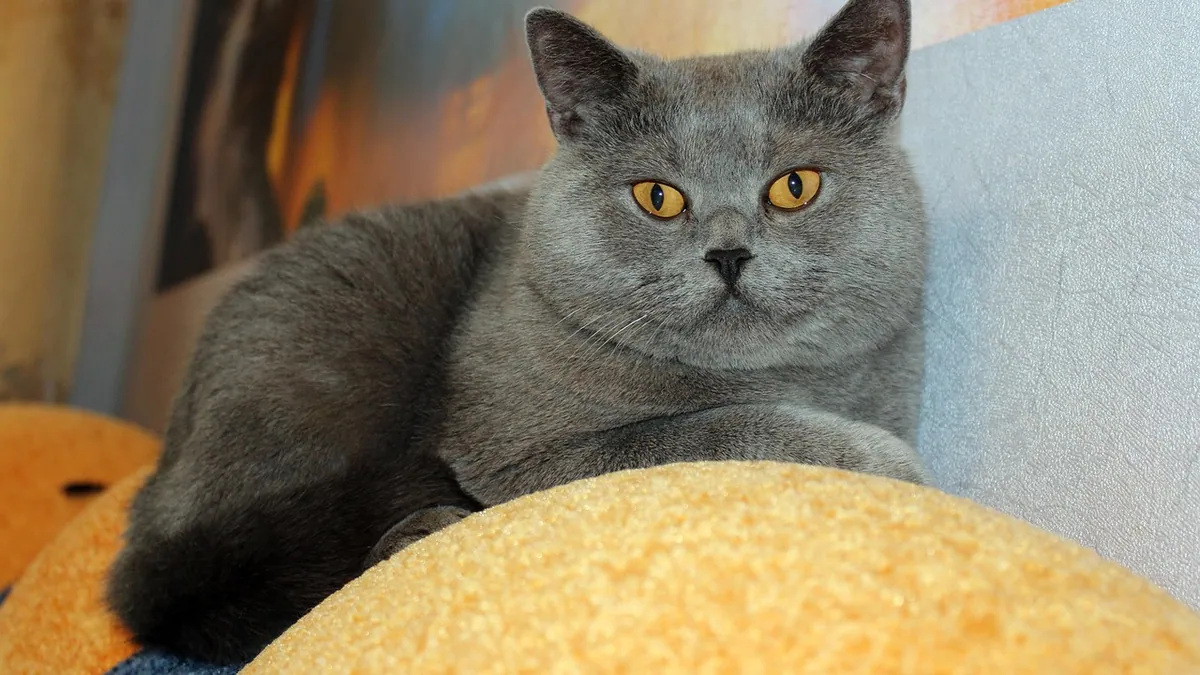
Sudden diarrhea in a cat that is still eating the same food usually points to something other than the diet. Infection, parasites, toxins, stress, and hidden health conditions are common reasons a cat can develop loose stools without any change in what you feed. This article covers the likely causes of cat diarrhea with no change in diet, the signs that mean you need a vet now, and the safe steps you can take at home.
This article is educational and is not a substitute for veterinary diagnosis or treatment.
Quick Answer
- Diet is only one possible trigger. Stress, infections, parasites, and toxins can all cause diarrhea even when the food bowl looks exactly the same [1].
- A short bout of loose stool often resolves on its own or with simple supportive care, but diarrhea can also signal a serious underlying condition [1].
- Never give human anti-diarrheal medicine or leftover pet medication without asking your vet first.
- Watch for blood, black tarry stool, repeated vomiting, lethargy, or refusal to eat. These are reasons to call your veterinarian the same day.
- Kittens, senior cats, and cats with other health problems get dehydrated faster and should be seen sooner.
What Cat Diarrhea Looks Like and What Counts as Normal
Normal cat stool is firm, formed, and brown. It holds its shape when you scoop it. A healthy cat produces roughly one to two bowel movements a day, though this varies with the individual cat and its diet.
Diarrhea is the abnormally frequent passage of watery stool that may be gray or yellow and unusually foul smelling [1]. Some cats have a single soft stool and act completely normal. Others have repeated watery stools, straining, urgency, or accidents outside the litter box.
Veterinarians often sort diarrhea into two broad patterns based on where the problem sits in the gut. Small bowel diarrhea tends to produce larger volumes of stool, sometimes with weight loss. Large bowel diarrhea tends to come with straining, mucus, and frequent small amounts. The mechanisms behind chronic diarrhea are complex and can involve fluid shifts, a weakened intestinal barrier, and changes in how the gut moves [2].
The pattern matters, but you do not need to diagnose it yourself. Note what you see and share it with your vet.
Main Causes of Cat Diarrhea With No Change in Diet
When the food has not changed, look at everything else that has. A new stressor, a new cat in the house, a recent boarding stay, or exposure to something spoiled or toxic can all trigger loose stool. Here are the main categories.
| Cause | Typical clues | How urgent |
|---|---|---|
| Stress or a routine change | Loose stool after travel, boarding, a move, or a new pet. Cat otherwise bright and eating [1] | Usually mild. Monitor for 24 to 48 hours |
| Sudden diet upset (even without a food switch) | New treats, table scraps, or a stolen snack. Soft stool within a day | Usually mild. Remove the new item |
| Intestinal parasites | Diarrhea that lingers, sometimes with mucus or weight loss. Common in kittens and outdoor cats | See your vet soon for a fecal test |
| Viral infection (for example, feline panleukopenia) | Severe diarrhea, vomiting, lethargy, fever. Higher risk in shelters and unvaccinated kittens [3] | Emergency. Call now |
| Bacterial or other infection | Watery stool, sometimes with blood, poor appetite, low energy | Same-day vet visit |
| Toxin or spoiled food | Vomiting and diarrhea together, drooling, wobbling, or tremors after possible exposure | Emergency. Call poison control or your vet now |
| Hidden chronic condition | Diarrhea lasting more than two to three weeks, weight loss, dull coat [2] | Routine vet visit, sooner if losing weight |
| Medication reaction | Loose stool starting after a new drug or supplement | Call your vet before the next dose |
Stress deserves special mention because owners often overlook it. A long car trip or a weekend stay at a veterinary clinic can produce a brief episode of loose bowels in an otherwise healthy cat [1]. The gut and the brain talk to each other, and upheaval in a cat's routine can show up in the litter box.
Kittens are at higher risk because their digestive systems are still adjusting, including when they move from milk to solid food [1]. Their small bodies also lose fluid quickly.
If your cat started a new medication recently, see What to Do If Your Cat Has Diarrhea After Starting a New Medication. If the loose stool shows up right after meals, Cat Diarrhea After Eating: Causes and When to Act walks through the timing clues.
Red Flags That Make It an Emergency
Some diarrhea needs immediate care. Call an emergency veterinary hospital right away if you see any of these:
- Blood in the stool, or stool that is black and tarry
- Repeated vomiting along with the diarrhea
- Your cat will not eat or drink
- Extreme lethargy, weakness, or collapse
- A swollen, painful belly
- Known or suspected exposure to a toxin, spoiled food, or human medication
- Diarrhea in a kitten under a few months old
- Diarrhea in a cat that is already ill, pregnant, or on other medications
Dehydration is the main worry with any bout of diarrhea. A cat that is not drinking loses fluid fast. For a closer look at that risk, read Cat Diarrhea and Not Drinking Water: Dehydration Risks and Care.
If your cat is vomiting undigested food along with the loose stool, Cat Vomiting Undigested Food: Why It Happens and What to Do explains what that combination can mean.
Safe Things You Can Do at Home While You Wait
You can support a mildly affected cat at home, but keep it simple and avoid guessing at medicine.
Keep fresh water available at all times. Offer multiple bowls in quiet spots. Some cats drink more from a fountain or a wide bowl.
Do not withhold food for long. A short fast is sometimes suggested for dogs, but cats should not go without eating for extended periods. Ask your vet before skipping meals.
Skip new treats and table food. If you recently added a treat or a topper, remove it and see if the stool firms up.
Do not give human anti-diarrheal drugs. Common over-the-counter products can be harmful to cats. Your veterinarian will calculate any medication dose from your cat's weight and health, so never guess.
Keep the litter box clean. Scoop more often than usual so you can track how many stools your cat passes and what they look like. Take a photo of anything unusual.
Reduce stress where you can. Keep the house calm, give your cat a quiet room, and avoid unnecessary travel or visitors until the stool improves.
Watch the clock. If the diarrhea lasts more than 24 to 48 hours, gets worse, or comes with any red flag, stop home care and call your vet.
What Your Veterinarian Will Check and Test
Your vet starts with the story. Be ready to answer when the diarrhea began, how many stools a day, what they look like, whether your cat is eating and drinking, any new stress or travel, any new treats or medications, and whether other pets in the home are affected.
The physical exam checks hydration, weight, gum color, belly tenderness, and body temperature. Your vet may also feel for thickened loops of intestine or enlarged organs.
Common tests include:
- A fecal exam to look for parasites and their eggs
- Blood work to check organ function, electrolytes, and hydration
- A fecal PCR or other specific test if an infectious cause is suspected
- Imaging such as X-rays or ultrasound if a blockage, mass, or organ problem is possible
If diarrhea has lasted weeks, your vet may use a scoring system to grade how sick your cat is and to track improvement over time [4]. Chronic diarrhea has many possible causes, and pinning down the exact mechanism guides treatment [2]. Some cats with long-standing gut disease need a change to a therapeutic diet, and some need other support. In one reported case, a cat with chronic, nonresponsive enteropathy improved after being switched to a high-protein, low-carbohydrate veterinary therapeutic diet, with psyllium husk later added to improve stool quality [5].
Gut bacteria may play a role in some chronic cases. Research on fecal microbiota transplantation in cats with chronic enteropathy has not shown a clear benefit in the measures studied so far, so this is not a settled treatment [4].
Prevention and Monitoring
You cannot prevent every cause of diarrhea, but you can lower the odds and catch problems early.
- Keep vaccinations current. Feline panleukopenia is a serious viral cause of diarrhea, and shelters see it most often where vaccination is incomplete [3].
- Control parasites with a schedule your vet recommends, especially for outdoor cats and kittens.
- Keep garbage, spoiled food, houseplants, and human medications out of reach.
- Introduce any food or treat change slowly, even when the main diet stays the same.
- Limit stressful upheaval when you can, and give your cat a safe, quiet space during changes.
- Weigh your cat monthly if you can. Weight loss with diarrhea is a reason to call your vet.
- Track litter box habits. A change in stool frequency or shape is often the first sign something is off.
If your cat has repeated bouts, keep a simple log of dates, foods, stressors, and stool appearance. That record helps your vet spot patterns.
Limitations and When to Contact a Veterinarian
This article cannot tell you what is causing your cat's diarrhea. Only a veterinarian who examines your cat can do that. Individual cases need a veterinarian, and the timing depends on how sick your cat looks.
Call an emergency hospital now if you see blood or black stool, repeated vomiting, collapse, a painful belly, or a known toxin exposure.
Call your vet the same day if your cat is lethargic, will not eat, is a kitten or senior, has diarrhea lasting more than 24 to 48 hours, or is on medication that could be involved.
Schedule a routine visit if the diarrhea comes and goes over weeks, if your cat is losing weight, or if the stool never returns to normal.
When in doubt, call. A quick phone conversation can save you a night of worry and get your cat help sooner.
Frequently Asked Questions
Can stress alone cause diarrhea in a cat?
Yes. A stressful event such as a long car trip or a clinic stay can produce a brief episode of loose bowels in an otherwise healthy cat [1]. The stool usually firms up once the stress passes. If it lasts more than a couple of days, have your vet check for other causes.
How long should I wait before calling the vet?
For an adult cat that is eating, drinking, and acting normal, a day or two of monitoring is reasonable. Call sooner if the diarrhea lasts beyond 48 hours, gets worse, or comes with vomiting, lethargy, or poor appetite. Kittens and senior cats should be seen sooner.
Can my cat catch diarrhea from another pet?
Some infectious causes of diarrhea can spread between cats, especially in shelters or multi-cat homes where many cats share litter boxes and living space. Feline panleukopenia is a serious viral example that spreads easily in these settings [3]. Keep a sick cat separated and wash your hands between cats.
Should I switch my cat's food if the diarrhea started on the same diet?
Not right away. If the food has not changed, the trigger is often something else, such as stress, a treat, or an infection [1]. Changing food suddenly can add a new upset on top of the old one. Talk to your vet before switching, especially if the diarrhea lasts more than a few days.
What if my cat has diarrhea but seems completely fine otherwise?
A single soft stool in a bright, playful, eating cat is often not an emergency. Watch the next few bowel movements and keep water available. If the stool stays loose, if your cat slows down, or if you see blood, call your vet.
Related Articles
- Cat Diarrhea and Not Drinking Water: Dehydration Risks and Care
- Cat Diarrhea After Eating: Causes and When to Act
- What to Do If Your Cat Has Diarrhea After Starting a New Medication
- Cat Vomiting Undigested Food: Why It Happens and What to Do
- Dog Diarrhea and Not Eating: Causes and When to Act
- Cat Diarrhea Treatment
- Cat Diarrhea After Changing Food: Causes and Fixes
- Uncontrollable Diarrhea in Cats: Causes and What to Do
- Why Does My Cat Keep Getting Diarrhea? Causes and Next Steps
References
- Diarrhea. Cornell University College of Veterinary Medicine.
- Feline chronic diarrhea: causes and nutritional management. Veterinary and animal science, 2026.
- Gut Microbiome Disruption in Shelter Cats with Feline Panleukopenia: Virome Co-Detection and Enteric Dysbiosis. Biology, 2026.
- Single Enema Fecal Microbiota Transplantation in Cats With Chronic Enteropathy. Journal of veterinary internal medicine, 2025.
- Nutritional management of feline chronic enteropathy with evolving dietary response and long-term stabilization. The Canadian veterinary journal = La revue veterinaire canadienne, 2026.