Cat Diarrhea on a Hydrolyzed Protein Diet
By Dr. Zubair Khalid, DVM, MS, PhD ·
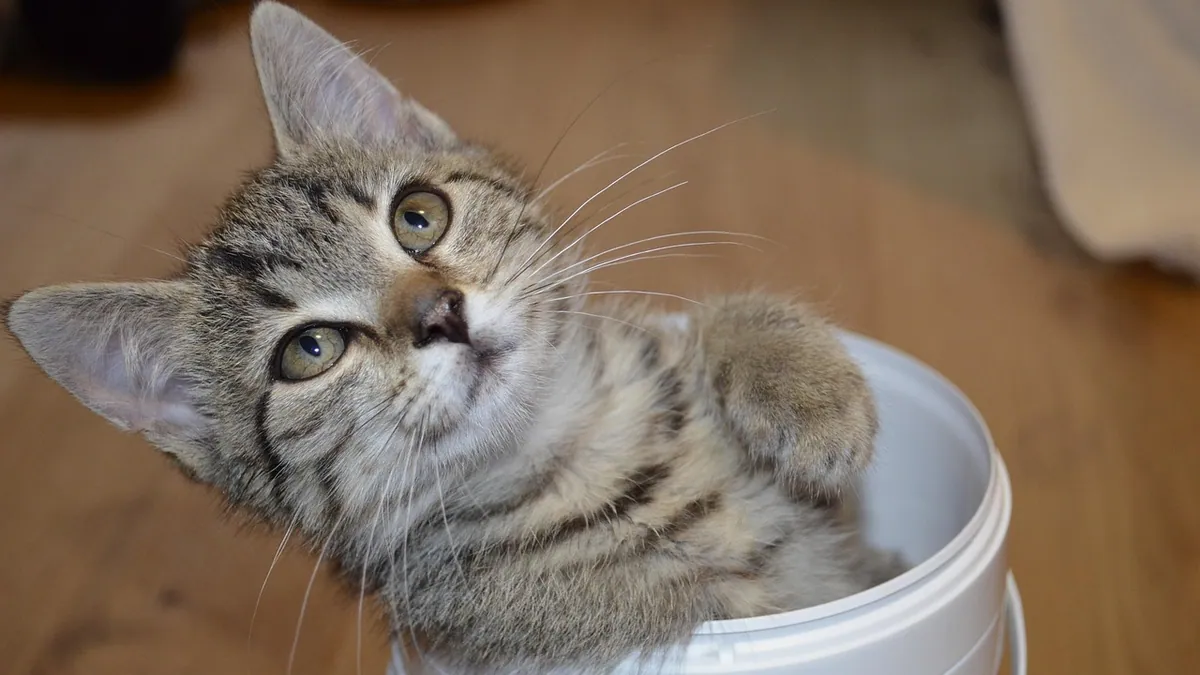
Cat diarrhea on hydrolyzed food is frustrating, especially when the diet was supposed to fix the problem. A hydrolyzed diet breaks proteins into pieces too small to trigger most allergic reactions, so it often helps cats with food-responsive gut disease. When diarrhea continues or starts after the switch, the cause is usually something you and your veterinarian can still work through.
This article is educational and is not a substitute for veterinary diagnosis or treatment.
Quick Answer
- A hydrolyzed diet trial needs time. Many cats improve over weeks, not days, and stool quality can lag behind other signs.
- Diarrhea that starts right after the switch is often from the diet change itself, not the diet's protein type [1].
- A true elimination diet trial fails for three common reasons: other food eaten, treats or flavored medications, and stopping too early [2].
- Some cats with chronic enteropathy do not respond to hydrolyzed protein at all and need a different diet strategy [3][4].
- Any cat with blood in the stool, repeated vomiting, lethargy, or weight loss needs veterinary care, not a longer wait at home.
What Cat Diarrhea Looks Like and What Is Normal
Normal cat stool is firm, log-shaped, and easy to pick up. It holds its shape and does not leave a wet ring on the litter. Cats usually pass one or two stools a day, and the color is medium brown.
Diarrhea means more frequent passage of watery stool, sometimes gray or yellow and unusually foul smelling [1]. The large intestine helps maintain fluid and salt balance, absorbs nutrients, and stores feces, so when it is damaged by illness, parasites, or other causes, diarrhea is often the result [5].
Veterinarians sort diarrhea into two broad patterns because the pattern points to where the problem sits.
- Small bowel diarrhea: large volume, soft or watery, often with weight loss and increased appetite.
- Large bowel diarrhea: small volume, frequent, with mucus, fresh blood, or straining.
Your description of the stool helps your veterinarian choose tests. Take a photo of the stool and note how many times a day your cat goes.
Why Cat Diarrhea on Hydrolyzed Food Happens
The diet change itself
An abrupt change in diet can cause diarrhea for a few days [1]. If you switched from your cat's old food to the hydrolyzed diet in one meal, the gut may simply need to adjust. Stress can do the same thing, including a long car trip or a weekend at a clinic [1].
The trial was not strict enough
Elimination diet trials with dietary provocation remain the gold standard for diagnosing adverse food reactions, and hydrolyzed diets are a practical first-line option [2]. The trial only works if your cat eats nothing else. One lick of a housemate's food, a flavored treat, or a chewable medication with animal protein can restart the reaction.
The problem is not food-related
Hydrolyzed protein diets are used widely to treat chronic enteropathy in cats, but not every cat responds [3]. Chronic diarrhea has many causes, and the mechanisms include osmotic and secretory diarrhea, impaired intestinal barrier function, and abnormal intestinal motility [6]. If the underlying cause is parasites, bacterial imbalance, or another disease, the diet alone will not fix it.
The gut bacteria are out of balance
Cats with diarrhea often have shifts in their gut bacteria, including overgrowth of certain Gram-negative organisms that can provoke inflammation and weaken the intestinal barrier [7]. Probiotic support has been studied in cats with mild diarrhea, where one strain was linked to lower inflammatory markers and improved barrier markers over a 42-day period [8]. Diet changes alone may not correct this.
Fiber and fat content do not match the cat
Soluble fiber is often added to the diet when feeding resumes, and the dose can often be reduced or eliminated over time [5]. Some cats with large bowel diarrhea do better with added fiber, while others need fat moderation or a highly digestible diet [4]. A hydrolyzed diet that is low in fiber may not suit a cat whose colon is the main problem.
The cat needs a different diet approach
Dietary strategies for chronic enteropathy include high digestibility, novel ingredients, hydrolyzed protein, fat moderation, and fiber enrichment [4]. The best choice is found after a nutritional assessment, and it often takes several diet trials before success [4]. One reported case of chronic, nonresponsive enteropathy improved after the cat was moved to a high-protein, low-carbohydrate commercial veterinary therapeutic diet with mixed protein sources, with psyllium husk added later to improve stool quality [9].
Causes of Diarrhea in Cats on a Hydrolyzed Diet
| Cause | Typical clues | How urgent |
|---|---|---|
| Diet transition effect | Loose stool within 1 to 3 days of the switch, cat otherwise bright | Routine, call your vet if it lasts more than 2 days |
| Hidden protein exposure | Diarrhea improves then worsens, treats or table food in the house | Routine, restart the strict trial |
| Food-responsive enteropathy not yet controlled | Gradual improvement over weeks, then plateau | Routine, recheck with your vet |
| Parasites | Diarrhea with mucus or blood, possible weight loss | Same-day visit for a fecal test |
| Bacterial imbalance or dysbiosis | Chronic soft stool, gas, variable appetite | Routine to same-day depending on severity |
| Non-food chronic enteropathy | Weight loss, vomiting, poor coat, no response after a full trial | Same-day or urgent visit |
| Other illness (organ disease, cancer, endocrine) | Vomiting, lethargy, drinking more, weight loss | Same-day or emergency depending on signs |
Red Flags That Mean Emergency Care
Some signs mean you should stop waiting and get help now.
- Blood in the stool, or black tarry stool
- Repeated vomiting, especially with a swollen or painful belly
- Lethargy, weakness, or collapse
- Not eating for more than 24 hours
- Straining to defecate with no stool produced
- Diarrhea in a kitten, a senior cat, or a cat with another chronic disease
- Signs of dehydration: tacky gums, skin that stays tented, sunken eyes
Diarrhea can be a manifestation of a deeply rooted, possibly life-threatening condition [1]. Do not treat these signs at home.
Safe Things You Can Do at Home While Waiting
Keep a stool and food log
Write down the time of each stool, its consistency, color, and any mucus or blood. Note everything your cat eats, including treats, human food, and supplements. This log is one of the most useful things you can bring to the appointment.
Make the transition gradual if you have not already
If your cat is still eating some of the old food, mix the new diet in slowly over several days. If your cat is already on 100 percent hydrolyzed food and the diarrhea started with the switch, call your veterinarian before changing anything again.
Stop all extras
No treats, no table food, no flavored toothpaste, no chewable supplements, and no flavored medications unless your veterinarian approves them. Ask whether any of your cat's medications contain animal protein.
Keep fresh water available
Cats with diarrhea lose fluid. Offer fresh water in a clean bowl, and consider adding a second water station away from the litter box.
Do not give human diarrhea medications
Over-the-counter human antidiarrheal products are not dosed for cats and can be dangerous. Your veterinarian may add an antibiotic, an anti-inflammatory medication, or a short-term medication to thicken the feces while inflammation is brought under control [5]. Those decisions belong to your vet.
Protect the litter box routine
Keep the box clean and in a quiet spot. Stress can trigger loose stool, so keep changes in the household to a minimum during the trial [1].
If your cat has chronic gut disease and you are also managing other conditions, these guides may help you see how diet choices overlap: IBD Diet for Cats: Hydrolyzed Novel Protein and B12 Injections, Diabetes Diet for Cats: High-Protein Low-Carb Remission Diet, and Cat Diarrhea Treatment.
What Your Veterinarian Will Check and Test
History and physical exam
Your vet will ask about the diet timeline, every food and treat your cat receives, and the stool pattern. The physical exam checks hydration, body weight and muscle condition, abdominal pain, and the coat and skin.
Fecal testing
Fecal flotation and other stool tests look for parasites. Antiparasitic medications may be recommended based on the results [5].
Blood work
A complete blood count and chemistry panel screen for organ disease, electrolyte problems, and inflammation. Your vet may also check cobalamin (vitamin B12) and folate, which reflect intestinal absorption.
Diet trial review
Your vet will confirm whether the trial was strict and long enough. If food allergy is still suspected, the next step may be a different hydrolyzed diet, a novel protein diet, or a homemade elimination diet [4]. Novel protein sources such as lamb, venison, or rabbit have traditionally been used to identify food allergies [5].
Imaging and further testing
Abdominal ultrasound or radiographs can look for masses, thickened bowel, or other structural problems. In some cats, intestinal biopsies are needed.
Treatment adjustments
Treatment is based on the cause of inflammation, and the underlying cause should be identified and treated when possible [5]. Your vet may add fiber, change the fat level, add a probiotic, or adjust medications. In one reported case, a cat with nonresponsive enteropathy and diabetes improved after a diet change to a high-protein, low-carbohydrate therapeutic diet, with psyllium husk added later for stool quality [9].
Prevention and Monitoring
Run the trial like a study
Set a start date and an end date with your veterinarian. Record every food item. If anyone in the house feeds your cat, tell them the rules.
Weigh your cat regularly
Weight loss is one of the clearest signs that a diet is not working. A baby scale or a monthly weigh-in at the clinic gives you objective data.
Watch the whole cat, not only the stool
Appetite, energy, coat quality, and vomiting matter as much as stool consistency. Soft stools can persist for months even when other signs improve, as in the reported case where normalization occurred gradually [9].
Recheck on schedule
Follow-up visits let your vet adjust the plan before a small problem becomes a big one. If your cat has other diet-related conditions, these articles cover related ground: Weight Loss Diet for Cats: Protein-Sparing Deficit and Monitoring and Cat Urinary Tract Diet.
Know when to change course
If a strict trial has run its full course with no improvement, that is information, not failure. It means the problem is likely not food-responsive, or the diet choice needs to change [3][4].
Limitations and When to Contact a Veterinarian
This article gives general information. Your cat's individual case needs a veterinarian who can examine your cat, review the diet history, and run tests.
Contact your veterinarian the same day if your cat has blood in the stool, has vomited more than twice, is eating less than half of normal, or has had diarrhea for more than 48 hours.
Go to an emergency clinic now if your cat is lethargic, weak, collapsing, has a painful or swollen abdomen, is straining with no stool, or shows signs of dehydration.
Schedule a routine visit if the diarrhea is mild but has lasted more than a few days, if your cat is losing weight, or if you are unsure whether the hydrolyzed diet trial was strict enough.
Frequently Asked Questions
How long should a hydrolyzed diet trial last before I give up?
Most veterinarians recommend a strict trial of several weeks, and some cats need longer. Dietary management often requires several diet trials before success, so a single failed attempt does not mean diet will not work [4]. Ask your veterinarian to set a specific recheck date so you are not guessing.
Can a hydrolyzed diet itself cause diarrhea in my cat?
Yes, a sudden switch to any new food can cause loose stool for a few days [1]. If the diarrhea started within a day or two of the switch and your cat is otherwise well, tell your vet before you change foods again.
What if my cat's diarrhea got better and then came back on the hydrolyzed diet?
That pattern usually means something else entered the diet, such as a treat, a flavored medication, or another pet's food. Elimination diet trials depend on strict control of everything your cat eats [2]. Review every item with your veterinarian and restart the strict phase.
Does my cat need a probiotic with the hydrolyzed diet?
Not always, but probiotics are sometimes used to support gut health in cats with diarrhea. One studied strain was linked to lower inflammatory markers and improved intestinal barrier markers in cats with mild diarrhea over a 42-day period [8]. Ask your veterinarian which product, if any, fits your cat's case.
When should I ask about a different diet instead of continuing the hydrolyzed food?
Ask at your next recheck if your cat is not improving after a full, strict trial. Options include novel protein diets, fiber-enriched diets, fat-modified diets, and homemade diets when commercial options do not meet your cat's needs [4]. Some cats with chronic enteropathy simply do not respond to hydrolyzed protein and need another strategy [3].
Related Articles
- IBD Diet for Cats: Hydrolyzed Novel Protein and B12 Injections
- Weight Loss Diet for Cats: Protein-Sparing Deficit and Monitoring
- Diabetes Diet for Cats: High-Protein Low-Carb Remission Diet
- Cat Urinary Tract Diet
- Cat Diarrhea Treatment
- Cat Kidney Diet Food
- Cat Allergic to Protein: Hydrolyzed Diets Explained
- Cat Hydrolyzed Protein Diet: Wet Food and Treats
- Cat Diarrhea With No Diet Change: Why It Happens
References
- Diarrhea. Cornell University College of Veterinary Medicine.
- Adverse Food Reactions in Dogs and Cats. The Veterinary clinics of North America. Small animal practice, 2026.
- The effects of a hydrolyzed protein diet on the plasma, fecal and urine metabolome in cats with chronic enteropathy. Scientific reports, 2023.
- Dietary Approach to Chronic Enteropathy in Dogs and Cats. The Veterinary clinics of North America. Small animal practice, 2026.
- Disorders of the Stomach and Intestines in Cats - Cat Owners. Merck Veterinary Manual.
- Feline chronic diarrhea: causes and nutritional management. Veterinary and animal science, 2026.
- Gram-Negative Bacterial Overgrowth Predominated by: Potential Association with Intestinal Barrier Impairment and Inflammatory Diarrhea in Cats. Veterinary sciences, 2026.
- The Effects of Dietary Enterococcus faecalis HHP003 Supplementation on Gut Microbiota Composition and Gut Health in Cats with Mild Diarrhea. Animals : an open access journal from MDPI, 2026.
- Nutritional management of feline chronic enteropathy with evolving dietary response and long-term stabilization. The Canadian veterinary journal = La revue veterinaire canadienne, 2026.