Gastroenteritis in Cats: Causes and Diet Choices
By Dr. Zubair Khalid, DVM, MS, PhD ·
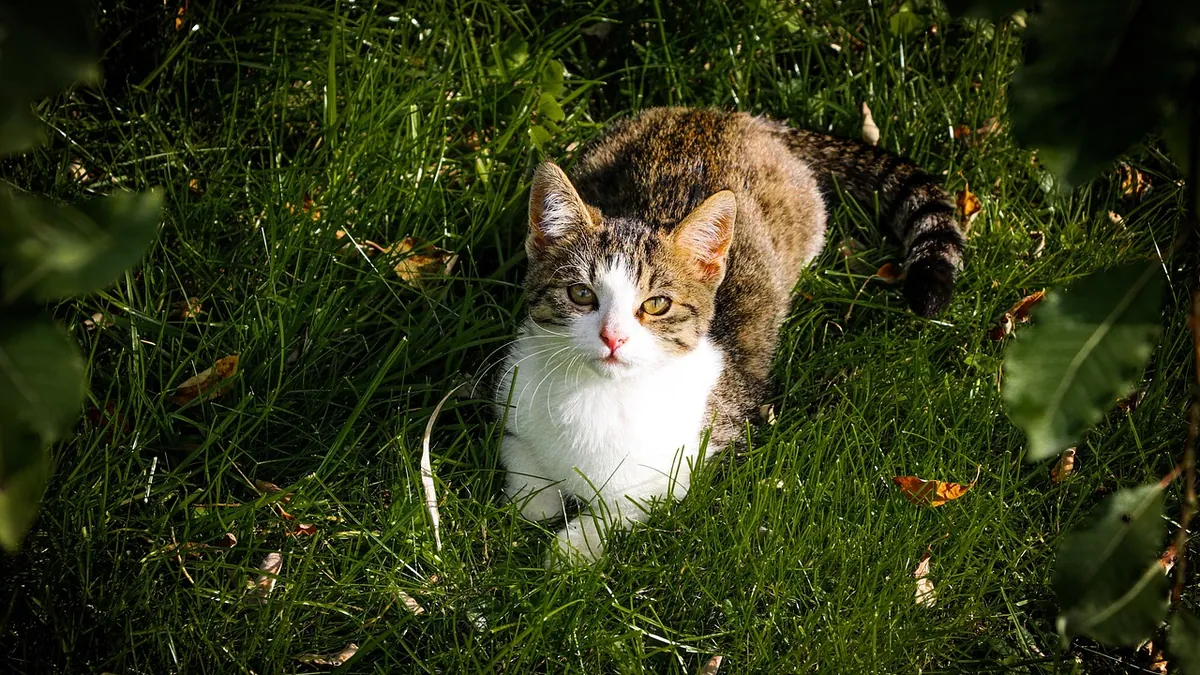
Gastroenteritis in cats means inflammation of the stomach and intestines, and it shows up as vomiting, diarrhea, or both. The most common triggers are sudden diet changes, spoiled or rich food, infections, and stress. This article explains what causes cat gastroenteritis and how to feed your cat through recovery.
This article is educational and is not a substitute for veterinary diagnosis or treatment.
Quick Answer
- Most mild cases in adult cats improve with supportive care, including fluids and a gentle diet, and often do not need antibiotics [1].
- Sudden food changes, fatty table scraps, and spoiled food are common dietary triggers, while viruses, bacteria, and parasites cause infectious cases [2].
- A short course of a bland, highly digestible diet is a reasonable first step for mild stomach upset, but a veterinarian should guide the plan if signs last more than 24 to 48 hours.
- Prescription gastrointestinal diets are designed for cats with more serious or long-lasting disease, and the right one depends on the diagnosis [3].
- Red flags like repeated vomiting, blood in stool, lethargy, or refusal to eat mean you should call a veterinarian right away.
What Gastroenteritis Means in Plain Words
Gastroenteritis is inflammation of the stomach and the intestines at the same time. The stomach lining gets irritated, and the intestinal lining gets irritated too. That combination is why cats with this problem often vomit and have loose stool together [2].
The inflammation can be sudden (acute) or long-lasting (chronic). Acute cases usually come on fast and often settle within a few days. Chronic cases last weeks or keep coming back, and they usually point to a deeper problem that needs a workup [2].
The gut lining is delicate. When it is inflamed, it cannot absorb water and nutrients the way it normally does. That is why dehydration is one of the biggest concerns in any cat with ongoing vomiting or diarrhea.
Signs Owners Notice
Cats are good at hiding illness, so you may see subtle changes first. Watch for:
- Vomiting, which may be food, foam, or yellow bile
- Diarrhea, ranging from soft stool to watery or bloody stool
- Reduced appetite or complete refusal to eat
- Hiding, low energy, or not grooming
- Weight loss over time
- Pain when you touch the belly
- Bad breath or drooling, which can point to nausea
Some cats vomit once and act normal. Others look miserable. The pattern matters. A single soft stool in an otherwise bright cat is very different from repeated vomiting with a cat that will not eat.
If your cat has diarrhea after eating, the timing and the food involved can help your veterinarian narrow down the cause. You can read more about that pattern in Cat Diarrhea After Eating: Causes and When to Act.
What Causes Cat Gastroenteritis?
Causes fall into two broad groups: dietary and infectious. Many cases involve both, because an infection makes the gut more sensitive to food.
Dietary Causes
Diet is one of the most common reasons a cat develops stomach and intestinal upset. Specific triggers include:
- A sudden switch to a new food without a gradual transition
- High-fat foods, table scraps, or greasy people food
- Spoiled food or garbage raiding
- Food intolerance or a true food allergy
- Overeating, especially in cats that gulp their food
- Foreign material or a toxin the cat swallowed
The gut microbiome responds quickly to what a cat eats. A study of healthy cats fed four different prescription diets found that each diet shifted the bacterial populations in the stool in different ways, including changes in Bifidobacterium and other groups [4]. That tells us diet is a real lever on gut health, not a minor detail.
Food allergies are a separate problem from simple intolerance. If you suspect a true allergy, a structured diet trial is the only reliable way to sort it out. See Cat Food Allergies: Signs, Diagnosis, and Safe Diet Trials for how those trials work.
Infectious Causes
Infections are the other major category. Viruses, bacteria, and parasites can all inflame the gut.
Feline panleukopenia virus is one of the most serious viral causes. It hits shelter cats and kittens especially hard, where crowding, shared spaces, and incomplete vaccination raise the risk. Recent work suggests panleukopenia enteritis often happens alongside other viruses and a disrupted gut microbiome, which can make recovery more complicated [5].
Feline bocaparvoviruses are a newer area of study. In one investigation of cats with acute gastroenteritis, bocaparvovirus DNA was found in about 22 percent of samples, with type 1 the most common. Co-infections with feline coronavirus or panleukopenia virus turned up in about 8 percent of samples [6]. This does not prove the virus causes the disease on its own, but it shows these viruses circulate in cats with gut illness.
Bacteria are more complicated than owners expect. A study of 234 cats in multi-cat households looked for several potential disease-causing bacteria in stool and compared them with whether the cats had diarrhea. The findings did not support a simple link between these bacteria and diarrhea in that group [7]. In practice, that means a positive fecal test for a bacterium does not always mean that bacterium is the cause.
Parasites like roundworms and giardia are also common, especially in kittens and cats with outdoor access. If worms are part of the picture, see Cat Diarrhea with Worms: Causes and Treatment Options.
Risk Factors
Some cats are more likely to develop gastroenteritis:
- Kittens and senior cats, whose immune systems are less resilient
- Cats in shelters or multi-cat homes, where infections spread easily [5][7]
- Unvaccinated cats
- Cats with outdoor access or a habit of scavenging
- Cats with a history of food sensitivity
- Cats under stress from moves, new pets, or schedule changes
How Veterinarians Diagnose It
Diagnosis starts with a history and a physical exam. Your veterinarian will ask about diet, recent food changes, vomiting and stool patterns, possible exposures, and vaccination status.
From there, testing depends on how sick your cat is and how long signs have lasted. Common steps include:
- Fecal testing for parasites and infectious agents
- Blood work to check hydration, organ function, and electrolyte balance
- Imaging (X-rays or ultrasound) if a foreign object, mass, or organ problem is suspected
- Viral testing when panleukopenia or another infection is possible
For mild, short-lived cases, extensive testing may not be needed. For cats that are very sick, very young, or not improving, a fuller workup is worth it. Diagnostic testing should be tailored to the individual cat, with the goal of ruling out systemic illness or an infectious cause [1].
Treatment Options
Treatment depends on the cause and severity. Most mild acute cases are managed with supportive care.
Supportive Care
The core of treatment is hydration and nutrition [1]. Cats dehydrate fast when they vomit or have diarrhea, so fluids may be given under the skin or through an IV. Anti-nausea medication can help a cat feel well enough to eat. Your veterinarian calculates the dose based on your cat's weight and health.
Antibiotics are not routine. Current evidence argues against giving antibiotics for uncomplicated acute diarrhea, because they can drive antimicrobial resistance and disrupt the gut microbiome [1]. Targeted antibiotics are reserved for confirmed or strongly suspected bacterial infections.
Diet as Treatment
Diet is one of the most powerful tools you have. The right food at the right time can shorten recovery and prevent relapse.
For chronic enteropathy, dietary strategies include high digestibility, novel ingredients, hydrolyzed protein, moderate fat, and added fiber. The best choice comes after a nutritional assessment, and it often takes several diet trials to find the winner [3]. Commercial therapeutic diets include gastrointestinal, low-fat, elimination, and fiber-enriched options. Homemade diets can work when commercial diets do not fit the patient's needs [3].
Supplements
Prebiotics, probiotics, and postbiotics are getting more attention for mild gut problems. In one study, a supplement combining prebiotics (baobab fruit pulp and acacia gum) with postbiotics (inactivated L. helveticus and yeast fractions) was tested over 28 days in dogs and cats with mild digestive signs such as soft stool, more frequent stool, or gas [8]. These products may support digestive function, but they are not a substitute for diagnosing a serious underlying cause.
Diet Choices During Recovery
This is where owners have the most questions, and where small choices make a big difference.
Bland Diet Basics
A bland diet is plain, low in fat, and easy to digest. It gives the inflamed gut a rest while still providing nutrition. The goal is short-term relief, not lifelong feeding.
Key rules:
- Introduce it gradually, in small frequent meals
- Keep it plain, with no seasonings, butter, or oil
- Do not switch foods abruptly if you can avoid it
- Transition back to regular food slowly once signs resolve
If your cat vomits after eating grass or other non-food items, that can be a separate issue from gastroenteritis. Learn the difference in Why Is My Cat vomiting after eating grass? Normal Behavior vs GI Disease.
When to Use a Prescription Diet
Prescription gastrointestinal diets are formulated for cats with significant or ongoing gut disease. They tend to be highly digestible and may be low in fat, enriched with fiber, or built around hydrolyzed protein [3].
Your veterinarian picks the type based on the diagnosis. A cat with fat intolerance needs a different diet than a cat with fiber-responsive colitis or a suspected protein allergy. There is no single "best" prescription diet for every cat.
Comparing Diet Options
| Diet Type | Best For | Key Features | Notes |
|---|---|---|---|
| Bland home diet | Mild, short-term upset | Plain, low fat, easy to digest | Short-term only, not balanced long term |
| Commercial GI diet | Recovery and mild chronic signs | High digestibility, moderate fat | Widely used first-line option [3] |
| Low-fat GI diet | Fat intolerance, some chronic cases | Restricted fat | Needs veterinary guidance [3] |
| Hydrolyzed protein diet | Suspected food allergy | Proteins broken into tiny pieces | Used for elimination trials [3] |
| Fiber-enriched diet | Large bowel signs, colitis | Added soluble or insoluble fiber | Fiber type matters [3] |
| Homemade diet | When commercial diets fail | Custom recipe | Must be balanced by a professional [3] |
Feeding Schedule Tips
- Offer small meals several times a day instead of one large meal
- Warm food slightly to improve smell and appetite
- Remove uneaten food after about 20 minutes
- Keep fresh water available at all times
- Do not free-feed during recovery, since it hides how much your cat eats
Recovery, Outlook, and Long-Term Management
Most uncomplicated acute cases improve within a few days with supportive care [1]. The outlook is good when the underlying cause is identified and managed.
Chronic cases need a longer view. If your cat has repeated bouts, your veterinarian will likely recommend a systematic diet trial and may revisit the diagnosis if signs persist [3]. Some cats do well on a therapeutic diet for life. Others need medication alongside diet.
Track your cat's weight, appetite, stool quality, and energy at home. That record helps your veterinarian adjust the plan and spot relapse early.
Prevention
You cannot prevent every case, but you can lower the odds:
- Transition to new food over 7 to 10 days, mixing old and new
- Keep table scraps and fatty people food away from your cat
- Store food properly and discard spoiled or expired cans
- Keep vaccinations current, especially for panleukopenia
- Control parasites with a veterinarian-recommended schedule
- Reduce stress during changes like moves or new pets
- Keep multi-cat households clean, with separate food and water stations
Limitations and When to Contact a Veterinarian
This article covers general information only. Every cat is different, and individual cases need a veterinarian who can examine your cat, run tests if needed, and set a treatment plan.
Contact a veterinarian the same day if your cat:
- Vomits more than 2 to 3 times in a day
- Has diarrhea lasting more than 24 hours
- Refuses to eat for more than 24 hours
- Seems painful when you touch the belly
- Is a kitten, senior, or has a chronic illness
Go to an emergency clinic now if your cat:
- Vomits repeatedly and cannot keep water down
- Has blood in vomit or stool
- Is weak, collapsing, or unresponsive
- Shows signs of severe dehydration (tacky gums, skin that stays tented)
- May have swallowed a foreign object or toxin
For suspected poisoning in the United States, call the ASPCA Animal Poison Control Center at (888) 426-4435 or the Pet Poison Helpline at (855) 764-7661. These may charge a consultation fee.
Frequently Asked Questions
How long does gastroenteritis last in cats?
Most mild acute cases improve within a few days with supportive care and a gentle diet. If signs last longer than 48 hours or keep returning, your cat needs a veterinary exam to look for an underlying cause.
Can I feed my cat chicken and rice for gastroenteritis?
Plain boiled chicken and rice is a common short-term bland option for mild upset. It is not balanced for long-term feeding, so use it only briefly and ask your veterinarian how long it fits your cat's situation.
Is wet food or dry food better for a cat with stomach upset?
Either can work if it is highly digestible and low in fat. Wet food can help with hydration and is often more appealing to a nauseated cat. Your veterinarian can recommend a specific texture and formula based on your cat's diagnosis.
Should I withhold food from my cat with vomiting and diarrhea?
Brief fasting is sometimes suggested, but current guidance favors early nutrition and hydration over prolonged fasting [1]. Ask your veterinarian how long to pause food, if at all, and when to restart small meals.
Can stress cause gastroenteritis in cats?
Stress can trigger or worsen gut signs, especially in multi-cat homes or after big changes. Managing stress with routine, quiet spaces, and slow introductions supports recovery alongside diet and any medical treatment.
Related Articles
- Cat Diarrhea After Eating: Causes and When to Act
- Cat Diarrhea with Worms: Causes and Treatment Options
- Why Is My Cat vomiting after eating grass? Normal Behavior vs GI Disease
- Cat Diarrhea: Causes, Home Care, and When to Worry
- Cat Food Allergies: Signs, Diagnosis, and Safe Diet Trials
- Why Is My Cat Not Eating? A Vet-Reviewed Guide for Pet Owners
- IBD in Cats: Symptoms, Causes, and Diet Options
- Cat Gastroenteritis: Home Treatment and Medicines
- Cat Food for GI Issues: Choosing a Gentle Diet
- Intestinal Parasites in Dogs and Cats: Identification, Symptoms, and Treatment Options
References
- From Diagnosis to Resolution: A Practical Guide to Acute Diarrhea in Veterinary Patients. The Veterinary clinics of North America. Small animal practice, 2026.
- Disorders of the Stomach and Intestines in Cats - Cat Owners. Merck Veterinary Manual.
- Dietary Approach to Chronic Enteropathy in Dogs and Cats. The Veterinary clinics of North America. Small animal practice, 2026.
- Comparison of the effects of four commercially available prescription diet regimens on the fecal microbiome in healthy cats. The Journal of veterinary medical science, 2026.
- Gut Microbiome Disruption in Shelter Cats with Feline Panleukopenia: Virome Co-Detection and Enteric Dysbiosis. Biology, 2026.
- Feline bocaparvovirus in domestic cats with gastrointestinal disease. Veterinary journal (London, England : 1997), 2026.
- Presence of Potential Enteropathogenic Bacteria in Cats and Association With Diarrhea in Multicat Households. Journal of veterinary internal medicine, 2025.
- Beneficial effects of a prebiotic-postbiotic supplement on digestive health and fecal microbiota in dogs and cats. Frontiers in veterinary science, 2026.