Cat Food for GI Issues: Choosing a Gentle Diet
By Dr. Zubair Khalid, DVM, MS, PhD ·
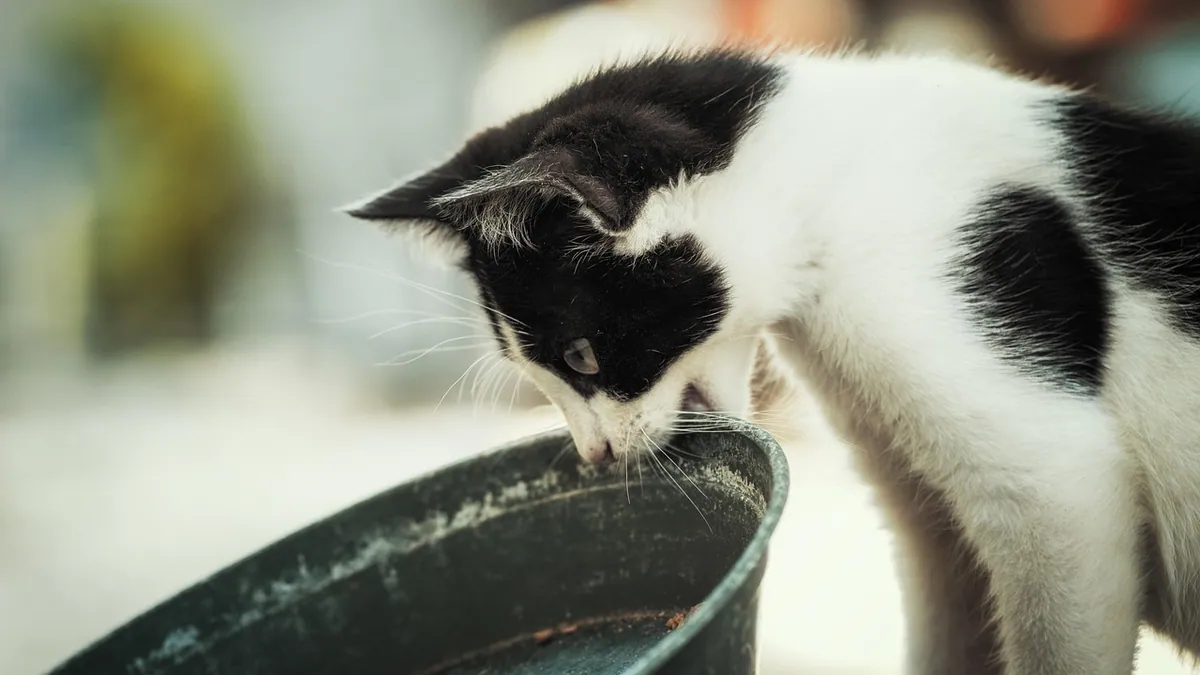
Vomiting, diarrhea, or a sudden loss of appetite often points to a problem somewhere in your cat's digestive tract. The right cat food for gastrointestinal issues can calm that tract, replace lost nutrients, and sometimes resolve the problem on its own. Choosing well means matching the diet to the cause, and knowing when food alone will not be enough.
This article is educational and is not a substitute for veterinary diagnosis or treatment.
Quick Answer
- A highly digestible diet is usually the first step for short-term vomiting or diarrhea, and many cats improve on diet alone [1][2].
- If food allergy or chronic inflammation is suspected, your vet may suggest a novel protein (such as lamb, venison, or rabbit) or a hydrolyzed protein diet [1][2].
- Diet trials need time. Plan on at least two weeks before judging results, and sometimes several different diets before you find the right one [2][3].
- Fiber helps some cats, especially those with constipation, and the amount can often be reduced over time [1][4].
- Diet is not always enough. Medication, parasite treatment, or further testing may be needed, so call your vet if signs persist or worsen [1].
What Counts as a Gastrointestinal Issue in Cats
The digestive system runs from the mouth through the esophagus, stomach, liver, pancreas, intestines, rectum, and anus [5]. It handles four jobs: digestion, nutrient absorption, movement of food through the tract, and elimination of waste [5]. When any part of that chain misfires, you see the signs owners know well: vomiting, diarrhea, poor appetite, weight loss, or constipation.
These signs are among the most common reasons cat owners make non-routine vet appointments [2]. That matters because the cause could sit inside the gut or come from somewhere else entirely, such as the liver, pancreas, or a metabolic problem [2]. Food can help many of these cases, but it cannot fix every one of them.
Cat Food for GI Issues: The Main Diet Types
Veterinarians reach for a few broad categories of food when the gut is unhappy. Each one targets a different problem.
Highly Digestible Diets
These foods are built so the intestines do less work. The ingredients are easy to break down and absorb, which gives an inflamed gut a chance to rest and recover. They are the usual starting point for short-term vomiting or diarrhea, and cats with some types of intestinal inflammation respond to dietary management alone [1][2].
Novel Protein Diets
A novel protein is one your cat has never eaten before. Common choices include mutton, lamb, venison, or rabbit [1]. The idea is simple: if your cat's gut is reacting to a protein it has seen many times (like chicken or beef), switching to something new removes the trigger. Your vet may recommend this approach specifically to identify a food allergy [1].
Hydrolyzed Protein Diets
Hydrolyzed diets take proteins and break them into pieces too small for the immune system to recognize as allergens [2]. These are often used for chronic enteropathy, a long-standing inflammatory condition of the gut. In cats with chronic enteropathy, a hydrolyzed protein diet changed the fecal bacteria population, and about 15 of 33 cats in one study were classified as responders based on their clinical signs after six weeks [6]. That response rate is a useful reality check: these diets help many cats, but not all of them.
Fiber-Enhanced Diets
Fiber is not just for constipation. Soluble fiber is often added to the diet when feeding resumes after a period of gut rest, and the dose can often be reduced or eliminated over time [1]. For chronic constipation, a diet containing 6% psyllium was tested against a control diet with 0.5% psyllium in a six-month trial of client-owned cats [4]. Fiber-enhanced diets are one of the standard options for chronic enteropathy as well [2][3].
Fat-Modified Diets
Fat moderation is another lever vets use, particularly when the pancreas or lymph vessels are involved [3]. Low-fat gastrointestinal diets exist as commercial therapeutic options [3]. Do not cut fat on your own. Cats have specific nutritional needs, and the wrong restriction can cause new problems.
If you want a broader grounding in how feline diets are built, see Cat Food Nutrition: Choosing the Best Diet for Your Feline.
Diet Types at a Glance
| Diet Form | Best For | Notes |
|---|---|---|
| Highly digestible | Short-term vomiting or diarrhea | Often the first diet tried, easy on the gut [1][2] |
| Novel protein | Suspected food allergy | Uses a protein your cat has never eaten, such as lamb or rabbit [1] |
| Hydrolyzed protein | Chronic enteropathy | Proteins broken into small pieces, helped about 15 of 33 cats in one study [2][6] |
| Fiber-enhanced | Constipation, some chronic gut disease | A 6% psyllium diet was tested for chronic constipation [4][2] |
| Fat-modified | Pancreatic or lymphatic involvement | Requires a vet's guidance, not a home guess [3] |
How to Switch Your Cat's Food Safely
A sudden food change can cause diarrhea all by itself, which muddies the picture when you are already dealing with a gut problem. Ask your vet how fast to transition. Some therapeutic diets are designed to be started directly, while others go better with a gradual mix over several days.
Watch the bowl, not just the litter box. A cat that stops eating for even a day or two is at risk, and cats with poor appetite need veterinary attention instead of a wait-and-see approach.
Keep the trial clean. During a diet trial, your cat should eat only the prescribed food. No table scraps, no treats, no flavored medications, and no sneaking food from another pet's bowl. A single bite of the wrong protein can undo weeks of work.
Give it time. Specific diets are typically used for at least two weeks before you judge whether they are working [2]. Chronic cases often need several diet trials before you find the one that fits [3].
What to Avoid
Some foods and habits work against a sensitive gut.
- High-fat table food and greasy scraps. Excess fat can trigger pancreatitis and worsen diarrhea.
- Dairy. Many adult cats do not digest lactose well, and milk or cheese can make diarrhea worse.
- Raw or undercooked meat and eggs. These carry bacterial and parasitic risks, especially for a cat already fighting gut disease.
- Sudden diet changes. These can cause loose stool on their own.
- Human medications. Never give your cat an over-the-counter human anti-diarrheal or antacid unless your vet specifically tells you to. Doses and safe drugs differ completely between species.
- Unapproved supplements and probiotics. Some can help, but the right strain and amount matter. Ask your vet first.
If your cat has a known food allergy, the rules are stricter. Learn the signs and how proper diet trials work in Cat Food Allergies: Signs, Diagnosis, and Safe Diet Trials.
When Diet Alone Is Not Enough
Diet is a powerful tool, but it is not a cure for everything. Treatment is based on the cause of the inflammation, and when possible that cause should be identified and treated directly [1].
Your vet may recommend withholding food for 24 to 48 hours to rest the digestive system before restarting with a gentle diet [1]. This should only be done under veterinary direction, because cats can become seriously ill if they go too long without eating.
Medication often joins the plan. To help signs improve faster, your vet may add an antibiotic or an anti-inflammatory drug along with the diet change [1]. Some cats need short-term medication to firm up the stool until inflammation is controlled, and antiparasitic drugs may be recommended as well [1].
Antibiotics are a good example of why diet and medicine work together. Antibiotics treat infection but can harm stool quality and gut bacteria. In a study of healthy adult cats given metronidazole, a veterinary gastrointestinal diet was tested to see how it affected fecal characteristics, bacterial populations, and metabolites during recovery [7]. The takeaway for owners is that what you feed during and after treatment can shape how well the gut bounces back.
Diet can also support cats with conditions outside the gut. Nutrition plays a role in managing metabolic, kidney, and liver disorders too [8]. If your cat has kidney disease along with digestive signs, a kidney-specific plan may be part of the picture. See Cat Kidney Diet Food for how those diets differ. Urinary diets follow their own rules, covered in Cat Urinary Tract Diet.
Some cats need more than a commercial diet. Homemade diets can be a good option when commercial foods do not meet a patient's needs, but they must be balanced by a veterinarian or board-certified nutritionist [3]. An unbalanced homemade diet can cause serious deficiencies over time.
Limitations and When to Contact a Veterinarian
Diet changes take days to weeks to show results. Some problems cannot wait that long. Individual cases need a veterinarian, and the guidance below is about timing, not diagnosis.
Call your veterinarian the same day if your cat:
- Has vomited more than a few times in 24 hours, or cannot keep water down
- Has diarrhea with blood or black, tarry stool
- Has not eaten for 24 hours or more
- Seems painful, hides, or has a tense abdomen
- Is a kitten, senior, or has another chronic illness
Go to an emergency clinic now if your cat:
- Collapses, breathes rapidly, or has pale gums
- Vomits repeatedly and cannot hold down water
- Has a swollen, hard, or painful belly
- Shows severe weakness or unresponsiveness
Schedule a routine visit if your cat:
- Has soft stool or intermittent vomiting for more than a few days
- Is losing weight despite eating
- Has chronic constipation or strains in the litter box
- Improved on a new diet but the signs keep coming back
Your veterinarian will calculate any medication dose from your cat's weight and health status. Never guess at a dose or reuse a prescription from another pet.
Frequently Asked Questions
How long should I feed a GI diet before expecting improvement?
Plan on at least two weeks for a fair trial, and longer for chronic conditions [2]. Some cats improve within days, while others need several weeks and possibly a different diet. If your cat gets worse at any point, stop waiting and call your vet.
Can I just switch my cat to a sensitive stomach food from the pet store?
You can, but a store-bought sensitive stomach food is not the same as a therapeutic diet. Prescription gastrointestinal diets are formulated for specific conditions and are often the better choice for true GI disease [3]. Ask your vet which category fits your cat's signs.
Is fiber good or bad for a cat with diarrhea?
It depends on the problem. Soluble fiber is often added when feeding resumes after gut rest, and the amount can often be reduced later [1]. Fiber-enhanced diets are also used for chronic enteropathy and constipation [4][2][3]. Your vet will match the fiber level to your cat's specific issue.
My cat has chronic enteropathy. Will a hydrolyzed diet always work?
No. In one study, about 15 of 33 cats with chronic enteropathy responded to a hydrolyzed protein diet based on clinical signs, while the rest did not [6]. Responders and non-responders also differed in their gut bacteria [6]. If your cat does not respond, your vet will consider other diets or additional treatment.
Can I add psyllium to my cat's food on my own?
Only with your vet's guidance. Psyllium has been studied in cats, including a diet containing 6% psyllium for chronic constipation [4], and it has been added to improve stool quality in individual cases [9]. The right amount depends on your cat's condition, and too much can cause its own problems.
Related Articles
- Cat Food Nutrition: Choosing the Best Diet for Your Feline
- Cat Kidney Diet Food
- Cat Urinary Tract Diet
- Cat Food Allergies: Signs, Diagnosis, and Safe Diet Trials
- Cat Food
- Urinary Tract Cat Food
- Cat Gastritis: Soothing an Upset Stomach and Diet Changes
- Gastroenteritis in Cats: Causes and Diet Choices
- IBD in Cats: Symptoms, Causes, and Diet Options
References
- Disorders of the Stomach and Intestines in Cats - Cat Owners. Merck Veterinary Manual.
- The Use of Diets in the Diagnosis and Treatment of Common Gastrointestinal Diseases in Dogs and Cats. Advances in experimental medicine and biology, 2024.
- Dietary Approach to Chronic Enteropathy in Dogs and Cats. The Veterinary clinics of North America. Small animal practice, 2026.
- A psyllium-supplemented gastrointestinal diet is effective for the management of chronic constipation in cats: a 6-month controlled clinical trial. Journal of feline medicine and surgery, 2026.
- Introduction to Digestive Disorders of Cats - Cat Owners. Merck Veterinary Manual.
- The effect of a hydrolyzed protein diet on the fecal microbiota in cats with chronic enteropathy. Scientific reports, 2022.
- Effects of a veterinary gastrointestinal diet on fecal characteristics, metabolites, and microbiota concentrations of adult cats treated with metronidazole. Journal of animal science, 2024.
- Dietary Modulation of the Gut Microbiota in Dogs and Cats and Its Role in Disease Management. Microorganisms, 2025.
- Nutritional management of feline chronic enteropathy with evolving dietary response and long-term stabilization. The Canadian veterinary journal = La revue veterinaire canadienne, 2026.