Cat Diarrhea After Changing Food: Causes and Fixes
By Dr. Zubair Khalid, DVM, MS, PhD ·
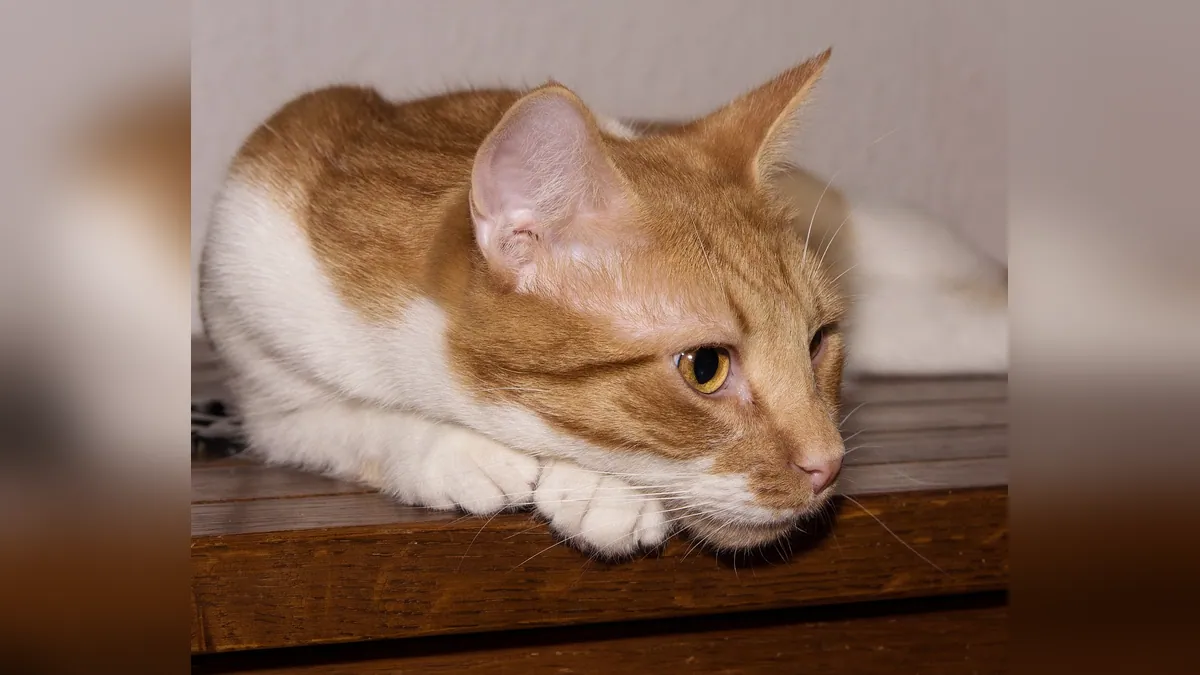
Cat diarrhea after changing food is common and usually short lived. When you swap diets too fast, your cat's gut bacteria and digestive enzymes need time to adjust, and loose stools are the result. Most mild cases settle within a few days once the gut catches up or you slow the transition down.
This article is educational and is not a substitute for veterinary diagnosis or treatment.
Quick Answer
- A sudden switch to a new food is a well-recognized cause of short-term diarrhea in cats, often lasting a few days [1].
- The fix is usually a slow transition, mixing a small amount of the new food into the old food and increasing it gradually over one to two weeks.
- Kittens are at higher risk because their digestive systems are still adjusting to solid food [1].
- Stop the new food and call your vet if you see blood, black tarry stool, repeated vomiting, lethargy, or diarrhea lasting more than 48 hours.
- Never give human anti-diarrheal medicine to a cat unless your veterinarian specifically prescribes it and calculates the dose for your cat's weight and health.
What Cat Diarrhea After a Food Change Looks Like
Diarrhea means stools that are more frequent, more watery, or both. The color may be odd, such as gray or yellow, and the smell can be unusually strong [1]. You may find soft piles in the litter box, accidents outside the box, or stool stuck to your cat's rear end.
A single soft stool is not the same as diarrhea. True diarrhea involves repeated loose or watery bowel movements. Mild cases often clear on their own or with a diet adjustment [1].
What Normal Cat Stool Looks Like
Normal cat stool is firm, log shaped, and easy to scoop. It holds its form and does not leave a lot of residue on the litter scoop. Color ranges from light to dark brown.
Any sudden change in frequency, consistency, color, or smell is worth watching. If your cat otherwise acts normal (eating, drinking, playing, grooming), a brief bout of loose stool after a diet change is less alarming.
Why Changing Food Causes Diarrhea in Cats
Your cat's digestive tract hosts a large community of bacteria that help break down food and keep the gut healthy. The large intestine absorbs fluid and nutrients and houses these bacteria [2]. When the food changes, the mix of nutrients reaching that bacterial population changes too.
Diet strongly influences gut bacteria. The amount of protein, fat, and carbohydrates, plus the fiber content, all shape which bacteria thrive [3]. A sudden shift can throw that balance off, and loose stool follows.
The gut also needs time to ramp up the enzymes that digest a new recipe. A food with more fat or different protein sources than your cat is used to can move through the system faster than the gut can handle.
Kittens Are More Sensitive
Kittens may be at higher risk for diarrhea because their digestive systems are still adjusting to solid food [1]. If a kitten gets sick after changing food, treat it as more urgent than you would for a healthy adult cat. Kittens dehydrate faster.
Stress Can Add to It
Stress alone can cause a brief episode of loose bowels. A long car trip or a weekend stay at a veterinary clinic can do it [1]. If your cat is stressed and you also changed the food, the two can stack up.
Main Causes of Diarrhea After a Diet Change
| Cause | Typical clues | How urgent |
|---|---|---|
| Too-fast transition | Loose stool starts 1 to 3 days after the new food, cat acts normal otherwise | Usually not urgent, slow the transition |
| Food intolerance or sensitivity | Diarrhea returns every time that food or ingredient is fed | Routine vet visit |
| Food allergy | Diarrhea plus itching, hair loss, or skin problems | Routine vet visit |
| Bacterial or parasitic infection | Diarrhea with blood, mucus, fever, or lethargy | Same-day vet visit |
| Stress colitis | Loose stool around travel, boarding, or household changes | Usually not urgent unless it persists |
| Underlying chronic colitis | Long-term or repeating diarrhea, often in middle-aged cats | Routine vet visit with testing |
Food Intolerance and Allergy
An intolerance means your cat's gut cannot handle a specific ingredient well. An allergy is an immune reaction. Colitis (inflammation of the colon) can have allergic causes, and an exaggerated reaction to dietary factors inside the intestine is one suspected trigger [2].
If diarrhea shows up every time your cat eats a certain food and clears when you stop it, that pattern points toward a dietary problem. Your veterinarian can use food trials to help diagnose some causes of colitis [2].
Infection or Parasites
Not every bout of diarrhea after a food change is caused by the food. The timing can be a coincidence. When the large intestine is damaged by illness, parasites, or other causes, diarrhea is often the result [2].
Bacterial overgrowth is one area researchers study. Diarrhea in cats is common in homes with multiple cats, and fecal testing is often used to look for bacteria that can cause disease [4]. Gram-negative bacterial overgrowth has been linked to intestinal barrier problems and inflammatory diarrhea in cats [5].
If you have more than one cat and several have loose stool, infection becomes more likely and worth testing.
Chronic Colitis
Cats with chronic colitis tend to be middle-aged and are often purebred [2]. In most cases the cause is unknown. Bacterial, parasitic, traumatic, kidney-related, and allergic causes are all suspected [2].
Chronic diarrhea has many possible underlying conditions, and the mechanisms are complex. They include osmotic and secretory diarrhea, a leaky intestinal barrier, and abnormal gut motility [6]. This is why long-running diarrhea needs a real diagnosis, not just a food swap.
Red Flags: When Diarrhea Is an Emergency
Call your veterinarian right away or go to an emergency clinic if you see any of these:
- Blood in the stool, or black tarry stool
- Repeated vomiting along with the diarrhea
- Your cat refuses to eat or drink for more than 12 to 24 hours
- Lethargy, weakness, hiding, or not responding to you
- Diarrhea that lasts more than 48 hours in an adult cat
- Any diarrhea in a kitten, especially with vomiting or poor appetite
- Signs of dehydration: tacky gums, skin that stays tented when gently pinched, sunken eyes
- Straining to defecate with little or nothing coming out
Diarrhea can sometimes be a sign of a serious, even life-threatening condition [1]. You cannot tell the difference at home from the stool alone. When in doubt, call.
Safe Things You Can Do at Home
Slow the Transition Down
If your cat was fine before the new food and got loose stool after, go back to the old food or to a mix that is mostly old food. Then restart the transition more slowly. A common approach is to start with about 10 to 20 percent new food mixed into the old food, hold that ratio for several days, and increase only when stools stay firm.
Keep Water Available
Diarrhea pulls fluid out of the body. Offer fresh water in several spots and consider a water fountain if your cat likes moving water. Wet food also adds moisture.
Do Not Withhold Food Without Veterinary Advice
Adult cats should not go without food for long stretches. Skipping meals can cause serious liver problems in cats. If your cat will not eat, that is a reason to call the vet, not a home remedy.
Skip Home Remedies and Human Medicines
Do not give human anti-diarrheal drugs, antibiotics, or probiotics without asking your veterinarian first. Doses for cats are calculated by your veterinarian based on your cat's weight and health, and some human products are toxic to cats.
Probiotics are being studied in cats with mild diarrhea. In one trial, a specific Enterococcus faecalis strain was linked to lower inflammatory markers and improved gut barrier markers in cats with mild diarrhea [7]. That does not mean any probiotic off the shelf will help, and the right product and dose should come from your veterinarian.
Keep Notes
Write down when the diarrhea started, how many stools per day, what they look like, what your cat is eating, and any other symptoms. This history helps your veterinarian narrow things down fast.
If the diarrhea started after a new medication instead of a new food, see What to Do If Your Cat Has Diarrhea After Starting a New Medication. If your cat swings from diarrhea to difficulty passing stool, read Cat Constipation After Diarrhea: Causes and Relief.
How to Switch Cat Food the Right Way
A slow transition is the single best way to prevent cat diarrhea from a food change.
- Days 1 to 3: mix about one part new food to four parts old food.
- Days 4 to 6: move to about one part new to three parts old.
- Days 7 to 9: go to about half and half.
- Days 10 to 12: use about three parts new to one part old.
- Days 13 to 14: switch fully to the new food.
If stools get loose at any step, hold at the current ratio for a few extra days or back up one step. Some cats with sensitive stomachs need three to four weeks.
Tips for a Smoother Switch
- Change only one thing at a time. Do not switch food and add new treats in the same week.
- Keep treats consistent during the transition.
- Warm wet food slightly to boost the smell if your cat is picky.
- Feed at the same times each day.
- If your cat refuses the new food entirely, do not force it. Talk to your veterinarian about a different option.
For a broader look at loose stools in cats, including causes beyond diet, see Cat Diarrhea: Causes, Home Care, and When to Worry.
What Your Veterinarian Will Check
Your veterinarian will start with detailed questions about your cat's history and a full physical examination [2]. Expect questions about the diet change, timing, stool appearance, appetite, water intake, and any other pets in the home.
Depending on what they find, testing may include:
- Blood, urine, and fecal samples [2]
- Abdominal x-rays or ultrasound [2]
- Endoscopy or biopsies in some cases [2]
- Food trials to test for dietary causes of colitis [2]
Fecal testing can look for bacteria that may cause diarrhea, which matters most in homes with multiple cats [4]. If your cat has chronic diarrhea, your veterinarian will work to identify the underlying mechanism, since treatment depends on the cause [6].
Nutritional management is a core part of long-term treatment for chronic diarrhea [6]. That may mean a prescription diet, a novel protein diet, or a high-fiber or low-fat formula, depending on the diagnosis. Your veterinarian sets the specific diet and any medication doses for your cat.
Prevention and Monitoring
- Transition every diet change slowly, even when moving to a "better" food.
- Introduce new treats one at a time.
- Keep a simple log of stool quality so you notice patterns.
- Schedule routine wellness visits, especially for middle-aged or purebred cats with a history of colitis [2].
- If your cat has reacted badly to a food before, tell your veterinarian before trying anything new.
Limitations and When to Contact a Veterinarian
This article cannot tell you what is causing your cat's diarrhea. Only a veterinarian who examines your cat can do that. Individual cases need a veterinarian.
Contact your veterinarian the same day if diarrhea lasts more than 48 hours, if your cat is eating less, or if you see mucus or a single streak of blood.
Go to an emergency clinic now if you see heavy bleeding, black tarry stool, repeated vomiting, collapse, severe weakness, or any diarrhea in a kitten with vomiting or no appetite.
Schedule a routine visit if diarrhea comes and goes over weeks, if it returns every time you feed a certain food, or if your cat has skin or coat problems along with digestive issues.
Frequently Asked Questions
How long does diarrhea last after changing cat food?
Mild diet-related diarrhea often lasts a few days [1]. If it is still going after 48 hours, or your cat seems sick in any other way, call your veterinarian. Kittens and senior cats should be seen sooner.
Should I stop the new food or push through?
Go back to the old food or a mostly-old-food mix and let the gut settle. Then restart the transition more slowly. Pushing through a food your cat is reacting to can prolong the problem.
Can a food allergy show up right after a switch?
It can look that way, but allergies often build over time with repeated exposure. If diarrhea returns every time a certain food or ingredient is fed, ask your veterinarian about a food trial to sort out intolerance from allergy [2].
Is it safe to give my cat plain pumpkin or rice?
Small amounts of plain cooked pumpkin are sometimes used, but there is no set cat dose in the veterinary literature. Ask your veterinarian before adding anything, since the right amount depends on your cat's size and health.
When can I try a new food again?
Wait until stools have been normal for at least several days. Then transition slowly, one change at a time. If your cat reacted to a specific protein or brand, talk to your veterinarian about a different option before you try again.
Related Articles
- Cat Diarrhea After Eating: Causes and When to Act
- What to Do If Your Cat Has Diarrhea After Starting a New Medication
- Cat Constipation After Diarrhea: Causes and Relief
- Cat Diarrhea: Causes, Home Care, and When to Worry
- Dog Diarrhea After Eating: Causes and How to Help
- Cat Vomiting Undigested Food After Eating
- Cat Diarrhea After New Food or a New Home: What to Do
- Why Is My Cat Suddenly Having Diarrhea? Causes and Care
- Cat Poop Runny: Causes of Diarrhea and What to Do
References
- Diarrhea. Cornell University College of Veterinary Medicine.
- Disorders of the Stomach and Intestines in Cats - Cat Owners. Merck Veterinary Manual.
- Comparison of the effects of four commercially available prescription diet regimens on the fecal microbiome in healthy cats. The Journal of veterinary medical science, 2026.
- Presence of Potential Enteropathogenic Bacteria in Cats and Association With Diarrhea in Multicat Households. Journal of veterinary internal medicine, 2025.
- Gram-Negative Bacterial Overgrowth Predominated by: Potential Association with Intestinal Barrier Impairment and Inflammatory Diarrhea in Cats. Veterinary sciences, 2026.
- Feline chronic diarrhea: causes and nutritional management. Veterinary and animal science, 2026.
- The Effects of Dietary Enterococcus faecalis HHP003 Supplementation on Gut Microbiota Composition and Gut Health in Cats with Mild Diarrhea. Animals : an open access journal from MDPI, 2026.