Cat Diarrhea After New Food or a New Home: What to Do
By Dr. Zubair Khalid, DVM, MS, PhD ·
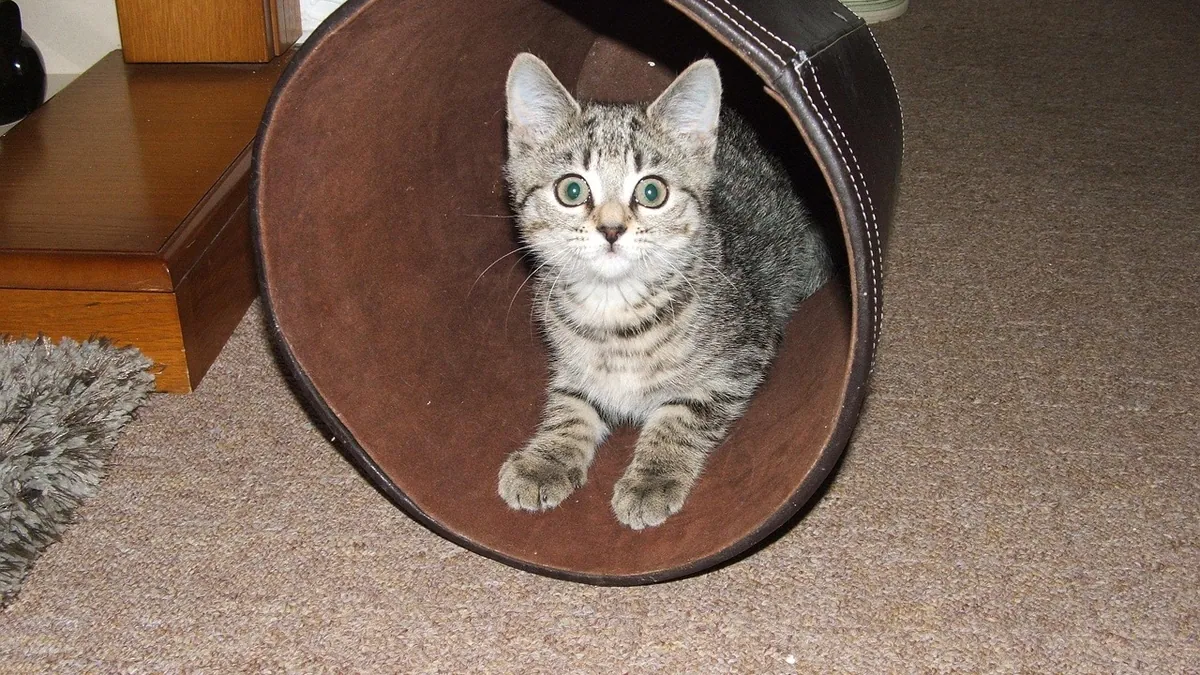
Cat diarrhea after new food or a move is common and usually short-lived. An abrupt diet change or a stressful event can loosen the stool for a few days, and most cats recover with simple supportive care [1]. Some cases, though, point to infection, parasites, or deeper illness that needs a veterinarian.
This article is educational and is not a substitute for veterinary diagnosis or treatment.
Quick Answer
- An abrupt change in diet can cause diarrhea for a few days, and so can stress like a long car trip or a stay at a clinic [1].
- Most acute diarrhea in cats is self-limiting and responds to supportive care, meaning hydration and nutrition, not antibiotics [2].
- Switch foods gradually over about a week, mixing a little more of the new food into the old each day.
- Kittens and cats with blood, fever, vomiting, or lethargy need a veterinarian, not watchful waiting.
- Keep notes on stool, appetite, and water intake so your vet has a clear timeline.
What Cat Diarrhea Looks Like and What Counts as Normal
Diarrhea means stools that are more frequent and more watery than usual. The color can shift to gray or yellow, and the smell can be unusually foul [1]. You may see a soft cow-pat texture, a puddle with no shape, or mucus on the surface.
Normal cat stool is formed, log-shaped, and easy to pick up. It holds its shape without leaving a smear. Small variations happen with treats or table scraps, but a true change in frequency and consistency is the signal to watch.
Mild cases often involve one or two loose stools with no other signs. Your cat still eats, drinks, plays, and uses the box normally. That pattern is the one most likely to settle on its own.
Why New Food Causes Diarrhea in Cats
A cat's gut holds a dense community of bacteria that helps digest food and keep the intestinal lining healthy. When the diet changes suddenly, that community shifts. In cats with acute diarrhea, researchers have found higher levels of certain bacteria such as Bacteroidota and Prevotella and lower levels of others like Bacilli and Erysipelotrichales compared with healthy cats [3]. That imbalance can change how food and water move through the gut.
The result is loose stool. Osmotic diarrhea happens when undigested nutrients pull water into the bowel. Secretory diarrhea happens when the gut lining releases fluid. Impaired barrier function and changes in gut motility can add to the problem [4].
Kittens face extra risk because their digestive systems are still adjusting to solid food [1]. A new food hits a young gut harder than a mature one.
How to Switch Foods the Right Way
Go slow. A common approach is a seven-day transition:
- Days 1 and 2: about 25 percent new food mixed with 75 percent old.
- Days 3 and 4: about 50/50.
- Days 5 and 6: about 75 percent new, 25 percent old.
- Day 7: all new food.
If stool loosens at any step, hold at the current mix for two or three extra days before moving forward. If diarrhea continues, back up a step. Some cats need two to three weeks for a full switch.
Keep everything else steady during the transition. Don't add new treats, toppers, or supplements at the same time. If you must change foods quickly because the old food is unavailable, expect a few loose days and watch closely.
Why a New Home Causes Diarrhea in Cats
Cats are creatures of routine. A move, a new pet, a new baby, boarding, or a long car ride can all trigger stress. Stress alone can produce a brief episode of loose bowels [1]. The gut and brain talk constantly, and stress hormones change motility and fluid handling in the intestine.
Diet and environment changes often work together. A cat in a new home may eat a new food, drink different water, and hide more. That combination is a common recipe for acute diarrhea [3].
Give a new cat a quiet room with the same food, the same litter, and a familiar blanket for the first few days. Spend calm time nearby without forcing contact. Once stool is normal and the cat is eating well, you can begin slow introductions to the rest of the home.
Causes of Cat Diarrhea: Clues and Urgency
| Cause | Typical clues | How urgent |
|---|---|---|
| Sudden diet change | Loose stool within a day or two of a new food, cat otherwise bright | Usually mild, watch 24 to 48 hours |
| Stress or moving | Recent move, travel, boarding, new pet, hiding, normal appetite | Usually mild, settles as cat adjusts |
| Parasites (coccidia, Giardia, roundworms, hookworms) | Young cat, recurrent soft stool, poor coat, possible weight loss | Routine visit, fecal testing needed |
| Bacterial or gut flora imbalance | Foul stool, mucus, sometimes blood, variable appetite | Same-day call if blood or fever |
| Chronic gut disease | Diarrhea lasting more than two to three weeks, weight loss, vomiting | Routine visit, may need diet and testing plan |
| Systemic illness | Vomiting, lethargy, not eating, pain, dehydration | Emergency now |
Parasites are a real concern in young cats with diarrhea. In one study of young cats with diarrhea, about 34 percent tested positive for coccidia, mostly Cystoisospora felis [5]. Watery or bloody diarrhea appeared in some of those infected cats [5]. That is one reason a fecal test matters when diarrhea does not clear quickly.
Gut bacteria also play a role in how severe diarrhea becomes. Microbes from the feces of diarrheic cats can impair the intestinal barrier and trigger colon inflammation in recipient animals, and some Gram-negative bacteria appear to drive that effect [6]. This helps explain why vets avoid unnecessary antibiotics, which can disrupt the microbiome further [2].
Red Flags That Mean Emergency Care
Call an emergency clinic right away if you see any of these:
- Blood in the stool, or black tarry stool.
- Repeated vomiting with diarrhea.
- A kitten with diarrhea, since young cats dehydrate fast.
- Not eating or drinking for more than 24 hours.
- Lethargy, weakness, wobbling, or collapse.
- Sunken eyes, tacky gums, or skin that stays tented when gently pinched.
- Straining to defecate with little or nothing coming out.
- Diarrhea after eating something toxic, a string, or a foreign object.
- Known or suspected exposure to an infectious cat illness.
These signs point to dehydration, systemic illness, or a blockage. They are not watch-and-wait situations.
Safe Things You Can Do at Home While You Wait
Most uncomplicated acute diarrhea is managed with supportive care, meaning hydration and nutrition [2]. Here is what that looks like at home.
Keep fresh water available at all times. Offer multiple bowls in quiet spots. Some cats drink more from a wide bowl or a running fountain.
Feed small, frequent meals of the cat's usual food. Unless your vet says otherwise, do not fast your cat. Cats can develop serious liver problems when they stop eating. Bland, familiar food in small amounts is usually the safest choice.
Pause new treats and toppers. Go back to the diet your cat tolerated well before the diarrhea started.
Add a probiotic only if your vet recommends one. Strain and dose matter, and your veterinarian will pick a product that fits your cat.
Keep the litter box clean. Scoop twice daily so you can track stool color, shape, and frequency. Take a photo of anything unusual.
Reduce stress. Keep the home quiet, limit visitors, and give your cat a hiding spot with easy access to food, water, and the box.
Wash your hands after handling stool or cleaning the box. Some causes of diarrhea can pass to people or other pets.
Do not give human anti-diarrheal medicines unless your veterinarian specifically prescribes them. Doses depend on your cat's weight and health, and your vet will calculate them. If your cat takes other medications and diarrhea started after a change, see What to Do If Your Cat Has Diarrhea After Starting a New Medication. For more on loose stool tied to meals, read Cat Diarrhea After Eating: Causes and When to Act.
If you want to know which gentle steps are reasonable before a vet visit, Cat Diarrhea Home Remedy and Cat Diarrhea Home Treatment walk through options. And if you are unsure whether the situation is serious, Cat Diarrhea: How to Tell If It's Serious and What to Do helps you sort mild from urgent.
What Your Veterinarian Will Check and Test
Your vet starts with the story. When did the diarrhea begin? What changed in the diet or home? How many stools per day? Any blood, mucus, vomiting, or weight loss? Bring photos and a written timeline if you can.
Next comes a full physical exam. Your vet checks hydration, gum color, abdominal pain, body condition, and temperature. They may check for dehydration by lifting the skin at the neck and watching how fast it settles.
Testing depends on the case. Common options include:
- Fecal flotation and other stool tests for parasites such as coccidia, Giardia, roundworms, and hookworms [5].
- Blood work to check organ function, electrolytes, and signs of inflammation.
- Fecal PCR or culture when an infectious cause is suspected.
- Imaging if a blockage or mass is possible.
- A diet trial or a prescription gastrointestinal diet for chronic cases [4].
Diagnostic testing should be tailored to the individual cat, focused on ruling out systemic illness or infection [2]. Not every cat with one loose stool needs a full panel. Your vet will weigh the history and exam findings.
Treatment follows the cause. Uncomplicated acute diarrhea usually needs supportive care only, and routine antibiotics are not recommended because they drive resistance and disrupt the microbiome [2]. Targeted therapy is reserved for confirmed or strongly suspected bacterial infections [2]. Antiemetics may be used if vomiting is part of the picture [2].
For chronic diarrhea lasting weeks, the approach shifts. Your vet will classify it as small bowel or large bowel based on signs and work through causes such as food-responsive disease, inflammatory disease, and parasites. Nutrition is a core part of long-term management [4].
Preventing Diarrhea From Food Changes and Stress
Transition every new food slowly. Even a same-brand formula change deserves a week-long mix. Write the schedule on the bag so everyone in the house follows it.
Keep a food and stool log. Note the brand, formula, amount, and stool score each day. Patterns show up fast in writing.
Introduce one change at a time. New food, new litter, and new schedule all at once makes it hard to know what caused the problem.
Plan moves in advance. Pack the current food, a used litter scoop, and a familiar bed. Set up one safe room before the cat arrives.
Schedule a vet visit after adoption or a move. A fecal test and a general exam catch parasites and other issues early, especially in kittens [5].
Stay current on parasite prevention. Your vet can recommend a product based on your cat's lifestyle and risk.
Watch weight and appetite. Losing weight with ongoing soft stool is a reason to book a visit, not wait.
Limitations and When to Contact a Veterinarian
This article cannot tell you what is causing your cat's diarrhea. Individual cases need a veterinarian who can examine your cat, ask about the timeline, and run the right tests.
Call your veterinarian the same day if diarrhea lasts more than 48 hours, if your cat is a kitten or senior, if there is blood or mucus, if your cat is eating less than usual, or if the diarrhea keeps coming back after it seemed to resolve.
Go to an emergency clinic now if you see repeated vomiting, blood or black stool, a cat that will not eat or drink, weakness, collapse, severe pain, or a suspected toxin or foreign object. Kittens can decline quickly, so treat any diarrhea in a young cat as urgent.
Book a routine visit if diarrhea has lasted more than two to three weeks, if your cat is losing weight, or if soft stool returns every time you try a new food. Chronic diarrhea has many possible causes and usually needs a structured plan, including nutrition [4].
Frequently Asked Questions
How long does cat diarrhea from new food usually last?
Most cases settle within a few days once the diet is stable. An abrupt change can cause diarrhea for a few days, and many cats recover without treatment [1]. If it lasts past 48 hours or your cat seems unwell, call your vet.
Should I stop the new food or keep going?
Slow down and back up a step. Return to the mix your cat last tolerated, then advance more slowly once stool is normal. If diarrhea continues on the old food too, that points to something other than the diet and needs a vet visit.
Can stress alone cause diarrhea in a cat?
Yes. Stressful events like a long car trip or a clinic stay can produce a brief episode of loose bowels [1]. A move combines stress with routine changes, so give your cat a quiet space and keep food and litter consistent.
When should I bring a stool sample to the vet?
Bring one if diarrhea lasts more than a day or two, if you see blood or mucus, or if your cat is young or has other signs. Fecal testing checks for parasites such as coccidia and Giardia, which are common in young cats with diarrhea [5]. Fresh stool in a clean bag or container works well.
Do cats with diarrhea need antibiotics?
Usually not. Routine antibiotics are not recommended for uncomplicated acute diarrhea because they promote resistance and disrupt the gut microbiome [2]. Antibiotics are reserved for confirmed or strongly suspected bacterial infections, and your vet will decide based on the exam and test results.
Related Articles
- What to Do If Your Cat Has Diarrhea After Starting a New Medication
- Cat Diarrhea After Eating: Causes and When to Act
- Cat Diarrhea Home Remedy
- Cat Diarrhea Home Treatment
- Cat Diarrhea: How to Tell If It's Serious and What to Do
- Cat Diarrhea: Causes, Home Care, and When to Worry
- Cat Diarrhea After Changing Food: Causes and Fixes
- Cat Poop Runny: Causes of Diarrhea and What to Do
- Cat Diarrhea With No Diet Change: Why It Happens
- Intestinal Parasites in Dogs and Cats: Identification, Symptoms, and Treatment Options
References
- Diarrhea. Cornell University College of Veterinary Medicine.
- From Diagnosis to Resolution: A Practical Guide to Acute Diarrhea in Veterinary Patients. The Veterinary clinics of North America. Small animal practice, 2026.
- Identification of Gut Microbiome and Metabolites Associated with Acute Diarrhea in Cats. Microbiology spectrum, 2023.
- Feline chronic diarrhea: causes and nutritional management. Veterinary and animal science, 2026.
- Occurrence of Cystoisospora spp. and other intestinal parasites in dogs and cats with diarrhea. Veterinary parasitology, 2025.
- Gram-Negative Bacterial Overgrowth Predominated by: Potential Association with Intestinal Barrier Impairment and Inflammatory Diarrhea in Cats. Veterinary sciences, 2026.