Long-Haired Cat Breeds: Grooming and Care
By Dr. Zubair Khalid, DVM, MS, PhD ·
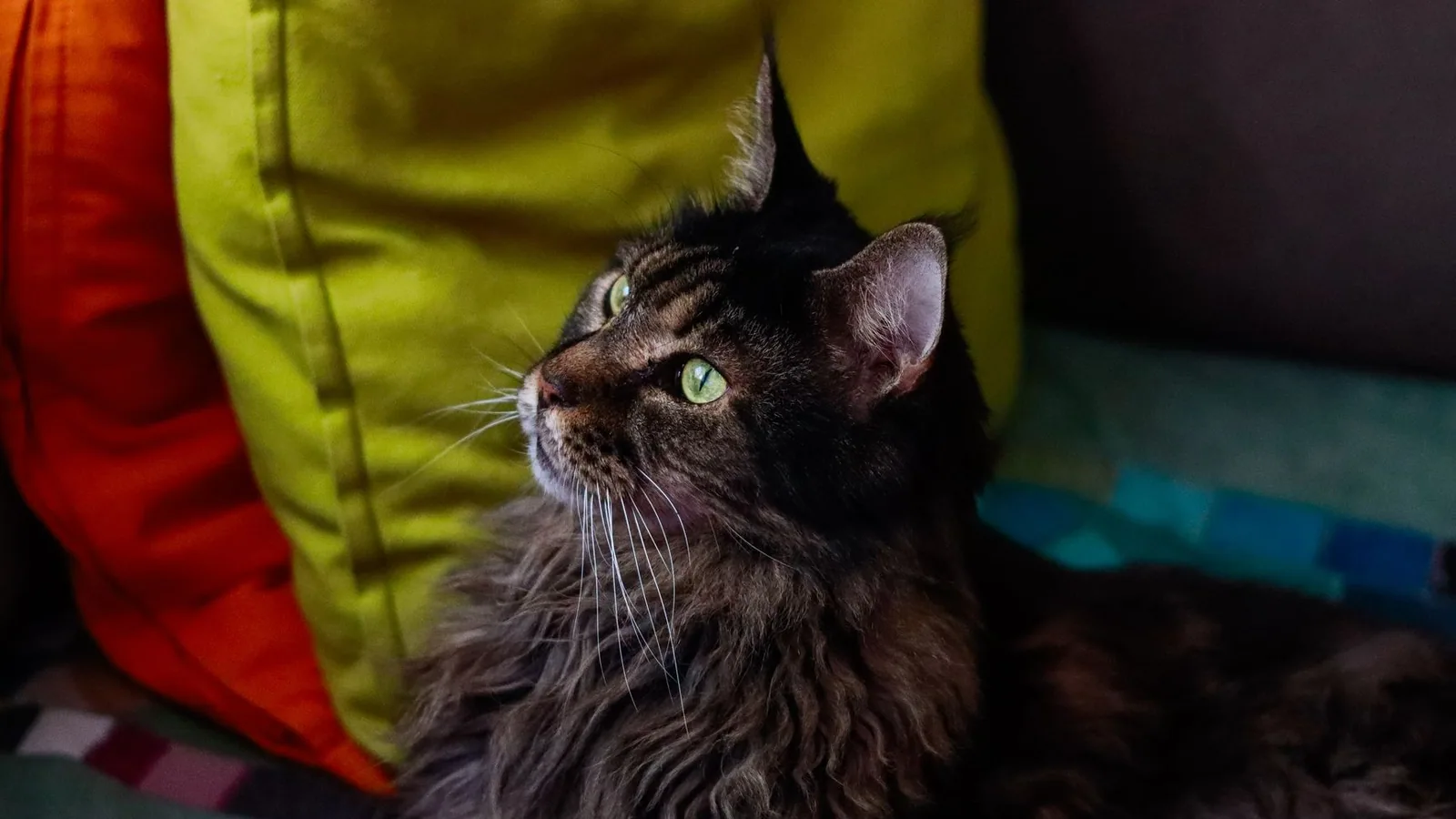
Long haired cat breeds, from the majestic Persian to the rugged Maine Coon, are beloved for their luxurious coats and striking appearances. However, that beautiful fur comes with a significant responsibility. Caring for a long-haired cat goes far beyond aesthetics. It requires a dedicated grooming routine to prevent painful mats and skin infections, as well as a proactive approach to breed-specific health screening.
The long hair phenotype is not a random accident. It is largely determined by specific mutations in the fibroblast growth factor 5 (FGF5) gene, which regulates the hair growth cycle [1][3]. These mutations are inherited in an autosomal recessive manner, meaning a cat needs two copies of the mutated gene to display a long coat [1]. While genetics dictate the coat length, your daily care dictates your cat's comfort and overall health. This guide provides a definitive, source-grounded approach to grooming, nutrition, and veterinary care for long-haired felines.
At a Glance: Long-Haired Cat Care Checklist
| Aspect of Care | Frequency | Key Considerations |
|---|---|---|
| Brushing | Daily to every other day | Prevents mats, tangles, and hairballs. Focus on the armpits, belly, and britches. |
| Bathing | Every 4 to 8 weeks, or as needed | Use a cat-safe shampoo. Essential for Persian and other flat-faced breeds to prevent skin fold dermatitis. |
| Nail Trimming | Every 2 to 4 weeks | Long hair on paws can hide overgrown nails, leading to snagging and injury. |
| Ear Cleaning | Weekly inspection, clean as needed | Long-haired cats are prone to ear infections if debris is trapped by fur. |
| Vet Checkups | At least annually (twice a year for seniors) | Crucial for early detection of breed-specific issues like PKD, PPDH, and retinal atrophy. |
| Genetic Screening | Before breeding | Test for known mutations like rdAc and PKD to prevent passing them to offspring. |
Why Long Hair Happens: The Genetics of the Coat
The genetic basis of long hair in cats is a fascinating example of natural mutation and selective breeding. Researchers have identified the FGF5 gene as the major determinant of hair length in domestic cats [1][3]. In a normal short-haired cat, the FGF5 protein acts as a "stop signal" that limits hair growth. When mutations occur in this gene, the stop signal is disrupted, allowing hair to continue growing for a longer period, resulting in the long-haired phenotype [1].
Four distinct mutations in the FGF5 gene have been identified across various breeds [1]. For example, a specific missense mutation (c.194C>A) is commonly found in a homozygous state in Somali, Persian, Maine Coon, and Ragdoll cats [2]. Interestingly, different breeds often have different founder mutations. A study found a novel missense mutation (c.577G>A) that is specific to the Maine Coon breed, accounting for roughly 3% of long-haired Maine Coons that do not carry the more common mutations [3].
Because these mutations are autosomal recessive, a kitten must inherit a defective FGF5 gene from both parents to be born with long hair [1]. This explains why long-haired kittens can occasionally appear in litters of short-haired parents if both parents carry one copy of the recessive gene. The frequency of these long-hair alleles varies among cat breeds and populations, but the underlying genetic mechanism remains the same. Understanding this genetic foundation helps owners appreciate that the long coat is a biological trait requiring specific management.
The Core of Coat Care: A Step-by-Step Grooming Routine
Grooming is the single most important aspect of preventative health care for a long-haired cat. A consistent routine does more than keep the coat shiny. It stimulates blood flow to the skin, distributes natural oils, and allows you to detect early signs of parasites, lumps, or skin irritation.
Essential Tools and Supplies
Before you start, gather the right tools. Using human brushes or low-quality combs can pull the hair and cause pain, making your cat resistant to grooming.
- Wide-toothed metal comb: This is your primary tool for detangling and checking for mats. The teeth should be smooth and rounded to avoid scratching the skin.
- Slicker brush: Use this to remove loose fur and tangles from the topcoat. Look for a brush with fine, short wires that are bent at an angle.
- De-matting tool: This tool has specialized blades that can safely cut through existing mats without cutting the skin. Use it with extreme caution.
- Cat-safe grooming wipes: Useful for spot cleaning and for cats that absolutely refuse to be bathed.
- High-quality cat shampoo and conditioner: Choose a formula designed for long coats to help prevent static and tangles.
Step-by-Step Brushing and De-matting
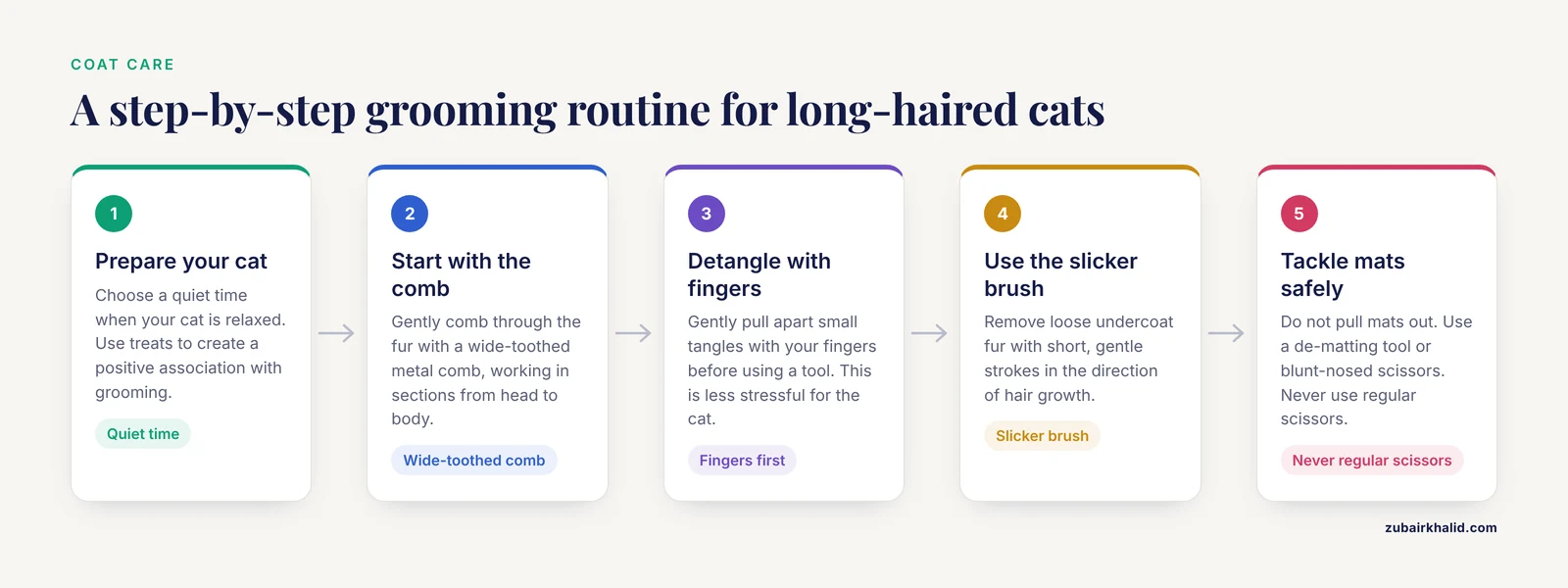
Daily brushing is ideal for most long-haired breeds. If that is not possible, aim for at least 3 to 4 times per week. Mats are not just unsightly. They pull on the skin, causing pain, and they trap moisture and dirt against the skin, creating the perfect environment for bacterial and fungal infections.
- Prepare your cat: Choose a quiet time when your cat is relaxed. Use treats to create a positive association with grooming.
- Start with the comb: Begin by gently combing through the fur using the wide-toothed comb. Work in sections, starting from the head and moving down the body. Pay close attention to the "furnishings" (the long fur on the back legs) and the tail.
- Detangle with your fingers: If you encounter a small tangle, try to gently pull it apart with your fingers before using a tool. This is less stressful for the cat.
- Use the slicker brush: After combing, use the slicker brush to remove loose undercoat fur. Use short, gentle strokes in the direction of hair growth.
- Tackle mats safely: If a mat has formed, do not try to pull it out. Use a de-matting tool or carefully cut the mat vertically with blunt-nosed scissors. Never use regular scissors, as cats can move suddenly, leading to serious skin lacerations. If a mat is too tight or close to the skin, it is best to have it shaved by a professional groomer or veterinarian.
- Check the problem areas: The armpits, groin, and behind the ears are high-friction areas where mats form quickly. Make these areas a routine part of your check.
Bathing and Drying Long-Haired Cats
Bathing helps remove dirt, dander, and loose fur. While some cats tolerate water well, others do not. A thorough bath can significantly reduce the amount of hair your cat ingests during self-grooming, which helps prevent hairballs.
- Frequency: A bath every 4 to 8 weeks is generally sufficient for indoor cats. Avoid over-bathing, as it can strip the natural oils from the coat and dry out the skin.
- Technique: Place a rubber mat in the sink or tub to give your cat secure footing. Use lukewarm water and wet the cat's body thoroughly, avoiding the head and ears. Apply the cat-safe shampoo and work it through the coat. Rinse thoroughly, as leftover shampoo residue can cause skin irritation. Follow with a conditioner to keep the coat silky and reduce static.
- Drying: This is a critical step. Do not let a long-haired cat air dry completely, as the damp fur can easily mat. Use a high-absorbency towel to remove excess water. You can use a hair dryer on a low, warm setting if your cat tolerates the noise. Make sure the coat is completely dry before brushing to prevent tangles.
Dermatologic Health: Skin, Fungus, and Tumors
Long-haired cats are statistically overrepresented in cases of certain skin conditions. The dense coat can hide early signs of disease, allowing conditions to progress before they are noticed.
Dermatophytosis (Ringworm) Risk in Long-Haired Breeds
Dermatophytosis, commonly known as ringworm, is a contagious fungal skin infection that affects both animals and humans. It is one of the most common infectious skin diseases in cats. Long-haired cats are particularly vulnerable. A large epidemiological study from the UK found that pedigree and long-haired cats had a significantly higher prevalence of positive fungal cultures compared to short-haired cats [4]. This finding is supported by a 15-year study in Italy, which isolated Microsporum canis, the most common causative agent, from long-haired cats at a 2:1 ratio compared to short-haired cats [5].
Persian cats face an even higher risk. A recent genetic study identified a specific, highly divergent haplotype on chromosome F1 containing the S100 family of genes that is strongly associated with severe forms of dermatophytosis in this breed [6]. This genetic predisposition means that Persian cats, and other long-haired breeds, may not just be more exposed to the fungus, but their immune systems may respond poorly to it, leading to severe, chronic infections. If you notice circular patches of hair loss, scaling, or crusting on your long-haired cat, prompt veterinary testing is essential. Because ringworm is zoonotic, early diagnosis protects both your family and your pet [6].
Skin Tumors and Basal Cell Carcinomas
While not as common as infections, skin tumors are a concern for long-haired breeds. A comprehensive review of 124 cases of feline basal cell tumors found that long-haired breeds were at a significantly higher risk for developing these growths compared to short-haired cats [7]. Basal cell tumors are typically benign, but they can grow large and ulcerate, requiring surgical removal. The mean age of affected cats was 9.6 years, and the risk increased with age [7]. Regularly petting and brushing your cat is an excellent way to perform a body check for any new lumps or bumps. Any growth that persists, grows, or changes in appearance should be evaluated by a veterinarian.
Systemic Health Concerns in Long-Haired Breeds
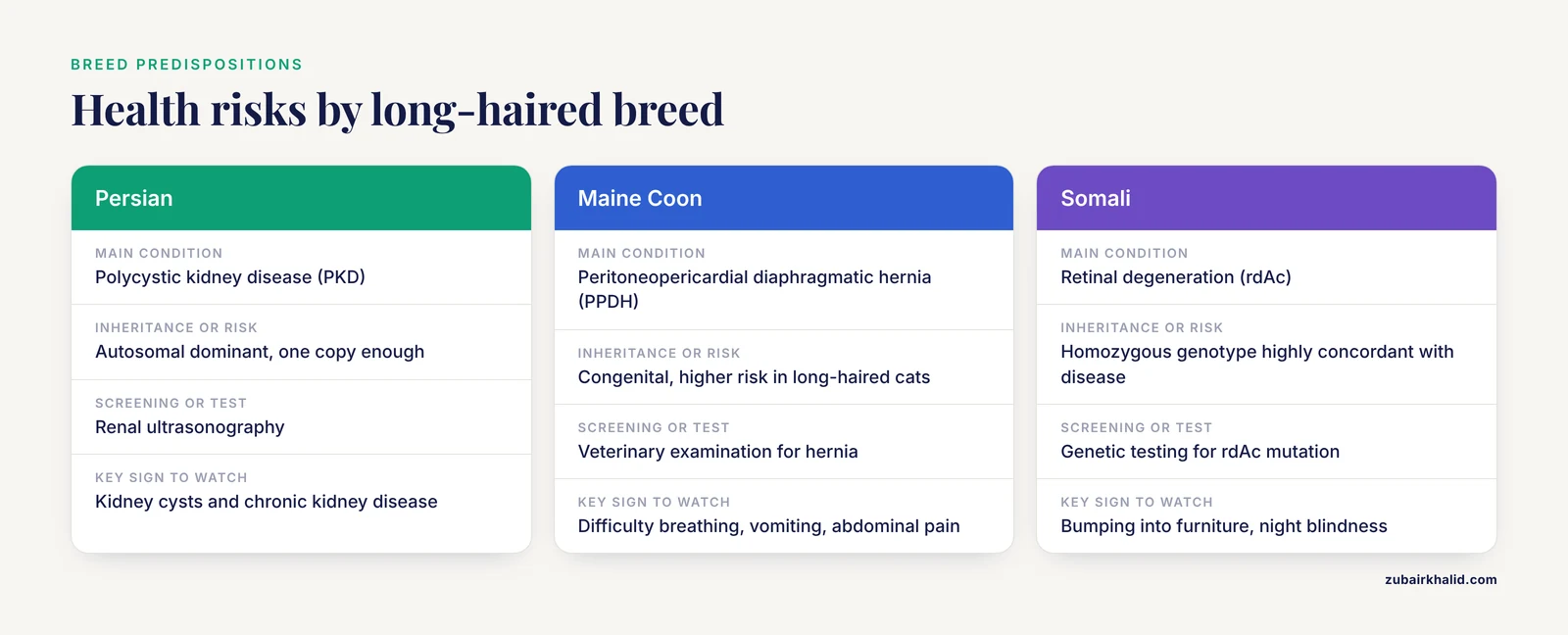
Beyond skin and coat issues, certain long-haired breeds are genetically predisposed to specific systemic diseases. Awareness of these conditions is vital for early detection and management.
Polycystic Kidney Disease (PKD) in Persians and Related Breeds
Autosomal dominant polycystic kidney disease (PKD) is a significant health concern in Persian cats and their close relatives, such as Himalayans [8]. In this condition, fluid-filled cysts develop within the kidney tissue, gradually destroying healthy kidney function and leading to chronic kidney disease.
Because the disease is autosomal dominant, a cat only needs to inherit one copy of the mutated gene to be affected. This makes it relatively easy to screen for, but also means it can spread rapidly through breeding populations if cats are not tested. A study conducted in Sydney and Brisbane screened 320 cats and found the disease present in a significant number of Persians and related breeds [8]. The study highlighted that renal ultrasonography is a reliable, non-invasive method for identifying affected cats, which is the cornerstone of eliminating this disease from breeding lines [8]. If you have a Persian or a Persian-cross, regular veterinary checkups should include blood work and potentially an ultrasound to monitor kidney health.
Peritoneopericardial Diaphragmatic Hernia (PPDH) in Maine Coons
Peritoneopericardial diaphragmatic hernia (PPDH) is a congenital condition where the abdominal contents, such as the liver or intestines, herniate into the pericardial sac surrounding the heart. A retrospective study of 31 cats and eight dogs undergoing surgical correction for PPDH identified a striking breed predisposition. The study concluded that long-haired cats, particularly Maine Coon cats, appear to be at a higher risk of developing PPDH [9].
Clinical signs of PPDH can be vague and primarily relate to the respiratory and gastrointestinal tracts. Cats may exhibit difficulty breathing, vomiting, or abdominal pain. While the condition is serious, the study reported that the prognosis for a return to normal function after surgical repair is excellent, with low mortality in the postoperative period [9]. If you own a Maine Coon, you should be aware of these signs, especially if they seem to have persistent or recurring respiratory or digestive issues.
Retinal Degeneration (rdAc) in Somali and Other Breeds
Progressive retinal atrophy (PRA) is a group of genetic diseases that cause degeneration of the retina, leading to vision loss and eventual blindness. In cats, a specific mutation in the CEP290 gene (rdAc) was initially discovered in Abyssinian cats and was later found to affect the Somali, which is the long-haired variety of the Abyssinian [10].
A large survey of 43 cat breeds revealed that this rdAc allele has a widespread distribution, present in 16 of 43 breeds (37%) tested [10]. The study found a high allele frequency in North American and European Siamese populations, but the clinical disease was highly concordant with the homozygous genotype [10]. This means that cats with two copies of the mutated gene are very likely to develop the disease. This condition is particularly insidious because it often goes unnoticed until the cat's vision is significantly compromised. If you have a Somali, a Siamese, or a related breed, genetic testing for the rdAc mutation is a recommended part of responsible breeding practices [10].
Bleeding Disorders (Von Willebrand Disease)
While rare, inherited bleeding disorders can occur in domestic long-haired cats. Von Willebrand disease (vWD) is a bleeding disorder caused by a deficiency in von Willebrand factor, a protein essential for normal blood clotting.
A clinical case report documented severe type 3 vWD in a young, female domestic long-haired cat that presented for spontaneous epistaxis (nosebleeds) [11]. The cat's plasma von Willebrand factor concentration was markedly reduced, confirming the diagnosis [11]. Management of bleeding episodes required intensive veterinary care, including blood transfusions. The report noted that desmopressin acetate, a drug sometimes used to treat vWD, failed to control the second bleeding episode, but a transfusion of fresh frozen plasma was successful [11]. This case highlights the importance of thorough diagnostic testing, including hemostatic profiles, when a cat presents with unexplained bleeding, especially in breeds or individuals where a coagulopathy is suspected.
Clinical Handling: The Veterinary Visit
Grooming and health care extend to the veterinary clinic. Handling a long-haired cat can present unique challenges for veterinary teams. A study comparing axillary (armpit) versus rectal thermometry in cats made an interesting observation. While axillary thermometry was generally faster overall, the study found that when using the rectal method, the total procedure time was significantly longer for domestic long-haired breeds compared to domestic short-haired breeds [12]. The researchers attributed this to the time associated with animal approach and restraint [12].
This finding underscores a practical reality for owners and veterinarians. Long-haired cats may require extra patience and gentle restraint during clinical procedures. As an owner, you can help your cat by acclimating them to being handled, especially around the tail and hindquarters, from a young age. When visiting the vet, let the staff know if your cat is anxious or if they have a tendency to mat easily, as this can impact where they place monitoring equipment.
Limitations and When to Contact a Veterinarian
This article provides a comprehensive overview of the common genetic and health predispositions seen in long-haired cats. However, it is essential to recognize that every cat is an individual. Not every long-haired cat will develop PKD, PPDH, rdAc, or skin cancer. These are breed predispositions, not certainties.
Contact your veterinarian immediately if you notice any of the following:
- Grooming-related: Mats that are tightly adhered to the skin, areas of hair loss, redness, or a foul odor emanating from the skin.
- Dermatologic: Circular patches of scaling or crusting, which are classic signs of ringworm.
- Systemic: Any new lump or bump that persists, difficulty breathing, abdominal distension, vomiting, or a decrease in appetite.
- Ophthalmic: Bumping into furniture, dilated pupils, or a sudden onset of night blindness.
- Hemorrhagic: Bleeding from the nose, gums, or blood in the urine or stool.
This article is educational and is not a substitute for veterinary diagnosis or treatment. If you have any concerns about your cat's health, always consult with a qualified veterinarian. Early intervention is the key to successfully managing most of these conditions.
Hairballs, Shedding, and Digestive Warning Signs
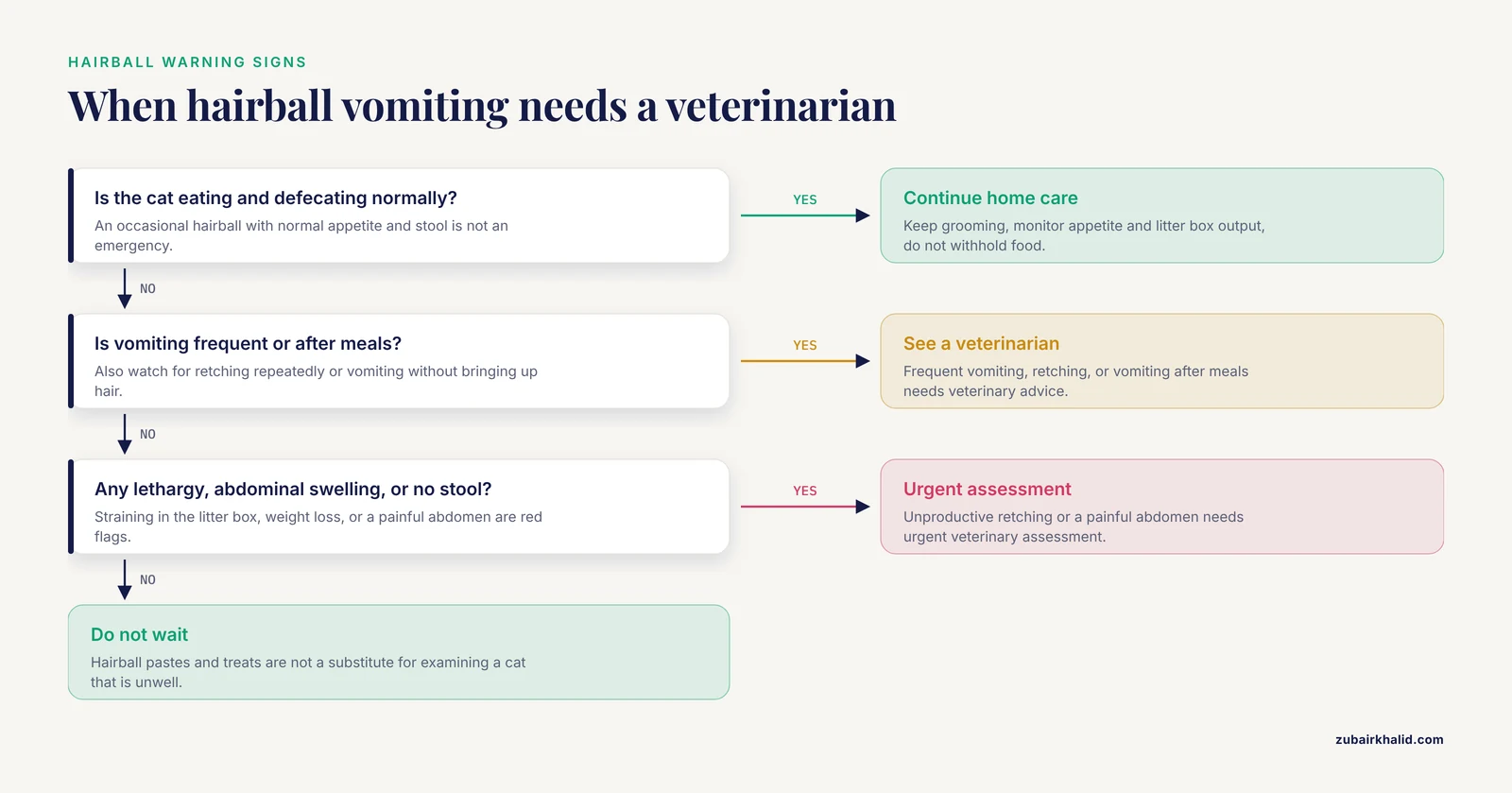
Long fur increases the amount of loose hair a cat swallows while self-grooming. The tongue's backward-facing papillae make shed hair hard to spit out, so it reaches the stomach. Most swallowed hair passes in stool. Some felts into an elongated wad that is vomited, commonly called a hairball. An occasional hairball from a cat that is eating and defecating normally is not an emergency.
Brushing is the main preventive step because it removes loose fur before it is swallowed. Use a comb that reaches the undercoat daily or every other day, especially around the armpits, belly, and hindquarters. Routine grooming also lets you notice skin problems and weight changes.
Conservative home care for a mild, occasional hairball means continuing grooming, monitoring appetite and litter box output, and not giving human laxatives or mineral oil unless a veterinarian recommends it. Do not withhold food.
Seek veterinary advice if hairball vomiting becomes frequent, the cat vomits without bringing up hair, retches repeatedly, vomits after meals, or stops eating. A cat that vomits several times in one day should be seen. No stool beyond the cat's normal pattern, straining in the litter box, lethargy, abdominal swelling or pain, weight loss, or persistent vomiting can signal constipation or obstruction. Unproductive retching or a painful abdomen needs urgent assessment. Hairball pastes and treats are not a substitute for examining a cat that is unwell. Do not wait for a hairball to prove the diagnosis.
Diet, Hydration, and Coat Condition: What Actually Helps
Diet supports skin and coat, but it cannot replace brushing. Brushing removes loose hair, prevents mats, and distributes natural oils. No food or supplement reverses matting.
Protein and Omega-3 Fatty Acids
Hair is composed largely of keratin, a structural protein. A complete, balanced diet with adequate high-quality protein supports normal hair growth. Omega-3 fatty acids, particularly EPA and DHA, help maintain the skin barrier and reduce inflammation in cats with skin disease. These are present in many commercial diets and fish oil supplements.
Hydration
Water intake affects skin moisture. Cats have a low thirst drive, so feeding wet food or adding water to meals increases total water intake. Chronically dehydrated cats can develop dull, dry coats.
Weight Control
Overweight cats cannot reach their hindquarters and tail to groom. This leads to unkempt fur, dandruff, and matting. Weight loss restores grooming ability and improves coat condition.
Supplements and Food Transitions
Many supplements are marketed for coat health, but evidence for most is limited. Healthy cats eating a complete commercial diet rarely need additional supplements. If you change foods, transition gradually over 7 to 10 days to avoid digestive upset. A new diet will not fix an existing coat problem.
When to See a Veterinarian
A persistently dull, greasy, thinning, or flaky coat despite adequate diet and grooming warrants veterinary evaluation. Poor coat quality can signal underlying disease such as hyperthyroidism, chronic kidney disease, dental pain, or parasitism. A veterinarian can identify the cause; dietary changes alone will not resolve these conditions.
Grooming Cats With Arthritis, Obesity, or Senior Mobility Limits
When arthritis, obesity, or age-related stiffness limits a long-haired cat's reach, the coat suffers. Cats that cannot twist to groom their back, flanks, and hindquarters develop dandruff, urine staining, and mats. Owners must take over these neglected zones.
Gentle Handling
Joint pain makes brushing uncomfortable. Keep sessions short, use a soft surface, and support the cat's body. Stop at the first sign of distress. Never pull a painful limb to reach a mat.
Hygiene Clipping
The perineum and caudal thighs soil first. Clipping this region prevents urine and feces from matting the fur and causing skin scalding. Clip the abdomen if it drags or collects litter.
Professional Grooming
Severely matted coats require professional grooming. A cat with arthritis may not tolerate the pulling and positioning needed for full de-matting. A groomer or veterinarian can clip the coat short.
Pain Signs
Watch for flinching, tail flicking, hissing, or a sudden reluctance to be touched. These are pain signals, not stubbornness. If grooming consistently causes pain, the cat needs a veterinary examination.
Skin Checks
Cats that cannot groom themselves are at higher risk for hidden skin infections, flea dirt, and mat-related wounds. Check the skin during every brushing session, especially in the armpits, groin, and tail base.
When to Involve the Veterinarian
Contact your veterinarian if you find tight mats that cannot be removed safely at home, red or weeping skin, a foul odor, or any sign of pain. The vet can treat underlying disease and provide safe sedation for grooming.
Related Guides
- Norwegian Forest Cat: Complete Care Guide for This Majestic Breed: Norwegian Forest Cat is a long-haired breed needing similar grooming
- Siberian Cat: Hypoallergenic Breed Facts and Care Tips: Siberian cats have long coats and breed-specific care needs
- Birman Cat Breed Guide: Personality, Size, Lifespan, Health Problems and Care: Birman is another long-haired breed with grooming requirements
- Large Cat Breeds: The Biggest Domestic Cats and How to Care for Them: Large cat breeds include long-haired cats like Maine Coons
- Cat Breeds: Health Comparison and Care Tips for Popular Types: Compare health issues across popular cat breeds for context
- Cat Breeds: How to Choose a Cat by Care Needs, Health, and History: Choosing a cat by care needs helps prospective long-haired owners
- Senior Cat Grooming: Nail Care and When Cats Stop Grooming: Senior grooming advice applies to aging long-haired cats
- How Long Do You Quarantine a Cat With Ringworm?: Ringworm risk in long-haired cats makes quarantine guidance useful
Frequently Asked Questions
Are long-haired cats more high-maintenance than short-haired cats?
Yes, long haired cat breeds require significantly more grooming than their short-haired counterparts. Daily brushing is often necessary to prevent painful mats and tangles, and they are at a higher risk for certain skin infections and hairballs.
How often should I brush my long-haired cat?
You should brush a long-haired cat daily to every other day. Pay special attention to high-friction areas like the armpits, groin, and behind the ears where mats are most likely to form.
Do long-haired cats get more hairballs?
Yes, due to their longer fur, they ingest more hair during self-grooming, which significantly increases the likelihood of hairballs. Regular brushing helps remove loose fur before your cat can swallow it.
Why is my long-haired cat getting mats even though I brush her?
Mats often form because brushing sessions may miss the dense undercoat or specific high-friction areas. Using the correct tools, like a wide-toothed comb, and ensuring you brush down to the skin are crucial steps to prevent matting.
What health problems are common in long-haired breeds?
Long-haired breeds are predisposed to several conditions, including polycystic kidney disease (PKD) in Persians, peritoneopericardial diaphragmatic hernia (PPDH) in Maine Coons, and retinal degeneration (rdAc) in breeds like the Somali. They are also at higher risk for ringworm and basal cell tumors.
Do long-haired cats need baths?
Yes, occasional baths are beneficial to remove dirt, dander, and loose fur. Bathing every 4 to 8 weeks can help prevent matting and reduce hairballs, but it is important to use a cat-safe shampoo and dry the coat completely.
Are long-haired cats more likely to get ringworm?
Studies show that long-haired cats have a higher prevalence of dermatophytosis (ringworm) compared to short-haired cats, and Persian cats have a specific genetic variant associated with severe forms of the disease.
Is a specific gene responsible for long hair in cats?
Yes, mutations in the fibroblast growth factor 5 (FGF5) gene are the major genetic determinant of hair length in domestic cats. These mutations are inherited in an autosomal recessive manner, and specific mutations are found in different breeds.
{
  "@context": "https://schema.org",
  "@type": "FAQPage",
  "mainEntity": [
    {
      "@type": "Question",
      "name": "Are long-haired cats more high-maintenance than short-haired cats?",
      "acceptedAnswer": {
        "@type": "Answer",
        "text": "Yes, long haired cat breeds require significantly more grooming than their short-haired counterparts. Daily brushing is often necessary to prevent painful mats and tangles, and they are at a higher risk for certain skin infections and hairballs."
      }
    },
    {
      "@type": "Question",
      "name": "How often should I brush my long-haired cat?",
      "acceptedAnswer": {
        "@type": "Answer",
        "text": "You should brush a long-haired cat daily to every other day. Pay special attention to high-friction areas like the armpits, groin, and behind the ears where mats are most likely to form."
      }
    },
    {
      "@type": "Question",
      "name": "Do long-haired cats get more hairballs?",
      "acceptedAnswer": {
        "@type": "Answer",
        "text": "Yes, due to their longer fur, they ingest more hair during self-grooming, which significantly increases the likelihood of hairballs. Regular brushing helps remove loose fur before your cat can swallow it."
      }
    },
    {
      "@type": "Question",
      "name": "Why is my long-haired cat getting mats even though I brush her?",
      "acceptedAnswer": {
        "@type": "Answer",
        "text": "Mats often form because brushing sessions may miss the dense undercoat or specific high-friction areas. Using the correct tools, like a wide-toothed comb, and ensuring you brush down to the skin are crucial steps to prevent matting."
      }
    },
    {
      "@type": "Question",
      "name": "What health problems are common in long-haired breeds?",
      "acceptedAnswer": {
        "@type": "Answer",
        "text": "Long-haired breeds are predisposed to several conditions, including polycystic kidney disease (PKD) in Persians, peritoneopericardial diaphragmatic hernia (PPDH) in Maine Coons, and retinal degeneration (rdAc) in breeds like the Somali. They are also at higher risk for ringworm and basal cell tumors."
      }
    },
    {
      "@type": "Question",
      "name": "Do long-haired cats need baths?",
      "acceptedAnswer": {
        "@type": "Answer",
        "text": "Yes, occasional baths are beneficial to remove dirt, dander, and loose fur. Bathing every 4 to 8 weeks can help prevent matting and reduce hairballs, but it is important to use a cat-safe shampoo and dry the coat completely."
      }
    },
    {
      "@type": "Question",
      "name": "Are long-haired cats more likely to get ringworm?",
      "acceptedAnswer": {
        "@type": "Answer",
        "text": "Studies show that long-haired cats have a higher prevalence of dermatophytosis (ringworm) compared to short-haired cats, and Persian cats have a specific genetic variant associated with severe forms of the disease."
      }
    },
    {
      "@type": "Question",
      "name": "Is a specific gene responsible for long hair in cats?",
      "acceptedAnswer": {
        "@type": "Answer",
        "text": "Yes, mutations in the fibroblast growth factor 5 (FGF5) gene are the major genetic determinant of hair length in domestic cats. These mutations are inherited in an autosomal recessive manner, and specific mutations are found in different breeds."
      }
    }
  ]
}

## Sources

1. [Four independent mutations in the feline fibroblast growth factor 5 gene determine the long-haired phenotype in domestic cats.](https://pubmed.ncbi.nlm.nih.gov/17767004/)
2. [Mutations within the FGF5 gene are associated with hair length in cats.](https://pubmed.ncbi.nlm.nih.gov/17433015/)
3. [Identification of a novel missense mutation in the fibroblast growth factor 5 gene associated with longhair in the Maine Coon Cat.](https://pubmed.ncbi.nlm.nih.gov/34599367/)
4. [Epidemiological and diagnostic features of canine and feline dermatophytosis in the United Kingdom from 1956 to 1991.](https://pubmed.ncbi.nlm.nih.gov/8212483/)
5. [Dermatophytes isolated from symptomatic dogs and cats in Tuscany, Italy during a 15-year-period.](https://pubmed.ncbi.nlm.nih.gov/12715942/)
6. [An ancient haplotype containing antimicrobial peptide gene variants is associated with severe fungal skin disease in Persian cats.](https://pubmed.ncbi.nlm.nih.gov/35157719/)
7. [Feline basal cell tumors: a review of 124 cases.](https://pubmed.ncbi.nlm.nih.gov/6710812/)
8. [Prevalence of autosomal dominant polycystic kidney disease in Persian cats and related-breeds in Sydney and Brisbane.](https://pubmed.ncbi.nlm.nih.gov/11349412/)
9. [Peritoneopericardial diaphragmatic hernia: a retrospective study of 31 cats and eight dogs.](https://pubmed.ncbi.nlm.nih.gov/21041332/)
10. [Widespread retinal degenerative disease mutation (rdAc) discovered among a large number of popular cat breeds.](https://pubmed.ncbi.nlm.nih.gov/19747862/)
11. [Recurrent hemorrhage caused by type 3 von Willebrand disease in a domestic long-haired cat.](https://pubmed.ncbi.nlm.nih.gov/24957149/)
12. [Comparison of Axillary versus Rectal Temperature Timing in Canine and Feline Patients.](https://pubmed.ncbi.nlm.nih.gov/37505879/)