Why Does My Puppy Run Away From Me? What It Means
By Dr. Zubair Khalid, DVM, MS, PhD ·
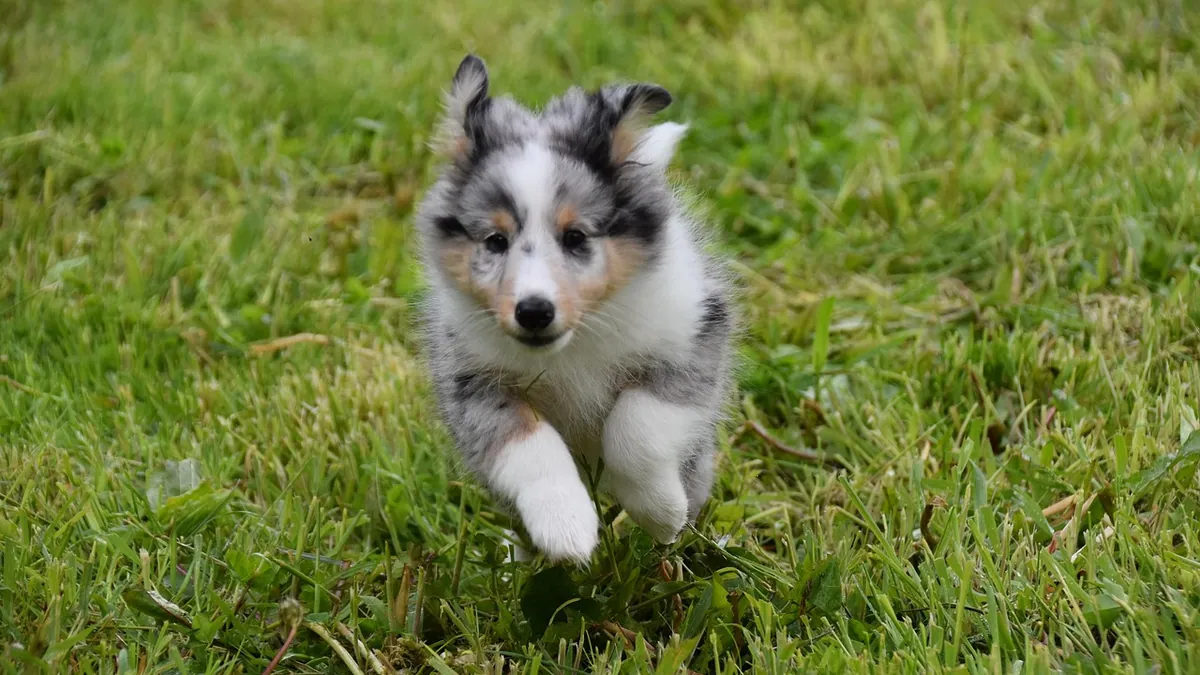
Puppies often run away because they are playing a chase game, avoiding being picked up, or feeling worried about something in the moment. In most homes, a puppy who bolts across the yard or dodges your hands is not rejecting you, and the behavior usually improves with the right training and handling. This article is educational and is not a substitute for veterinary diagnosis or treatment.
Quick Answer
- A puppy who runs and looks back, bounces, or grabs a toy is usually inviting chase play, and chasing makes the game better for the puppy.
- A puppy who leans away, tucks the tail, flattens the ears, or freezes when you reach for the collar may be avoiding handling, not being stubborn.
- Puppies adopted at 1 month or younger show more fear, anxiety, and attention-seeking behaviors later than puppies adopted at 2 months or older [1].
- Never chase, grab, or punish a puppy who runs, because that can turn a game into genuine fear.
- If running away comes with hiding, trembling, appetite changes, or snapping, call your veterinarian.
Why Does My Puppy Run Away From Me?
Most puppies run for one of three reasons: play, handling discomfort, or fear. The reason matters, because the fix is different for each one.
Play and keep-away
Puppies explore the world with their mouths and bodies, and a moving owner is exciting. When you walk toward a puppy and the puppy darts off, then stops and looks back, that is an invitation. If you follow, the puppy learns that running starts a chase game. This is normal puppy behavior, and it is one of the most common reasons owners search "why does my puppy run away from me."
Handling sensitivity
Many puppies dislike being grabbed, lifted, or held still. They may run when they see you reach for the collar, the leash, or a nail trimmer. This is not defiance. Puppies are still learning that hands predict good things, and a puppy who has been held down for a nail trim may start avoiding hands entirely.
Fear and startle
A puppy who runs from a vacuum, a loud noise, or a stranger is showing fear. Fear-based running often comes with a lowered body, tucked tail, or ears back. Early experiences shape this. The socialization window runs from about 3 to 12 weeks, and puppies who miss positive experiences during that time are more likely to show fear, anxiety, or aggression as adults [1].
Attachment style
Puppies form attachment patterns with their caregivers, and those patterns shape how they handle stress. Anxious attachment in dogs is linked to stronger acute stress responses, including higher heart rate, rectal temperature, and salivary cortisol [2]. Dogs who stay willing to make contact with their caregiver show lower heart rate and lower hair cortisol, which suggests secure attachment protects against long-term stress [2]. A puppy who runs from you may be showing an avoidant or anxious pattern, not a lack of love.
Normal development
It is normal for puppies to run away from you sometimes. They are testing independence, burning energy, and learning how the world responds. The behavior becomes a problem when it is constant, when it comes with fear signals, or when it puts the puppy in danger.
Medical Causes to Rule Out
Behavior changes can have a physical cause, so your veterinarian should check your puppy if the running away is new or sudden. Pain is a common driver. A puppy with a sore hip, an ear infection, or a dental problem may bolt when you reach for a sore spot.
Vision and hearing problems can also make a puppy startle and flee. A puppy who does not hear you approach may panic when you appear. A puppy with poor vision may run from things that look threatening.
Illness can change behavior too. If your puppy is also hiding, eating less, or acting off, that combination deserves a veterinary visit. A sudden shift in how your dog acts is worth a closer look, and you can read more about what behavior changes can signal in What Does It Mean When Your Dog's Behavior Changes.
When Running Away Becomes a Problem
A puppy running away is a problem when it happens in these situations.
- The puppy runs from all handling, including gentle petting.
- The puppy hides after running, or avoids you for long periods.
- The puppy shows fear signals like trembling, lip licking, or a tucked tail.
- The puppy runs toward roads, gates, or other hazards.
- The puppy growls, snaps, or freezes when you approach.
Fear-based behavior that goes unaddressed can grow. Puppies who lack positive early experiences are more likely to develop adult fear, aggression, or anxiety problems [1]. If your puppy's behavior is shifting in several areas at once, Why Is My Dog Having Behavior Problems covers the broader picture.
What to Do Step by Step
Stop chasing
Chasing rewards the behavior. If your puppy runs, stop moving and turn away. Wait for the puppy to come to you. When the puppy returns, reward calmly with a treat and quiet praise. This flips the game so coming to you is the fun part.
Teach a real recall
Recall is a trained skill, not a command a puppy is born knowing.
- Start indoors with no distractions.
- Say your puppy's name and a cue like "come" in a happy voice.
- Reward with a high-value treat the moment the puppy reaches you.
- Practice in short sessions, several times a day.
- Add distance and mild distractions slowly.
- Never call your puppy to punish or to do something unpleasant like a nail trim.
Keep recall rewards generous. A puppy who learns that coming to you pays better than running away will choose you.
Make handling positive
Pair handling with treats. Touch a paw, then treat. Touch an ear, then treat. Work up to collar grabs, lifting, and grooming over many short sessions. Let your puppy choose to approach you for these sessions instead of cornering the puppy.
Use enrichment
A bored puppy runs for entertainment. Give your puppy outlets that use the nose and brain. Nose work style training is one option, and research on nose work training has looked at how it relates to dog executive function and fitness [3]. Puzzle feeders, sniff walks, and short training games all help.
Manage the environment
Use a leash in unfenced areas. Keep doors and gates closed. Use baby gates to block off unsafe zones. A long line in a safe yard lets your puppy practice recall without the risk of bolting into traffic.
Build a calm routine
Predictable feeding, potty, play, and rest times help puppies feel secure. Secure attachment is linked to lower stress markers, so a steady, responsive routine supports your puppy's emotional regulation [2].
Watch the stress signals
Lip licking, shaking, and other behaviors are often labeled as stress signs, but they do not rise and fall in a simple line with stress levels. In one study, these behaviors varied by context and attachment style, and oxytocin correlated positively with lip licking in securely attached dogs [4]. Read the whole puppy, not one signal.
What Not to Do
- Do not chase, tackle, or grab your puppy. This can turn play into fear.
- Do not punish a puppy who runs. Punishment can damage trust and worsen avoidance.
- Do not corner a puppy. Cornering removes the option to retreat and can trigger defensive behavior.
- Do not assume your puppy is guilty or stubborn. Puppies do not run away to spite you.
- Do not use recall only for unpleasant events. If "come" always means bath or nail trim, your puppy will stop coming.
- Do not skip veterinary care for sudden behavior changes.
If your puppy is hiding and acting unusual, that is a different pattern from play running, and Dog Hiding and Acting Weird: What Does It Mean? explains what those signs can mean.
When to Get Veterinary or Behavior Help
Call your veterinarian if your puppy runs away along with any of these signs.
- Pain, limping, or sensitivity to touch
- Weight loss, appetite change, or vomiting
- Trembling, hiding, or panic that does not settle
- Growling, snapping, or freezing when approached
- Running away that starts suddenly in a puppy who was previously relaxed
A certified behavior professional can help if your puppy's fear or avoidance is severe, if you have been training for several weeks with no progress, or if you feel unsafe handling your puppy. Ask your veterinarian for a referral to a veterinarian who specializes in behavior.
Limitations and When to Contact a Veterinarian
This article cannot diagnose your puppy. Every puppy is an individual, and a veterinarian who examines your puppy is the only one who can rule out medical causes and build a treatment plan.
Contact your veterinarian the same day if your puppy shows sudden fear, stops eating, or starts hiding and avoiding all contact. Go to an emergency clinic now if your puppy is injured, has been hit by a car, is having trouble breathing, or collapses. Call a poison control hotline right away if you suspect your puppy ate something toxic. For milder concerns, such as occasional running during play, a routine visit is a good time to ask questions and check for pain.
Frequently Asked Questions
Is it normal for puppies to run away from you?
Yes, it is normal for puppies to run away sometimes. Play, curiosity, and testing independence are common reasons. The behavior is more concerning when it comes with fear signals, hiding, or avoidance of all handling.
Why is my puppy running away from me when I call?
Your puppy may not have learned a reliable recall yet, or the cue may predict something unpleasant. Practice recall with high-value rewards in low-distraction settings. Never call your puppy to punish or to do something the puppy dislikes.
Does my puppy hate me if it runs away?
No, running away is not a sign of hate. Puppies run for play, to avoid handling, or out of fear. Attachment patterns shape how dogs handle stress, and an avoidant or anxious pattern can look like distance without any loss of bond [2].
My dog keeps running away, what should I do first?
Stop chasing and start training recall with rewards. Rule out pain and illness with your veterinarian. Then build handling trust and add enrichment so your dog has less reason to bolt.
Can early adoption make a puppy more likely to run away?
It can play a role. Puppies adopted at 1 month or younger showed more fear, anxiety, and attachment and attention-seeking behaviors than puppies adopted at 2 months or older [1]. Early positive socialization from 3 to 12 weeks supports better adult behavior [1].
Should I use a shock collar for recall?
No. Punishment-based tools can increase fear and damage your relationship with your puppy. Reward-based recall training is safer and more effective for most puppies. Ask your veterinarian or a certified behavior professional for help if you feel stuck.
Related Articles
- What Does It Mean When Your Dog's Behavior Changes
- Dog Hiding and Acting Weird: What Does It Mean?
- Why Is My Dog Having Behavior Problems
- Separation Anxiety From Your Dog
- Why Is My Dog Suddenly Scared of the Leash?
- Dog Separation Anxiety When I Leave
- Why Is My Puppy Growling at Me? What It Means
- How to Stop Your Dog From Running Out the Door
- Why Does My Puppy Jump on Me? Stopping Jumping Up
References
- The Puppies' Age at Adoption Time Influences the Behavioral Responses of Adult Dog. Veterinary sciences, 2025.
- Attachment patterns toward the caregiver modulate canine physiological indicators of acute and chronic stress. Scientific reports, 2026.
- Does Nose Work Training Affect Dog Executive Function and Physical Fitness in Humans and Dogs?. Animals : an open access journal from MDPI, 2026.
- Rethinking dog stress behaviours: contextual and physiological insights from the attachment framework. The veterinary quarterly, 2026.