How to Stop Your Dog From Running Out the Door
By Dr. Zubair Khalid, DVM, MS, PhD ·
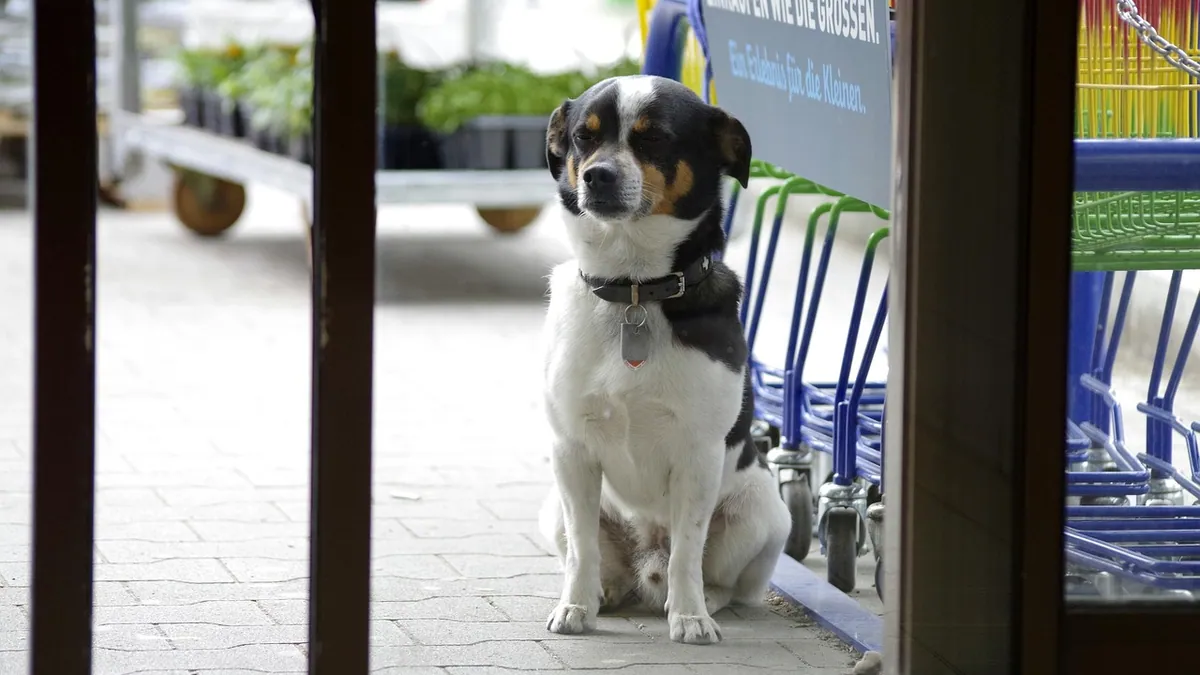
Door bolting is one of the most dangerous habits a dog can develop, and it is also one of the most fixable. To stop your dog from running out the door, you need two things working together: management that prevents the behavior today, and training that teaches a calmer response over time. Most dogs bolt because the door predicts something exciting, not because they are stubborn or dominant.
This article is educational and is not a substitute for veterinary diagnosis or treatment.
Quick Answer
- Block the behavior before you train it. Use baby gates, a tether, or a closed interior door so your dog cannot practice bolting while you work on manners.
- Teach a "wait" at every door, not just the front door. Practice with the door you use least, then work up to the front door.
- Reward the behavior you want. A dog who gets paid for sitting and waiting has a reason to choose that over charging outside.
- Add daily exercise and mental work. A bored, under-exercised dog is more likely to explode through an open door.
- See a veterinarian if the bolting started suddenly in an adult dog, or if your dog also shows panic, aggression, or inability to settle.
Why Dogs Run Out the Door
Most door bolting is normal dog behavior. Dogs are social and curious, and an open door leads to smells, movement, and sometimes other animals. If your dog has ever been rewarded by getting outside, the behavior gets stronger. That is how the habit forms.
Some dogs bolt because they are under-stimulated. A dog who spends most of the day with nothing to do may treat the door as the highlight of the day. Others bolt because they are anxious, and the outside feels safer than whatever is happening inside.
Arousal matters too. Some dogs have a hard time calming down once they get excited, and they show impulsive behavior during intense emotional moments [1]. If your dog goes "crazy" when someone comes to the door, that is often arousal plus excitement, not defiance. The doorbell, the knock, and the sight of a visitor stack up fast.
Genetics and early experience can also play a role in how a dog handles excitement and resources. Breeders vary widely in how they manage puppies around food, toys, and access to littermates, and those early experiences may shape adult behavior around resources [2]. That does not mean your dog is doomed. It means some dogs need more structured practice than others.
Medical and Behavioral Causes to Rule Out
Before you assume this is purely a training problem, rule out pain and medical issues. Any dog who suddenly starts bolting, especially an adult with a long history of good door manners, needs a veterinary exam. Pain, vision changes, hearing loss, and cognitive changes in older dogs can all change how a dog responds to the door.
Behavior problems can also overlap with medical conditions. In one reported case, a young dog with intense arousal, impulsivity, and aggression toward its owner was diagnosed with a condition similar to ADHD in people, and treatment included both behavior modification and medication [1]. That is an extreme example, but it shows why a veterinarian should be part of the plan when arousal and impulse control are severe.
If your dog's bolting comes with panic, freezing, trembling, or aggression, tell your veterinarian. These signs point to a welfare issue, not just a manners issue.
When Door Bolting Becomes a Problem
Door bolting is a problem the moment it puts your dog at risk. A dog who gets loose near traffic can be hit by a car. A dog who bolts toward another dog can start a fight. A dog who bolts at a visitor can scare or injure someone.
It is also a problem when it limits your life. If you dread answering the door, avoid having guests, or cannot carry groceries in without a chase, the behavior is already affecting your household.
The good news is that door manners are teachable. The behavior is not a personality trait. It is a habit built on repetition, and habits can be rebuilt.
How to Stop My Dog From Running Out the Door: Step by Step
Step 1: Manage the environment first
Management means your dog cannot practice the behavior while you train. Every rehearsal makes bolting stronger.
- Put a baby gate or an exercise pen between your dog and the front door.
- Use a tether or leash inside the house during high-traffic times like morning departures and evening arrivals.
- Ask visitors to text you instead of knocking, at least at first.
- Use a second door (garage, side door, or a closed interior door) as a buffer zone.
- Keep a leash by the door so you can clip it on before the door opens.
This step is not permanent. It buys you time to teach the behavior you actually want.
Step 2: Build a "wait" at a low-distraction door
Start where your dog is calm. A bedroom door or a bathroom door works well.
- Stand with your dog on a leash.
- Put your hand on the door handle.
- If your dog stays calm, open the door an inch.
- If your dog moves toward the gap, close the door.
- If your dog stays back, mark it (a word like "yes" or a click) and reward with a treat.
- Repeat until your dog can hold position while the door opens several inches.
Keep sessions short. Five minutes, two or three times a day, is plenty. End while your dog is still succeeding.
Step 3: Add the release cue
Your dog needs to know when going through the door is allowed. Pick one word, such as "free" or "okay," and use it only for that.
Practice this sequence: door opens, dog waits, you say the release word, dog walks through calmly. If your dog surges, close the door and try again with a smaller opening.
Step 4: Move to the front door
Once your dog can wait at a low-distraction door, repeat the whole process at the front door. Expect your dog to be worse here at first. The front door has more history and more excitement attached to it.
Add difficulty slowly:
- Door closed, hand on handle
- Door opened an inch
- Door opened a foot
- Door opened wide
- A person standing outside
- A person walking past
- A person ringing the bell
If your dog fails at any level, go back one step. That is not failure. That is how training works.
Step 5: Practice with real visitors
This is where most owners need the most help. The goal is to stop your dog from going crazy when someone comes to the door.
Set up practice visits with a friend who is willing to help. Have your dog on a leash behind a gate. Ask your friend to knock or ring the bell. Reward your dog for any calm behavior, even a brief pause. If your dog barks or lunges, wait for a pause, then reward. Do not open the door until your dog can pause.
If barking at the doorbell is a big part of the problem, see How to Stop a Dog from Barking at the Doorbell: Training Tips. If barking has become a general habit, How To Get My Dog To Stop Barking covers the broader picture.
Step 6: Add enrichment and exercise
Training goes faster when your dog is not bursting with unused energy. Aim for daily physical exercise that fits your dog's age, breed, and health. Add mental work too: food puzzles, sniff walks, chew items, and short training games.
A dog who has a job to do at home is less likely to treat the door as the only exciting event of the day.
Step 7: Teach an alternative behavior
Give your dog something specific to do when the door opens. A "go to mat" cue works well. You send your dog to a bed or mat a few feet from the door, and reward them there while you handle the door.
This is easier for most dogs than simply "don't move." Dogs do better when they have a job.
Step 8: Proof the behavior everywhere
Once your dog is solid at home, practice at other doors. A friend's house, a training center, or a pet-friendly store entrance all give you new places to practice. Generalization takes time, so expect some backsliding in new places.
What Not to Do
Do not punish your dog for bolting. Punishment after the fact does not teach the behavior you want, and it can make anxiety worse. A dog who is yelled at or grabbed at the door may learn to bolt faster to avoid the scary thing.
Do not chase your dog if they get out. Chasing turns into a game and can push your dog toward traffic. Instead, get low, use a happy voice, and reward your dog for coming to you. If your dog will not come, call for help and keep visual contact.
Do not rely on an invisible fence or an open door as a test. These do not teach door manners and can fail.
Do not assume your dog "knows better." Dogs repeat what works. If bolting has worked before, it will keep working until you change the setup.
Do not use aversive tools without professional guidance. Some training methods can increase fear and aggression, especially in dogs who are already anxious or reactive. If you are considering any tool that causes pain or startle, talk to a veterinarian or certified behavior professional first.
If your dog's door behavior includes chasing moving objects, see How to Stop a Dog from Chasing Cars: Safety and Training. If your dog also marks indoors, How to Stop a Dog from Marking in the House: Tips That Work may help.
When to Get Professional Help
Get help if your dog has injured someone at the door, if your dog has escaped and been hit or nearly hit, or if you feel unsafe managing the behavior at home. These are not training failures. They are safety issues that need a plan.
A veterinarian can check for pain, vision problems, hearing loss, and other medical causes. They can also discuss whether anxiety or impulse control problems are part of the picture. In some cases, medication is part of a broader behavior plan, and the dose is calculated by your veterinarian based on your dog's weight and health [1].
A certified behavior professional can build a step-by-step plan for your specific dog. Look for someone with credentials in behavior, such as a veterinary behaviorist or a certified applied animal behavior consultant. Ask about their methods and whether they use reward-based training.
Limitations and When to Contact a Veterinarian
Door bolting is a behavior problem, and behavior problems do not have a single fix. Progress depends on your dog's age, history, health, and how consistently you can manage the environment. Some dogs improve in weeks. Others need months of practice. Some need lifelong management.
Contact your veterinarian the same day if your dog shows sudden behavior change, especially in an older dog. Sudden bolting, disorientation, or a new inability to settle can point to a medical problem.
Go to an emergency clinic now if your dog was hit by a car, ate something toxic, or was injured during an escape. Also go now if your dog bit a person or another animal and caused a wound.
Schedule a routine visit if your dog's bolting is getting worse, if you are seeing panic or aggression, or if you feel stuck after several weeks of training. Your veterinarian can rule out medical causes and help you find the right next step.
Individual cases need a veterinarian. No article can replace an exam and a plan built for your dog.
Frequently Asked Questions
Why does my dog bolt out the door even when I tell them to stay?
Because "stay" is hard for a dog who is highly aroused, and the door itself has become a powerful cue for running. Most dogs need the behavior broken into small steps, practiced at low-distraction doors first. Management, such as a gate or leash, prevents rehearsal while you build the skill.
How long does it take to teach door manners?
It varies by dog, but most owners see real improvement within a few weeks of daily short sessions. Dogs with high arousal or anxiety may need longer. Consistency matters more than session length.
Should I use a shock collar to stop my dog from bolting?
No. Aversive tools can increase fear and aggression, especially in dogs who are already anxious or reactive. Reward-based training plus management is safer and more effective for door manners. Talk to a veterinarian or certified behavior professional if you feel stuck.
My dog only bolts when guests come over. What should I do?
Set up practice visits with a willing friend and keep your dog behind a gate or on a leash. Reward any calm pause, and do not open the door until your dog can hold position. If your dog barks at the bell, work on that separately.
Can a dog who has bolted for years still learn to wait at the door?
Yes, but expect it to take longer and expect setbacks. Start with management so your dog cannot practice the old habit, then rebuild the behavior from the easiest door in your home. A certified behavior professional can help you plan the steps.
Related Articles
- How to Stop a Dog from Barking at the Doorbell: Training Tips
- How To Get My Dog To Stop Barking
- How to Stop a Dog from Chasing Cars: Safety and Training
- How To Train A Dog To Stop Barking
- How to Stop a Dog from Marking in the House: Tips That Work
- How to Stop a Dog from Pulling on the Leash: Training That Works
- Why Dogs Open Doors and How to Stop It
- My Dog Keeps Jumping the Fence: How to Stop It
- Dog Ran Away: Immediate Steps to Find Your Dog
References
- Adjunctive Huperzine A for owner-directed aggression associated with hypersensitivity-hyperactivity syndrome in a dog: a case report. Australian veterinary journal, 2026.
- Resource management practices of Canadian and American domestic dog breeders and associations with puppy competitive behaviour: A cross-sectional study. Animal welfare (South Mimms, England), 2026.