What Do Cats Know About Their Owners?
By Dr. Zubair Khalid, DVM, MS, PhD ·
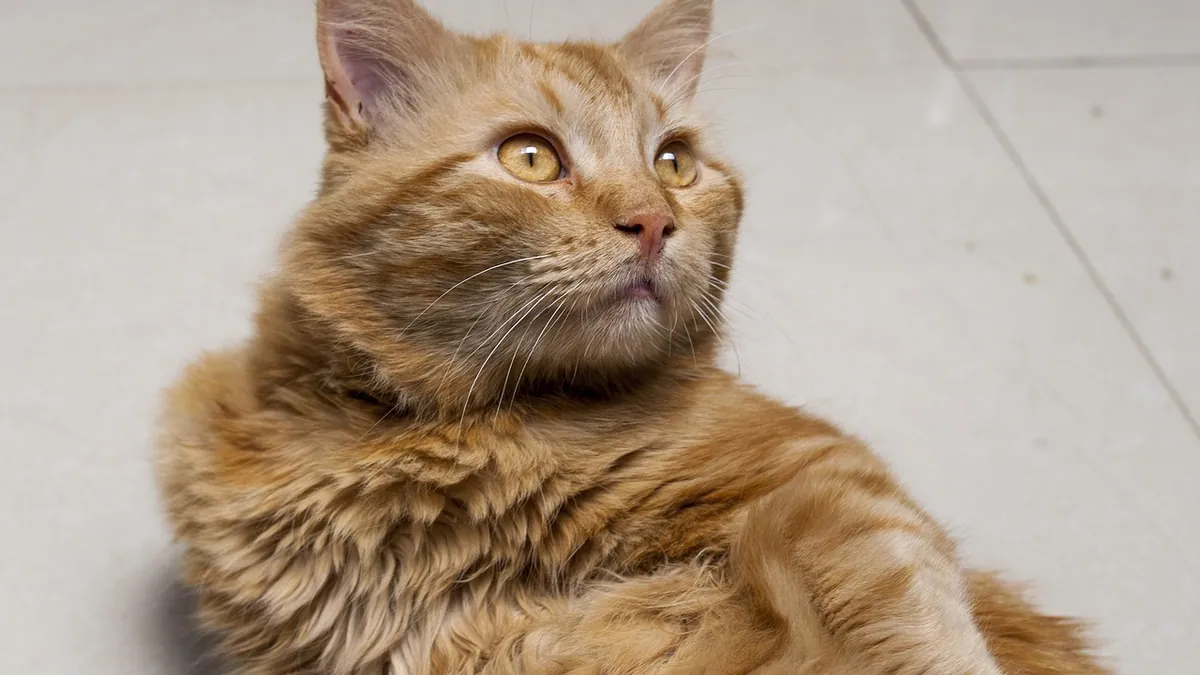
Yes, cats know their owners. They recognize you by scent, voice, routine, and the way you interact with them, even if they do not greet you like a dog would. Research on cat cognition and attachment shows that cats form real bonds with people, though they express those bonds in quiet, cat-shaped ways.
This article is educational and is not a substitute for veterinary diagnosis or treatment.
Quick Answer
- Cats identify you mainly by smell, then by voice and familiar routines, so they often know you before they see you.
- Most cats form attachment styles to their owners that resemble human infant attachment patterns, and secure cats show the most positive hormonal response to friendly interaction [1].
- Cats are social but not clingy by nature. They regulate contact through distance, rubbing, grooming, and nose touching, and they spend most of their time away from other individuals, including you [2].
- Passive, low-pressure contact (sitting nearby, slow blinking, gentle petting on the cat's terms) tends to raise oxytocin and lower cortisol, while forced handling does the opposite [1].
- A cat that suddenly stops recognizing you, hides, or acts fearful may have a medical problem, not a relationship problem.
Do Cats Know Their Owners? What the Science Says
The short answer is yes, but the details matter. Cats are not small dogs, and they are not aloof roommates either. They are flexible social animals that evolved to live near humans, likely because hunting rodents around human settlements worked well for them [2].
How cats recognize their owners
Cats lean heavily on scent. Your cat knows your personal odor, the products you use, and the smell of your home. When your cat rubs its cheek, chin, or flank against you, it is depositing its own scent and collecting yours. This is affiliative behavior, the same category of behavior cats use with other cats they have good relationships with [2].
Voice matters too. Many owners notice their cat's ears or head turn when they speak, even before the cat sees them. Cats also learn the sound of your car, your footsteps, and the jingle of your keys. These are learned associations, and they build a predictable picture of you.
Visual recognition plays a role, but it is probably not the cat's first tool. Cats are better at reading body language and movement than at identifying a still photograph of a face. If you stand silently across a room, your cat may take a moment to place you. Once you speak or move, recognition usually clicks.
How much do cats know about their owners?
More than many people assume, but less than we sometimes project. Cats learn your patterns. They know when you usually feed them, when you sit down, and which chair is yours. They know whether you are a person who picks them up or a person who lets them come to you.
What cats do not do is think about you the way a human friend does. There is no evidence that cats reflect on your feelings or miss you in a complex, narrative way. What they show is attachment, familiarity, and preference, which is real and measurable.
Cat owner recognition science: attachment styles
One useful framework comes from attachment research. In a study of 20 pet cats, researchers classified cats as secure, insecure-anxious, or insecure-avoidant using a Secure Base Test, then measured salivary cortisol and oxytocin around four types of owner-cat interaction [1].
The findings were clear. Passive interactions were linked to higher oxytocin and lower cortisol. Forced interactions produced the opposite pattern, with more stress hormone and less bonding hormone. Secure cats had more positive hormonal responses to human interaction, while insecure cats showed rising cortisol or a limited hormonal response [1].
That tells you something practical. Your cat's bond with you is not fixed at birth, and the type of contact you offer shapes the physiology behind it.
Why Cats Act the Way They Do Around Owners
Normal social behavior in cats
Cats have a flexible social structure. In free-roaming conditions, they live in groups made up mostly of queens and their litters, with a few males, and group density depends partly on how food is distributed [2]. Cats are not pack animals in the dog sense, but they are not solitary either.
Cats manage their relationships through distancing, affiliative displays (rubbing, grooming, nose touching), and antagonistic behaviors like hissing, swatting, scratching, and biting [2]. Cats with better relationships spend more time closer together. Cats in general still spend most of their time apart from other individuals, and the same pattern shows up in how they relate to people [2].
So when your cat follows you into the kitchen and then ignores you for three hours, that is normal. Closeness and distance are both part of how cats do relationships.
Why cats are less selectively bred than dogs
Cats have been exposed to far less selective breeding than dogs. That means cats have much less breed diversity and a much narrower range of differences in physical and behavioral traits [2]. A Siamese and a Maine Coon differ, but not on the scale of a Chihuahua and a Great Dane.
The practical takeaway is that you should expect cat behavior to be cat behavior. Breed tells you less about a cat's personality than it does for dogs. Individual history, early socialization, and current environment matter more.
The hunting heritage behind the bond
Most cats are solitary hunters, and their success at killing rodents and other small animals is likely why living near humans worked out so well for them [2]. This heritage explains a lot. Cats are wired to notice small movements, to patrol territory, and to be active in short bursts.
It also explains why a cat may seem to "know" you best at feeding time. You are a reliable resource, and cats are good at tracking reliable resources.
Medical Causes to Rule Out First
If your cat's behavior toward you changes, consider health before you consider the relationship. Cats hide illness well, and a cat in pain or discomfort often becomes less social, more irritable, or more clingy.
Common medical causes of behavior change include:
- Dental disease and oral pain, which can make a cat flinch when touched near the face
- Arthritis, which makes jumping onto your lap painful
- Hyperthyroidism, which can cause restlessness, vocalizing, and irritability
- Chronic kidney disease, which can cause increased drinking, urination, and weight loss
- Sensory decline, including vision and hearing loss in older cats
- Cognitive dysfunction in senior cats, which can cause confusion, night vocalizing, and changes in social behavior
A cat that no longer seems to recognize you may have vision or hearing changes. A cat that suddenly avoids your lap may have joint pain. A cat that becomes aggressive when petted may have skin or dental pain.
If your cat is hiding more than usual, that alone is worth a veterinary visit. See Why Is My Cat Hiding? for a fuller look at what hiding can mean.
When Owner Recognition Becomes a Problem
Most cat-owner relationships do not need fixing. Problems show up in a few recognizable patterns.
Your cat avoids you
If your cat used to seek you out and now does not, look at what changed. New furniture, a new pet, a new baby, a move, or a change in your schedule can all shift a cat's sense of security. Pain and illness can too.
Your cat is overly clingy
Some cats become intensely attached and vocal when you leave. This can be normal for a cat with a strong bond, but sudden clinginess in an older cat can signal pain, thyroid disease, or sensory decline.
Your cat is aggressive with you
Aggression toward an owner is not a sign that your cat does not know you. It is usually a sign that the cat feels threatened, painful, or overstimulated. Biting during petting is common and often means the cat gave subtle warnings that were missed.
Your cat's behavior changes only with you
If your cat is fine with everyone else but reactive to you, think about handling style. Forced interactions raise cortisol and lower oxytocin in cats [1]. If you are the person who picks the cat up, holds it, or pets past its tolerance, you may be the person the cat associates with stress.
What to Do: Step by Step
1. Let your cat choose the contact
Passive interaction is the most reliable way to build a bond. Sit near your cat, talk softly, and let it come to you. In the interaction study, passive contact was associated with increased oxytocin and decreased cortisol, while forced contact showed the opposite pattern [1].
2. Use scent to your advantage
Leave a worn T-shirt in your cat's favorite spot. Let your cat rub against you. Avoid strong new fragrances, which can mask the scent your cat uses to identify you.
3. Build predictable routines
Feed at consistent times. Keep a regular play session. Cats track patterns well, and predictability lowers stress. This is one of the simplest ways to strengthen recognition and comfort.
4. Offer daily interactive play
Use a wand toy and let your cat stalk, chase, and catch. Play satisfies the hunting drive that likely brought cats into human settlements in the first place [2]. Two short sessions a day often work better than one long one.
5. Provide vertical space and hiding spots
Cat trees, shelves, and covered beds give your cat the option to be near you without being touched. Cats regulate closeness through distance, and having escape routes makes them more willing to stay close [2].
6. Respect the warning signs
Watch for a flicking tail, flattened ears, dilated pupils, or skin twitching. These mean "stop." Responding to them prevents bites and keeps your cat's trust intact.
7. Check the environment for stress
Litter box changes, new pets, remodeling, and loud noise can all change how a cat relates to you. Address the stressor before you assume the bond has changed.
8. Rule out pain
If behavior changed suddenly, book a veterinary exam. Pain is one of the most common and most overlooked causes of social withdrawal in cats.
If your cat goes outdoors, parasite prevention and identification matter for its health and for wildlife. See Flea Prevention for Dogs and Cats: What Owners Should Know and Microchips for Dogs and Cats: What Owners Should Know.
What Not to Do
Do not punish your cat
Punishment does not teach a cat to love you more. It teaches fear and avoidance. Yelling, spraying water, or startling a cat can damage the bond you are trying to build.
Do not force affection
Holding a cat that is struggling, or petting past its tolerance, raises stress hormones and lowers bonding hormones [1]. If your cat walks away, let it go.
Do not assume breed predicts the bond
Cats have far less breed diversity and a narrower range of behavioral differences than dogs [2]. Breed may shape appearance and some tendencies, but it does not tell you how attached your cat will be.
Do not compare your cat to a dog
Attachment research consistently finds stronger owner attachment with dogs than with cats [3]. That does not mean cats do not bond. It means the bond looks different. A comparative mediation analysis found that dog ownership was linked to slightly lower perceived stress, and that human-animal interaction was strongly linked to lower stress for dog owners but only minimally for cat owners [4]. The relationship exists, but it works differently.
Do not rely on DNA tests to explain behavior
DNA tests can tell you about ancestry and some health risks, but they do not explain why your cat greets you at the door. See Dog and Cat DNA Tests: What They Actually Tell You.
When to Involve a Veterinarian or Behavior Professional
Contact your veterinarian if your cat's behavior toward you changes suddenly, if it stops eating or drinking, if it hides constantly, or if it shows new aggression. These can be signs of pain, illness, or sensory decline.
Ask for a referral to a veterinary behaviorist or a certified applied animal behaviorist if:
- Aggression toward people is new, escalating, or causing injury
- Your cat shows fear or anxiety that does not improve with environmental changes
- You have ruled out medical causes and the behavior is still a problem
- You feel unsafe handling your cat
A behavior professional can assess attachment style, environment, and handling patterns in a structured way. Your veterinarian sets any medication dose based on your cat's weight and health, so never give a human medication or adjust a dose on your own.
Limitations and When to Contact a Veterinarian
Cat cognition research is growing, but it is still limited. Many studies use small samples, and findings about attachment and hormones come from controlled settings that may not match your living room. Individual cases need a veterinarian who can examine your cat in person.
Contact a veterinarian the same day if your cat:
- Stops eating or drinking
- Vomits repeatedly or has diarrhea with lethargy
- Shows sudden weakness, wobbling, or trouble jumping
- Becomes suddenly aggressive or disoriented
- Has a swollen, painful, or hot area on the body
Go to an emergency clinic now if your cat:
- Has trouble breathing or open-mouth breathing
- Collapses or cannot stand
- Has a seizure
- Is straining to urinate, especially a male cat, or has not urinated in 24 hours
- Has uncontrolled bleeding or a suspected broken bone
Schedule a routine visit if your cat:
- Gradually becomes less social over weeks
- Shows new hiding, vocalizing, or night restlessness
- Has bad breath, drooling, or difficulty chewing
- Is losing weight despite a normal appetite
- Seems to have trouble seeing or hearing
For general cat health and behavior background, see Facts About Cats: Surprising Health and Behavior Insights.
Frequently Asked Questions
Do cats recognize their owners' voices?
Yes, many cats respond to their owner's voice by turning their head, moving their ears, or vocalizing back. Cats learn the sound of your voice through daily repetition, and they often pair it with predictable events like feeding or play. If your cat stops responding to your voice, ask your veterinarian about hearing loss, especially in older cats.
Do cats forget their owners after a long absence?
Cats generally remember familiar people, but the reunion may look underwhelming. A cat may sniff you thoroughly, rub against you, or act slightly distant at first, then settle back into routine within days. Long absences can cause stress, so keep greetings calm and let the cat approach you.
Why does my cat ignore me but follow me around?
This is normal cat behavior. Cats regulate closeness through distance, and they often want to be near you without being touched [2]. Following you is a form of social monitoring, and it usually means your cat is comfortable with your presence.
Do cats have a favorite person?
Many cats do show a preference for one person, often the one who feeds them, plays with them, or respects their boundaries. That preference is built from experience, not from a fixed rule about gender or age. Attachment research in owners has found that owner traits like being female, younger, and spending more weekend time with the pet are linked to stronger owner attachment, but that describes the human side of the bond [3].
Can a cat's behavior toward its owner predict how much it hunts?
Not reliably. One study using animal-borne cameras found no statistical evidence that the cat-owner relationship directly influenced exploratory or hunting behavior, though owners with higher relationship scores reported more harassment incidents by their cats [5]. Another study found that owner-ascribed personality predicted range size and predation tendencies in cats [6]. If your cat roams outdoors, focus on supervision, identification, and parasite prevention.
Do cats know when you are sad?
Cats can pick up on changes in your voice, posture, and routine, and some cats seek contact when their owner is upset. Whether cats understand sadness as an emotion is not well established in veterinary research. What is clear is that cats respond to familiar cues, and your behavior is one of those cues.
Related Articles
- Why Is My Cat Hiding?
- Dog and Cat DNA Tests: What They Actually Tell You
- Microchips for Dogs and Cats: What Owners Should Know
- Flea Prevention for Dogs and Cats: What Owners Should Know
- Facts About Cats: Surprising Health and Behavior Insights
- Black Cats: Myths, Facts, and Why They Make Wonderful Pets
- Do Cats Recognize Their Owners? Feline Recognition Explained
- Do Cats Love Their Owners? The Science of Feline Bonding
- Do Cats Miss Their Owners? What Science Says
References
- EXPRESS: The hormonal effects of owner-cat interactions on pet cats of different potential attachment styles. Journal of feline medicine and surgery, 2026.
- Social Behavior of Cats - Behavior. Merck Veterinary Manual.
- A Study on the Attachment to Pets Among Owners of Cats and Dogs Using the Lexington Attachment to Pets Scale (LAPS) in the Basque Country. Animals : an open access journal from MDPI, 2025.
- Comparative mediation analysis of dog and cat ownership and perceived stress. PloS one, 2026.
- Is the Cat-Owner Relationship Related to Cat-Wildlife Conflicts?. Animals : an open access journal from MDPI, 2026.
- Personality Matters: Owner-Ascribed Personality Predicts Range Size Tendencies and Predation Behavior in Domestic Cats. Ecology and evolution, 2026.