How to Stop Your Dog from Eating Everything
By Dr. Zubair Khalid, DVM, MS, PhD ·
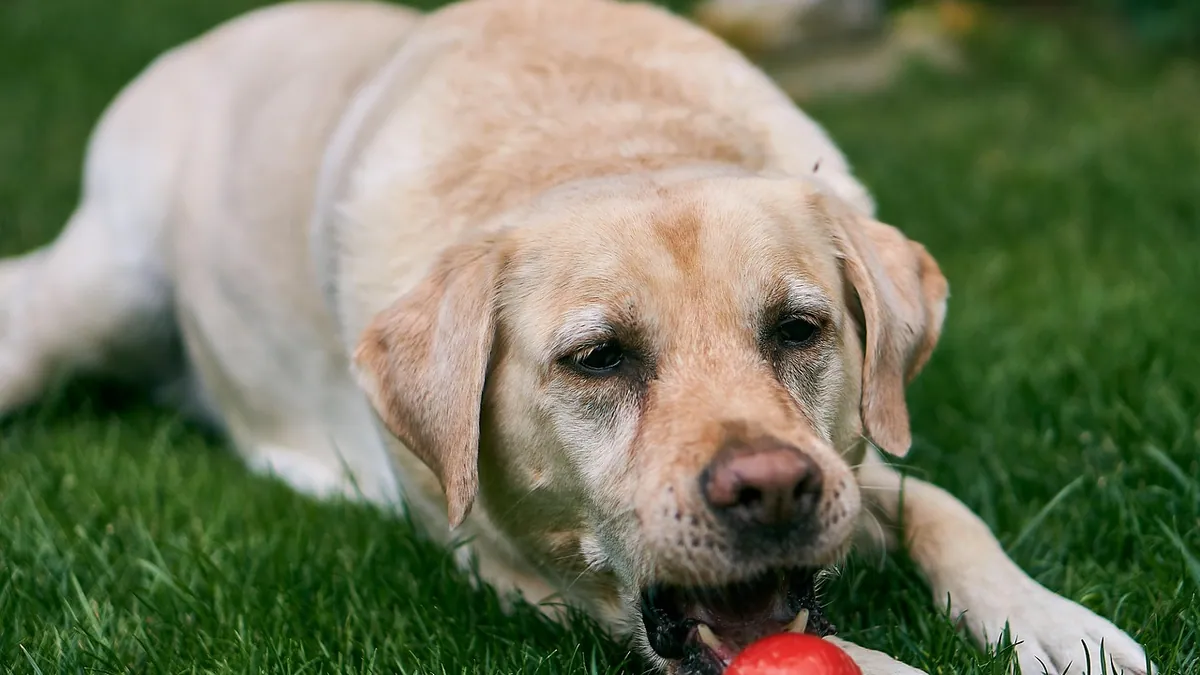
If your dog eats everything in sight, the fix starts with two things: ruling out a medical cause and managing the environment so scavenging stops paying off. Most dogs who eat everything are not sick, they are bored, hungry, or simply doing what dogs are wired to do. This guide explains how to stop my dog from eating everything with practical training, enrichment, and safety steps.
This article is educational and is not a substitute for veterinary diagnosis or treatment.
Quick Answer
- See your veterinarian first if the behavior started suddenly in an adult dog, or if your dog is also vomiting, losing weight, or has diarrhea. A physical cause needs to be checked before training.
- Manage the space before you train. Pick up trash, close lids, and use baby gates or a crate when you cannot watch your dog.
- Teach a strong "leave it" and "drop it," and reward your dog for ignoring food on the floor.
- Feed measured meals on a schedule, and use food puzzles and scatter feeding so mealtime takes longer and satisfies natural foraging.
- Feed dogs in separate rooms or behind barriers if one dog steals the other's food.
Why Dogs Eat Everything
Normal dog behavior comes first
Dogs explore the world with their noses and mouths. Puppies mouth everything as part of learning. Adult dogs scavenge because finding food is rewarding, and the behavior repeats every time it works.
Hunger state changes how dogs behave around food. In a scent detection task, dogs whined more and engaged more with the feeder and the apparatus when they had not eaten breakfast, a pattern consistent with mild frustration [1]. A hungry dog is more motivated to hunt for food, and your kitchen floor is an easy target.
Diet and body condition matter too. Overweight and obese dogs on calorie-restricted weight loss programs lost about 4.5% of body weight across diet types, and the type of food did not change that result [2]. If your dog is on a reducing diet, hunger can drive scavenging, so your vet's plan needs to include how to manage it.
Pica versus plain scavenging
Scavenging means eating food or food-like items. Pica means eating non-food items such as rocks, fabric, or plastic. Pica is not well understood in veterinary research, and it can be dangerous because of blockages and toxicity. Sudden pica in an adult dog deserves a veterinary exam.
Why some dogs eat very fast
Fast eating is often a learned habit, especially in homes with other dogs or a history of competition for food. It can also happen when meals are small or spaced too far apart. Eating quickly raises the risk of choking, vomiting, and bloat in deep-chested breeds.
Why one dog eats the other dog's food
This is usually a resource issue, not a personality flaw. The faster dog learns that finishing first means getting more. The slower dog learns to eat fast or to guard the bowl. Both patterns get worse over time if you keep feeding them in the same room.
Medical Causes to Rule Out
Before you build a training plan, have your veterinarian examine your dog. Several medical problems can look like a sudden obsession with eating everything.
- Intestinal parasites and other gastrointestinal disease can increase appetite or cause a dog to eat odd things.
- Endocrine disease such as diabetes or thyroid problems can change appetite and weight.
- Malabsorption means food is not fully used, so the dog stays hungry.
- Medications can increase appetite. Appetite stimulants are used in dogs who will not eat, and mirtazapine increased food acceptance on the first day in a placebo-controlled trial, with the effect not maintained on the second day [3]. If your dog is on any appetite-related drug, ask your vet whether the dose or drug needs review.
- Pain, dental disease, and nausea can also change eating behavior in ways owners misread.
Bring a list of everything your dog eats, including treats, table food, and anything stolen. Bring a stool sample if your vet asks. If your dog is not eating at all instead, that is a different problem, and you can read about it in Why Is My Dog Not Eating? and Dog Not Eating but Drinking Water: What to Do.
When Eating Everything Becomes a Problem
Scavenging is a problem when it puts your dog at risk, harms your household, or points to an underlying illness.
- Your dog swallows objects that can block the intestine (socks, toys, bones, corn cobs, tampons).
- Your dog eats things that are toxic (chocolate, grapes, raisins, xylitol, some plants, human medications).
- Your dog eats so fast that they vomit, gag, or gulp air.
- Your dog steals food from counters, trash, or other pets, which creates conflict and weight gain.
- Your dog eats non-food items on purpose, which suggests pica.
Dogs also scavenge in ways that surprise owners. A forensic review of indoor canine scavenging found that dogs can modify and scatter body parts when a body is accessible, which creates challenges for determining cause and time of death [4]. That is an extreme example, but it shows how strong the drive to consume accessible material can be. In a normal home, the practical lesson is the same: access drives the behavior.
How to Stop My Dog from Eating Everything: Step by Step
Step 1: Remove access
You cannot train a dog who is practicing the behavior all day. Management is the fastest way to reduce it.
- Put trash cans behind closed cabinet doors or use locking lids.
- Keep counters clear and use a covered bin for compost.
- Close doors to bathrooms, laundry rooms, and cat litter areas.
- Use baby gates or an exercise pen when you cannot supervise.
- Crate your dog during meals if they raid the kitchen.
Step 2: Change how you feed
Feed measured meals at set times instead of leaving food down all day. Use a slow feeder bowl, a snuffle mat, or scatter feeding in a safe area to stretch mealtime. This gives your dog a legal way to forage.
If your dog eats quickly, split the meal into two or three small portions served a few minutes apart. A food puzzle can slow a fast eater and add mental work. If your dog is on a weight loss plan, ask your vet how to divide the daily calories across puzzles and meals so the plan still works [2].
Step 3: Teach "leave it" and "drop it"
These two cues do most of the heavy lifting.
- "Leave it" means do not touch that item. Start with a low-value treat in your closed hand. When your dog stops nosing your hand, mark and reward from your other hand.
- Move to a treat on the floor under your shoe, then to items at a distance.
- "Drop it" means release what is already in the mouth. Practice with a toy your dog likes, trade for a high-value treat, and reward the release.
- Practice in short sessions, several times a day. Keep it easy enough that your dog succeeds most of the time.
Step 4: Add enrichment
A tired, busy dog scavenges less. Rotate these through the week.
- Food puzzles and snuffle mats.
- Frozen stuffed toys.
- Scent games in the yard or hallway.
- Chew items that are safe and size-appropriate.
- Training games that use food as rewards.
Step 5: Stop food stealing between dogs
This is one of the most common reasons owners search for how to stop my dog from eating everything. The fix is separation, not correction.
- Feed each dog in its own room, crate, or behind a gate.
- Pick up bowls as soon as each dog finishes.
- Do not free-feed in a multi-dog home.
- If one dog guards food, contact a certified behavior professional. Food guarding can escalate to bites.
Step 6: Keep a log
Write down what your dog ate, where, and when. Note whether the behavior happens more when your dog is hungry, bored, or unsupervised. This log helps your veterinarian and your trainer see patterns, and it helps you measure progress.
What Not to Do
Do not punish scavenging after the fact
Dogs do not connect punishment to something they did minutes ago. Yelling, hitting, or scruffing creates fear and can make a dog swallow faster to avoid being caught. It can also trigger guarding.
Do not use aversive tools to stop mouthing
Shock collars, spray collars, and shake cans are not a safe fix for pica or scavenging. They can suppress the behavior in your presence while it continues when you are gone.
Do not rely on myths
- "He will grow out of it." Some puppies do, but many do not without training.
- "He must be missing a nutrient." This is possible but uncommon, and it is not a reason to skip a vet exam.
- "If I just feed more, he will stop." More food can cause weight gain without fixing the behavior. If your dog is genuinely hungry on a diet, your vet can adjust the plan [2].
- "He only does it when I am not looking." That is normal. Scavenging is reinforced by the food itself, not by your reaction.
Do not let your dog rehearse the behavior
Every successful raid teaches your dog that scavenging works. Prevention is training.
When to Get Professional Help
Call your veterinarian if the behavior is new, sudden, or getting worse, or if your dog has any vomiting, diarrhea, weight loss, or appetite change. Your vet can rule out medical causes and discuss whether a referral is needed.
Ask for a referral to a veterinarian who specializes in behavior or a certified applied animal behaviorist if:
- Your dog eats non-food items (pica) and has already needed treatment for a blockage.
- Your dog guards food, toys, or stolen items from people or other pets.
- Your dog eats so fast that they vomit or show signs of bloat risk.
- Training at home has not worked after several weeks of consistent effort.
- You feel overwhelmed or worried about your dog's safety.
If your dog swallows something toxic or a foreign object, call your veterinarian or a pet poison hotline right away. Do not wait for symptoms.
Limitations and When to Contact a Veterinarian
No article can tell you what is safe for your specific dog. Your veterinarian needs to examine your dog and review the diet, medications, and home setup before you make major changes.
Contact your veterinarian the same day if your dog:
- Ate something toxic, such as chocolate, grapes, raisins, xylitol, or human medication.
- Ate a sharp object, string, sock, or toy.
- Is vomiting, drooling, gagging, or retching.
- Seems painful in the belly or is pacing and unable to settle.
Go to an emergency clinic now if your dog:
- Has a swollen, hard belly, especially a deep-chested breed.
- Is retching without producing anything.
- Is weak, collapsing, or breathing hard.
- Has bloody vomit or bloody diarrhea.
- Cannot keep water down.
Schedule a routine visit if your dog:
- Has gradually started eating more or eating odd items.
- Is losing weight or gaining weight without a diet change.
- Has soft stool, gas, or changes in appetite.
- Is on a weight loss plan and seems constantly hungry.
If your dog stops eating instead, that is a separate concern. Read How Long Can The Dog Go Without Eating and How Long Can A Dog Go Without Eating Their Food for guidance on timing. If your dog eats poop specifically, see How to Stop a Dog from Eating Poop: Causes and Solutions.
Frequently Asked Questions
Why does my dog eat everything all of a sudden?
A sudden change in an adult dog usually points to a medical cause or a major change in routine, so start with a vet visit. Pain, nausea, parasites, and endocrine disease can all change appetite. If your dog is otherwise healthy, look for a recent change in food amount, schedule, or household stress.
How do I stop my dog from eating so fast?
Use a slow feeder, a snuffle mat, or scatter feeding, and split the meal into smaller portions served a few minutes apart. Feed your dog alone if other pets are nearby. If your dog vomits, gags, or gulps air while eating, ask your vet to check for underlying problems.
How do I stop my dog from eating my other dog's food?
Feed each dog in a separate room, crate, or behind a gate, and pick up bowls as soon as each dog finishes. Do not free-feed in a multi-dog home. If either dog guards food, stop feeding them together and contact a certified behavior professional.
Is it normal for puppies to eat everything?
Yes, mouthing and exploring with the mouth is normal for puppies. It still needs management because puppies can swallow dangerous objects. The gut microbiota of puppies changes with age and with factors such as diet and gastrointestinal health, so sudden diet changes or stomach upset can affect how they feel and eat [5].
Can a dog eat too much and get sick?
Yes. Overeating can cause vomiting and diarrhea, and eating non-food items can cause a blockage. If your dog ate a large amount of food, a toxic item, or an object, call your veterinarian or a pet poison hotline right away. Do not wait for symptoms to appear.
Related Articles
- How to Stop a Dog from Eating Poop: Causes and Solutions
- Why Is My Dog Not Eating?
- Dog Not Eating but Drinking Water: What to Do
- How Long Can The Dog Go Without Eating
- How Long Can A Dog Go Without Eating Their Food
- Why Is My Dog Licking Everything?
- How to Stop Your Dog from Eating Cat Poop and Food
- How to Stop Food Aggression in Dogs
- How to Stop a Dog From Mouthing and Nipping
- Canine Intestinal Parasites: Treatment Protocols and Prevention
References
- Effects of feeding on dogs' frustration-related behaviours during a laboratory-based scent detection task. Behavioural processes, 2026.
- Effects of caloric restriction and different diet types on weight loss, metabolic profile and behavior of overweight and obese dogs. Veterinary journal (London, England : 1997), 2026.
- Evaluation of the Short-Term Effects of Mirtazapine on Appetite Stimulants in Dogs: A Retrospective Study and a Placebo-Controlled Trial. Animals : an open access journal from MDPI, 2025.
- Indoor domestic canine scavenging: A literature review. Forensic science international, 2025.
- The gut microbiota of Labrador retriever puppies: a longitudinal cohort study. Animal microbiome, 2025.