How to Stop Food Aggression in Dogs
By Dr. Zubair Khalid, DVM, MS, PhD ·
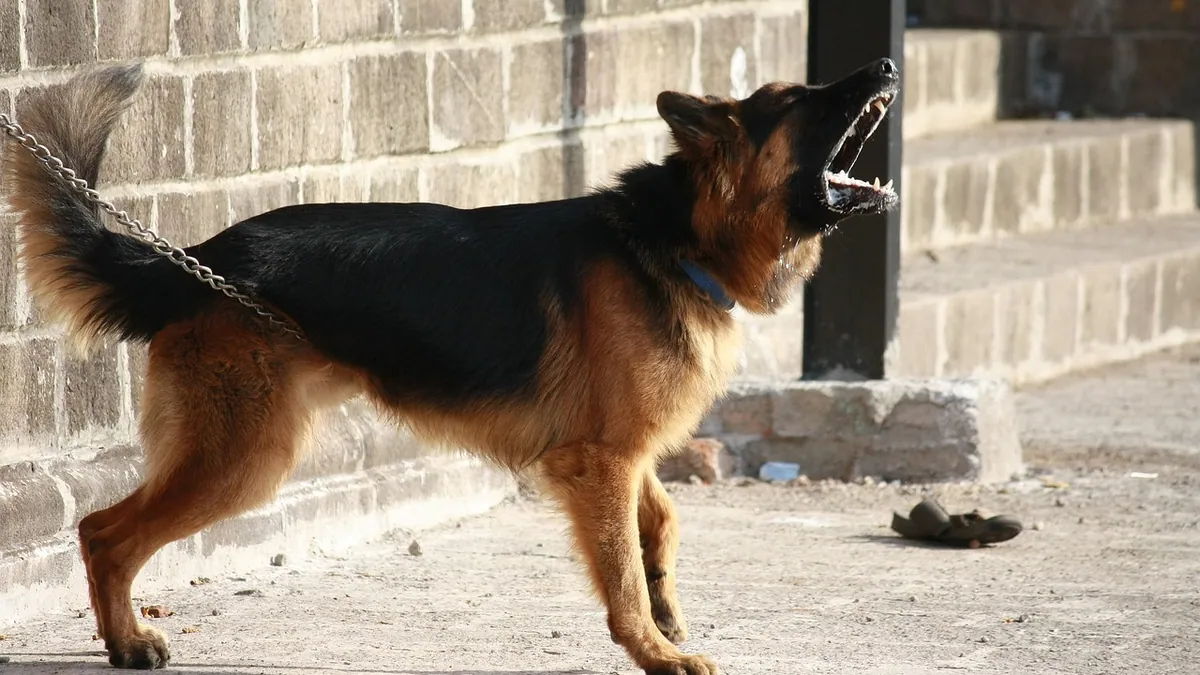
Food aggression in dogs is a normal survival instinct that becomes a problem when it turns into growling, lunging, or biting near food. You can manage most cases safely by changing how and where your dog eats, avoiding confrontation, and rewarding calm behavior. This article is educational and is not a substitute for veterinary diagnosis or treatment.
Quick Answer
- Never take food or chews away from a growling dog. That is how bites happen.
- Feed your dog alone in a separate room, crate, or behind a barrier so no one approaches the bowl.
- Rule out pain, dental disease, and other medical causes with your veterinarian before starting training.
- Use a hands-off approach: toss high-value treats toward the bowl from a distance instead of reaching for it.
- Call a veterinarian or certified behavior professional if your dog has bitten, snapped at a child, or guards food from everyone in the home.
Why Dogs Guard Food
Resource guarding is the preferred term among canine behavior experts for this pattern of controlling access to something valuable [1]. The behavior can range from mild, like running away with a stolen item or growling when someone comes near, to serious aggression such as biting or chasing a person away [2].
Dogs vary in what they consider worth guarding. Some only guard chew bones or toys. Some guard stolen items like food wrappers or socks. Many dogs guard food [2]. Your dog may guard from certain people only, often strangers, or from everyone in the household [2].
Several normal reasons drive the behavior:
- Competition. If your dog grew up with other dogs or had to compete for meals, guarding may be learned.
- Anxiety about scarcity. A dog who is unsure when the next meal comes may feel more motivated to protect what is in the bowl.
- Genetics and temperament. Some dogs are simply more reactive around high-value items.
- Past punishment. A dog who was scolded or hit near food may learn that people near the bowl predict something bad, which can make guarding worse.
One common belief is that underweight or emaciated dogs are more likely to guard food. A study of 900 dogs from cruelty cases found that underweight dogs were not more likely to display food aggression, and when they did, the aggression was no more severe than that of normal-weight dogs [3]. The same study found that 9.2% of dogs across all cruelty cases were aggressive over food, chews, or both, and that female dogs were less likely to show food aggression than males [3].
Medical Causes to Rule Out First
Before you treat this as a training problem, have your veterinarian examine your dog. Pain, dental disease, arthritis, vision loss, and cognitive changes in older dogs can all make a dog more reactive around food. A dog who suddenly starts guarding after years of eating calmly needs a medical workup.
Your veterinarian will ask about the situations that upset your dog, who was involved, when and where it happened, and what seemed to stop the reaction [4]. Those details help clarify what triggers the behavior and point toward an accurate diagnosis [4].
Diet may also play a role. A study of golden retrievers eating commercial dry food found that dogs on high-protein diets (30% or more) were 1.3 times more likely to show dog rivalry compared with dogs on medium-protein diets (21% to 29%) [5]. Dogs on low-protein diets (20% or less) were 1.4 times more likely to show separation-related behavior [5]. This does not mean you should change your dog's food on your own. Ask your veterinarian whether your dog's diet fits their health and behavior needs.
When Food Guarding Becomes a Problem
In many cases, food guarding does not need to be treated. Plenty of owners with food-guarding dogs simply take reasonable precautions to keep everyone safe. They leave the dog alone while eating, feed in a separate room, crate, or behind a barrier, provide enough food so the dog feels less motivated to guard, and never try to take stolen or scavenged food away [2].
The behavior crosses into a problem when:
- Your dog bites or attempts to bite a person.
- A child, visitor, or another pet is at risk.
- Your dog guards food from every person in the home.
- The behavior is getting worse over time.
- You feel afraid to feed your own dog.
Bites to children are a serious concern. A review of dogs referred to a university veterinary behavior clinic for aggression found that most children were bitten by dogs with no history of biting children, and that common measures like neutering and training were not routinely effective deterrents [6]. That is why management and professional guidance matter more than quick fixes.
How to Stop My Dog From Food Aggression: Step by Step
The goal is not to prove you can take the bowl away. The goal is to teach your dog that people near food predict good things, not threats. Work slowly, and stop if your dog shows any sign of tension.
Step 1: Change the Feeding Setup
Feed your dog in a quiet, low-traffic area. A closed room, a crate, or a baby gate works well. Put the bowl down, walk away, and let your dog eat in peace [2]. If you have multiple pets, feed them in separate spaces so no one feels competition.
Step 2: Meet Basic Needs
Make sure your dog gets enough food at each meal and enough daily exercise and mental activity. A tired, well-fed dog has less reason to feel defensive about a bowl [2]. Puzzle feeders and food-dispensing toys can also spread meals out and reduce the intensity of guarding at a single bowl.
Step 3: Build Positive Associations From a Distance
Once your dog eats calmly with you nearby, you can add gentle training. Stand several feet away and toss a high-value treat toward the bowl, then walk away. Repeat over many sessions. The message is simple: a person approaching means something good gets added, never taken away.
Step 4: Practice "Trade" With Low-Value Items
Teach your dog that giving something up leads to something better. Offer a low-value item, then toss a better treat away from the item and pick it up while your dog eats the treat. Build this skill with toys and chews before you ever try it with a full food bowl. For dogs with a bite history, do this only with a professional.
Step 5: Manage the Environment
Use barriers, closed doors, and separate feeding times. Never let children approach a dog who is eating, chewing, or has a stolen item. Teach kids to leave the dog alone during meals and to tell an adult if the dog growls.
Step 6: Add Enrichment and Training
Daily training sessions that reward calm behavior build impulse control. For general behavior work, see Dog Training To Help With Aggression and How To Fix Dog Behavior Problems. If your dog also shows aggression in other contexts, review Dog Behavior Problems Aggression before you start any new plan.
What Not to Do
Punishment is the most common way owners make food aggression worse. Here is what to avoid:
- Do not take the bowl away to "show who is boss." This confirms your dog's fear that people near food take things away.
- Do not stick your hand in the bowl while your dog eats. That is a bite waiting to happen.
- Do not punish growling. Growling is a warning. If you suppress it, your dog may skip the warning and bite instead.
- Do not chase a dog who has stolen food. Chasing turns a minor problem into a confrontation [2].
- Do not rely on neutering or basic obedience alone. A review of dogs referred for aggression found that common calming measures like neutering and training were not routinely effective deterrents [6].
- Do not assume a shelter label tells the whole story. A study of adopted dogs found that more than half of dogs assessed as resource guarding in the shelter or by surrendering owners did not show guarding after adoption [7]. Behavior in one setting does not always predict behavior in another.
When to Get Professional Help
Call your veterinarian if your dog has bitten anyone, snapped at a child, or if the guarding is getting worse. Your veterinarian can rule out medical causes and refer you to a certified behavior professional who uses reward-based methods.
If your dog has bitten and broken skin, seek medical care for the person first, then contact your veterinarian and your local animal control as required by law. A dog with a bite history needs a professional behavior plan, not a do-it-yourself approach.
For dogs with milder guarding, a routine veterinary visit is a good starting point. Bring notes about what triggers the behavior, who is involved, and what happens before and after [4]. That information helps your veterinarian build an accurate picture and a safe plan.
Limitations and When to Contact a Veterinarian
This article covers general management. Individual cases need a veterinarian who can examine your dog, review the history, and coordinate with a behavior professional.
Contact your veterinarian the same day if:
- Your dog growled, snapped, or lunged at a person near food for the first time.
- Your dog suddenly started guarding food after years of eating calmly.
- Your dog shows pain signs while eating, such as dropping food, chewing on one side, or avoiding the bowl.
Seek emergency care now if:
- A person was bitten and the wound is deep, bleeding heavily, or on the face, hands, or a child.
- Your dog swallowed a bone, wrapper, or object and is vomiting, retching, or lethargic.
- Your dog is unable to eat or drink.
Schedule a routine visit if:
- Your dog guards food only from certain people and has never bitten.
- You want help choosing a diet or a training plan.
- You need a referral to a certified behavior professional.
Frequently Asked Questions
Should I take my dog's food bowl away to show I am in charge?
No. Taking the bowl away teaches your dog that people near food are a threat, which can make guarding worse. Feed your dog alone in a separate space and build trust with treats tossed from a distance instead [2].
Will my dog grow out of food aggression?
Some dogs improve with maturity and management, but many need a structured plan. A study of adopted dogs found that more than half of dogs labeled as resource guarding in a shelter did not show guarding in their new home, so behavior can change with environment [7]. If your dog has bitten, do not wait for it to fade on its own.
Can I train food aggression away on my own?
Mild cases often improve with management and reward-based training at home. If your dog has bitten, snapped at a child, or guards from everyone in the household, work with a veterinarian and a certified behavior professional. A review of aggression cases found that common measures like neutering and training were not routinely effective deterrents on their own [6].
Does a high-protein diet cause food aggression?
Diet and aggression are linked in complex ways. One study found dogs on high-protein diets were 1.3 times more likely to show dog rivalry than dogs on medium-protein diets [5]. That does not prove cause and effect. Ask your veterinarian before changing your dog's food.
Is food aggression the same as resource guarding?
Experts prefer the term resource guarding for this behavior pattern [1]. Food guarding is one type of resource guarding, along with guarding toys, chews, stolen items, and resting spots [2]. The management approach is similar: avoid confrontation, reduce competition, and reward calm behavior.
Related Articles
- Dog Behaviour Problems Aggression
- Dog Behavior Problems Aggression
- Dog Training To Help With Aggression
- How To Fix Dog Behavior Problems
- Dog Training Tips For Aggressive Behavior
- Resource Guarding in Multi-Dog Homes: Managing Food and Toy Aggression
- Food Aggression in Cats: Why It Happens and How to Stop It
- Dog Attacking Other Dogs in the Home: How to Stop It
- How to Stop Dog and Cat Aggression Toward Each Other
References
- Defining and Clarifying the Terms Canine Possessive Aggression and Resource Guarding: A Study of Expert Opinion. Frontiers in veterinary science, 2018.
- Food Guarding. ASPCA Animal Poison Control Center.
- Are Underweight Shelter Dogs More Likely to Display Food Aggression toward Humans?. Animals : an open access journal from MDPI, 2019.
- Aggression. ASPCA Animal Poison Control Center.
- Association Between Protein Content in Dry Dog Food and Aggression in Golden Retriever Dogs. Journal of the American Animal Hospital Association, 2025.
- Behavioral assessment of child-directed canine aggression. Injury prevention : journal of the International Society for Child and Adolescent Injury Prevention, 2007.
- Abilities of Canine Shelter Behavioral Evaluations and Owner Surrender Profiles to Predict Resource Guarding in Adoptive Homes. Animals : an open access journal from MDPI, 2020.