How to Stop a Dog From Mouthing and Nipping
By Dr. Zubair Khalid, DVM, MS, PhD ·
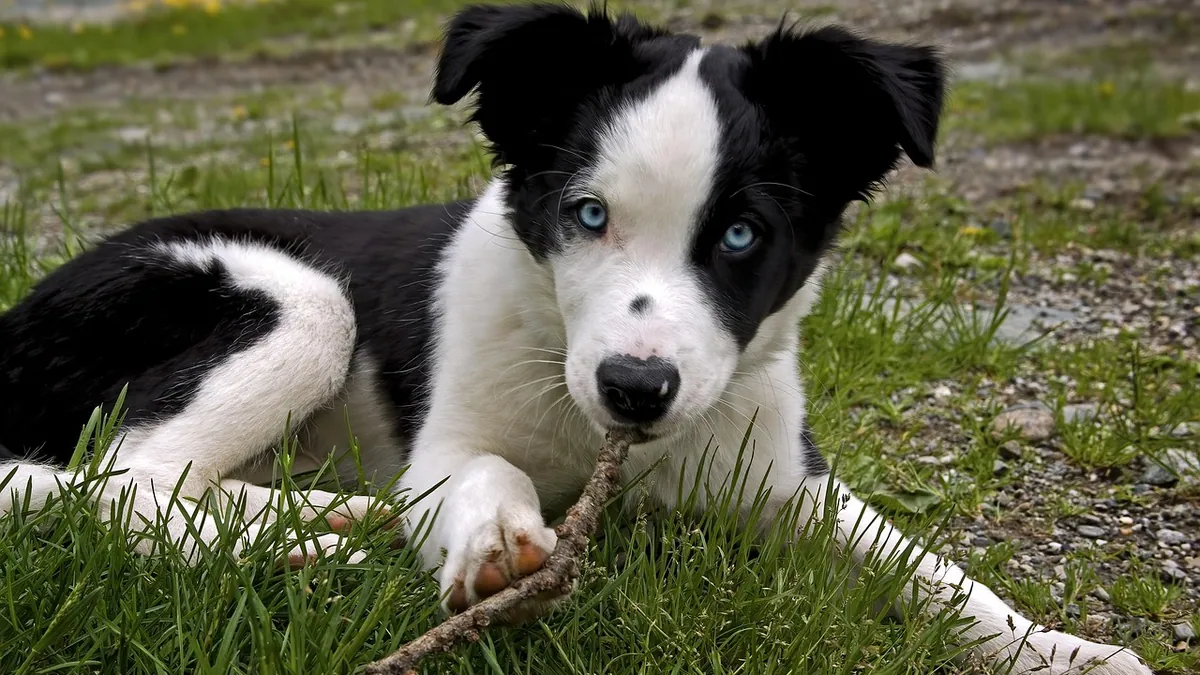
Mouthing is a normal dog behavior, especially in puppies, but you can teach your dog to use his mouth gently or not at all. The fastest progress comes from rewarding calm behavior, giving your dog legal things to chew, and ending play the moment teeth touch skin. This article is educational and is not a substitute for veterinary diagnosis or treatment.
Quick Answer
- Teach bite inhibition first. Your dog needs to learn that human skin is sensitive and that his mouth must be gentle around people [1].
- React instantly. When teeth touch you, freeze, stop moving, and pause all interaction. The second your dog stops, praise him and offer a toy [1].
- Reward what you want. Training that reinforces acceptable behavior works better than punishment for unwanted behavior [2].
- Give legal outlets. Chewing is a natural oral behavior, and appropriate chew toys can reduce unwanted mouthing [3].
- Get help early if the behavior is intense, painful, or paired with a stiff body, because that pattern can point to aggression instead of play [4].
Why Dogs Mouth and Nip
Mouthing is how dogs explore, play, and communicate. Puppies mouth everything because they are learning how their jaws work and how much pressure is too much. Adult dogs mouth during play, when they get excited, or when they have learned that nipping gets a reaction.
Normal Puppy Mouthing
Puppies use their mouths the way children use their hands. They grab, tug, and chew to investigate the world. The goal is not to eliminate mouthing overnight. The first goal is to teach your puppy that people have very sensitive skin, so he must be very gentle when using his mouth [1].
Bite inhibition is the skill behind that lesson. It means your dog can control the force of his mouthing. A puppy or dog who has not learned bite inhibition with people does not recognize how sensitive human skin is, so he bites too hard even in play [1]. Dogs who learn to mouth gently around people may be less likely to bite hard and break skin if they ever bite in a situation outside of play, such as when they are afraid or in pain [1].
Normal Adult Dog Mouthing
Adult dogs still mouth during play and interaction. The problem is that adult jaws cause much more pain than puppy teeth, and an adult dog can accidentally injure you while mouthing [4]. Mouthing is often harder to reduce in adult dogs because adults are less sensitive to our reactions than puppies are, and they are usually harder to control physically because of their size [4].
Mouthing That Is Not Play
Some dogs bite out of fear or frustration, and that type of biting can point to aggression [4]. Playful mouthing usually looks loose. A playful dog often has a relaxed body and face, and his muzzle might look wrinkled without much tension in his facial muscles [4]. Aggressive biting usually looks stiff. The dog may wrinkle his muzzle and pull back his lips to expose his teeth, and serious bites are usually quicker and more painful than play bites [4].
Medical Causes to Rule Out Before Training
Most mouthing is behavioral, but a veterinarian should check for pain and illness when mouthing starts suddenly in an adult dog or gets worse without a clear trigger.
Dental pain, oral injury, arthritis, skin irritation, and gut discomfort can all make a dog crankier and more mouthy. A dog in pain may grab at hands during handling, guard his body, or nip when you touch a sore area. If your dog also licks or chews at his paws, that can be part of a broader irritation or allergy picture, and it is worth reading about Dog Licking Paws How To Stop.
Some dogs have underlying conditions that affect impulse control. In one reported case, a 7-month-old Golden Retriever was referred for owner-directed aggression during intense emotional arousal, with a limited ability to calm down and inhibit impulsive motor patterns. The dog was diagnosed with hypersensitivity-hyperactivity syndrome, an ADHD-like neurodevelopmental condition linked to hyperactivity, impulsivity, and reduced behavioral inhibition [5]. That case is uncommon, but it shows why a veterinarian should evaluate severe, early, or escalating mouthing instead of assuming it is only a training gap.
Medication is not a first step for routine mouthing. When medication is used for a behavior condition, the veterinarian calculates the dose from your pet's weight and health, and monitoring is part of the plan.
When Mouthing Becomes a Problem
Mouthing becomes a problem when it hurts, breaks skin, damages clothing, or happens outside play. Inappropriate mouthing is common in adolescent and adult dogs, and it can be triggered by arousal, conflict, inappropriate play, or a history of being rewarded for the behavior, often without the owner realizing it [6].
It may start with soft bites and nips at a person's hands or feet, then escalate to jumping and grabbing at clothes or body parts, sometimes causing torn clothing and bruises [6]. That escalation is the point where training alone may not be enough.
Watch for the signs that come before mouthing. Every dog is an individual and may show different behaviors before he starts mouthing, but common signs include a fixed stare, a stiff body, a wagging tail that is held high and rigid, and a sudden freeze [6]. Recognizing those signs lets you manage and modify the behavior quickly and appropriately [6].
How to Stop My Dog From Mouthing: Step by Step
Training works best when you set your dog up to succeed. That means controlling the environment, rewarding the behavior you want, and removing the reward for mouthing.
Step 1: Teach Bite Inhibition
Start with gentle mouthing, not zero mouthing. When your dog's teeth touch your skin, make a brief high-pitched yelp or say "ouch" in a sharp tone, then stop all play for a few seconds. The goal is to teach your dog that people have very sensitive skin, so he must be very gentle when using his mouth [1]. If he backs off, praise him and resume calm interaction.
Step 2: Freeze Instead of Pulling Away
If your puppy bites at your feet and ankles, carry his favorite tug toy in your pocket. Whenever he ambushes you, instantly stop moving your feet, take out the tug toy, and wave it enticingly. When your puppy grabs the toy, start moving again [1]. If you do not have the toy available, just freeze and wait for your puppy to stop mouthing you. The second he stops, praise him and get a toy to reward him. Repeat these steps until your puppy gets used to watching you move around without going after your feet or ankles [1].
Step 3: End Play Every Time Teeth Touch Skin
Mouthing during play is often reinforced by the fun continuing. When teeth touch you, stand up, turn away, and remove your attention for 10 to 20 seconds. Then offer a toy and restart play only if your dog takes the toy. This teaches your dog that teeth on skin ends the game, while teeth on a toy keeps it going.
Step 4: Teach an Alternative Behavior
Instead of only stopping mouthing, teach your dog what to do instead. Ask for a sit, a hand target, or a retrieve. Training that reinforces acceptable behavior is the foundation of preventing and managing common puppy behavior problems [2]. A dog who is busy holding a toy or sitting for a reward has no mouth free for your hands.
Step 5: Use Enrichment and Chew Toys
Chewing and mouthing are natural oral behaviors in dogs, particularly during puppyhood, yet owners often report them as nuisance behaviors [3]. Providing appropriate enrichment items, such as scented chew toys, is commonly recommended to reduce these undesirable behaviors [3]. In one study, dogs interacted with both non-scented rubber chew toys and peanut butter-scented squeaker toys, and owners reported on chewing and mouthing at home before and after a one-week period with one of the toys [3]. The study looked at engagement and owner ratings, so it does not prove that any single toy will fix mouthing. Still, the practical takeaway is simple: a dog with a satisfying chew option is less likely to use your hands as the toy.
Choose chew toys that are the right size and hardness for your dog, and replace them when they crack or wear down. Chewing and mouthing behaviors lead to oral exposure to chemicals in some plastic toys and training devices, and one study found that phthalates and bisphenol A leached from dog toys and bumpers into synthetic canine saliva [7]. Toys leached substantially lower concentrations than bumpers in that study, with one exception [7]. Wash toys regularly, retire damaged ones, and ask your veterinarian if you are unsure about a specific product.
Step 6: Change the Cues Around the Behavior
You can also reduce mouthing by changing what predicts it. In one study, conditional discrimination training using positive reinforcement reduced jumping and mouthing in a pet dog. After training, the unwanted behaviors occurred reliably in the presence of new cues, while other behaviors occurred in the presence of the cues that had previously produced the unwanted behaviors [8]. In plain terms, you can teach your dog that certain situations mean "settle and chew" instead of "grab hands." A trainer can help you build that kind of cue control.
Step 7: Manage the Environment
Management prevents your dog from practicing the behavior when you cannot actively train. Good management means your dog does not get to rehearse the unwanted behavior, which makes it easier to teach him not to do those behaviors [6]. Management options include no-go zones, crates, and draglines [6]. If your dog mouths every time guests arrive, put him behind a gate with a chew toy before the doorbell rings.
Step 8: Be Consistent Across the Household
Everyone in the home must respond the same way. If one person laughs when the puppy nips and another person yells, the puppy gets mixed information. Write down your plan, keep sessions short, and track what triggers the mouthing. Most puppies improve within weeks when the rules stay the same.
What Not to Do
Do not hit, slap, alpha roll, or grab your dog's muzzle. Punishment can increase fear, arousal, and defensive biting, and it does not teach the behavior you want. The focus should always be on rewarding acceptable behaviors instead of punishing unacceptable ones [2].
Do not yank your hand away fast during mouthing. Quick pulling can turn into a chase game and can also cause a scrape if a tooth catches your skin. Freeze, pause, then redirect to a toy [1].
Do not assume all mouthing is play. A stiff body, wrinkled muzzle with lips pulled back, and fast painful bites are signs of aggression, not play [4]. If you see those signs, stop the interaction and get professional help.
Do not rely on a single trick. Bite inhibition, redirection, enrichment, and management work together. Puppy Preschool classes are an ideal way to learn modern, humane training and socialization methods [2].
When to Involve a Veterinarian or Certified Behavior Professional
Call your veterinarian if mouthing starts suddenly in an adult dog, if your dog seems painful or avoids being touched, or if the behavior is getting worse despite consistent training. Your veterinarian can check for medical causes and help you decide whether a behavior specialist is needed.
Work with a certified behavior professional if your dog has bitten and broken skin, if bites happen when you approach food or toys, if your dog stiffens before biting, or if you feel unsafe at home. A board-certified veterinary behaviorist can build a plan that includes management, behavior modification, and, when appropriate, medication. In the reported case of the Golden Retriever with hypersensitivity-hyperactivity syndrome, a multimodal plan with environmental management and structured behavior modification was used, and fluoxetine at approximately 0.9 mg/kg/day was associated with a marked reduction in aggressive incidents and better arousal regulation [5]. That dose was specific to that dog and that case. Your veterinarian calculates any dose from your pet's weight and health.
If your dog's mouthing comes with other repetitive or anxious behaviors, such as whining or barking, those can be separate training projects. You can read more about them here: How to Stop a Dog from Whining: Causes and Training Tips and How To Get My Dog To Stop Barking. If nipping is your main concern, this guide goes deeper: How to Stop a Dog from Nipping: Training for Puppies and Adults.
Limitations and When to Contact a Veterinarian
This guidance covers typical puppy and adult mouthing. It cannot tell you whether your dog's behavior has a medical or aggression component. Individual cases need a veterinarian who can examine your dog and take a full history.
Contact your veterinarian the same day if your dog yelps when chewing, drools more than usual, has a swollen or painful mouth, refuses food, or starts mouthing only after a change in diet or medication. These can point to oral pain or another medical issue.
Go to an emergency clinic now if a bite broke your skin and will not stop bleeding, if a bite may have damaged a joint, tendon, or bone, if your dog cannot close his mouth, or if your dog shows sudden aggression toward people or other pets in the home.
Schedule a routine visit if mouthing has lasted more than a few weeks without improvement, if your dog is an adult and the behavior is new, or if you need help choosing a trainer or behaviorist. Your veterinarian can also confirm that your dog's vaccines and parasite prevention are current before group training classes.
Frequently Asked Questions
Should I let my puppy mouth my hands at all?
Yes, briefly, because puppies need to learn bite inhibition. The goal is to teach your puppy that people have very sensitive skin, so he must be very gentle when using his mouth [1]. Once he understands gentle pressure, you can phase out hand mouthing and redirect to toys.
How long does it take to stop a dog from mouthing?
Most puppies improve within a few weeks of consistent redirection, but the timeline depends on age, breed, arousal level, and how often the behavior is practiced. Adult dogs often take longer because they are less sensitive to our reactions and harder to control physically [4]. If there is no progress after several weeks of daily training, ask your veterinarian for a behavior referral.
Does yelling at my dog stop mouthing?
No. Yelling can raise arousal and turn mouthing into a fear or defensive response. The focus should always be on rewarding acceptable behaviors instead of punishing unacceptable ones [2]. A sharp "ouch" followed by a brief pause is different from yelling, because it marks the moment and removes attention.
Are chew toys enough to stop mouthing?
Chew toys help, but they are one part of the plan. Chewing and mouthing are natural oral behaviors, and appropriate enrichment items are often recommended to reduce them [3]. Pair chew toys with bite inhibition training, redirection, and management so your dog does not practice mouthing your hands.
Can mouthing be a sign of aggression?
Sometimes. Most mouthing is normal dog behavior, but some dogs bite out of fear or frustration, and that type of biting can indicate problems with aggression [4]. A playful dog usually has a relaxed body and face, while an aggressive dog often looks stiff and may pull back his lips to expose his teeth [4]. If you see those signs, stop the interaction and contact your veterinarian or a certified behavior professional.
Related Articles
- How to Stop a Dog from Nipping: Training for Puppies and Adults
- Dog Licking Paws How To Stop
- How to Stop a Dog from Whining: Causes and Training Tips
- How To Get My Dog To Stop Barking
- How To Train A Dog To Stop Barking
- How to Stop a Dog from Peeing When Excited or Scared
- Why Does My Dog Nibble on Me? Puppy Mouthing Explained
- How to Stop Food Aggression in Dogs
- How to Stop Your Dog from Eating Everything
References
- Mouthing, Nipping and Biting in Puppies. ASPCA Animal Poison Control Center.
- Preventing behavior problems in puppies and kittens. The Veterinary clinics of North America. Small animal practice, 2008.
- To chew or not to chew? Exploring the influence of scented chew toys on puppy chewing. Frontiers in behavioral neuroscience, 2025.
- Mouthing, Nipping and Play Biting in Adult Dogs. ASPCA Animal Poison Control Center.
- Adjunctive Huperzine A for owner-directed aggression associated with hypersensitivity-hyperactivity syndrome in a dog: a case report. Australian veterinary journal, 2026.
- Inappropriate Mouthing. ASPCA Animal Poison Control Center.
- Canine toys and training devices as sources of exposure to phthalates and bisphenol A: quantitation of chemicals in leachate and in vitro screening for endocrine activity. Chemosphere, 2013.
- Reducing the occurrence of mouthing and jumping in a dog through conditional discrimination training. Journal of the experimental analysis of behavior, 2022.