Dog Zoomies After Eating: Normal or a Bloat Risk?
By Dr. Zubair Khalid, DVM, MS, PhD ·
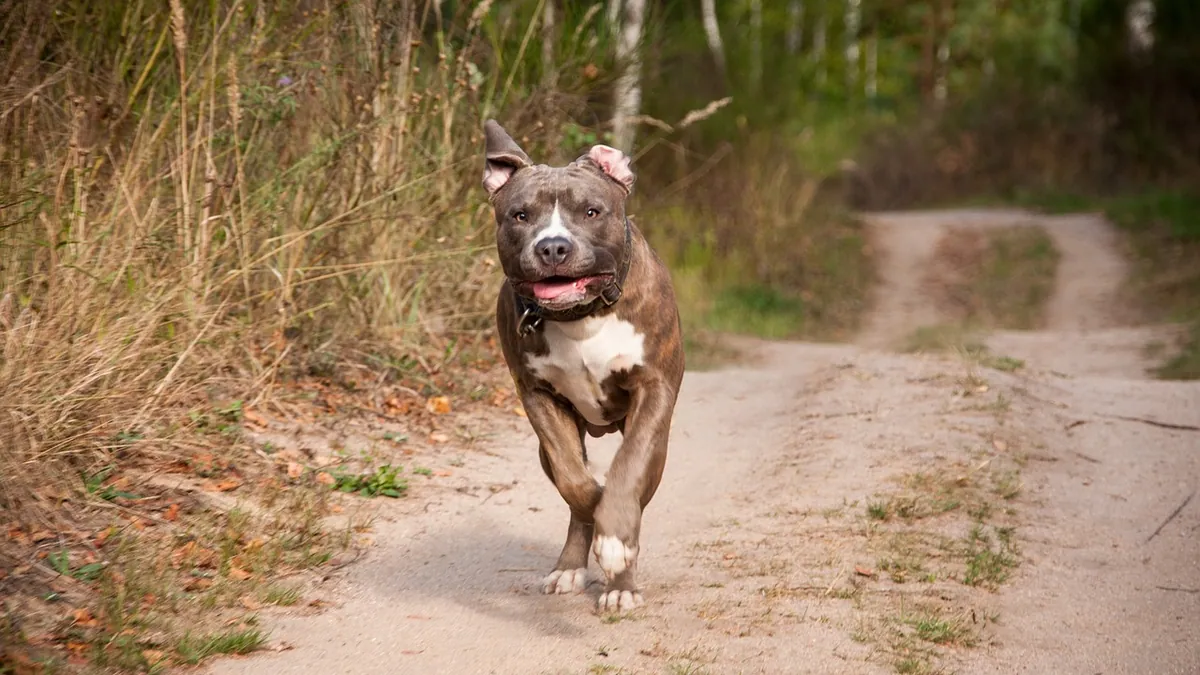
Dog zoomies after eating are sudden bursts of running, spinning, and racing around that many dogs do right after a meal. In most healthy dogs, this is normal playful energy and not a sign of illness. The real question is whether that burst of activity after eating could raise the risk of bloat, especially in large, deep-chested breeds.
This article is educational and is not a substitute for veterinary diagnosis or treatment.
Quick Answer
- Dog zoomies after eating are usually normal behavior, often triggered by excitement, routine, or a burst of energy after a meal.
- Bloat (gastric dilatation-volvulus, or GDV) is a serious, life-threatening emergency, and the biggest risk factors in a large U.S. study were being purebred, male, over 40 kg (about 88 lb), having a low body condition score, and being a Poodle or Poodle mix [1].
- That same study did not find a link between GDV and primary diet type or fearful or anxious behavior [1].
- If your dog is a deep-chested or large breed, it is reasonable to keep them calm for a short period after meals and avoid intense activity right after eating.
- Any dog with a swollen, hard, painful abdomen, unproductive retching, or collapse needs emergency veterinary care right away.
Why Does My Dog Get Zoomies After Eating?
Zoomies are those sudden, explosive bursts of running and spinning that dogs do when they seem to have a surge of energy. They are common and generally harmless in healthy dogs. The behavior is widely recognized by owners, and researchers have noted that people commonly observe these sudden bursts of physical movement in dogs [2].
Normal reasons for post-meal zoomies
Several everyday reasons explain why a dog might race around after eating.
- Excitement and routine. Meals are a highlight of the day. The anticipation and the reward of food can trigger a release of energy.
- A full stomach and a burst of energy. Some dogs simply feel energized after eating and want to move.
- Social attention. If you laugh, chase, or react when your dog zooms, the behavior can become a fun game.
- Young age. Puppies and young dogs often have more random bursts of energy, which is why owners search for "my puppy gets zoomies after eating."
- Stress or over-arousal. Sometimes zoomies are a way to release tension, especially if mealtime is exciting or there is competition for food in a multi-dog home.
For most dogs, these episodes last a short time and stop on their own. They are not a medical problem by themselves.
When zoomies might not be simple play
Occasionally, what looks like zoomies can overlap with discomfort. A dog with a painful or distended stomach may pace, stretch, or refuse to settle. If the behavior looks different from your dog's normal zoomies, or if it comes with vomiting, retching, or a tight belly, treat it as a medical concern and not as play.
Dog Zoomies After Eating and Bloat Risk
This is the concern that brings many owners to search "dog zoomies after eating bloat." It is a fair question, because bloat is one of the most feared emergencies in dogs.
What bloat actually is
Gastric dilatation-volvulus means the stomach fills with gas and then twists on itself. The twist traps gas and cuts off blood flow, which can quickly become fatal without surgery. In a study of 100 dogs with GDV, 89% had high blood lactate levels at presentation, and the most common acid-base problem was a mixed respiratory and metabolic acidosis [3]. These findings show how sick these dogs can become.
Does zoomies after eating cause bloat?
There is no strong evidence that a single episode of zoomies after a meal directly causes bloat. The largest recent U.S. study of GDV risk factors did not identify post-meal activity as a primary cause. Instead, it found increased odds of GDV in dogs that were purebred, male, over 40 kg, had a low body condition score, or were Poodles or Poodle mixes [1]. The same study found no increase in GDV odds linked to primary diet type or to fearful or anxious behavior [1].
That said, many veterinarians still advise caution with vigorous activity right after meals in high-risk breeds. This is a reasonable, low-cost precaution even if the exact link is not fully proven. If your dog is a large or deep-chested breed, keeping them calm after eating is a sensible habit.
Breeds and dogs at higher risk
If your dog is a large or deep-chested breed, talk with your veterinarian about their individual risk. Prophylactic gastropexy, a surgery that tacks the stomach to the body wall to prevent twisting, is increasingly recommended in large-breed dogs predisposed to GDV, and it can be combined with other elective procedures such as spaying to reduce surgical trauma and anesthesia exposure [4]. This is a decision to make with your veterinarian based on your dog's breed, size, and health.
Medical Causes to Rule Out
Most post-meal zoomies are behavioral. But some signs that owners mistake for zoomies can point to a medical problem.
Digestive upset
A dog with stomach or intestinal disease may pace, whine, or refuse to settle. Disorders of the stomach and intestines in dogs can cause vomiting, diarrhea, and abdominal pain. If your dog seems uncomfortable instead of playful, that is different from zoomies.
Pain or nausea
Nausea can make a dog restless. Pacing, lip licking, swallowing, and repeated position changes can look like agitation. If these happen around meals, your veterinarian should evaluate your dog.
Bloat and GDV
The most serious concern is GDV. Signs include a swollen, firm, painful abdomen, unproductive retching (trying to vomit with nothing coming up), drooling, restlessness, and collapse. This is a life-threatening emergency. If you see these signs, go to a veterinary emergency hospital immediately. For more detail, see Dog Swollen Stomach Bloat and Dog Bloated Stomach: Is It an Emergency?.
Other causes of restlessness
Pain anywhere in the body, anxiety, and cognitive changes in older dogs can all cause restlessness that owners describe as zoomies. A veterinary exam helps sort out the cause.
When Dog Zoomies After Eating Become a Problem
Zoomies are usually not a problem. They become a concern in a few situations.
- They happen in a high-risk breed after every meal. If your dog is a large or deep-chested breed, repeated intense activity right after eating is worth managing.
- They come with signs of pain or a swollen belly. This is an emergency.
- They cause injury. Slipping on hard floors, crashing into furniture, or jumping off stairs can lead to injuries.
- They are hard to interrupt. If your dog cannot settle and seems distressed, that is different from happy play.
- They interfere with eating or digestion. Some dogs vomit after zoomies, which can be a sign of eating too fast or a digestive issue.
If your dog vomits repeatedly or stops eating, see Dog Vomiting and Not Eating: How Long Before It's Serious? and Dog Not Eating: When to Worry and What to Do.
What to Do Step by Step
You can manage post-meal zoomies with a few simple changes.
1. Keep the period after meals calm
For high-risk breeds, keep your dog quiet for a short time after eating. A common approach is to avoid vigorous exercise, jumping, and rough play for about an hour after meals. Your veterinarian can give you a specific recommendation for your dog.
2. Slow down eating
If your dog inhales food, try a slow-feeder bowl or spread the meal out. Eating fast can trap air and cause discomfort. Smaller, more frequent meals may also help some dogs, but ask your veterinarian first.
3. Use enrichment before meals
Give your dog a puzzle toy, a sniff walk, or a training session before eating. This uses up energy and can reduce the post-meal explosion. Sniffing and scent work are mentally tiring for dogs.
4. Train a settle cue
Teach a simple "settle" or "mat" behavior. Reward your dog for lying calmly after meals. Practice when your dog is already calm, then build up to mealtime.
5. Manage the environment
Clear the area where your dog eats. Remove trip hazards and block stairs if your dog tends to race. Non-slip rugs help dogs who slip on hard floors.
6. Keep a log
Note when zoomies happen, how long they last, and whether any other signs appear. This helps your veterinarian decide if there is a medical issue.
What Not to Do
Avoid these common mistakes.
- Do not punish zoomies. Punishment can increase anxiety and make behavior worse. It also does not address any underlying cause.
- Do not chase or shout. This often adds to the excitement and can turn zoomies into a game.
- Do not assume it is always harmless. In a high-risk breed, a swollen belly or unproductive retching is an emergency, not a zoomie.
- Do not rely on myths. There is no evidence that a specific diet type or anxiety level causes GDV in the Dog Aging Project cohort [1]. Focus on proven risk factors and veterinary advice.
- Do not delay emergency care. If you suspect bloat, minutes matter. Go to the nearest emergency hospital.
When to Involve a Veterinarian or Behavior Professional
Contact your veterinarian if zoomies are new, intense, or come with vomiting, diarrhea, weight loss, or a change in appetite. If your dog is a large or deep-chested breed, ask about their individual GDV risk and whether a preventive gastropexy is appropriate. A procedure like this can be done with other elective surgeries to reduce anesthesia exposure [4].
If your dog is healthy but the behavior is hard to manage, a certified behavior professional can help with training and enrichment. If your dog shows signs of pain or a swollen abdomen, skip the trainer and go to a veterinarian right away.
Limitations and When to Contact a Veterinarian
This article gives general information. Every dog is different, and individual cases need a veterinarian who can examine your dog and review their history.
Contact a veterinarian the same day if your dog:
- Has a swollen or firm abdomen
- Is retching without producing vomit
- Is pacing, drooling, or unable to settle
- Vomits more than once or has diarrhea with lethargy
Go to an emergency hospital now if your dog:
- Has a distended, painful belly
- Is collapsing or weak
- Is struggling to breathe
- Has pale gums or a rapid heart rate
Schedule a routine visit if your dog:
- Has repeated zoomies after meals that worry you
- Is a large or deep-chested breed and you want to discuss GDV risk
- Has changes in appetite, weight, or energy
Frequently Asked Questions
Is it normal for my dog to get zoomies after eating?
Yes, it is usually normal. Most dogs zoom after meals because of excitement, routine, or a burst of energy. It is not a sign of illness in a healthy dog.
Can zoomies after eating cause bloat in dogs?
There is no strong evidence that a single episode of zoomies directly causes bloat. However, many veterinarians advise keeping high-risk breeds calm after meals as a precaution. The main risk factors found in a large U.S. study were being purebred, male, over 40 kg, having a low body condition score, and being a Poodle or Poodle mix [1].
Why does my puppy get zoomies after eating?
Puppies often have more random bursts of energy than adult dogs. Mealtime excitement and a full belly can trigger a short play episode. This is usually normal and tends to decrease with age.
Should I stop my dog from zooming after meals?
For most dogs, you do not need to stop it. For large or deep-chested breeds, it is reasonable to keep your dog calm for a short time after eating. Use a settle cue and enrichment before meals to reduce the intensity.
When should I worry about zoomies after eating?
Worry if the behavior comes with a swollen belly, unproductive retching, vomiting, pain, or collapse. These are signs of a medical emergency, and you should seek veterinary care immediately.
Related Articles
- Dog Swollen Stomach Bloat
- Dog Bloated Stomach: Is It an Emergency?
- Dog Vomiting and Not Eating: How Long Before It's Serious?
- Dog Swollen Bloated Stomach
- Dog Not Eating: When to Worry and What to Do
- Dog Bloat: How to Spot It and Why Every Minute Counts
- Can Dogs Run After Eating? Bloat Risk Explained
- Bloat in Dogs: Treatment, Surgery and Prevention
- Bloat in Dogs: Signs and How to Tell Early
References
- Gastric dilatation-volvulus is associated with Poodle breeds, increased body size, and male sex, but not primary diet type or anxiety in the Dog Aging Project cohort. Journal of the American Veterinary Medical Association, 2026.
- Why dogs prefer zoomies to zoom and what it tells us about the importance of in-person meetings for learning and memory. Cognitive processing, 2025.
- Retrospective Acid-Base Analysis in Dogs With Gastric Dilatation-Volvulus (2003-2018): 100 Cases. Journal of veterinary emergency and critical care (San Antonio, Tex. : 2001), 2026.
- Combination of Laparoscopic Sutureless Gastropexy and Ovariectomy in Dogs. Animals : an open access journal from MDPI, 2025.