Why Does My Dog Eat Dirt?
By Dr. Zubair Khalid, DVM, MS, PhD ·
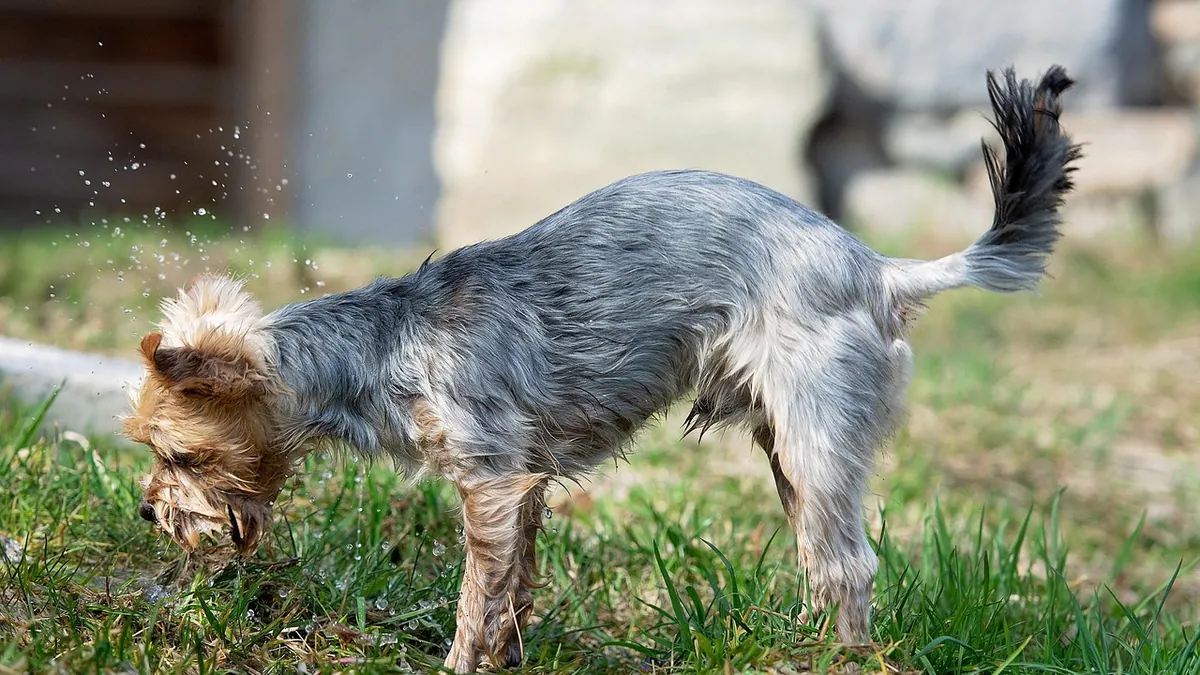
Dogs eat dirt for many reasons, and most of the time it is a normal, harmless habit. Puppies often mouth and swallow soil while exploring, and some adult dogs dig and snack out of boredom or plain curiosity. If your dog is eating dirt often, or if other signs show up, it can point to a health or behavior problem worth checking.
This article is educational and is not a substitute for veterinary diagnosis or treatment.
Quick Answer
- Occasional dirt eating is common and usually harmless, especially in puppies who explore the world with their mouths.
- Boredom, stress, under-stimulation, and attention-seeking are the most common everyday causes.
- Medical causes include stomach upset, anemia, intestinal parasites, and conditions that cause pica (eating non-food items).
- Never punish your dog for eating dirt. Punishment adds stress and can make the behavior worse.
- See a veterinarian if dirt eating is frequent, if your dog eats soil from areas treated with chemicals, or if you notice vomiting, diarrhea, weight loss, or lethargy.
Why Is My Dog Eating Dirt? The Common, Normal Reasons
Most dirt eating falls into the "normal dog behavior" category. Here is what is usually going on.
Puppies explore with their mouths
Why is my puppy eating dirt? Because puppies learn about their world by tasting and chewing everything. Soil has a texture and smell that is interesting to a young dog, and a puppy who is teething may chew at dirt the same way they chew shoes or furniture. Is it normal for puppies to eat dirt? A little bit, yes. Most puppies outgrow it as they mature and as training takes hold.
Boredom and lack of enrichment
A dog with nothing to do will find something to do. Digging and eating dirt can become a self-rewarding habit for dogs who spend long hours alone, have limited exercise, or lack toys and puzzles. This is one of the most common reasons owners report that their dog keeps eating dirt.
Stress and anxiety
Dirt eating can be a displacement behavior, meaning your dog does it to cope with stress. Changes like a move, a new baby, a new pet, or loud noises can trigger it. Some dogs also eat dirt to get attention because it reliably makes their owner react.
Curiosity and scent
Soil holds smells from other animals, food, and insects. A dog following an interesting scent may lick or swallow a bit of dirt along the way. This is usually occasional and not a concern.
Teething and oral comfort
Puppies and some adult dogs chew soil for the same reason they chew sticks and toys. The pressure feels good on sore gums or provides oral stimulation.
Medical Causes to Rule Out
If dirt eating is frequent, intense, or new in an adult dog, your veterinarian will want to look for a physical cause.
Gastrointestinal upset
Dogs with nausea, acid reflux, or an upset stomach sometimes eat dirt and other non-food items to soothe themselves. If your dog is also vomiting, has diarrhea, or is eating less, see your veterinarian. You can read more about appetite changes in Why Is My Dog Not Eating?.
Nutritional deficiencies and anemia
Iron deficiency and other nutrient problems can drive a dog to eat dirt. One study found that dogs with atopic dermatitis, a chronic inflammatory skin disease, had significantly lower mean corpuscular volume and mean corpuscular hemoglobin, along with signs of low-grade inflammation, compared with healthy dogs [1]. This shows that iron parameters can shift in dogs with ongoing disease, and your veterinarian may check blood work if dirt eating comes with skin, coat, or energy changes.
Intestinal parasites
Worms and other intestinal parasites can cause nutrient loss and digestive upset, which may lead to dirt eating. A fecal test is a simple way to check.
Pica
Pica is the medical term for eating non-food items on a repeated basis. It can be linked to gastrointestinal disease, anemia, or behavioral problems. A dog with true pica needs a veterinary workup.
Cognitive decline in older dogs
Older dogs can develop cognitive changes that affect behavior. A study of aging dogs found that urine specific gravity decreased significantly with age, and researchers examined how urinalysis abnormalities relate to soiling behavior and cognitive performance [2]. If your senior dog has new dirt eating along with confusion, house soiling, or changes in sleep, ask your veterinarian about a cognitive evaluation.
Soil contamination
Dirt itself can carry risk. Soils in some areas contain pollutants, and dogs can be exposed through soil ingestion. Researchers have proposed canine-specific toxicity reference values for contaminated soil because dogs often share human environments and may have similar or higher exposure to certain contaminants [3]. If your dog eats dirt from roadsides, industrial areas, or gardens treated with chemicals, that raises the concern level.
When Dirt Eating Becomes a Problem
Occasional dirt eating is usually not a problem. It becomes one when any of these apply:
- Your dog eats dirt every day or in large amounts.
- The behavior starts suddenly in an adult dog with no history of it.
- Your dog is losing weight, vomiting, or having diarrhea.
- Your dog eats dirt plus other non-food items like rocks, fabric, or plastic.
- The dirt comes from an area that may be contaminated.
- Your dog seems anxious, restless, or compulsive about the behavior.
Compulsive dirt eating can look like a dog who cannot stop even when redirected. That pattern deserves a veterinary and behavioral evaluation.
What to Do: A Step-by-Step Plan
Step 1: Rule out medical causes first
Book a veterinary visit. Your veterinarian will ask about diet, behavior changes, and environment. They may recommend blood work, a fecal test, and a urinalysis. This step matters because treating a medical cause often stops the behavior.
Step 2: Increase exercise and enrichment
A tired, mentally satisfied dog is less likely to dig and eat dirt. Add daily walks, sniff walks, puzzle feeders, and chew toys. Rotate toys so they stay interesting. If your dog eats dirt out of boredom, enrichment often solves the problem within a few weeks.
Step 3: Manage the environment
Block access to the dirt your dog targets. Use fencing, gravel, or raised beds in the yard. Supervise outdoor time and keep your dog on a leash in areas with unknown soil. If your dog eats dirt on walks, teach a solid "leave it" cue and reward your dog for checking in with you.
Step 4: Train an alternative behavior
Teach your dog what to do instead of eating dirt. Reward your dog for coming when called, for dropping items, and for playing with appropriate toys. Keep training sessions short and positive. A certified trainer or veterinary behaviorist can build a plan if the habit is strong.
Step 5: Address stress
If anxiety is driving the behavior, identify the trigger. A predictable routine, safe space, and calm handling help. Some dogs need a behavior modification plan from a professional. If your dog also shows other repetitive behaviors, see Why Is My Dog Licking Everything?.
Step 6: Check the diet
Feed a complete and balanced diet for your dog's life stage. If you feed a homemade diet, work with your veterinarian or a veterinary nutritionist to make sure it meets nutrient needs. Diet quality affects the gut microbiome, and research from the Dog Aging Project shows that factors like commercial versus home-cooked nutrition are associated with microbiome composition [4].
Step 7: Track the behavior
Keep a simple log of when and where dirt eating happens. Note what happened right before. Patterns help your veterinarian and trainer find the cause faster.
What Not to Do
Do not punish your dog
Yelling, hitting, or using shock collars for dirt eating does not teach your dog what to do instead. Punishment raises stress, and stress can increase the behavior. It can also damage your relationship and make your dog avoid you.
Do not assume it is always a deficiency
Many owners jump to the idea that dirt eating means a missing nutrient. Sometimes that is true, but boredom, stress, and stomach upset are far more common. Do not add supplements on your own. Some vitamins and minerals are toxic in the wrong amounts, and your veterinarian can calculate what your dog actually needs based on weight and health.
Do not ignore contaminated soil
Letting your dog eat dirt from a garden with pesticides, a roadside, or an industrial area is a real risk. Soil can carry pollutants that harm dogs [3]. Move your dog away and offer a safe alternative activity.
Do not rely on myths
There is no evidence that dirt eating means your dog is "cleaning its system" or self-medicating. If the behavior is frequent, get it checked.
Do not let it continue in puppies without a plan
Puppies who eat dirt can pick up parasites or swallow objects that cause a blockage. Supervise your puppy outdoors and redirect to toys. If your puppy also eats feces, see Why Does My Dog Eat Poop?. If your dog eats grass along with dirt, Why Does My Dog Eat Grass? explains that habit too.
When to Involve a Veterinarian or Behavior Professional
Call your veterinarian if dirt eating is frequent, new in an adult dog, or paired with any physical sign like vomiting, diarrhea, weight loss, or low energy. A certified applied animal behaviorist or veterinary behaviorist can help if the behavior is compulsive, anxiety-driven, or does not improve with training and enrichment.
If your dog eats dirt from a possibly contaminated area, contact your veterinarian or a pet poison control service right away. Have the location and what you know about the soil ready.
Limitations and When to Contact a Veterinarian
This article cannot diagnose your dog. Every dog needs an individual evaluation by a veterinarian who can examine your pet, ask about the full history, and run tests when needed.
Contact your veterinarian the same day if your dog:
- Vomits repeatedly or has severe diarrhea
- Seems painful in the belly
- Is lethargic or not acting like themselves
- Ate dirt from an area treated with chemicals, pesticides, or fertilizer
Go to an emergency clinic now if your dog:
- Collapses, has a seizure, or has trouble breathing
- Has a swollen, hard abdomen and is retching
- Swallowed a large amount of soil and is straining to defecate
- Shows tremors, drooling, or weakness after eating dirt
Schedule a routine visit if your dog:
- Eats dirt most days
- Has a sudden change in the behavior
- Is a senior dog with new behavior changes
- Has skin, coat, or weight changes along with dirt eating
Frequently Asked Questions
Should I worry if my dog eats dirt every once in a while?
No, occasional dirt eating is usually normal and not a health concern. Watch for other signs like vomiting, diarrhea, or weight loss, and mention it at your next routine visit.
Why does my puppy eat dirt more than my adult dog?
Puppies explore with their mouths and are often teething, so dirt eating is more common in young dogs. Most puppies outgrow it with supervision, training, and plenty of appropriate chew toys.
Can dirt eating mean my dog has a nutrient deficiency?
It can, but boredom, stress, and stomach upset are more common causes. Blood work can check for anemia and other problems, so ask your veterinarian before giving any supplement.
Is eating dirt ever a sign of a behavior problem?
Yes, compulsive dirt eating can be a sign of anxiety or a compulsive disorder. If your dog cannot stop even with redirection, ask your veterinarian about a behavior referral.
What should I do if my dog eats dirt from a garden with chemicals?
Stop your dog from eating it and call your veterinarian or a pet poison control service right away. Bring the product name or label if you have it, and watch for vomiting, drooling, tremors, or weakness.
Related Articles
- Why Does My Dog Eat Poop?
- Why Does My Dog Eat Grass?
- Why Is My Dog Not Eating?
- Why Is My Dog Drooling?
- Why Is My Dog Licking Everything?
- Why Is My Dog eating stools? Coprophagia Causes and Deterrents
- Why Is My Senior Dog Eating Dirt, Poop, or Grass?
- Why Is My Puppy Eating Leaves and Grass?
- Why Is My Dog Licking the Air?
References
- Iron deficiency in dogs suffering from atopic dermatitis. BMC veterinary research, 2024.
- The relationship between urinalysis abnormalities, soiling behavior, and cognitive decline in aging dogs. Journal of veterinary internal medicine, 2026.
- A Conservative Framework to Derive Preliminary Canine Toxicity Reference Values From Human Data for Contaminated Soil Risk Assessment. Journal of applied toxicology : JAT, 2026.
- Mapping the canine gut microbiome: insights from the Dog Aging Project. Nature communications, 2026.