Puppy Not Food Motivated? Why and How to Train Anyway
By Dr. Zubair Khalid, DVM, MS, PhD ·
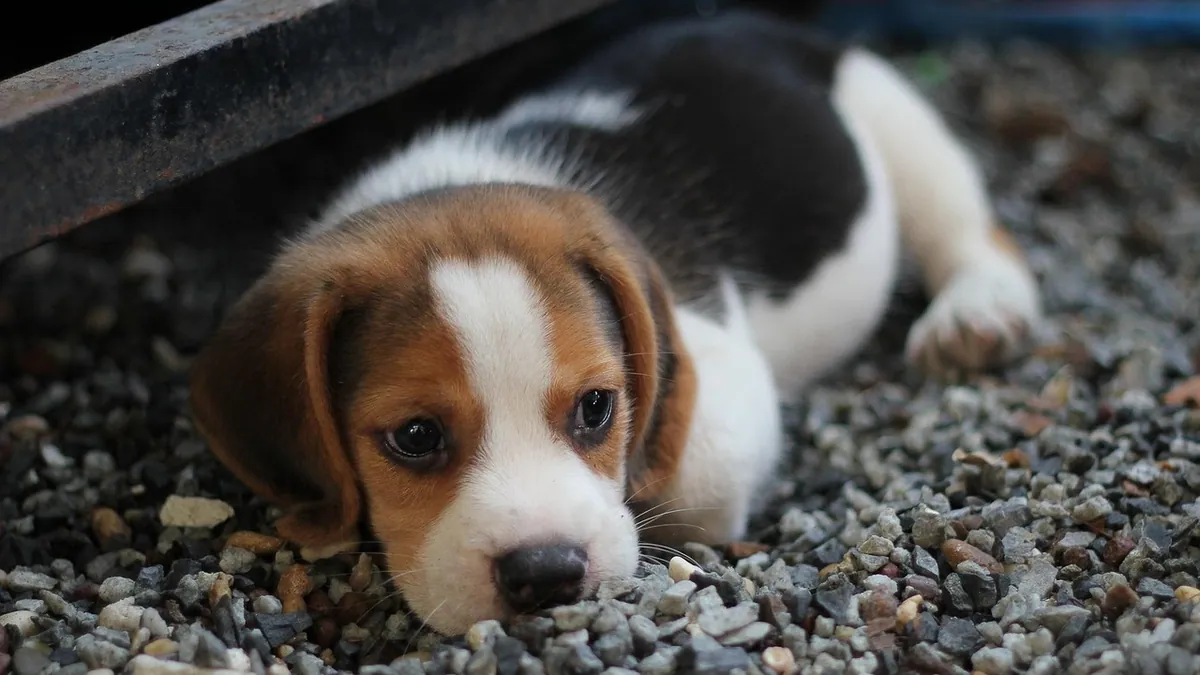
A puppy not food motivated is usually showing you a normal variation in drive, not a training failure. Some puppies care more about toys, praise, sniffing, or chasing than about a piece of chicken. Others are distracted, stressed, or dealing with a health issue that dulls appetite. The fix is to identify the reason and then build a reward system around what your puppy actually wants.
This article is educational and is not a substitute for veterinary diagnosis or treatment.
Quick Answer
- Food motivation varies by breed and individual. In a study of Labrador Retrievers and German Shepherd Dogs, Labradors worked harder for food than German Shepherds, and the gap held regardless of training level [1].
- A puppy who suddenly stops taking treats may be sick, stressed, or full from too much food, so rule out health causes before assuming it is a training problem.
- You do not need food to train. Play, toys, sniffing, praise, and access to the environment can all work as rewards [2].
- Short sessions beat long ones. Puppies in adolescence, usually starting around 6 months old, often regress and test boundaries, so patience matters more than pressure [3].
- If your puppy also refuses meals, vomits, has diarrhea, or seems painful or lethargic, call your veterinarian.
Why Your Puppy May Not Be Food Motivated
Normal variation in food drive
Food motivation is a real, measurable trait, and it differs between dogs. Researchers comparing Labrador Retrievers and German Shepherd Dogs found that Labradors reached significantly higher breakpoints on a task that required effort for food, and this difference persisted no matter how much training the dogs had [1]. Age also mattered, with older Labradors working less hard for food than younger ones [1].
That tells you something useful. If your puppy walks away from a treat, it may simply be that your puppy's food drive sits lower on the scale than the average dog's. That is a temperament fact, not a behavior problem.
Breed and individual personality
Breeds described as toy responsive often care more about tug, fetch, or chase than about kibble. Individual puppies vary too. One littermate may inhale every crumb while another would rather herd a ball. Watch what your puppy chooses when nothing is asked of them. That choice is your best clue about what will function as a reward.
Stress, distraction, and environment
A puppy cannot learn well while worried. New places, loud noises, strange dogs, and unfamiliar people all compete for attention. If your puppy takes treats at home but ignores them at the park, the issue is likely the setting, not the food. Training in a quieter spot and gradually adding distractions usually restores treat-taking.
Fullness and feeding schedule
A puppy who just ate a full meal may have no interest in training treats. So may a puppy whose owner free-feeds all day. If food is always available, food loses value as a reward. Meal timing and portion control can change your puppy's interest in training within a day or two.
Adolescence
Most puppies enter adolescence around 6 months of age, though it can start later. During this stage, hormones shift as the body and brain transition toward adulthood, and puppies often act as if they have forgotten their manners. They may ignore cues, bark for no clear reason, or throw a tantrum when denied something they want [3]. A puppy who once worked happily for treats may suddenly act bored. This phase passes with consistent, kind training.
Medical Causes to Rule Out
A true lack of food motivation can be a health signal. Appetite is controlled by many body systems, and pain, nausea, dental disease, intestinal parasites, and metabolic disease can all reduce it.
Dogs receiving antiseizure drugs are one clear example in the other direction. In a study of dogs with idiopathic epilepsy, those taking antiseizure medication had significantly higher food motivation than healthy dogs, and the medication had the largest single impact on food motivation within the epileptic group [4]. This shows how strongly medical treatment and disease state can shift appetite and food drive.
If your puppy is not eating at all, that is a different problem from not wanting treats. See Dog Not Eating: When to Worry and What to Do for guidance on appetite loss.
Ask your veterinarian to check for:
- Dental pain, loose teeth, or oral injury
- Gastrointestinal upset, parasites, or food intolerance
- Fever, infection, or pain anywhere in the body
- Recent vaccination or medication changes
- Stress from a move, new pet, or schedule change
When a Lack of Food Motivation Becomes a Problem
It becomes a problem when it blocks learning or signals illness.
Watch for these patterns:
- Your puppy refuses all food, not just treats
- Weight loss, poor growth, or a dull coat
- Vomiting, diarrhea, or straining
- Your puppy avoids training entirely and hides or freezes
- You cannot teach basic safety cues like come, sit, or stay
Behavior problems are a leading reason dogs are surrendered to shelters or returned after adoption, which makes effective training of everyday obedience behaviors important for welfare [5]. If your puppy cannot engage with any reward, that is worth addressing early.
How to Train a Puppy Who Is Not Treat Motivated
Find the real reward
Test a menu of options in a low-distraction room. Try:
- A favorite squeaky toy
- A short game of tug
- A thrown ball
- Sniffing a novel object or surface
- Praise and petting in a spot your puppy loves
- Access to a walk, a doorway, or a person
Positive reinforcement training works across species, and the variety of reinforcers used strongly influences training outcomes [2]. Food is one option, not the only one.
Use play as a reward
Play can function as a reinforcer after a correct response. One study tested whether play after training improved two basic Canine Good Citizen behaviors, sit and stay. In the first experiment, dogs with low baseline ability improved more after playing than after resting, though a second, more controlled experiment did not replicate that gain [5]. The practical takeaway is that play is worth trying, especially for puppies who are not food driven, but results vary by dog.
Build value for food
If you want food to work better, make it scarce and special.
- Pick up the food bowl between meals so your puppy earns part of the daily ration in training.
- Use tiny, high-value pieces like plain cooked chicken or a soft commercial treat.
- Train before meals, not after.
- Keep sessions to 2 to 5 minutes.
- Stop while your puppy still wants more.
Lower the difficulty
A puppy who will not take a treat may be over threshold, meaning the task or setting is too hard. Move to an easier version. Reward one step at a time. If your puppy can sit in the kitchen but not on the sidewalk, train in the kitchen first.
Use the environment as a reward
For low-food-drive puppies, life rewards often beat treats. Sitting politely earns the door opening. Waiting calmly earns the leash going on. Checking in with you earns permission to sniff. This approach teaches your puppy that paying attention to you predicts good things.
Keep sessions short and consistent
Puppies have short attention spans. Two or three short sessions a day beat one long one. Pair training with structure at home, including a safe space to rest. See Puppy Crate Training Why and Dog Training Tips Puppy for more on routine and setup.
Manage resources early
How puppies experience resources like food and toys during early development can shape their adult behavior around those items [6]. Breeders in one survey varied widely in how they introduced food and toys and how much they intervened during feeding and play, and those practices were linked to competitive behavior around resources [6]. At home, feed your puppy in a calm spot, avoid taking food away mid-meal, and teach a trade instead of a snatch. This reduces guarding and keeps food from becoming a source of conflict.
What Not to Do
Do not punish a puppy for refusing food
Punishment does not create motivation. It creates avoidance. A puppy who is scolded for walking away from a treat learns that training is unsafe, not that treats are valuable.
Do not force or bribe
Holding a treat over your puppy's head and waiting does not build drive. It builds frustration. If your puppy will not take the food, end the session and try a different reward or a quieter setting.
Do not assume your puppy is stubborn
A puppy who will not work for food is often stressed, full, distracted, or simply wired differently. Labeling your puppy stubborn leads to harsher handling, which makes everything worse.
Do not skip the veterinary check
If food refusal is new, sudden, or paired with other symptoms, a medical cause is possible. Do not train around a health problem.
Do not flood your puppy with distractions
Throwing your puppy into a busy environment to "toughen them up" backfires. Add distractions in small steps and reward calm behavior.
When to Involve a Veterinarian or Behavior Professional
Call your veterinarian if your puppy:
- Stops eating entirely for more than 24 hours
- Loses weight or fails to gain it
- Vomits, has diarrhea, or seems painful
- Shows a sudden change in behavior or energy
- Has trouble chewing or swallowing
Ask for a referral to a certified behavior professional if:
- Your puppy shows aggression, growling, or snapping around food or toys
- Training has stalled for weeks with no progress
- Your puppy freezes, hides, or panics during sessions
- You feel overwhelmed or unsafe
A veterinarian can rule out medical causes and, if needed, refer you to a qualified trainer or veterinary behaviorist.
Limitations and When to Contact a Veterinarian
This article covers general patterns, not your individual puppy. Every case needs a veterinarian who can examine your dog, take a history, and decide what testing or treatment is appropriate.
Contact a veterinarian the same day if your puppy:
- Refuses all food and water
- Vomits repeatedly or has bloody diarrhea
- Seems weak, wobbly, or disoriented
- Has a swollen, painful abdomen
- Is a very young puppy who suddenly stops nursing or eating
Go to an emergency clinic now if your puppy:
- Collapses or has a seizure
- Breathes with effort or has pale gums
- Ate something toxic or a foreign object
- Shows severe pain or cannot stand
Schedule a routine visit if your puppy:
- Has gradually reduced interest in food over days
- Is not growing or gaining weight as expected
- Has bad breath, drooling, or trouble chewing
- Has a behavior change that concerns you
Frequently Asked Questions
Should I worry if my puppy is not treat motivated?
Not automatically. Many puppies simply prefer play, sniffing, or praise over food, and that is a normal temperament difference. Worry if your puppy also refuses meals, loses weight, or shows other signs of illness.
Can I still train a dog that is not food motivated?
Yes. Positive reinforcement training works with many types of rewards, and the variety of reinforcers used affects training results [2]. Try toys, tug, fetch, sniffing, praise, and access to the environment as payment for correct behavior.
Why does my puppy take treats at home but not outside?
Stress and distraction are the usual reasons. A puppy who is worried or overstimulated often will not eat. Train in a quiet place first, then add distractions in small steps as your puppy succeeds.
Is my puppy not food motivated because I feed too much?
Sometimes. A puppy who is always full has little reason to work for food. Pick up the bowl between meals and use part of the daily ration in short training sessions before mealtime.
Do puppies grow out of low food drive?
Some do as they mature, and some do not. Food motivation is a stable trait in many dogs and can differ by breed and age [1]. Build a training plan around your puppy's actual preferences instead of waiting for a change.
Can medication change my dog's appetite or food motivation?
Yes. Dogs with idiopathic epilepsy who received antiseizure drugs had significantly higher food motivation than healthy dogs in one study [4]. If your dog's appetite or food interest changed after starting a medication, tell your veterinarian.
Related Articles
- Dog Not Eating: When to Worry and What to Do
- Puppy Crate Training Why
- Dog Training Tips Puppy
- Puppy Training Tips For Beginners
- Dog Training Tips For Puppies
- Puppy Training Tips Week By Week
- Puppy Not Hungry in the Morning: Causes and What to Do
- Puppy Stopped Eating Kibble? Why and What to Do
- Puppy Obedience Training: Classes, Benefits, and Tips
References
- Variation in food-maximizing behaviour as a function of context, breed, and individual characteristics: A study of Labrador Retrievers and German Shepherd Dogs. Behavioural processes, 2026.
- Positive Reinforcement Training in Captive Wild Mammals: An Integrative Review. Animals : an open access journal from MDPI, 2026.
- The teenage years: Puppy-proofing and training tips. Cornell University College of Veterinary Medicine.
- Caregiver-reported increased food motivation and adiposity in dogs receiving antiseizure drugs. The Veterinary record, 2024.
- Does Play After Training Improve a Canine Good Citizenship Skill in Pet Dogs?. Animals : an open access journal from MDPI, 2025.
- Resource management practices of Canadian and American domestic dog breeders and associations with puppy competitive behaviour: A cross-sectional study. Animal welfare (South Mimms, England), 2026.