Puppy Stopped Eating Kibble? Why and What to Do
By Dr. Zubair Khalid, DVM, MS, PhD ·
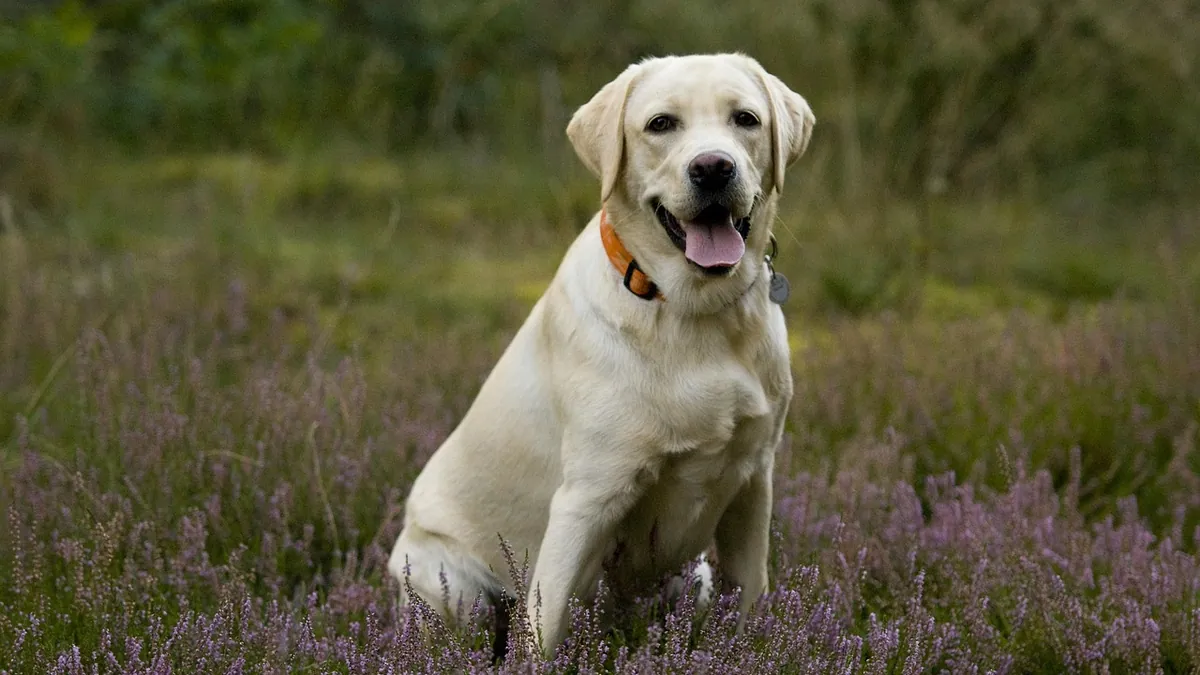
If your puppy stopped eating his kibble, the first thing to know is that this is common and often temporary. Teething, a recent food change, stress, or a mild stomach upset can all turn a hungry puppy into a picky one. But a puppy who refuses food for more than a day, or who also seems sick or tired, needs a veterinarian.
This article is educational and is not a substitute for veterinary diagnosis or treatment.
Quick Answer
- A puppy who skips one meal but is playful, drinking, and passing normal stools is usually fine to watch for 12 to 24 hours.
- A puppy under 16 weeks old should never go more than about 12 hours without eating, because small puppies lose energy fast.
- Check for red flags first: vomiting, diarrhea, lethargy, bloating, pale gums, or a painful belly mean call a vet now.
- Do not switch foods abruptly or free-feed table scraps to tempt your puppy, since both can make the problem worse.
- If your puppy refuses all food for 24 hours, or refuses even treats and water, see a veterinarian the same day.
What Normal Puppy Eating Looks Like
Puppies eat a lot for their size. A growing puppy may eat two to four meals a day depending on age and breed. Appetite naturally dips and rises with growth spurts, weather, activity, and teething.
It helps to know your puppy's baseline. How much does he normally eat at each meal? How quickly? Does he usually clean the bowl or nibble all day? When you know his normal, you can spot a real change.
A single skipped meal in an otherwise bright, active puppy is rarely an emergency. A pattern of refusing food, or refusing food along with other signs, is different. You can read more about appetite changes in general in Why Is My Dog Not Eating?.
My Puppy Stopped Eating His Kibble: The Main Causes
Teething and mouth pain
Puppies lose baby teeth and grow adult teeth between about 3 and 7 months of age. Sore gums can make hard kibble uncomfortable to chew. You may notice drooling, chewing on one side, or dropping food. Softening kibble with warm water often helps during this window.
A recent food change
Switching foods too fast can cause stomach upset and a food aversion. If you changed brands, flavors, or bag size recently, that timing matters. Some puppies also refuse a food that has gone stale or been stored in a hot place.
Pickiness and boredom
Some puppies learn that refusing kibble brings something better. If you add toppers, scraps, or a new food every time he walks away, he may hold out for the upgrade. This is a behavior pattern, not a medical problem, but it can become a habit fast.
Stress or routine changes
New homes, new people, travel, vaccinations, grooming, and loud events can all suppress appetite for a day or two. Puppies are sensitive to change. A calm, quiet feeding spot with a consistent schedule helps.
Illness
Many illnesses cause reduced appetite. Examples include stomach upset, intestinal parasites, infections, dental pain, and more serious conditions. In one report, a young dog with progressive weight loss and reduced appetite was found to have a serious blood cancer [1]. That case is rare, but it shows why appetite loss that lasts or comes with other signs deserves a veterinary exam.
Pain or injury
A puppy with a hurt leg, a sore mouth, or an injured tail may not want to eat. One case report described a raccoon dog that developed anorexia after self-mutilation and infection [2]. Different species, but the principle holds: pain and infection can shut down appetite.
Food aversion from a bad experience
If your puppy vomited or felt sick after eating a certain food, he may avoid it afterward. This is a learned aversion. It can happen with a food, a treat, or even a bowl.
| Cause | Typical clues | How urgent |
|---|---|---|
| Teething | Drooling, chewing on one side, 3 to 7 months old | Low, try softening food |
| Food change | Started within a few days of a new diet | Low, transition slowly |
| Pickiness or boredom | Eats treats and human food but not kibble | Low, but avoid toppers |
| Stress or routine change | Recent move, travel, new people, vaccines | Low, give 24 to 48 hours |
| Mild stomach upset | One or two soft stools, otherwise bright | Moderate, watch closely |
| Intestinal parasites | Diarrhea, pot belly, poor coat, weight loss | See a vet soon |
| Pain or injury | Limping, guarding the mouth, whining | See a vet soon |
| Illness or infection | Vomiting, diarrhea, fever, lethargy, weight loss | Urgent, same day |
| Serious disease | Progressive weight loss, weakness, pale gums | Emergency |
Red Flags That Mean Emergency
Call an emergency veterinary hospital right away if your puppy has any of these:
- Repeated vomiting or vomiting that will not stop
- Bloody diarrhea, black stools, or severe diarrhea
- A swollen, hard, or painful belly
- Pale, white, or blue gums
- Trouble breathing or heavy panting at rest
- Collapse, weakness, or inability to stand
- Seizures or tremors
- A body temperature that feels very hot or very cold
- Refusing water along with food
- Known or suspected exposure to a toxin, such as chocolate, grapes, raisins, xylitol, or human medications
For poison emergencies in the United States, call the ASPCA Animal Poison Control Center at (888) 426-4435 or the Pet Poison Helpline at (855) 764-7661. Both may charge a consultation fee.
A puppy who is not eating and also not drinking can dehydrate within hours. Do not wait to see if it improves overnight.
Safe Things to Try at Home
Rule out simple problems first
Check the food itself. Is it stale, damp, or past its best-by date? Does it smell off? Try a fresh scoop from a new bag if you have one. Wash the bowl. Some puppies refuse food from a bowl that smells like old food or dish soap.
Check the environment. Is the feeding area noisy, busy, or near a litter box or trash? Move the bowl to a quiet spot. Feed at the same times each day.
Warm the food slightly
Warm water or a few seconds in the microwave can release aroma, which matters a lot to dogs. Stir it and test the temperature with your finger before offering it. Never serve hot food.
Try a gentle transition
If you recently changed foods, go back to the old food for a few days, then blend the new food in slowly over 7 to 10 days. Sudden switches are a common cause of appetite loss and digestive upset.
Offer small, frequent meals
Instead of two big meals, offer three or four small ones. A puppy who feels slightly queasy may eat a little at a time. Pick the bowl up after 15 to 20 minutes and offer it again later.
Hand-feed a few pieces
Hand-feeding can restart eating in a stressed puppy. Keep it brief and calm. Do not chase your puppy around the house with the bowl, since that teaches him that refusing food gets attention.
Do not bribe with table scraps
Toppers and scraps can make pickiness worse and can upset the stomach. If you use a topper, use a small amount of a food your veterinarian approves, and keep it consistent.
Keep water available
Hydration matters more than a single meal. Offer fresh water often. You can also offer a small amount of unflavored electrolyte solution if your veterinarian approves it.
Track everything
Write down what your puppy eats, when, how much, and any vomiting, diarrhea, or behavior changes. This record helps your veterinarian a lot. It also helps you see whether things are improving or getting worse.
If your puppy is eating some food but not his kibble, and he is otherwise well, you may be dealing with a preference issue. Our guide on Dog Not Eating: When to Worry and What to Do walks through that decision in more detail.
What Your Veterinarian Will Check and Test
Your veterinarian will start with a full history. They will ask when the refusal started, what your puppy normally eats, whether you changed foods, and whether there are other signs. Bring your food label and your tracking notes.
Next comes a physical exam. The vet will check your puppy's weight, hydration, gum color, temperature, heart and lung sounds, and belly. They will look in the mouth for teething pain, broken teeth, or foreign objects. They will feel the abdomen for pain, gas, or a blockage.
Depending on findings, your veterinarian may recommend:
- Fecal testing for intestinal parasites
- Blood work, including a complete blood count and chemistry panel
- X-rays or ultrasound if a blockage or foreign body is suspected
- Testing for specific infections or organ problems
If a puppy is not eating because of illness, treating the underlying cause is the main step. Appetite stimulants are sometimes used, but the evidence in dogs is limited. One study found that mirtazapine helped dogs resume voluntary food intake and reduced weight loss compared with untreated dogs [3]. In a smaller trial, it improved food acceptance on the first day but the effect was not maintained on the second day [3]. Your veterinarian decides whether this kind of medication is appropriate, and the dose is calculated from your puppy's weight and health.
Nutrition support matters too. If your puppy will not eat, your veterinarian may recommend a specific recovery diet or, in serious cases, tube feeding. Never force food into your puppy's mouth at home, since this can cause choking or aspiration.
Prevention and Monitoring
Keep a consistent feeding routine
Feed at the same times and in the same place every day. Puppies do best with structure. Sudden changes in schedule, food, or environment are common triggers for appetite loss.
Transition foods slowly
When you change diets, blend old and new over 7 to 10 days. Start with mostly old food and increase the new food gradually.
Watch weight and body condition
Weigh your puppy regularly, especially during growth. A puppy who is losing weight or not gaining as expected needs a veterinary visit. You can also run your hands along the ribs and spine to feel for changes.
Keep up with wellness care
Regular deworming, vaccinations, and checkups prevent many of the illnesses that cause appetite loss. Ask your veterinarian about a deworming schedule for your puppy.
Know your puppy's normal
Track how much he eats, his energy level, his stool quality, and his water intake. When you know his normal, you will notice small changes early.
Be careful with treats and human food
Treats should be a small part of the diet. Some human foods are toxic to dogs. Keep chocolate, grapes, raisins, onions, garlic, xylitol, and alcohol out of reach.
If you are also deciding when to move your puppy off puppy food, our article on How Long Should A Puppy Eat Puppy Food covers the timing.
Limitations and When to Contact a Veterinarian
This article cannot tell you what is wrong with your individual puppy. Only a veterinarian who examines your puppy can do that.
Call your veterinarian the same day if your puppy:
- Has refused all food for 24 hours
- Is refusing water
- Has vomiting or diarrhea that lasts more than a few hours
- Seems painful, bloated, or uncomfortable
- Is losing weight or not gaining weight
- Has a fever or feels unusually warm
- Is a very small breed or under 12 weeks old and skipped more than one meal
Go to an emergency clinic now if your puppy:
- Collapses or cannot stand
- Has pale or blue gums
- Is breathing hard at rest
- Has a swollen or hard belly
- Has repeated vomiting or bloody diarrhea
- May have eaten something toxic
For routine concerns, such as a puppy who is bright and playful but picky about kibble, schedule a normal appointment. Bring your notes and your food label.
Frequently Asked Questions
How long can a puppy go without eating?
A healthy adult dog can often skip a day without harm, but puppies are different. A puppy under 16 weeks old should not go more than about 12 hours without food. If your puppy has refused all food for 24 hours, call your veterinarian.
Should I switch foods if my puppy refuses kibble?
Not right away. A sudden switch can cause more stomach upset and make the problem worse. First check whether the food is stale, whether your puppy is teething, and whether anything in the routine changed. If you do switch, blend the old and new food over 7 to 10 days.
Will my puppy eat if he is just being picky?
Often yes, but you have to avoid rewarding the refusal. If you add toppers or scraps every time he walks away, he learns that holding out works. Offer the normal food at set times, pick it up after 15 to 20 minutes, and try again at the next meal. If he still refuses after a day, see your veterinarian.
Can teething really make a puppy stop eating kibble?
Yes. Sore gums can make hard kibble painful to chew. You may see drooling, chewing on one side, or dropping food. Softening kibble with warm water for a few days often helps. If your puppy also has a fever, bad breath, or swelling in the mouth, see your veterinarian.
What if my puppy eats treats but not his kibble?
That pattern usually points to a preference or behavior issue instead of illness. A sick puppy often refuses everything, including treats. If your puppy is playful, drinking, and has normal stools, try a consistent feeding routine and cut back on treats. If the pattern continues or your puppy loses weight, have him examined.
When should I worry about my puppy not eating?
Worry when the refusal lasts more than 24 hours, when your puppy also refuses water, or when other signs appear. Vomiting, diarrhea, lethargy, pain, pale gums, or weight loss all raise the concern level. Trust your instincts. If something feels wrong, call your veterinarian.
Related Articles
- Why Is My Dog Not Eating?
- Dog Not Eating: When to Worry and What to Do
- How Long Should A Puppy Eat Puppy Food
- How to Stop a Dog from Eating Poop: Causes and Solutions
- How Long Should Dog Eat Puppy Food
- Dog Not Eating for One Day: When to Start Worrying
- Can Puppies Eat Kibble? Types, Ages and How to Feed
- Puppy Not Hungry in the Morning: Causes and What to Do
- Why Has My Dog Stopped Eating and Drinking? Causes
References
- Case Report: T-Lymphoblastic Leukemia in a Dog With Erythrophagia. Veterinary clinical pathology, 2026.
- Disseminated nocardiosis in a Japanese raccoon dog (Nyctereutes procyonoides viverrinus). The Journal of veterinary medical science, 2026.
- Evaluation of the Short-Term Effects of Mirtazapine on Appetite Stimulants in Dogs: A Retrospective Study and a Placebo-Controlled Trial. Animals : an open access journal from MDPI, 2025.