Puppy Not Hungry in the Morning: Causes and What to Do
By Dr. Zubair Khalid, DVM, MS, PhD ·
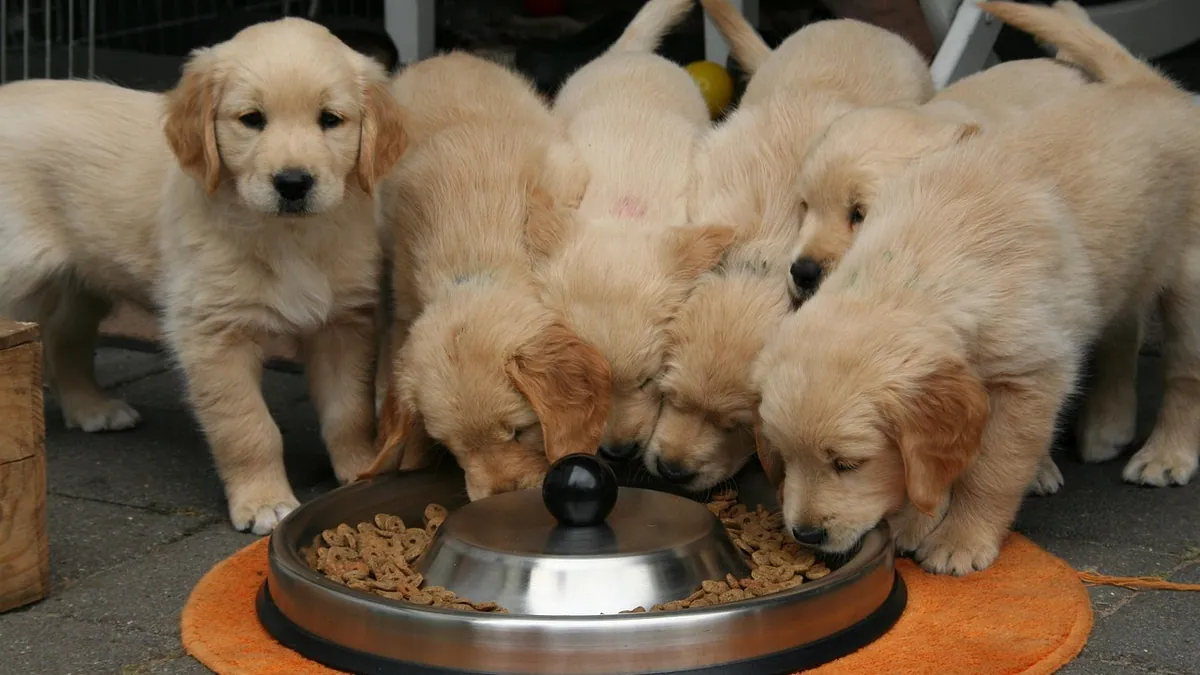
A puppy not hungry in the morning is common and often harmless, especially if your puppy is playful, drinking water, and eating normally later in the day. The problem matters when the refusal comes with vomiting, diarrhea, lethargy, pain, or a puppy who will not eat at all. This article is educational and is not a substitute for veterinary diagnosis or treatment.
Quick Answer
- A single skipped breakfast in an otherwise bright, active puppy is usually not an emergency. Watch the next 12 to 24 hours.
- Puppies have small stomachs and fast metabolisms. They should not go more than about 12 hours without eating.
- If your puppy is not eating in the morning and also vomits, has diarrhea, or seems painful, call your veterinarian the same day.
- Never give human appetite stimulants, human nausea drugs, or leftover pet medications. Some are toxic to dogs.
- If your puppy is under 16 weeks old and refuses two meals in a row, treat it as urgent. Young puppies dehydrate and drop blood sugar quickly.
What Morning Appetite Loss Looks Like and What Is Normal
A puppy who is "not hungry" may turn away from the bowl, sniff and walk off, eat one or two bites, or eat only if you hand-feed. Some puppies are simply slow to wake up. Others are genuinely nauseated.
Normal variation looks like this. Your puppy skipped breakfast but is alert, drinking, playful, urinating and pooping normally, and eats well at the next meal. That pattern often points to a schedule or portion issue, not disease.
A puppy that is "not eating just sleeping" is a different picture. A sleepy puppy who will not wake for food, who feels cool or weak, or who cannot stand steadily needs veterinary care right away. Lethargy plus appetite loss is a much bigger concern than appetite loss alone.
Puppies are not small adult dogs. They burn energy fast, have limited glycogen reserves, and can become hypoglycemic (low blood sugar) within hours of not eating. That is why a skipped meal matters more in a 10-week-old than in a 10-year-old dog.
Main Causes of a Puppy Not Eating in the Morning
| Cause | Typical clues | How urgent |
|---|---|---|
| Feeding schedule or portion mismatch | Puppy eats later, normal energy, normal stool | Routine, adjust routine |
| Stress or change (new home, travel, new food) | Recent change, picky at some meals, otherwise bright | Routine if mild, call if it lasts past 24 hours |
| Nausea or stomach upset | Lip licking, drooling, vomiting, eating grass, gulping | Same day |
| Dental or mouth pain | Dropping food, chewing on one side, bad breath, drooling | Same day to 48 hours |
| Intestinal parasites or gut infection | Diarrhea, soft stool, gas, weight loss, potbelly | Same day |
| Systemic illness | Lethargy, fever, vomiting, diarrhea, weakness, collapse | Emergency if severe |
| Pain elsewhere (joint, abdomen, spine) | Reluctance to move, whining, hunched posture, guarding belly | Same day to emergency |
| Vaccine reaction or medication effect | Recent vaccine or drug, timing within 24 to 48 hours | Call your veterinarian |
Feeding Schedule and Portion Problems
This is the most common benign reason. If you feed a large meal late at night, your puppy may simply not be hungry at 7 a.m. If you free-feed, you may not know how much your puppy actually eats. If you recently switched foods, your puppy may be holding out for the old one.
Puppies also go through growth spurts and slow periods. Appetite can dip for a day or two and then return. If the rest of the picture is normal, this is usually a wait-and-watch situation.
Nausea and Gastrointestinal Upset
Nausea in dogs often looks like lip licking, drooling, swallowing hard, or eating grass. A nauseated puppy may refuse food but still drink. Vomiting may follow.
Gastrointestinal disease is a frequent cause of hyporexia (reduced appetite) and anorexia (complete refusal) in dogs, and these signs often need targeted nutritional support [1]. If your puppy has diarrhea along with the appetite loss, see Dog Diarrhea and Not Eating: Causes and When to Act.
Some serious conditions hide behind vague gut signs. One report described a young dog with chronic gastrointestinal signs who developed severe electrolyte abnormalities from an unusual systemic infection [2]. That is rare, but it shows why ongoing gut signs deserve a real workup.
Dental and Mouth Pain
Puppies teethe, and teething can make eating uncomfortable. So can a broken tooth, a foreign object stuck in the mouth, or an oral injury. Watch for dropping food, chewing on one side, drooling, pawing at the face, or bad breath. A puppy with mouth pain often wants to eat but stops after the first bite.
Systemic Illness
When appetite loss comes with lethargy, fever, vomiting, diarrhea, weight loss, or weakness, think beyond the bowl. Appetite loss is one of the most common early signs of illness in dogs, and it can accompany heart, endocrine, infectious, and inflammatory conditions.
For example, a dog with a rare inflammatory heart condition presented with lethargy and hyporexia along with fluid buildup and breathing trouble [3]. That case is unusual, but it shows how appetite loss can be the first visible clue to a problem in a completely different body system.
Parasites, Diet Change, and Environment
Intestinal worms, giardia, and other parasites are common in puppies and can reduce appetite. Sudden food changes cause stomach upset. A new home, a new crate, or a noisy household can also suppress appetite for a day or two.
Medication and Vaccine Effects
Mild appetite loss for 24 to 48 hours after a vaccine or a new medication is possible. Call your veterinarian if it lasts longer, if your puppy vomits, or if your puppy seems painful or swollen at the injection site.
Red Flags That Make It an Emergency
Call an emergency clinic now if your puppy has any of these:
- Repeated vomiting or vomiting blood
- Bloody diarrhea or severe watery diarrhea
- A swollen, painful, or hard abdomen
- Collapse, weakness, wobbling, or seizures
- Pale, white, or blue gums
- Labored breathing
- A body temperature that feels very hot or very cold
- Known or suspected toxin exposure (chocolate, grapes, raisins, xylitol, human medications, antifreeze, rodent bait)
- A puppy under 16 weeks old who has refused two meals in a row
- A puppy who cannot hold their head up or will not respond to you
For suspected poisoning in the United States, call the ASPCA Animal Poison Control Center at (888) 426-4435 or the Pet Poison Helpline at (855) 764-7661. Both may charge a consultation fee.
Safe Things You Can Do at Home While You Wait
These steps are for a bright, drinking, otherwise normal puppy. If any red flag is present, skip this section and call your veterinarian.
- Offer a small amount of the usual food. Do not switch to a rich or fatty food, which can worsen stomach upset.
- Warm the food slightly. A little warmth increases aroma and can tempt a picky puppy. Test the temperature on your wrist first.
- Try a quiet, low-traffic spot. Some puppies will not eat where other pets, kids, or noise are nearby.
- Remove the bowl after 15 to 20 minutes. Free-feeding makes it hard to track intake and can reduce interest in meals.
- Do not hand-feed for more than a day. It can create a habit and hide a real problem.
- Keep fresh water available at all times. Dehydration is a bigger short-term risk than one missed meal.
- Do not give human medications. Never give human appetite stimulants, antihistamines, anti-nausea drugs, or pain relievers without veterinary direction. Some are toxic to dogs.
- Track everything. Note the time of refusal, what you offered, how much was eaten, and any vomiting, stool changes, or behavior changes. This helps your veterinarian.
If your puppy is not eating and you are unsure how serious it is, Why Is My Dog Not Eating? walks through the same decision points.
What Your Veterinarian Will Check and Test
Your veterinarian will start with a full history and a physical exam. Expect questions about the feeding schedule, recent food changes, vaccines, deworming, travel, and any access to garbage, toxins, or foreign objects.
The physical exam focuses on hydration, gum color, body temperature, abdominal palpation, mouth and dental exam, and neurologic checks. Your veterinarian will also weigh your puppy and compare that weight to previous visits. Weight loss is a meaningful clue.
Common tests include:
- A complete blood count and chemistry panel to look for infection, organ changes, and electrolyte problems
- A fecal exam for parasites
- X-rays or ultrasound if a foreign object, blockage, or fluid is suspected
- Specific tests based on findings, such as pancreatic or bile acid testing
Bile acid testing is relevant to some chronic gut conditions. A study of dogs with exocrine pancreatic insufficiency, a disease where the pancreas does not make enough digestive enzymes, found significantly higher serum bile acid concentrations compared with healthy dogs [4]. That is a specific test your veterinarian would choose based on the whole picture, not a routine first step.
If your puppy has diarrhea and appetite loss, a probiotic or synbiotic may come up in conversation. A large randomized trial in assistance dog puppies found no evidence that a synbiotic given from about 5 to 10 weeks of age improved health outcomes, including diarrheal illness [5]. Ask your veterinarian before adding supplements.
If nausea or another condition is driving the appetite loss, your veterinarian may treat the underlying cause first. Appetite stimulants exist for dogs, but they are not a substitute for finding the reason. One study of mirtazapine in dogs found it increased food acceptance on the first day of treatment compared with placebo, but the effect was not maintained on the second day [1]. Any dose must be calculated by your veterinarian based on your puppy's weight and health status.
Prevention and Monitoring
- Set a consistent feeding schedule. Two to three meals a day at the same times works well for most puppies.
- Measure portions. Use a kitchen scale or a marked scoop so you know exactly how much your puppy eats.
- Transition foods slowly. Mix old and new food over 7 to 10 days.
- Keep a simple log. Track meals, stool quality, energy, and water intake for the first few months.
- Stay current on deworming and vaccines. Your veterinarian will set the schedule for your puppy's age and risk.
- Watch weight, not just the bowl. A puppy who eats less but gains weight appropriately is usually fine. A puppy who eats less and loses weight needs a visit.
- Know your puppy's baseline. If you know what normal looks like, you will spot a real change faster.
If your puppy is eating but not pooping, that is a separate concern. See Dog Not Pooping but Eating Normally: Causes and Solutions.
Limitations and When to Contact a Veterinarian
This article cannot tell you what is wrong with your individual puppy. Only a veterinarian who examines your puppy can do that.
Call an emergency clinic now for collapse, seizures, breathing trouble, a painful or swollen abdomen, bloody vomit or diarrhea, pale gums, suspected toxin exposure, or a puppy who cannot be roused.
Call your veterinarian the same day if your puppy has vomited more than once, has diarrhea, seems painful, has bad breath with drooling, is under 16 weeks old and has skipped two meals, or has refused food for more than 24 hours.
Schedule a routine visit if your puppy has skipped breakfast a few times over a week but is otherwise bright, or if you notice gradual weight loss, picky eating, or intermittent soft stool.
When in doubt, call. A phone call costs nothing and a delay can cost a lot.
Frequently Asked Questions
Should I worry if my puppy skips breakfast but acts normal?
Usually not for a single meal. If your puppy is playful, drinking, and eating by the next meal, a schedule or portion issue is the likely cause. Call your veterinarian if it happens again within 24 hours or if any other sign appears.
Can teething make a puppy not want to eat in the morning?
Yes. Teething can make chewing uncomfortable, especially with hard kibble. Softening the food slightly with warm water often helps. If your puppy drops food, drools, or chews on one side, have the mouth examined.
How long can a puppy safely go without eating?
Puppies should not go more than about 12 hours without food. Young puppies are at risk of low blood sugar and dehydration much faster than adult dogs. If your puppy has refused two meals in a row, call your veterinarian.
Is it normal for a puppy to eat less on some days?
Yes, mild day-to-day variation is normal, especially during growth spurts or after a food change. The pattern to watch is a steady decline over several days, weight loss, or appetite loss paired with vomiting, diarrhea, or lethargy.
Can I give my puppy a human appetite stimulant?
No. Never give human appetite stimulants, anti-nausea drugs, or pain relievers to a dog without veterinary direction. Some are toxic, and dosing is not the same as in people. If your puppy needs an appetite stimulant, your veterinarian will choose the drug and calculate the dose.
Related Articles
- Why Is My Dog Not Eating?
- Dog Not Eating: When to Worry and What to Do
- Dog Not Pooping but Eating Normally: Causes and Solutions
- My Dog Won't Eat: When to Worry
- Dog Diarrhea and Not Eating: Causes and When to Act
- Dog Not Eating for One Day: When to Start Worrying
- Dog Loss of Appetite: Causes and When to Worry
- Puppy Not Eating, Drinking, or Pooping on Day One Home
- Why Is My Puppy Always Hungry? Causes and When to Worry
References
- Evaluation of the Short-Term Effects of Mirtazapine on Appetite Stimulants in Dogs: A Retrospective Study and a Placebo-Controlled Trial. Animals : an open access journal from MDPI, 2025.
- Severe Gastrointestinal Disease in a Dog Presenting With Hypoadrenocorticism-Like Electrolyte Derangements Due to Protothecosis. Journal of veterinary emergency and critical care (San Antonio, Tex. : 2001), 2026.
- Idiopathic cholesterol pericarditis in a dog presenting with cardiac tamponade. Journal of veterinary internal medicine, 2026.
- Serum Bile Acid Concentrations in Dogs with Exocrine Pancreatic Insufficiency. Animals : an open access journal from MDPI, 2026.
- Randomised controlled trial finds no evidence that a synbiotic improves health in assistance dog puppies. The Veterinary record, 2026.