Why Is My Cat Trying to Bury His Food? Behavior Explained
By Dr. Zubair Khalid, DVM, MS, PhD ·
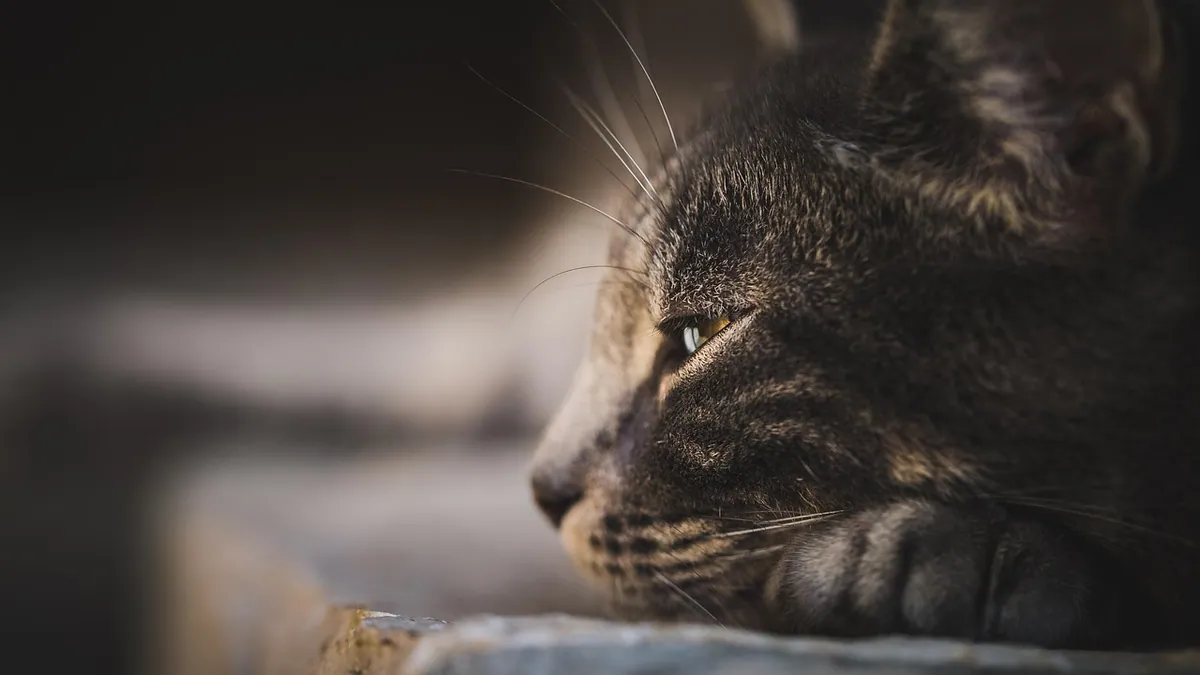
Why is my cat trying to bury his food? In most cases, this is a normal feline instinct left over from wild ancestors who cached leftovers to eat later and to hide the scent from other predators. Your cat may also be signaling that he is full, that he dislikes the food, or that his feeding spot feels unsafe. This article is educational and is not a substitute for veterinary diagnosis or treatment.
Quick Answer
- Pawing at the floor, rug, or wall around the bowl is usually a normal caching instinct, not a sign of illness.
- Cats often walk away and "bury" food when they are simply full, because cats naturally eat many small meals instead of one large one [1].
- A sudden change in this behavior, especially with vomiting, weight loss, or hiding, deserves a veterinary visit.
- Offering smaller, more frequent meals and food puzzles can satisfy normal hunting and feeding needs [2].
- Never punish the behavior. It will not stop the instinct and can add stress that makes eating problems worse.
Why Does My Cat Try to Bury Her Food? The Normal Reasons
Burying food is an inherited behavior. Wild cats could not count on a steady food supply, so caching part of a kill for later made survival sense. Hiding the scent also kept other predators from finding the leftovers. Your indoor cat has the same wiring even though the bowl gets refilled every day.
He is full and done eating
Domestic cats usually eat several small meals throughout the day [1]. In one study, most cats voluntarily stopped eating before finishing the offered portion, even after sixteen hours without food [1]. When your cat scrapes the floor next to a half-full bowl, he may simply be finished. The pawing is leftover motor behavior from covering food he does not plan to eat right now.
He does not like the food or is bored with it
Repeated exposure to the same food odor reduces its reward value, and sensory novelty can restore feeding motivation in cats [1]. In other words, the same kibble can become less appealing over time. A cat who sniffs, paws, and walks away may be telling you the meal has lost its interest. This is common with kittens who are still learning what they like.
The feeding spot feels exposed or stressful
Cats have strong needs for security, and they prefer to eat where they feel safe [2]. A bowl in a busy hallway, next to a noisy appliance, or in view of another cat or a dog can trigger the urge to hide the food. Some cats also prefer elevated or quiet locations, and cats in group settings often seek out vertical or cat-only spaces when activity around them increases [3].
He is trying to save it for later
Caching is not the same as rejecting food. Some cats bury the bowl, walk away, and come back to eat an hour later. If your cat does this and still eats normal amounts over the day, the behavior is usually harmless.
Why Does My Kitten Try to Bury Her Food?
Kittens show this behavior for the same reasons adult cats do, often more dramatically because they are practicing instincts and exploring textures. A kitten may paw at the floor, the bowl, or even a blanket after eating. If your kitten is gaining weight, playful, and eating well overall, this is normal development.
Kittens can also be picky because their feeding motivation shifts with smell and novelty [1]. If a kitten buries food and then refuses to eat for more than a day, that is different. Young cats have small reserves and can decline quickly, so call your veterinarian.
Medical Causes to Rule Out
Behavior is only one part of the picture. A cat who suddenly starts burying food, or who buries food while also showing other changes, needs a medical check first. Problematic behavior can include abnormal or pathological patterns such as anxiety, compulsive behaviors, or cognitive decline, and a thorough history helps your veterinarian sort out what is happening [4].
Nausea and stomach upset
A nauseated cat may approach the bowl, sniff, paw at the floor, and leave. Vomiting, lip licking, and swallowing hard often come with it. If your cat is bringing up food, read Cat Vomiting Undigested Food: Why It Happens and What to Do and My Cat Is Throwing Up Undigested Food.
Dental pain
A sore tooth or inflamed gums can make a cat want the food but avoid eating it. Watch for dropping food, chewing on one side, bad breath, or flinching when the face is touched.
Urinary or kidney disease
Urinary tract disease is a common concern in cats and a leading reason for veterinary visits [5]. Cats with urinary discomfort may pace, vocalize, or avoid the litter box, and appetite often drops. If your cat is also hiding or avoiding the box, see Why Is My Cat Suddenly Hiding and Not Using the Litter Box?.
Pain, fever, or systemic illness
Any condition that causes discomfort can reduce appetite. Cats are good at hiding illness, so a change in eating behavior may be the first visible clue. Unexplained weight loss is another reason to book an exam. See Why Is My Cat Losing Weight?.
Stress and anxiety
Stress can change how and where a cat eats. A new pet, a move, a new baby, or a change in schedule can all trigger food-related behavior changes. Hiding and appetite changes often travel together. If your cat has started spending more time out of sight, Why Is My Cat Hiding? covers the common triggers.
When Does Food Burying Become a Problem?
The behavior itself is rarely the problem. The problem is what comes with it.
- Your cat buries food and then eats far less than usual for more than a day or two.
- Your cat is losing weight or looks thinner along the spine and hips.
- Your cat vomits, has diarrhea, or strains in the litter box.
- Your cat hides more, vocalizes at night, or seems restless.
- Your cat guards the bowl, hisses, or swipes when you come near.
- Your cat eats non-food items such as plastic, fabric, or litter.
Any of these point to a medical or behavioral issue that needs professional help. Behavior problems are diagnosed only after medical causes are excluded, and a full history is needed to set a prognosis and treatment plan [4].
What to Do: Step by Step
Step 1: Get a veterinary exam first
Book a checkup before you change anything major. Your veterinarian will weigh your cat, examine the mouth and teeth, feel the abdomen, and may recommend blood work and a urine test. This rules out pain, dental disease, and urinary or kidney problems. If your cat is a kitten or a senior, do not wait.
Step 2: Feed smaller meals more often
Cats do best with several small meals instead of one or two large ones [1]. Split the daily portion into three to five servings. This matches normal feline feeding patterns and often reduces the urge to "save" food.
Step 3: Add food puzzles and hunting-style play
Hunting and feeding needs can be met by giving food in small portions throughout the day and placing food or treats inside toys that require batting, chasing, rolling, or pawing to release the food [2]. You can also add chasing and pouncing games with a dangling toy before meals [2]. This gives the instinct an outlet that does not involve the floor around the bowl.
Step 4: Change the food thoughtfully
If your cat seems bored with the food, try a different protein or texture. Offering variety can restore feeding motivation because novelty matters to cats [1]. Make changes gradually over several days to avoid stomach upset, and ask your veterinarian for guidance if your cat has a medical condition.
Step 5: Fix the feeding environment
- Feed in a quiet spot with a clear view and an easy exit.
- Give each cat in a multi-cat home a separate bowl in a separate area.
- Offer elevated surfaces if your cat likes height, since cats value vertical space, especially when activity around them increases [3].
- Keep the bowl clean and the food fresh.
- Use a shallow, wide dish so whiskers are not pressed against the sides.
Step 6: Track what you see
Write down when your cat eats, how much, and what the burying behavior looks like. Note vomiting, stool changes, hiding, and weight. This history is exactly what your veterinarian needs to diagnose a behavior problem and build a treatment plan [4].
What Not to Do
Do not punish your cat for pawing at the floor. Punishment does not remove an instinct and can create fear around the food bowl, which makes eating problems worse.
Do not assume the behavior means your cat hates you or the food. It is usually instinct, fullness, or stress.
Do not free-feed a cat who is burying food and overeating. Portion control and meal structure work better.
Do not switch foods every day in a panic. Rapid changes can cause digestive upset.
Do not ignore weight loss, vomiting, or litter box changes because the burying behavior looks cute. Those signs need a veterinarian.
Do not rely on internet myths about "dominance" or "spoiled" cats. Cats are not trying to control you when they cover food. They are following normal feline behavior patterns [6].
When to Involve a Veterinarian or Behavior Professional
Call your veterinarian if the behavior is new, if your cat is eating less, or if you see any red flags listed above. If medical causes are ruled out and the behavior continues with stress, anxiety, or household conflict, ask for a referral to a veterinarian who specializes in behavior. A certified behavior professional can assess the home environment, build a feeding plan, and address triggers such as other pets or schedule changes [4].
Limitations and When to Contact a Veterinarian
This article cannot diagnose your cat. Every cat needs an individual evaluation, and only your veterinarian can examine your cat, run tests, and prescribe treatment.
Contact your veterinarian the same day if your cat:
- Has not eaten for 24 hours, or a kitten has not eaten for 12 hours
- Is vomiting repeatedly or has diarrhea
- Is straining to urinate, crying in the litter box, or producing little or no urine
- Is hiding, weak, or unusually quiet
- Has sudden weight loss or looks dehydrated
Go to an emergency clinic now if your cat:
- Is open-mouth breathing or struggling to breathe
- Is collapsed, unresponsive, or having a seizure
- Has a swollen, painful abdomen
- Cannot urinate at all, especially a male cat
- Has been hit by a car, fallen, or swallowed a foreign object
Schedule a routine visit if your cat:
- Buries food and eats less than usual for more than two days
- Has bad breath, drools, or drops food while eating
- Has gradual weight loss or a dull coat
- Shows new hiding, pacing, or night vocalization
Frequently Asked Questions
Why does my cat try to bury her food but still eat it?
This is normal caching behavior. Your cat is covering the food to save it for later, then returning when hungry. If she eats normal amounts and keeps a healthy weight, no treatment is needed.
Is it bad if my cat buries his food every meal?
It depends on what else is happening. Occasional pawing is harmless, but doing it at every meal along with eating less, vomiting, or weight loss points to a problem that needs a veterinary exam.
Should I take the food away when my cat buries it?
You can pick up the bowl after 20 to 30 minutes and offer a fresh portion at the next scheduled meal. This keeps food fresh and supports a regular feeding routine. Do not leave wet food out for long periods.
Can stress cause a cat to bury food?
Yes. Cats need security and predictable routines, and stress can change eating behavior [2]. New pets, moves, loud noises, or competition at the bowl are common triggers. A quiet, separate feeding spot often helps.
Do kittens grow out of burying their food?
Many kittens paw at food and then stop as they mature. Some cats keep the habit for life. If your kitten is growing, playful, and eating well, the behavior is usually nothing to worry about.
Related Articles
- Why Is My Cat Hiding?
- Cat Vomiting Undigested Food: Why It Happens and What to Do
- Why Is My Cat Losing Weight?
- My Cat Is Throwing Up Undigested Food
- Why Is My Cat Suddenly Hiding and Not Using the Litter Box?
- Why Is My Cat bringing live prey inside? Normal Hunting vs Obsessive Behavior
- Why Is My Cat Not Finishing Its Food?
- Why Does My Cat Only Eat When I'm There? Behavior Explained
- Why Is My Cat a Picky Eater? Getting Picky Cats to Eat
References
- Olfactory habituation and dishabituation dynamically regulate feeding motivation in domestic cats. Physiology & behavior, 2026.
- Behavior Problems in Cats - Cat Owners. Merck Veterinary Manual.
- Cats in a Cat Café: Individual Cat Behavior and Interactions with Humans. Animals : an open access journal from MDPI, 2025.
- Behavior Problems of Cats - Behavior. Merck Veterinary Manual.
- Revisiting feline urinary tract health: the role of diet and acidifying agents in urolith prevention and long-term cat health. Journal of animal science, 2026.
- Introduction to Behavior of Cats - Cat Owners. Merck Veterinary Manual.