Why Is My Kitten Crying? Causes of Constant Crying
By Dr. Zubair Khalid, DVM, MS, PhD ·
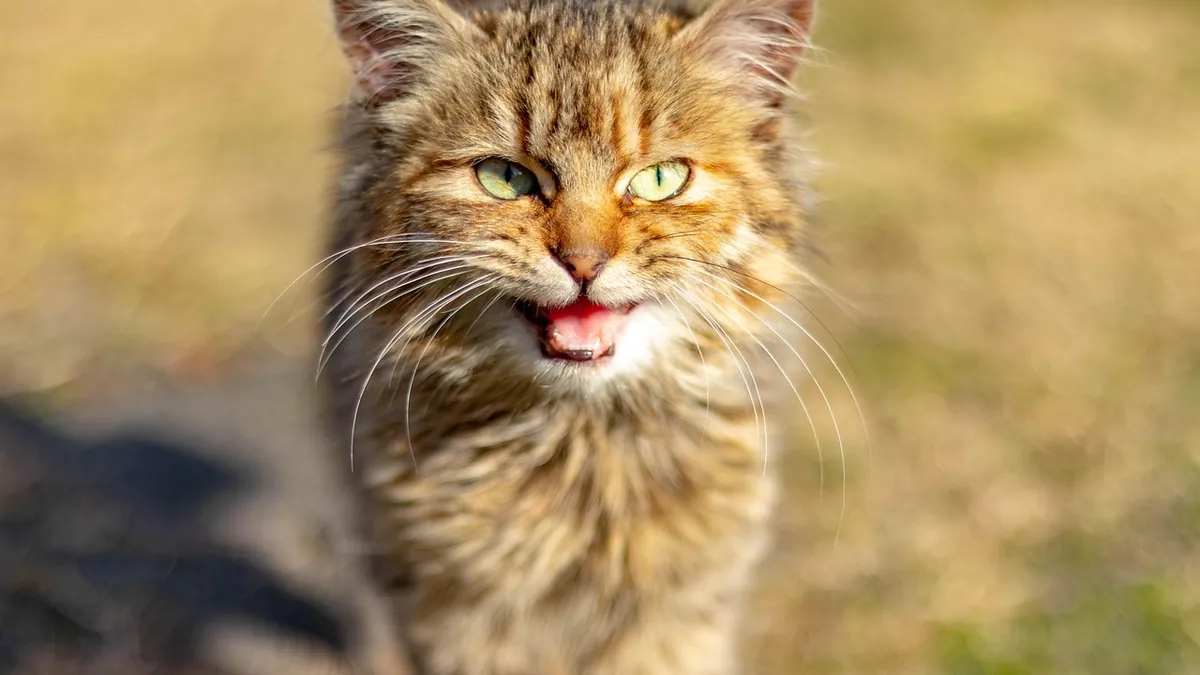
Kittens cry for a short list of reasons: they are hungry, cold, lonely, uncomfortable, or in pain. A very young kitten cries because crying is the only way it can ask for help. An older kitten usually cries because it wants something from you, and that is normal. This article is educational and is not a substitute for veterinary diagnosis or treatment.
Quick Answer
- A kitten under 4 weeks old cries mainly from hunger, cold, or being alone. Feed on schedule, keep it warm, and keep it near you.
- A healthy kitten older than 8 weeks often cries for attention, food, or play. Meowing is a normal request signal, and cats meow more when they want food [1].
- Sudden, constant crying in a kitten that was quiet before is a medical sign until proven otherwise. Book a vet visit.
- Crying with straining in the litter box, a hard belly, or no urine is an emergency. Go to a vet now.
- Never punish a crying kitten. Hitting or yelling adds fear and can make vocalizing worse.
Why Is My Kitten Crying? The Normal Reasons First
Hunger
Hunger is the number one reason a young kitten cries. Newborns and kittens under 4 weeks need to eat every 2 to 4 hours, including overnight. If you are bottle feeding, a crying kitten that settles right after a feed was probably just hungry.
Even adult cats meow more when food is involved. In one study, cats meowed significantly more often when they could see and smell food but could not reach it [1]. Your kitten is doing the same thing. It has learned that crying brings you, and you bring food.
Cold
Kittens cannot control their body temperature well for the first few weeks. A cold kitten cries, curls up, and feels cool to the touch. A kitten this young needs a heat source it can move away from, such as a warm pad set on low under half of the bedding. If the whole surface is warm, the kitten cannot escape the heat.
Loneliness and Contact
Kittens are not meant to be alone. In the wild, a kitten left by itself is in danger, so crying pulls the mother back. A single kitten raised without littermates often cries when you leave the room. This is normal, and it usually improves with time, warmth, and company.
Wanting Play or Attention
Older kittens cry to start play. Play behavior in cats shares a basis with hunting and social contact, so a bored kitten with energy to burn will vocalize at you [1]. A good play session with a wand toy often ends the crying for a while.
Normal Developmental Crying
Some kittens are simply talkative. If your kitten cries often but eats, plays, uses the litter box, and grows well, the crying is likely a habit, not a disease. The pattern matters more than the volume.
Medical Causes to Rule Out
Pain
Pain is the cause owners miss most often. Cats are good at hiding pain, but they still show it in their faces and posture. In cats recovering from eye surgery, researchers documented specific pain behaviors, including a lowered head position, and these behaviors changed after pain medication was given [2]. A kitten in pain may cry, squint, hold its head low, hide, or refuse to be touched.
Pain in kittens can come from many sources: a broken tooth, an injury, an ear infection, a swollen joint, or a full bladder. Any new, constant crying deserves a pain check.
Illness and Fever
A sick kitten cries differently. It may cry while lying still, stop eating, sleep more, or feel warm. Upper respiratory infections, parasites, and intestinal problems are common in kittens and all can cause discomfort and crying.
Hunger From a Medical Problem
A kitten that cries for food but will not eat, or eats and still cries, may have a problem with its mouth, throat, or stomach. Parasites can also keep a kitten hungry and thin. These kittens need a vet visit, not more food.
Urinary Problems
A kitten that cries while trying to urinate, licks its genital area, or produces no urine is in danger. This can be a urinary blockage, which is fatal within a day or two if untreated. If your kitten is crying in the litter box, read Why Is My Cat Crying in litter box? Urinary Blockage Emergency Triage and call a vet right away.
Stress and Environment
Chronic stress can show up as excessive vocalization. In a study of indoor and outdoor cats, cats that showed behaviors such as isolation and excessive vocalization had higher hair cortisol levels, a marker of longer term stress [3]. Indoor cats in that study did well when their homes had litter boxes, hiding places, vertical spaces, and things to hunt [3]. If your kitten cries a lot and hides, its environment may be the problem.
Aggression and Fear
Some crying comes with hissing, swatting, or a tense body. Aggression in cats has both genetic and environmental causes, and it is a welfare concern for the cat and the household [4]. A frightened kitten that cries and swats needs space and a slow approach, not punishment.
When Crying Becomes a Problem
Crying is a problem when it changes. Ask yourself these questions.
- Is this new? A kitten that was quiet and now cries nonstop needs a vet visit.
- Is it constant? Crying for hours without settling is not normal.
- Does it come with other signs? Not eating, hiding, vomiting, diarrhea, or limping all point to illness.
- Does it stop your household from sleeping? Ongoing night crying is common and has its own causes. See Why Is My Cat Crying at Night? and Cat Crying At Night.
- Is your kitten clingy and loud at the same time? Sudden clinginess can be a stress signal. Read Why Is My Cat Suddenly Clingy?.
If the answer to any of these is yes, treat it as a medical question first.
What to Do Step by Step
Step 1: Check the Basics
Feed your kitten on schedule. Warm a chilled kitten slowly. Give it a safe, warm place to sleep near you. For a kitten under 4 weeks, this step alone solves most crying.
Step 2: Check for Pain and Illness
Look for a lowered head, squinting, a tucked belly, hiding, or crying when touched. Check the litter box for urine and stool. Take a short video of the crying so your vet can see and hear it.
Step 3: Meet the Need Behind the Cry
Cats vocalize to express what they want, and the meow is tied to specific situations, especially with people [1]. When your kitten cries, figure out which need it is signaling. Hunger, play, and company are the usual three.
Step 4: Build a Kitten-Friendly Home
Set up the resources that lower stress in indoor cats: litter boxes, hiding places, vertical spaces, and toys that mimic hunting [3]. Feed meals at set times. Play with a wand toy before bed. Give your kitten a window perch and a scratching post.
Step 5: Teach Quiet Without Fear
Reward quiet moments with treats and calm attention. Ignore demand crying for a few seconds at a time, then reward the pause. Keep sessions short and gentle. Kittens learn fast when the lesson is kind.
Step 6: Keep a Simple Log
Write down when the crying happens, what happened right before, and what stopped it. Patterns show up fast. A log also helps your vet.
What Not to Do
Do not punish your kitten. Yelling, spraying water, or hitting does not teach a kitten what you want. It teaches fear, and fear can turn into hiding, swatting, and more crying. Aggression in cats has environmental triggers, and a scary home is one of them [4].
Do not ignore a crying kitten that is very young. A newborn left to cry can get cold, dehydrated, and weak quickly.
Do not assume crying tears mean sadness. Cats have tear ducts that drain tears, and watery eyes usually mean irritation, a blocked duct, or an infection, not emotion. If you see tears running down the face, that is a vet question.
Do not free-feed to stop the crying. It can work for a moment, then it teaches your kitten that crying brings food every time. Scheduled meals work better.
Do not skip the vet because the crying seems behavioral. Pain and stress look alike from the outside. A vet exam is the fastest way to tell them apart.
When to Involve a Veterinarian or Behavior Professional
Call your veterinarian if the crying is new, constant, or paired with any change in eating, drinking, litter box use, or activity. Pain in cats is common and treatable, but it is under-recognized. In a survey of veterinarians, 95 percent said acute pain assessment in cats is important, yet only 56 percent used standardized pain tools in practice [5]. That gap means you are your kitten's best advocate. Describe the crying clearly and ask for a pain assessment.
Ask for a referral to a certified behavior professional if your kitten cries with aggression, fear, or panic, or if crying continues after medical causes are ruled out. Behavior problems in cats have both genetic and environmental roots, so a full plan beats a single fix [4].
Limitations and When to Contact a Veterinarian
This article cannot tell you what is wrong with your specific kitten. Only a veterinarian who examines your kitten can do that. Individual cases need a veterinarian.
Go to an emergency clinic now if your kitten cries while straining to urinate, has a hard or painful belly, cannot stand, breathes with an open mouth, has a seizure, or is limp and unresponsive. Also go now if a very young kitten will not eat or feels cold.
Call your vet the same day if your kitten cries nonstop, cries when touched, stops eating, vomits, has diarrhea, squints or holds its head low, or has a swollen or injured area.
Book a routine visit within a few days if the crying is new but your kitten still eats, plays, and uses the litter box normally. Bring your crying log and a video.
Frequently Asked Questions
Why is my cat crying?
Adult cats cry for the same core reasons kittens do: hunger, attention, stress, or pain. A cat that cries more when you are in the kitchen is asking for food, and a cat that cries while hiding may be hurting. Any sudden change in crying deserves a vet call.
Why is my cat crying tears?
Tears running down the face are not emotional crying in cats. Watery eyes usually mean eye irritation, an infection, or a blocked tear duct. If your cat has tears plus squinting, redness, or pawing at the eye, see a vet soon.
Why does my kitten cry so much?
Young kittens cry a lot because crying is their main way to communicate a need. Hunger, cold, and being alone top the list for kittens under 4 weeks. If your kitten is older, well fed, and warm, the crying is often about attention or play.
Why is my kitten crying so much at night?
Night crying usually means your kitten is awake, bored, or hungry while you sleep. Kittens are naturally active at dawn and dusk, so a late play session and a bedtime meal help. Keep the room dark and quiet, and avoid turning on lights or playing when the crying starts.
My kitten cries all the time. Should I worry?
Worry if the crying is new, constant, or comes with other signs like not eating, hiding, or litter box trouble. A kitten that cries all the time but eats, plays, and grows well may just be talkative. When in doubt, have your vet check for pain and illness first.
Related Articles
- Why Is My Cat Crying at Night?
- Why Is My Cat Crying in litter box? Urinary Blockage Emergency Triage
- Cat Crying At Night
- Why Is My Cat Suddenly Clingy?
- Cat Keeps Coughing And Dry Heaving
- Why Is My Cat Vomiting? Common Causes and Red Flags
- Why Is My Kitten Whining So Much? Causes and Calming Tips
- Kitten Meowing Sounds: What Each Cry Means
- Sick Kitten Signs: Behavior, Crying, and Lethargy Explained
References
- Vocal signals produced by the domestic cat (Felis silvestris catus) in highly motivating contexts. Journal of comparative psychology (Washington, D.C. : 1983), 2026.
- Keeping an eye on pain: Characterization of pain behaviours in cats undergoing ophthalmic surgery. Veterinary journal (London, England : 1997), 2026.
- Stress in Indoor and Outdoor Cats: Association between Hair Cortisol Levels, Housing Style, and Guardians' Perceptions of Behavior. Journal of applied animal welfare science : JAAWS, 2026.
- Genetic and Environmental Causes of Aggression in the Domestic Cat. Veterinary sciences, 2026.
- Acute pain in cats: knowledge, attitudes and practices among Argentine veterinarians - a survey-based study. Journal of feline medicine and surgery, 2026.