Why Does My Kitten Try to Nurse on Me or Blankets?
By Dr. Zubair Khalid, DVM, MS, PhD ·
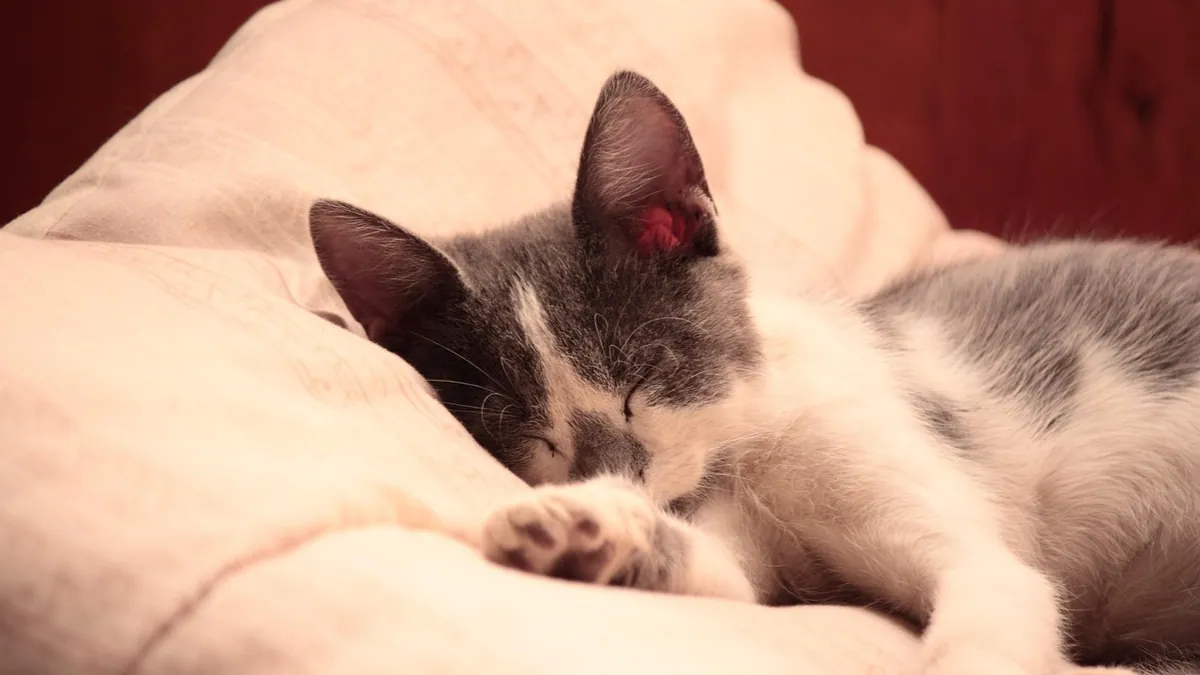
Kittens often nurse on people and blankets because suckling is a built-in comfort behavior that starts at the mother's teat and can persist after weaning. In most cases, a kitten who kneads and suckles on your shirt or a soft blanket is self-soothing, not hungry or sick. This article is educational and is not a substitute for veterinary diagnosis or treatment.
Quick Answer
- Suckling on skin, clothing, or fabric is usually a leftover nursing reflex and a form of comfort, most common in kittens separated from their mother early [1].
- Most kittens outgrow it, but some continue into adulthood, especially if it has become a daily habit tied to relaxation.
- Redirect the behavior with a soft toy, a warm blanket, or a meal, and give your kitten more play and feeding structure.
- Never punish, yell at, or push the kitten away roughly. That can create fear and make the behavior worse.
- See a veterinarian if your kitten suckles constantly, loses weight, has diarrhea, or sucks on itself or other cats to the point of skin damage.
Why Does My Kitten Try to Nurse on Me?
Suckling is one of the first behaviors a kitten learns. It begins at birth and is tied to feeding, warmth, and safety. When a kitten nurses on you, a blanket, or a stuffed animal, it is usually replaying that early pattern because it feels calm and secure.
Normal comfort nursing
Kneading and suckling often go together. The kneading motion mimics what kittens do to stimulate milk flow from the queen. If your kitten purrs, closes its eyes, and slowly drifts off while suckling your sleeve, that is comfort behavior, not hunger.
Kittens who were orphaned or separated from their mother early may show more of this behavior. Research on early maternal separation found that orphaned kittens vocalize and move more when isolated, which suggests separation is stressful for them [1]. Suckling on a person or soft object may be one way they self-soothe after that stress.
Nursing on blankets and clothing
Soft, warm fabrics mimic the texture and warmth of a mother cat's belly. A fleece blanket, a wool sweater, or a plush robe can trigger the nursing reflex in a kitten who is tired or winding down. This is one of the most common reasons owners search for why their kitten is trying to nurse on a blanket.
Nursing on you specifically
If your kitten keeps trying to nurse on you, it may have chosen you as a surrogate mother figure. This is not a sign that you are doing something wrong. It usually means your kitten feels safe with you and has learned that being close to you predicts comfort.
Hunger, teething, and oral exploration
Sometimes nursing is not purely emotional. A kitten who is hungry, growing fast, or teething may suckle more. Young kittens have limited liver sugar reserves and immature glucose production, which makes them prone to low blood sugar during the neonatal period [2]. If your kitten is under 8 weeks old and nursing constantly, talk to your veterinarian about feeding frequency and milk replacer if the mother is not available.
Medical Causes to Rule Out
Most nursing behavior is normal, but a few medical problems can look similar.
Not enough food or poor weight gain
A kitten who is not getting enough calories may suckle on anything available. Weigh your kitten weekly and compare with your veterinarian's growth expectations. If weight gain is slow or your kitten cries after feeding, a veterinary visit is warranted.
Intestinal parasites or diarrhea
Gastrointestinal upset can make a kitten uncomfortable and more oral. If you see diarrhea, a potbellied appearance, or poor coat condition, your veterinarian can check a stool sample.
Maternal or nursing problems in the queen
If the mother cat is still present, she may have reduced milk quantity or quality. A study of breeding queens found that lactational estrus was associated with reduced milk quantity and loss of maternal interest in some litters [3]. If the queen seems restless, rejects the kittens, or her milk looks clotted, contact your veterinarian.
Oral pain or dental issues
Teething discomfort can make kittens chew and suck more. Your veterinarian can examine the mouth for retained teeth, ulcers, or other problems.
Neurologic or behavioral conditions
Rarely, repetitive suckling that never stops, occurs constantly, or is directed at itself or other cats may reflect a neurologic or behavioral disorder. This is not well established in veterinary research, so your veterinarian will need to evaluate your kitten in person.
When Does Nursing Become a Problem?
Nursing is usually harmless. It becomes a concern when it interferes with health, sleep, or the household.
Signs it is becoming a problem
- Your kitten suckles for hours and ignores food or play.
- The behavior causes skin redness, irritation, or hair loss on you or the kitten.
- Your kitten suckles on itself or a littermate hard enough to cause sores.
- Your kitten is not gaining weight or has diarrhea.
- You cannot sleep or wear normal clothing without being suckled.
- The behavior suddenly starts in an adult cat with no prior history.
Why early separation matters
Kittens separated from their mother before weaning may show more distress behaviors. One study found that orphaned kittens vocalized and moved more during brief isolation than mother-reared kittens [1]. If your kitten was orphaned, expect more comfort-seeking behavior and plan for extra enrichment and feeding support.
What to Do Step by Step
You can reduce nursing behavior without punishing your kitten. The goal is to meet the underlying need and teach a replacement behavior.
Step 1: Rule out hunger and medical issues
Feed your kitten a complete kitten diet at the frequency your veterinarian recommends. If your kitten is under 8 weeks old and the mother is not nursing, use a commercial kitten milk replacer, not cow's milk. A study of kittens fed milk replacer found differences in gut bacteria and metabolism compared with queen-reared kittens, so formula feeding should be guided by your veterinarian [4].
Step 2: Offer a safe nursing substitute
Give your kitten a soft, washable toy or a small fleece blanket to knead and suckle. Some kittens accept a stuffed animal. Place it near your kitten during rest times so the habit transfers away from your skin.
Step 3: Redirect gently
When your kitten starts to nurse on you, calmly move it to the substitute object or offer a toy. Do not yank your hand away or shout. Redirect within a few seconds, every time, so the pattern is consistent.
Step 4: Increase play and enrichment
Kittens need outlets for energy and oral behavior. Offer wand toys, puzzle feeders, and short play sessions several times a day. A tired kitten is less likely to suckle for long periods. If your kitten is also crying at night, see Why Is My Cat Crying at Night?.
Step 5: Build a predictable routine
Feed, play, and settle your kitten at similar times each day. Predictability reduces anxiety. If your kitten is anxious in other ways, such as peeing outside the box, see Why Is My Cat Suddenly Peeing on My Clothes?.
Step 6: Protect your skin and clothing
Wear a thick shirt or use a lap blanket during cuddle time. Keep your kitten's nails trimmed. If your skin becomes irritated, wash the area and talk to your doctor if it does not heal.
Step 7: Consider a veterinary behavior consult
If the behavior persists past 6 months of age, causes injury, or is accompanied by other compulsive behaviors, ask your veterinarian for a referral to a certified behavior professional.
What Not to Do
Do not punish or scare your kitten
Yelling, spraying water, or pushing your kitten away can create fear and damage your bond. Punishment does not teach a kitten what to do instead.
Do not use bitter sprays on your skin
Products meant for furniture may irritate your kitten's mouth or eyes. They also do not address the reason for the behavior.
Do not withhold food or water to stop nursing
This is dangerous, especially for young kittens. Kittens have limited glucose reserves and can become weak quickly if they are not fed often enough [2].
Do not assume it is always normal
Most nursing is normal, but sudden onset in an adult cat, weight loss, or skin damage needs a veterinary exam.
Do not let your kitten suckle on other cats roughly
If your kitten suckles on a littermate or adult cat hard enough to cause sores, separate them and talk to your veterinarian.
When to Involve a Veterinarian or Behavior Professional
Contact your veterinarian if your kitten is not gaining weight, has diarrhea, vomits often, or seems weak. These can be signs of parasites, feeding problems, or low blood sugar [2].
Ask for a behavior referral if your kitten suckles constantly, cannot be redirected, or hurts itself or others. A certified behavior professional can help you build a plan that fits your kitten's age and history.
If your kitten was separated from its mother early, mention that at the visit. Early separation is linked to more distress vocalizations and activity during isolation [1], and your veterinarian can help you plan for extra support.
Limitations and When to Contact a Veterinarian
This article cannot diagnose your kitten. Every kitten is different, and only a veterinarian who examines your kitten can determine whether nursing is normal comfort behavior or a sign of a medical problem.
Contact a veterinarian the same day if:
- Your kitten refuses to eat or drink.
- Your kitten has repeated vomiting or diarrhea.
- Your kitten seems weak, wobbly, or unusually quiet.
- Your kitten's gums look pale or white.
- Your kitten has not gained weight in a week or is losing weight.
Go to an emergency clinic now if:
- Your kitten is limp, unresponsive, or having trouble breathing.
- Your kitten has a seizure or sudden collapse.
- Your kitten is bleeding or has a deep wound.
- Your kitten was trapped in an appliance or other dangerous space. Washing machine entrapment has caused shock, breathing difficulty, low body temperature, bleeding problems, brain injury, and eye injury in a kitten, and it required intensive hospital care [5].
Schedule a routine visit if:
- Nursing behavior starts suddenly in an adult cat.
- Your kitten suckles so much that it misses meals or play.
- Your kitten causes skin sores on itself, you, or another pet.
- You want help with behavior modification or a referral.
Frequently Asked Questions
Is it normal for my kitten to nurse on me?
Yes, it is normal in most cases. Suckling is a comfort behavior left over from nursing, and kittens who were separated from their mother early may do it more often [1]. If your kitten is eating, gaining weight, and playing normally, it is usually not a medical concern.
Will my kitten grow out of nursing on blankets?
Many kittens do grow out of it by 6 to 12 months of age, but some continue into adulthood. The habit is more likely to persist if it is rewarded with attention or if your kitten has no other outlet for oral comfort. Redirecting to a toy or blanket and adding play can help.
Should I let my kitten suckle on my skin?
It is usually safe if your skin is not irritated and your kitten is not hurting you. However, repeated suckling can cause redness, chapping, or small sores. If your skin breaks down, stop the behavior and offer a substitute object instead.
Can nursing on me mean my kitten is hungry?
Sometimes. A hungry kitten may suckle more, especially if it is not getting enough calories or is growing quickly. Young kittens have limited glucose reserves and can become weak if they are not fed often enough [2]. Check with your veterinarian about feeding amount and frequency.
When should I worry about my kitten nursing?
Worry if the behavior is constant, causes weight loss, skin damage, or stops your kitten from eating and playing. Also worry if it starts suddenly in an adult cat or comes with vomiting, diarrhea, or weakness. Your veterinarian can rule out medical causes and help with behavior planning.
Related Articles
- Why Is My Cat Crying at Night?
- Why Is My Cat So Itchy?
- Why Was My Cat Choking
- Why Is My Cat Suddenly Peeing on My Clothes?
- Why Is My Cat Peeing on My Clothes? Causes and Solutions
- Why Is My Cat Hiding?
- Why Is My Kitten Licking My Blanket, Hand, or Ear?
- Why Is My Kitten Kneading Blankets? Meaning and Biting
- Kitten Not Latching On: How to Help a Newborn Nurse
References
- The effect of premature maternal separation on distress vocalizations and activity in kittens (Felis catus) during a brief nest separation. Applied animal behaviour science, 2020.
- Reassessing neonatal hypoglycemia in kittens: clinical relevance beyond the laboratory value. Topics in companion animal medicine, 2026.
- Prevalence of lactational oestrus in cats and consequences for kittens. Journal of feline medicine and surgery, 2023.
- Alterations in the Intestinal Microbiome and Metabolic Profile of British Shorthair Kittens Fed with Milk Replacer. Animals : an open access journal from MDPI, 2024.
- Washing machine-induced trauma and coagulopathy in a kitten. The Canadian veterinary journal = La revue veterinaire canadienne, 2024.