Why Is My Kitten Rubbing Its Face on Me?
By Dr. Zubair Khalid, DVM, MS, PhD ·
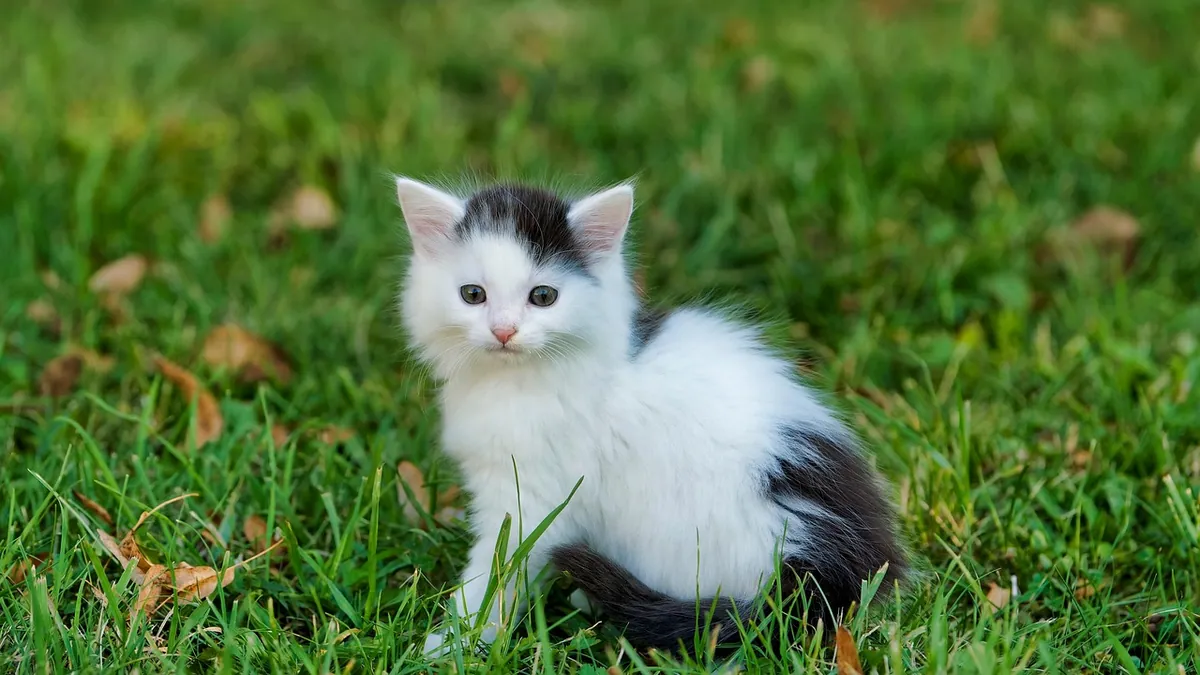
Kittens rub their faces on people to deposit scent from glands on the cheeks, chin, and forehead. It is a normal social behavior that usually means your kitten feels safe and is claiming you as part of its group. When you ask yourself why is my kitten rubbing against my face, the short answer is scent communication plus affection, but the full answer depends on the rest of your kitten's body language.
This article is educational and is not a substitute for veterinary diagnosis or treatment.
Quick Answer
- Face rubbing is scent-marking. Cats have scent glands on the cheeks, chin, lips, and forehead, and rubbing transfers those scents onto you.
- It is usually a friendly signal. A relaxed kitten with soft ears, a raised tail, and a rumbling purr is communicating comfort, not aggression.
- Licking often comes with it. Grooming you is a social behavior kittens learn from their mother and littermates.
- Sudden rubbing plus biting or flattened ears is different. That pattern points to overstimulation or play aggression, not affection.
- Any new rubbing that comes with itching, hair loss, sneezing, or eye discharge needs a veterinary visit, because skin and upper respiratory problems can look like face rubbing at first.
Why Does My Kitten Rub Its Face on Me?
The scent gland explanation
Cats have clusters of scent glands on the face. The cheek glands sit along the sides of the muzzle, the chin glands sit under the lower jaw, and the forehead and lip areas have glands too. When your kitten presses its face against you, it is wiping a personal scent signature onto your skin and clothing.
This is the same behavior wild felids use to mark objects and territory. A camera-trap study of a wild snow leopard recorded head-rubbing on vegetation during 7 of 15 videos, often right after the animal sniffed the plant [1]. The behavior is deeply wired in cats, large and small.
Why your kitten rubs all over you
Kittens rub all over their owners for the same reason they rub one spot. They are mixing their scent with yours. In a household, this creates a shared group odor. To a cat, you smell like family, and the house smells like the family lives there.
You may notice more rubbing when you come home, after you shower, or after you handle another animal. Those are moments when your scent has changed and your kitten is refreshing the label.
Why your kitten licks your face
Licking is a companion behavior to rubbing. Mother cats groom their kittens, and kittens groom each other. When your kitten licks your chin or nose, it is treating you like a littermate. Some kittens also lick because your skin tastes salty from sweat.
Licking is usually harmless. If your kitten licks and then nips, that is a transition into play, and you should redirect it to a toy.
Why does my kitten rub his face on my face specifically?
Your face carries the strongest concentration of your personal scent, and it is at your kitten's eye level when you sit or lie down. Your breath also moves, which draws attention. Face-to-face contact is the most direct way for a kitten to exchange scent with you.
Some cats also learn that face rubbing gets a reaction. If you talk, pet, or laugh, the behavior gets reinforced.
Scent and plant responses
Cats also rub their faces on certain plants. A study comparing free-roaming and captive cats found that cats consistently engaged with silver vine, showing face-rubbing and rolling, while they rarely showed those responses to intact catnip plants [2]. This tells you that face rubbing is a flexible behavior that cats direct at many scent-rich targets, including you.
Medical Causes to Rule Out
Face rubbing is normal, but rubbing that looks compulsive, constant, or irritated deserves a closer look.
Skin and ear problems
If your kitten rubs its face on furniture, walls, and the floor as much as on you, itching may be the driver. Fleas, ear mites, and skin infections are common causes of facial itching in kittens. Scratching at the ears or shaking the head often happens at the same time. See Why Is My Cat So Itchy? and Why Is My Cat Scratching Its Ears? for the signs owners notice first.
Dental and oral pain
Kitten teething and any dental pain can make a cat press its face against soft surfaces. If your kitten rubs one side of the face more than the other, drools, or eats on one side, ask your veterinarian to check the mouth.
Upper respiratory and eye problems
Sneezing, watery eyes, and nasal discharge can make a kitten rub its face and eyes. See Why Is My Cat Sneezing? if that pattern sounds familiar.
Neurologic and compulsive behavior
Rarely, face pressing against walls or hard objects in a fixed, trance-like way can signal neurologic disease or pain. This is different from the soft, social rubbing you get on your cheek. Head pressing against walls needs same-day veterinary attention.
When Face Rubbing Becomes a Problem
Overstimulation
Kittens have a short tolerance for handling. Rubbing can shift into a bite or a swat within seconds. Watch for a twitching tail, flattened ears, dilated pupils, and skin rippling along the back. Those are the signals to stop petting and let your kitten walk away.
Why does my kitten attack my face?
Face attacks usually happen in two situations. The first is play aggression, where your moving face or hair looks like prey. The second is overstimulation during close contact. Both are normal kitten behaviors that need redirection, not punishment.
Never let a kitten treat your face as a toy. Hands and faces should not be wrestling targets, because the behavior gets harder to change as the kitten grows into a cat with adult teeth and claws.
Attention-seeking and habit
If face rubbing always earns petting, your kitten will keep doing it, sometimes forcefully. That is fine if you enjoy it. If it interferes with sleep or work, you can change the routine without punishing the cat.
Anxiety and stress
Some cats rub more when they are anxious. A study of cats meeting an unfamiliar human found that cats exposed to a facial pheromone mist showed significantly more rubbing than control cats, and they were somewhat more likely to initiate contact with the stranger [3]. Rubbing can be a coping and greeting behavior when a cat is unsure.
If your cat's behavior toward you changes suddenly in the other direction, see Why Is My Cat Suddenly Afraid of Me?.
What to Do Step by Step
Read the body language first
Before you respond, look at the whole cat. Soft ears, a tail held up, slow blinks, and a relaxed body mean the rubbing is social. Flat ears, a lashing tail, and a stiff body mean stop and give space.
Set a predictable routine
Feed, play, and groom at similar times each day. Predictable routines lower anxiety and reduce attention-seeking rubbing at odd hours.
Use play to burn energy
Two or three short play sessions a day with a wand toy can reduce face attacks. End each session with a treat or a meal so your kitten settles.
Redirect biting immediately
If your kitten bites your face or hands, freeze, then remove yourself. Offer a toy instead. Do not yank your hand away fast, because that triggers more chasing.
Keep the face calm
Avoid rough face play, blowing on your kitten, or letting it chew your hair. These teach your kitten that faces are toys.
Check the environment
Cats rub more on things that carry scent. Provide scratching posts, cat trees, and a few soft beds. Wash your hands after handling other pets so your kitten is not constantly re-marking you.
Consider scent tools carefully
Feline facial pheromone products are widely used, but the evidence is mixed. One study found that neither catnip nor facial pheromone changed clinical or behavioral parameters in cats examined with cat-friendly handling [4]. Another found more rubbing in cats exposed to a pheromone mist [3]. Pheromones are not a substitute for handling skills, play, and a low-stress home.
Groom and check the skin
Brush your kitten regularly and look for fleas, scabs, or bald patches. Early detection of skin problems prevents a lot of face rubbing that has nothing to do with affection.
What Not to Do
Do not punish
Never hit, yell at, or spray your kitten for rubbing or biting. Punishment increases fear and can turn a friendly behavior into defensive aggression.
Do not use your hands as toys
Hand wrestling teaches kittens that skin is fair game. Once that lesson is learned, it is hard to undo.
Do not assume every rub is love
Constant, frantic rubbing, especially against hard surfaces, is not affection. It can be itching, pain, or a neurologic problem.
Do not rely on myths
A common myth says face rubbing is only about marking territory and has no social meaning. The behavior is social and communicative, and it serves several functions at once. Another myth says cats rub only when they want food. Hunger can increase rubbing, but it is not the only trigger.
Do not skip the vet because the behavior seems cute
A kitten that rubs its face and also scratches its ears, sneezes, or has crusty eyes needs an exam. Treating the underlying problem is faster than waiting it out.
When to Involve a Veterinarian or Behavior Professional
Call your veterinarian if face rubbing starts suddenly in an adult cat, if it comes with itching, hair loss, sneezing, eye discharge, drooling, or head shaking, or if your kitten rubs one side of the face repeatedly.
Ask for a referral to a certified behavior professional if your kitten bites your face hard enough to break skin, if the behavior is getting worse despite redirection, or if you feel unsafe handling your kitten.
Limitations and When to Contact a Veterinarian
This article covers common patterns, but every kitten is an individual. A veterinarian who examines your kitten can check the skin, ears, mouth, eyes, and nervous system, and can rule out pain or infection. No article can do that.
Contact a veterinarian the same day if your kitten has facial swelling, a swollen or painful ear, discharge from the eyes or nose, drooling, trouble eating, or a sudden change in behavior.
Go to an emergency clinic now if your kitten presses its head against walls or hard objects, walks in circles, has a seizure, cannot stand, or has trouble breathing.
Schedule a routine visit if the rubbing is new, if it is getting more frequent, or if you notice any itching, sneezing, or hair loss along with it.
Frequently Asked Questions
Is face rubbing a sign my kitten loves me?
Yes, in most cases it is a friendly social signal. Your kitten is mixing its scent with yours, which is how cats build a shared group identity. Pair the rubbing with a relaxed body and a purr, and you have a comfortable, bonded kitten.
Why does my kitten rub its face on me and then bite?
That pattern is overstimulation or play aggression. The rubbing was fine until your kitten hit its handling limit or decided your face was a toy. Stop the interaction, offer a toy, and keep future sessions short.
Should I let my kitten lick my face?
Most healthy kittens can lick your face without harm, but kittens can carry bacteria in their mouths. If you have a weakened immune system, open skin, or a young child in the home, keep the face licking to a minimum and wash afterward.
Does face rubbing mean my kitten is marking me as property?
It means your kitten is adding its scent to you, which is a form of social marking. Cats do this with people and objects they treat as safe and familiar. It is closer to a family label than a claim of ownership.
Can I stop my kitten from rubbing its face on me?
You can reduce it, but you cannot remove a normal behavior. Redirect with play, keep a predictable routine, and give your kitten other scent outlets like scratching posts and beds. If the rubbing is constant or frantic, have your veterinarian check for itching or pain first.
Related Articles
- Why Is My Cat So Itchy?
- Why Is My Cat Scratching Its Ears?
- Why Is My Cat Sneezing?
- Why Is My Cat Shaking Her Head And Ears
- Why Is My Cat Suddenly Afraid of Me?
- Why Is My Cat Hiding?
- Why Is My Cat Rubbing Against Me and Everything?
- Why Does My Cat Rub His Face on Everything?
- Why Does My Cat Bump Its Head on Me? Meaning Explained
References
- Camera-Trap Evidence of Myricaria sp. Consumption and Head-Rubbing by a Wild Snow Leopard (Panthera uncia) in an Alpine Ecosystem. Ecology and evolution, 2026.
- Free-Roaming and Captive Cats Prefer Silver Vine to Catnip for Self-Anointing. Journal of chemical ecology, 2026.
- Can a water-based mist form of the F3 facial pheromone have a short-term effect on cats' adaptation to a new situation?. Journal of feline medicine and surgery, 2026.
- Catnip (Nepeta cataria) and Feline Facial Pheromone Have No Effect on Clinical or Behavioral Parameters of Cats in Hospital Environment. Journal of applied animal welfare science : JAAWS, 2026.