Why Is My Kitten Licking My Blanket, Hand, or Ear?
By Dr. Zubair Khalid, DVM, MS, PhD ·
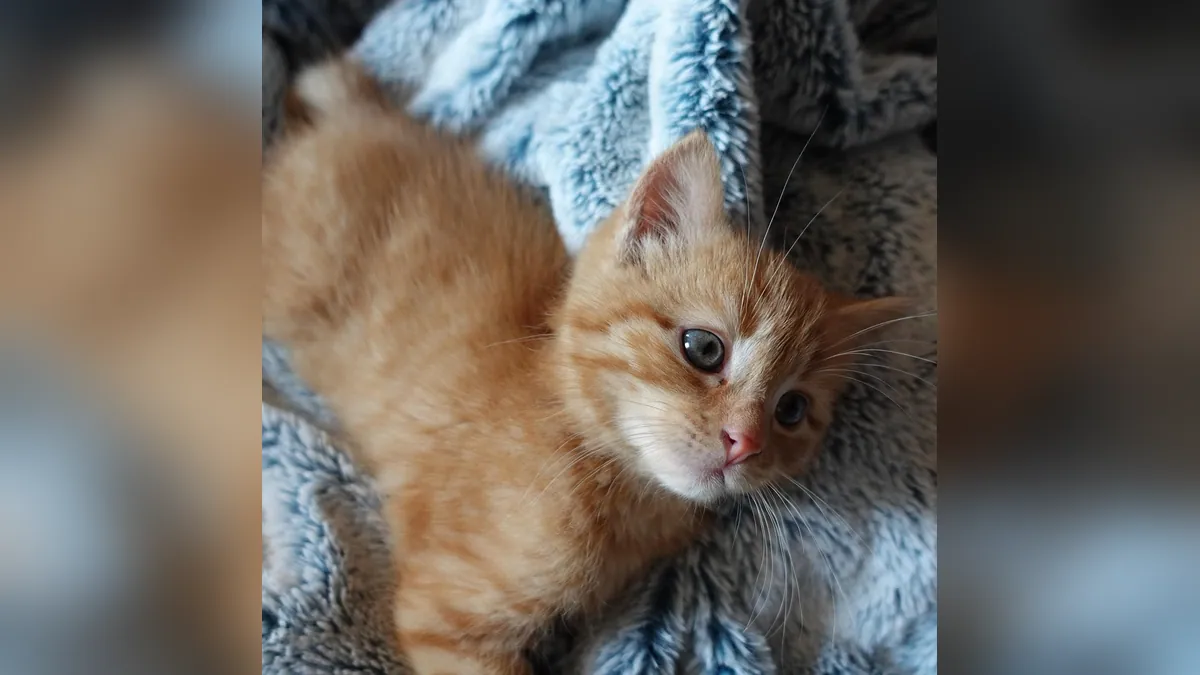
Kittens lick blankets, hands, and ears for many reasons, and most of the time it is normal. Licking is how cats groom, explore, and bond, and a young kitten may lick your blanket because it is soft, because it smells like you, or because suckling motions soothe them. This article is educational and is not a substitute for veterinary diagnosis or treatment.
Quick Answer
- Licking your hand or ear is usually affection, scent marking, or a leftover nursing habit, and it is common in kittens under 6 months.
- Licking a blanket often means the fabric feels good or smells like you, and it can be a self-soothing behavior when a kitten is tired or stressed.
- Sudden, intense, or nonstop licking of fabric, floors, or walls can point to anxiety, pica, or an upset stomach, so it deserves a vet visit.
- Redirect gently to a toy or a soft cat bed, add play and routine, and never punish or scruff your kitten for licking.
- Call your veterinarian if licking comes with vomiting, diarrhea, weight loss, drooling, or if your kitten swallows blanket fibers.
Why Is My Kitten Licking My Blanket, Hand, or Ear?
Licking is a normal cat behavior. Grooming is a maintenance behavior that makes up about 4% of a cat's daily activity, and it usually happens in short bouts spread through the day [1]. In kittens, that grooming instinct overlaps with nursing, exploring, and bonding, so licking can show up in odd places.
Affection and social bonding
Cats lick each other as a social gesture, and your kitten may treat you the same way. Licking your hand or ear is often a sign of trust and closeness. Your ear and hand carry your scent, and licking mixes your kitten's saliva scent with yours, which is a form of familiar marking.
Leftover nursing behavior
Young kittens suckle for comfort, not only for food. Some kittens keep that mouthing habit after weaning and transfer it to soft fabric, earlobes, fingers, or blankets. This is why a kitten may knead and lick a blanket at the same time. It looks a lot like nursing, and it often happens when your kitten is relaxed or sleepy.
The blanket feels good and smells like you
Blankets are warm, soft, and covered in your scent. For a kitten, that combination is calming. Licking fabric can be simple sensory exploration, especially in a kitten still learning what is food and what is not.
Self-soothing and stress relief
Licking can lower arousal in a kitten who feels unsettled. Common triggers include a new home, a new pet, loud noise, being left alone, or a change in routine. If your kitten licks the blanket mostly at bedtime or after a stressful event, self-soothing is a likely reason.
Scent and taste curiosity
Some plant compounds trigger licking in cats. In one study, silver vine and similar plant products caused sniffing, licking, chewing, and rubbing in feral cats [2]. Your kitten may also lick a blanket because of a faint scent on it, such as lotion, food, or laundry products. Keep scented products away from your kitten's bedding.
Medical Causes to Rule Out
Most kitten licking is harmless, but some causes need treatment.
Skin problems and itching
If your kitten licks its own body a lot, itching or pain may be the reason. Cats lick when an area is itchy or painful, and itchy diseases tend to cause more widespread licking than pain does [3]. Kittens can pick up parasites, and that can drive licking and scratching. If your kitten is also scratching, see Why Is My Cat So Itchy? and Why Is My Cat Scratching Its Ears?.
Gastrointestinal upset
Nausea can make a cat lick more, including licking lips, fabric, floors, or walls. If blanket licking comes with drooling, vomiting, diarrhea, or going off food, your kitten may have an upset stomach. A veterinarian can check for parasites, diet problems, and other causes.
Pica
Pica means eating or mouthing nonfood items. Blanket licking becomes a concern when your kitten swallows fibers, because fabric can cause a blockage. A kitten with pica may also chew plastic, string, or carpet. This is a medical and safety issue, so have your kitten examined.
Oral pain or dental problems
A kitten with a sore mouth may lick, drool, or chew oddly. Teething can also make kittens mouth everything. Your veterinarian can look inside the mouth and check for injuries or retained baby teeth.
Neurologic and unusual causes
Rarely, licking is linked to nerve or brain problems. In older cats, licking can relate to conditions such as neurological disease, but this is uncommon in kittens [3]. Some cats show repetitive licking or biting of the tail, flanks, or back as part of a hypersensitivity pattern, and these signs can appear even in cats whose owners report no problems at home [4]. If licking looks compulsive or comes with twitching skin, ask your veterinarian.
When Kitten Licking Becomes a Problem
Normal licking is brief, relaxed, and easy to interrupt. Problem licking is different.
Watch for these signs:
- The licking lasts a long time or happens many times a day.
- Your kitten cannot be redirected to play or food.
- Your kitten licks until the skin is red, raw, or bald.
- Your kitten swallows blanket fibers, string, or other nonfood items.
- Licking comes with vomiting, diarrhea, weight loss, drooling, or hiding.
- Your kitten licks walls, floors, litter, or dirty surfaces.
If your kitten is licking its own fur to the point of hair loss, that is a separate problem. See Cat Licking Fur Off: Causes and How to Help.
What to Do Step by Step
1. Track the behavior
Write down when the licking happens, what your kitten licks, and how long it lasts. Note what happened just before, such as feeding, play, being alone, or a loud noise. This record helps your veterinarian sort out normal behavior from a medical or anxiety problem.
2. Rule out medical causes first
Book a wellness visit if the licking is new, intense, or paired with any physical sign. Your veterinarian will weigh your kitten, check the mouth and skin, and may test a stool sample. Do not give any medication unless your veterinarian prescribes it and calculates the dose from your kitten's weight and health.
3. Redirect to appropriate items
When your kitten licks your hand or ear, offer a soft toy or a chew made for kittens. When it licks the blanket, place a cat bed or a soft toy nearby and praise your kitten for using it. Redirect early, before the licking becomes a long habit.
4. Add play and enrichment
Boredom and stress feed repetitive behavior. Aim for short play sessions with wand toys several times a day. Add climbing space, window perches, food puzzles, and scratching posts. A tired, busy kitten licks less out of boredom.
5. Keep a steady routine
Feed, play, and settle your kitten at about the same times each day. Predictable routines lower anxiety in young cats. If your kitten licks at bedtime, add a calm play and feeding session before sleep.
6. Manage the environment
Wash blankets with unscented detergent, and keep lotions, oils, and human foods away from bedding. Put away string, plastic, rubber bands, and small objects your kitten could swallow. If your kitten targets one specific blanket, store it out of reach for a few weeks.
7. Consider calming support
If your veterinarian finds no medical cause, ask about behavior support. Pheromone products, scheduled enrichment, and behavior modification can help some kittens. Your veterinarian can decide whether any product is safe for your kitten.
What Not to Do
Do not punish your kitten for licking. Punishment, scruffing, or spraying water can raise anxiety and make compulsive behavior worse. It also damages the bond you are building.
Do not assume licking is always affection. If the behavior is intense, constant, or aimed at nonfood items, it may be a medical or behavior problem.
Do not let your kitten eat blanket fibers. Fabric does not digest, and swallowed pieces can cause a blockage that needs surgery.
Do not use human medications, essential oils, or home remedies on or near your kitten. Many are toxic to cats. Your veterinarian sets any treatment and dose.
Do not trust the myth that a kitten will simply grow out of heavy fabric licking. Some do, but pica and anxiety often need help.
When to Involve a Veterinarian or Behavior Professional
Call your veterinarian if the licking is new, getting worse, or happens with any physical sign. If your veterinarian rules out medical causes, ask for a referral to a veterinarian who specializes in behavior. A certified behavior professional can build a plan for anxiety, pica, or compulsive licking. Bring your tracking notes and a short video of the behavior to the visit.
Limitations and When to Contact a Veterinarian
This article covers common patterns, but every kitten is an individual. Only your veterinarian can examine your kitten, run tests, and give a diagnosis. Individual cases need a veterinarian, so use the guidance below as a starting point, not a final answer.
Contact your veterinarian the same day if your kitten:
- Licks nonstop and cannot be calmed or redirected.
- Vomits, has diarrhea, drools heavily, or refuses food.
- Licks its own skin until it is red, raw, or bleeding.
- Swallows a piece of blanket, string, or another nonfood item.
- Shows pain when you touch the mouth, belly, or back.
Go to an emergency clinic now if your kitten:
- Tries to vomit but nothing comes up, or has a swollen, painful belly.
- Breathes fast, pants, or collapses.
- Has a seizure, trembles all over, or cannot stand.
- Has swallowed string, thread, or a long piece of fabric (these can cut the intestine).
Call your veterinarian for a routine visit if the licking is mild but lasts more than a few weeks, or if you see any hair thinning, weight change, or new scratching. For poison exposure, call the ASPCA Animal Poison Control Center at (888) 426-4435 or the Pet Poison Helpline at (855) 764-7661. A consultation fee may apply.
Frequently Asked Questions
Why does my kitten lick my hand?
Licking your hand is usually affection, scent mixing, or a leftover nursing habit. Your kitten is comfortable with you and treating you as a safe social partner. If the licking is constant or your kitten also bites, have it checked for anxiety or mouth pain.
Why does my kitten lick my ear?
Your ear is warm, close to your face, and carries your scent, which makes it a target for grooming and bonding behavior. Some kittens also lick ears because the motion feels like nursing. Redirect to a toy if it bothers you, and never punish the kitten.
Is it bad if my kitten licks fabric?
Occasional licking of a soft blanket is usually harmless. It becomes a problem when your kitten swallows fibers, licks fabric for long stretches, or targets many nonfood items. That pattern can point to pica, anxiety, or an upset stomach and needs a vet visit.
How do I stop my kitten from licking the blanket?
Redirect to a toy or cat bed, add more play and routine, and remove the blanket from reach for a while. Rule out medical causes with your veterinarian if the behavior is intense or new. Punishment makes anxiety worse, so keep the approach calm and consistent.
Do kittens grow out of licking blankets?
Many kittens do reduce this behavior as they mature and find other outlets for comfort. Some keep the habit, and a few develop pica or anxiety that needs treatment. If the licking is frequent, intense, or involves swallowing fabric, do not wait for it to pass on its own.
Related Articles
- Why Is My Cat Scratching Its Ears?
- Why Is My Cat Shaking Her Head And Ears
- Cat Licking Fur Off: Causes and How to Help
- Cat Scratching Their Ears
- Why Is My Cat So Itchy?
- Why Is My Cat Licking Herself Bald? Causes and Treatment
- Why Do Kittens Lick You? Normal vs Excessive Licking
- Why Does My Kitten Try to Nurse on Me or Blankets?
- Why Is My Kitten Kneading Blankets? Meaning and Biting
References
- Exploring Normal to Abnormal Variations of Grooming Behaviours in Cats. Veterinary dermatology, 2026.
- Feral Cat Responses to Silver Vine: Implications for Feral Cat Management. Journal of chemical ecology, 2026.
- Cats that Lick Too Much. Cornell University College of Veterinary Medicine.
- Prevalence of behavioural signs commonly associated with feline hyperaesthesia syndrome among healthy cats. The Journal of small animal practice, 2025.