Why Is My Kitten Kneading Blankets? Meaning and Biting
By Dr. Zubair Khalid, DVM, MS, PhD ·
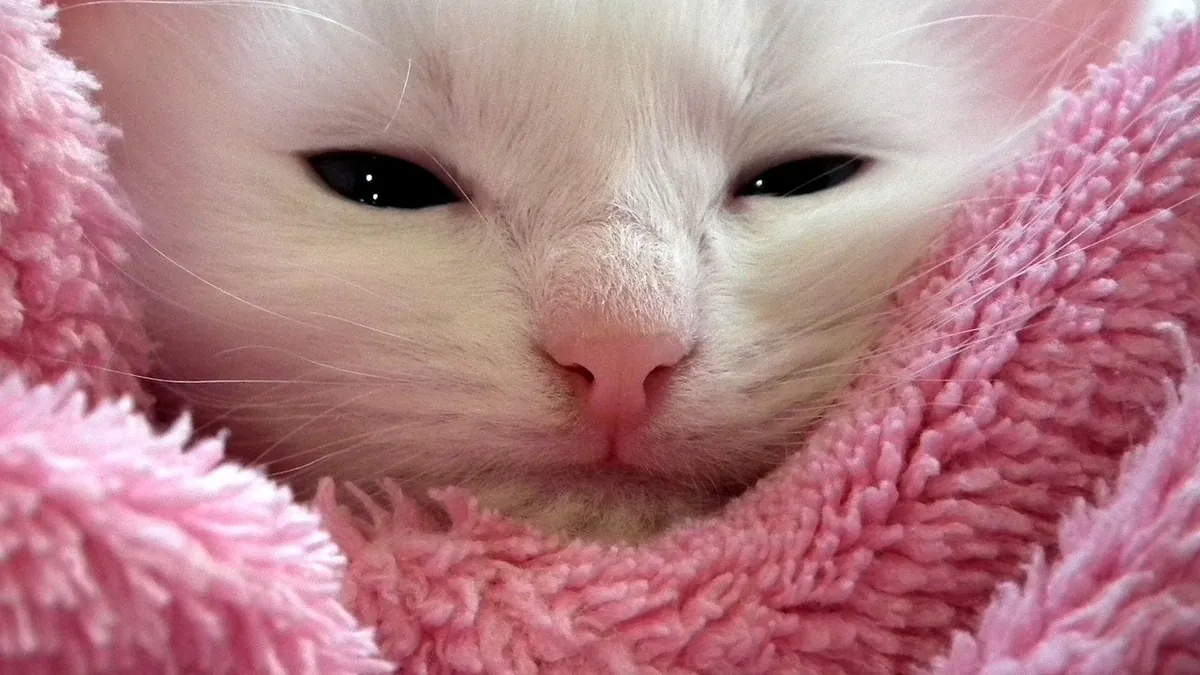
Kittens knead blankets because the motion is wired into them from nursing. Pressing their paws against their mother's belly helped push milk out when they were newborns, and the habit often carries into adulthood as a self-soothing behavior. If your kitten is kneading your blanket, it usually means she feels safe and content, though biting or suckling during kneading can point to early weaning or stress.
This article is educational and is not a substitute for veterinary diagnosis or treatment.
Quick Answer
- Kneading is a normal comfort behavior that starts with nursing and often continues for life.
- Most kittens knead when relaxed, sleepy, or settling down next to you or a soft blanket.
- Kneading with biting or suckling on fabric is more common in kittens weaned early or under stress.
- You can redirect biting and protect your skin and clothes without punishing your kitten.
- Sudden new kneading with biting, drooling, or appetite changes needs a veterinary visit.
Why Is My Kitten Kneading My Blanket? The Normal Reasons
Kneading is one of the earliest behaviors a cat learns. Newborn kittens press their paws against the queen's mammary area to stimulate milk flow, and this pattern is present from the first days of life. In one study of free-ranging domestic cats, kittens showed a preference for particular nipples within 12 hours of birth, and by day 3 each kitten had settled into an individual "teat order" [1]. The rhythmic push-and-release motion you see on your blanket is the same motor pattern, just aimed at a softer target.
Comfort and Safety
When your kitten kneads a blanket, she is often telling you she feels secure. The behavior releases a sense of calm tied to the nursing period, when she was warm, fed, and protected. Many cats knead right before sleep or while being petted. This is a good sign. It means your kitten has bonded with you and her environment.
Scent Marking
Cats have scent glands between their paw pads. Kneading presses those glands into fabric, leaving a familiar smell behind. This is one reason cats knead blankets, beds, and even your lap. The blanket becomes part of her territory, and the scent helps her feel at home.
Stretching and Self-Soothing
Kneading also stretches the muscles of the front legs and shoulders. Kittens do it when they are tired, and adult cats often do it as a wind-down routine. If your kitten kneads so much that it seems constant, she may simply have a strong comfort habit. That is not a medical problem on its own.
Why Do Cats Knead? A Behavior That Persists
Kneading is not limited to kittens. Adult cats knead because the behavior is rewarding and calming. It is a leftover from infancy that never fully disappears, similar to how some people suck their thumb or twirl their hair. The behavior is normal across the species, and most owners learn to enjoy it, even when it means a few claw marks.
Kitten Kneading and Biting Blanket: What It Means
When kneading comes with biting, suckling, or chewing on the blanket, the picture changes. This combination is common in kittens separated from their mother too early. Kittens who were weaned before they were ready may keep suckling fabric as a substitute for nursing. The behavior is a comfort-seeking response, not aggression.
Early Weaning
Kittens typically nurse for the first several weeks of life, and the suckling period is a major part of early development. In domestic cats, kittens develop strong individual nipple preferences and nurse in a fairly organized way [1]. When a kitten is removed from the mother before that period is complete, she may transfer the suckling urge to blankets, clothing, or your skin. The kneading and biting are her attempt to recreate the nursing experience.
Stress and Anxiety
Stress can also drive kneading with biting. Changes in the home, a new pet, loud noises, or a disrupted routine can push a kitten toward self-soothing behaviors. If your kitten suddenly starts kneading and biting a blanket after a move or a schedule change, stress is a likely trigger. You may also notice other signs, such as hiding, over-grooming, or clinginess. If your cat has become unusually attached to you, our article on why your cat is suddenly clingy covers the behavior side of that pattern.
Suckling Blanket Behavior
Some kittens suckle blankets with a focused, almost trance-like look. This is called wool sucking or fabric suckling, and it is more common in certain breeds and in early-weaned kittens. It can be harmless, but it can also lead to swallowing fabric fibers. If your kitten suckles and swallows pieces of blanket, that is a risk for intestinal blockage and needs veterinary attention.
Medical Causes to Rule Out
Kneading itself is not a disease. But when kneading comes with biting, suckling, or other changes, a veterinarian should check for underlying problems.
Oral Pain
Dental problems, retained baby teeth, or oral ulcers can make a kitten chew and bite at fabric. If your kitten bites the blanket and also drools, drops food, or avoids hard kibble, oral pain is possible. A veterinarian can examine the mouth and decide whether treatment is needed.
Gastrointestinal Issues
Nausea and stomach upset can cause licking, chewing, and suckling motions. If your kitten is kneading and biting the blanket while also vomiting, having diarrhea, or eating less, a veterinary exam is warranted. Some cats with nausea lick surfaces or fabric as a coping behavior.
Parasites and Skin Irritation
Itching from fleas, mites, or allergies can make a kitten restless and mouthy. If you see scratching, hair loss, or scabs along with the kneading and biting, parasites or skin disease may be involved. Our guide on why your cat is so itchy explains how to tell the difference between normal grooming and a problem that needs treatment.
Neurological and Behavioral Conditions
In rare cases, repetitive suckling and biting can be part of a compulsive disorder. These behaviors are diagnosed only after medical causes are ruled out. A veterinarian or veterinary behaviorist can help if the behavior is intense, frequent, or causing injury.
When Kitten Kneading Becomes a Problem
Kneading is usually harmless. It becomes a problem when it causes pain, injury, or damage.
Claw Punctures
Kneading cats extend and retract their claws, and those claws can puncture skin. A case report described a woman who developed multiple small puncture wounds on her abdomen from her cat kneading on her clothes-covered belly. The authors proposed the term "felis punctatis" for this claw-induced skin injury [2]. If your kitten kneads your lap or chest, a thin blanket or a trim of the claw tips can reduce the risk.
Biting That Breaks Skin
Kitten bites can break skin, and cat bites carry a risk of infection. If a bite punctures your skin, wash the area with soap and water and contact your doctor. Cat scratch and bite wounds can transmit bacteria, and prompt care matters.
Fabric Damage and Ingestion
Constant kneading and suckling can shred blankets and clothing. More seriously, swallowed fabric can cause a blockage. If your kitten has a history of eating fabric, keep those items out of reach and talk to your veterinarian about safe alternatives.
Compulsive Intensity
If your kitten kneads so much that she cannot settle, or if the behavior interferes with eating, sleeping, or playing, that is a sign to seek help. Normal kneading is relaxed. Compulsive kneading looks tense and repetitive.
What to Do Step by Step
You can manage most kneading and biting at home with a few practical steps.
Step 1: Protect Your Skin and Clothes
Keep a soft blanket or towel between your kitten and your skin. Trim your kitten's claw tips every week or two with a cat-specific nail trimmer. Ask your veterinarian or a veterinary technician to show you how to do this safely. A scratched or punctured area should be cleaned and watched for signs of infection.
Step 2: Redirect the Biting
When your kitten starts biting the blanket, offer a safe alternative. A soft plush toy or a small fleece square can absorb the suckling urge. Praise her when she uses the toy instead of your hand or your blanket. Do not pull your hand away quickly, since that can trigger a chase response. Instead, freeze, then calmly replace your hand with the toy.
Step 3: Build a Calm Routine
Kittens thrive on predictable schedules. Feed at the same times each day, keep a consistent play routine, and provide a quiet sleeping area. A predictable environment reduces stress-driven kneading. If your kitten seems anxious, a pheromone diffuser or a calming supplement recommended by your veterinarian may help. Your veterinarian can advise on product choice and dosing for your kitten's weight and health.
Step 4: Increase Enrichment
Boredom can fuel repetitive behavior. Offer puzzle feeders, wand toys, and climbing structures. Set aside two or three short play sessions each day. A tired kitten kneads less and settles more easily. Rotate toys so they stay interesting.
Step 5: Provide a Designated Kneading Spot
Give your kitten her own soft blanket or bed. Place it where she likes to rest. When she kneads that blanket, reward her with calm attention. Over time, many kittens learn to choose their own blanket over yours.
Step 6: Address Suckling Directly
If your kitten suckles fabric, remove access to the items she targets. Offer a food puzzle or a chew toy made for cats instead. If she suckles her own body, such as her tail or flank, that can cause skin damage. A veterinarian should evaluate that behavior.
What Not to Do
Some common responses make kneading and biting worse.
Do Not Punish
Never yell at, hit, or spray your kitten for kneading. Punishment increases stress, and stress is one of the drivers of the behavior. It can also damage your bond and make your kitten avoid you. The behavior is not defiance. It is a comfort-seeking pattern.
Do Not Declaw
Declawing is not a solution for kneading. The procedure removes the ends of the toes and can cause long-term pain and behavior problems. Talk to your veterinarian about claw trimming, nail caps, and scratching posts instead.
Do Not Believe These Myths
One myth says kneading means your kitten was taken from her mother too soon. That is not always true. Many kittens weaned at a normal age still knead for life. Another myth says kneading is a sign of illness. Usually it is not. It is a normal behavior that only becomes a concern when it comes with biting, suckling, or other symptoms.
Do Not Ignore Skin Injuries
If your kitten's kneading breaks your skin, do not ignore it. Clean the wound and watch for redness, swelling, or warmth. Cat claw punctures can become infected. Seek medical care if the area worsens.
When to Involve a Veterinarian or Behavior Professional
Call your veterinarian if the kneading and biting are new, intense, or causing injury. A veterinarian can rule out pain, dental disease, parasites, and other medical causes. If the behavior continues after medical causes are excluded, a veterinary behaviorist or a certified applied animal behaviorist can build a behavior plan. These professionals have advanced training in animal behavior and can assess your kitten's environment, routine, and stress level.
If your kitten is limping or holding a paw after kneading, that can signal a claw injury or joint pain. Our article on why your cat is limping explains what to check and when to call your veterinarian.
Limitations and When to Contact a Veterinarian
This article covers common patterns, but every kitten is an individual. A veterinarian who examines your kitten can give advice specific to her age, weight, and health.
Contact your veterinarian the same day if your kitten:
- Bites a person hard enough to break skin
- Vomits, has diarrhea, or stops eating
- Drools excessively or has trouble swallowing
- Suckles fabric and may have swallowed a piece
- Shows sudden behavior changes, such as hiding or aggression
Go to an emergency veterinary hospital now if your kitten:
- Has trouble breathing
- Collapses or seems weak
- Has a swollen, painful abdomen
- Repeatedly vomits or retches without producing anything
- Has a known or suspected fabric ingestion with vomiting or pain
Schedule a routine visit if your kitten:
- Kneads and bites constantly and cannot settle
- Has hair loss, scabs, or skin wounds from suckling
- Shows signs of itching, such as scratching or chewing at the body
- Has not improved after two to three weeks of home management
Frequently Asked Questions
Is kneading a sign my kitten loves me?
Kneading is a sign your kitten feels safe and comfortable, which often reflects a bond with you. It is a comfort behavior rooted in nursing, and cats usually knead when they are relaxed. It is not a direct measure of love, but it does suggest trust.
Why does my kitten knead and bite the blanket at the same time?
This pattern often points to early weaning or stress. The kitten is trying to recreate the nursing experience, and the blanket becomes a substitute. If the behavior is frequent or intense, a veterinary exam can rule out pain or other medical causes.
Should I stop my kitten from kneading?
You do not need to stop normal kneading. It is a healthy comfort behavior. If the kneading hurts you or damages fabric, redirect your kitten to her own blanket and trim her claw tips. Punishment is not helpful.
Can kneading mean my kitten is sick?
Kneading alone is rarely a sign of illness. It becomes a concern when it comes with vomiting, diarrhea, appetite loss, drooling, or skin wounds. In those cases, a veterinarian should examine your kitten.
Do all cats knead blankets?
Many cats knead blankets, but not all do. The behavior is common and normal, and some cats knead more than others. A cat who never kneads is not necessarily unhealthy.
Related Articles
- Why Was My Cat Choking
- Why Is My Cat So Itchy?
- Why Is My Cat Limping?
- Why Is My Cat Suddenly Clingy?
- Cat Licking Paws Excessively: What It Means and What to Do
- My Cat Ate String: Why You Must Not Pull It and What to Do
- Why Is My Cat Kneading Me? Understanding This Behavior
- Why Does My Cat Make Biscuits on Me? Kneading Explained
- Why Does My Kitten Try to Nurse on Me or Blankets?
References
- Nipple preference and contests in suckling kittens of the domestic cat are unrelated to presumed nipple quality. Developmental psychobiology, 2009.
- Felis Punctatis: Cat Claw-induced Punctures. Cureus, 2017.