Sick Kitten Signs: Behavior, Crying, and Lethargy Explained
By Dr. Zubair Khalid, DVM, MS, PhD ·
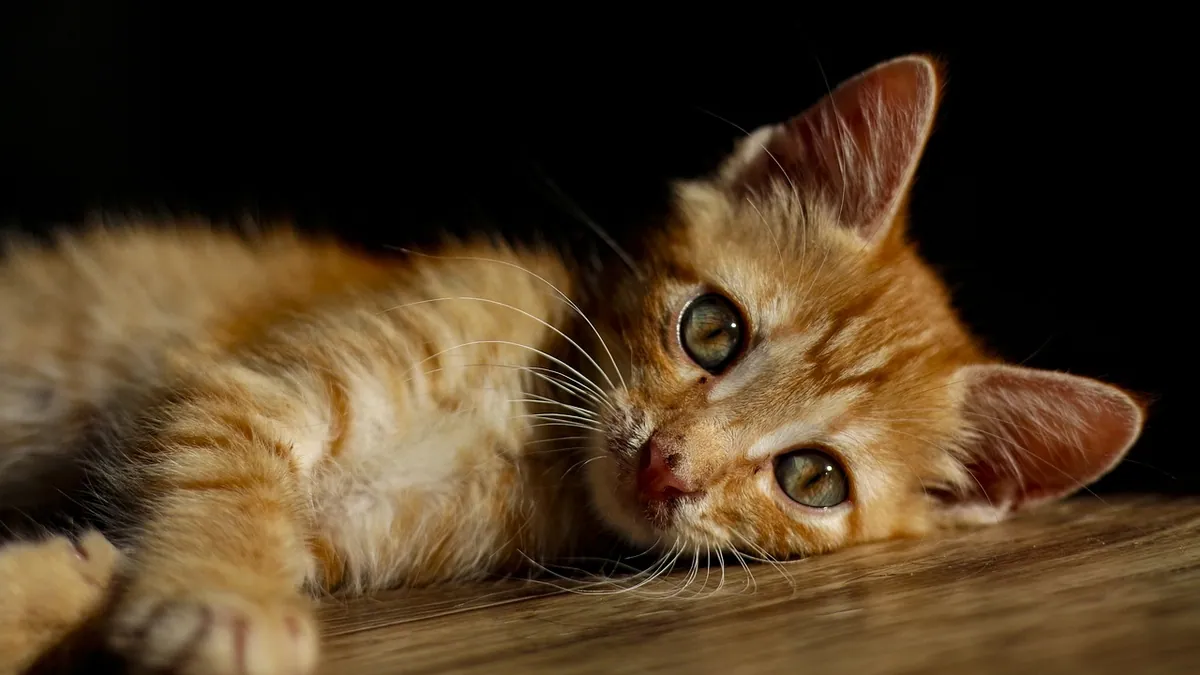
Kittens get sick fast, and the first clues are often small shifts in how they act. A kitten that stops playing, cries when touched, drools, or purrs nonstop may be telling you something is wrong. Reading sick kitten behavior early gives you the best chance to get help in time.
This article is educational and is not a substitute for veterinary diagnosis or treatment.
Quick Answer
- A kitten that is quiet, hiding, or unwilling to eat for more than a few hours needs a same-day call to your veterinarian.
- Purring does not always mean contentment. Kittens may purr when they are in pain, stressed, or trying to self-soothe.
- Drooling, especially with pawing at the mouth, can point to nausea, mouth pain, or poisoning, and it is an emergency if you suspect a toxin.
- Any kitten that cannot hold its head up, feels cold, or will not nurse should be seen right away.
- When in doubt, call. A short phone call costs nothing and can save a kitten's life.
What Normal Kitten Behavior Looks Like
Healthy kittens are busy. They eat often, sleep in short bursts, and wake up ready to play. A kitten under 8 weeks old may sleep most of the day, but it should rouse quickly when you offer food or a toy.
Normal kittens also cry, but usually for a reason you can name. They cry when hungry, cold, or separated from their mother or littermates. Once the need is met, the crying stops.
Purring is normal during feeding, cuddling, and grooming. Drooling is not normal in a healthy kitten. A small amount of moisture around the mouth after nursing is fine, but steady drool or a wet chin is a sign to watch.
Fur is a useful gauge. A healthy kitten has a soft, slightly glossy coat. A sick kitten often has a dull, greasy, or clumpy coat because it stops grooming. In very young kittens, the mother usually does the grooming, so a messy coat can mean the mother has also given up on that kitten.
Sick Kitten Behavior: What Changes First
Sick kitten behavior usually changes before obvious physical signs appear. Owners often describe a kitten that "just isn't herself." That instinct is worth trusting.
Watch for these early shifts:
- Less interest in food or a full refusal to eat
- Sleeping more and playing less
- Hiding in corners, under furniture, or away from littermates
- Crying when picked up or touched
- Crying with no clear cause, or crying that does not stop after feeding
- Weak suckling or losing interest mid-meal
- Avoiding the mother or being rejected by her
Behavior problems and health problems overlap in cats. Many issues owners see as "behavior" turn out to have a medical cause, which is why a veterinarian will rule out health problems before treating a behavior change [1]. Stress itself can also contribute to disease, so a stressed kitten deserves a closer look [1].
Sick Kitten Crying
Crying is one of the most common reasons owners seek help. A hungry kitten cries, eats, and settles. A sick kitten may cry constantly, cry weakly, or cry only when moved.
Pain is a frequent cause. Kittens with injuries, belly pain, or mouth sores often cry when handled. If your kitten cries when you touch a certain area, note where and tell your veterinarian.
Sick Kitten Purring
Purring is not proof that a kitten feels good. Cats purr for many reasons, and pain or stress is one of them. A kitten that purrs while hunched, hiding, or refusing food is not relaxed.
If your kitten purrs nonstop but will not eat or play, treat the purring as a distress signal, not a comfort signal.
Sick Kitten Lethargy
Lethargy means more than a sleepy day. A lethargic kitten is hard to wake, does not resist being handled, and shows no interest in food or play. Lethargy is a common early sign in many kitten illnesses, including liver injury, which can present with fever, lethargy, and loss of appetite [2].
Lethargy in a kitten is always worth a call. For more on this sign in cats of any age, see Cat Lethargy: When to Worry and What to Do and Cat Lethargy.
Sick Kitten Drooling
Drooling is a red flag in kittens. It can come from nausea, mouth pain, a foreign object stuck in the mouth, or exposure to a poison. Cats are fastidious groomers, so the most common route of poisoning in cats is swallowing chemicals that land on their fur during grooming [3].
If your kitten is drooling and you suspect it licked or walked through something toxic, call a poison control service or your veterinarian right away. Do not wait for other signs to appear.
Sick Kitten Fur
A dull, unkempt coat often means a kitten has stopped grooming or the mother has stopped grooming it. In young kittens, this can be an early sign of fading kitten syndrome, a condition where a kitten that seemed healthy becomes inactive and sick [4].
Fading kittens are usually those that decline in the first 2 weeks of life, though the pattern can extend beyond that window [4]. Any kitten that is losing ground instead of gaining should be examined.
Causes of Sick Kitten Behavior
| Cause | Typical clues | How urgent |
|---|---|---|
| Low blood sugar (neonatal hypoglycemia) | Weakness, trembling, unwillingness to nurse, collapse in kittens under 3 days old | Emergency |
| Fading kitten syndrome | Gradual inactivity, poor weight gain, decline in the first weeks of life [4] | Emergency |
| Poisoning | Drooling, vomiting, tremors, wobbling, chemical on the fur [3] | Emergency |
| Infection or fever | Lethargy, poor appetite, warm ears, crying when handled [2] | Same day |
| Pain or injury | Crying when touched, guarding a limb or belly, reluctance to move | Same day |
| Upper airway or nasal disease | Noisy breathing, stertor, trouble breathing, less sneezing [5] | Same day to emergency |
| Nerve or muscle weakness | Weakness that comes and goes, trouble walking, low muscle tone [6] | Same day |
| Stress or environment change | Hiding, reduced appetite, changed grooming [1] | Routine visit |
Newborn kittens are especially fragile. Their metabolism is not fully developed, they burn through liver sugar reserves quickly, and they cannot make glucose well, which makes low blood sugar a real risk in the first days of life [7]. Blood sugar in newborns is unstable, with average values dropping from about 61.7 mg/dL on day one to 53.9 mg/dL on day two before recovering near 68.5 mg/dL by day three [7]. These numbers show why a newborn that suddenly goes quiet needs immediate care.
Red Flags That Mean Emergency
Go to an emergency clinic now if your kitten has any of these:
- Trouble breathing, open-mouth breathing, or blue gums
- Collapse, unresponsiveness, or a body that feels cold to the touch
- Seizures, tremors, or sudden wobbling
- Suspected poisoning, or drooling after contact with a chemical
- Repeated vomiting or diarrhea, especially with blood
- A kitten under 4 weeks old that will not nurse
- Crying that does not stop, or crying out when touched
For sudden weakness, see Cat Lethargy: Sudden Weakness and When to Rush to the Vet.
Safe Things You Can Do at Home While You Wait
Your job at home is to keep the kitten safe and comfortable, not to treat it. Do these things while you arrange care:
- Keep the kitten warm. Use a wrapped warm pack or a warm room, and check that the body does not feel cool.
- Offer small amounts of its normal food or formula if it is alert and swallowing. Do not force food into the mouth of a weak kitten.
- Do not give human medications. Never give pain relievers, cold medicine, or any drug without veterinary direction.
- Remove possible toxins. If you think a chemical is on the fur, keep the kitten from grooming and call for advice before washing.
- Write down what you see. Note the time symptoms started, what the kitten ate last, and any possible exposure. This helps your veterinarian.
- Keep the kitten with its mother and littermates if the mother is caring for it, unless the mother is rejecting or harming it.
If your kitten is drooling, vomiting, or showing neurologic signs, skip home care and go straight to the veterinarian.
What Your Veterinarian Will Check and Test
Your veterinarian will start with a full physical exam. For a kitten, this includes weight, temperature, hydration, gum color, heart and lung sounds, and a careful look in the mouth.
Because many newborn and young kitten diseases look alike, a specific cause often cannot be found from signs alone [4]. That is why testing matters.
Expect some of these steps:
- Blood glucose check, since low blood sugar is common and dangerous in newborns [7]
- Blood work to look for infection, organ injury, or anemia
- A stool check for parasites
- Testing for common kitten viruses
- X-rays or other imaging if breathing, nasal, or belly problems are suspected
- A neurologic exam if weakness or wobbling is present [6]
Treatment depends on the cause. Supportive care often comes first, especially in very young kittens, followed by a more detailed workup once the kitten is stable [4]. Some conditions, such as immune-mediated nerve weakness, may need specialized treatment and a longer recovery [6].
Prevention and Daily Monitoring
Good monitoring catches problems early. Weigh your kitten daily at the same time, ideally before the first morning feeding. A kitten that is not gaining weight needs a call.
Other habits that help:
- Keep the environment calm and predictable. Stress can affect behavior and contribute to disease [1].
- Store all chemicals, medications, and cleaners out of reach. Remember that grooming is a common route of poisoning in cats [3].
- Reward calm, desirable behavior with treats or toys instead of punishment, which can make a cat fearful [8].
- Watch for changes in grooming, since a messy coat is often an early sign.
- Check the mouth and breath. Bad breath can point to dental or other illness, covered in Cat Bad Breath: When Is It a Sign of Illness?.
- Reduce stress during changes like new pets or moves. See Cat Stress Signs: How to Recognize and Reduce Stress in Your Cat.
Behavior and health are linked in cats, so a sudden behavior change is a medical question until proven otherwise [1]. If you are working on a behavior issue, positive reinforcement and clicker training can help, and punishment should be avoided because it can make your cat afraid of you [8]. For complex behavior problems, a face-to-face visit with a qualified behaviorist is the right step [8].
Limitations and When to Contact a Veterinarian
This article cannot tell you what is wrong with your kitten. Only a veterinarian who examines your kitten can do that. Individual cases need a veterinarian, and timing matters more in kittens than in adult cats.
Call your veterinarian the same day if your kitten:
- Has refused food for more than 8 to 12 hours
- Is quieter than usual but still responsive
- Has mild drooling, soft stool, or one episode of vomiting
- Has a dull coat or has stopped grooming
Go to an emergency clinic now if your kitten:
- Cannot breathe normally or has blue gums
- Is limp, cold, or hard to wake
- Has seizures, tremors, or sudden weakness
- May have eaten a poison or has a chemical on its fur
- Is under 4 weeks old and will not nurse
Schedule a routine visit if your kitten is eating and playing but you have noticed a slow change in behavior, coat, or appetite. Early visits are cheaper and easier than emergencies.
Frequently Asked Questions
Why is my kitten crying and not eating?
Pain, nausea, fever, or low blood sugar can all cause a kitten to cry and refuse food. A kitten that skips more than one meal needs a same-day call. Do not wait to see if it improves on its own.
Does purring mean my kitten is not in pain?
No. Purring can mean comfort, but kittens also purr when they are stressed or hurting. If your kitten purrs while hiding, hunched, or refusing food, treat it as a sign of trouble.
Why is my kitten drooling?
Drooling can come from nausea, mouth pain, or contact with a poison. Cats often swallow toxins while grooming their fur, so check for any chemical exposure. Call your veterinarian or a poison control service right away if you suspect poisoning.
How can I tell if my kitten is just sleepy or truly lethargic?
A sleepy kitten wakes up and eats when you offer food. A lethargic kitten is hard to wake, does not resist handling, and shows no interest in eating or playing. Lethargy in a kitten is a reason to call your veterinarian.
What should I do if my kitten feels cold?
Warm the kitten gently with a wrapped heat source and get to a veterinarian immediately. A cold body in a kitten often means low blood sugar or serious illness. Do not try to feed a cold, weak kitten by mouth.
Related Articles
- Cat Lethargy: When to Worry and What to Do
- Cat Lethargy: Sudden Weakness and When to Rush to the Vet
- Cat Bad Breath: When Is It a Sign of Illness?
- Cat Lethargy
- Cat Stress Signs: How to Recognize and Reduce Stress in Your Cat
- Kitten Diarrhea: Causes, Safe Home Care, and Emergency Signs
- Kitten Is Sick: Signs, Causes, and What to Do
- Sick Kitten Symptoms: A Checklist for Worried Owners
- Sick Kitten Not Eating or Drinking: Causes and Urgency
References
- Diagnosing Behavior Problems in Cats - Cat Owners. Merck Veterinary Manual.
- Blue-Green Neutrophilic Inclusions in a Cat With Severe Hepatocellular Injury. Veterinary medicine and science, 2026.
- Clinical Signs of Poisoning in Cats. Pet Poison Helpline.
- Fading kitten syndrome: Factors predisposing to 'faders' and treatment options. Journal of feline medicine and surgery, 2022.
- Association between signalment and clinical signs, and nasal and nasopharyngeal diseases type and localization in dogs and cats. Journal of veterinary internal medicine, 2026.
- EXPRESS: Evaluation of the clinical course of immune-mediated polyneuropathy in cats following treatment with human intravenous immunoglobulins. Journal of feline medicine and surgery, 2026.
- Reassessing neonatal hypoglycemia in kittens: clinical relevance beyond the laboratory value. Topics in companion animal medicine, 2026.
- Behavior Problems in Cats - Cat Owners. Merck Veterinary Manual.