Why Does My Cat Not Cover His Poop?
By Dr. Zubair Khalid, DVM, MS, PhD ·
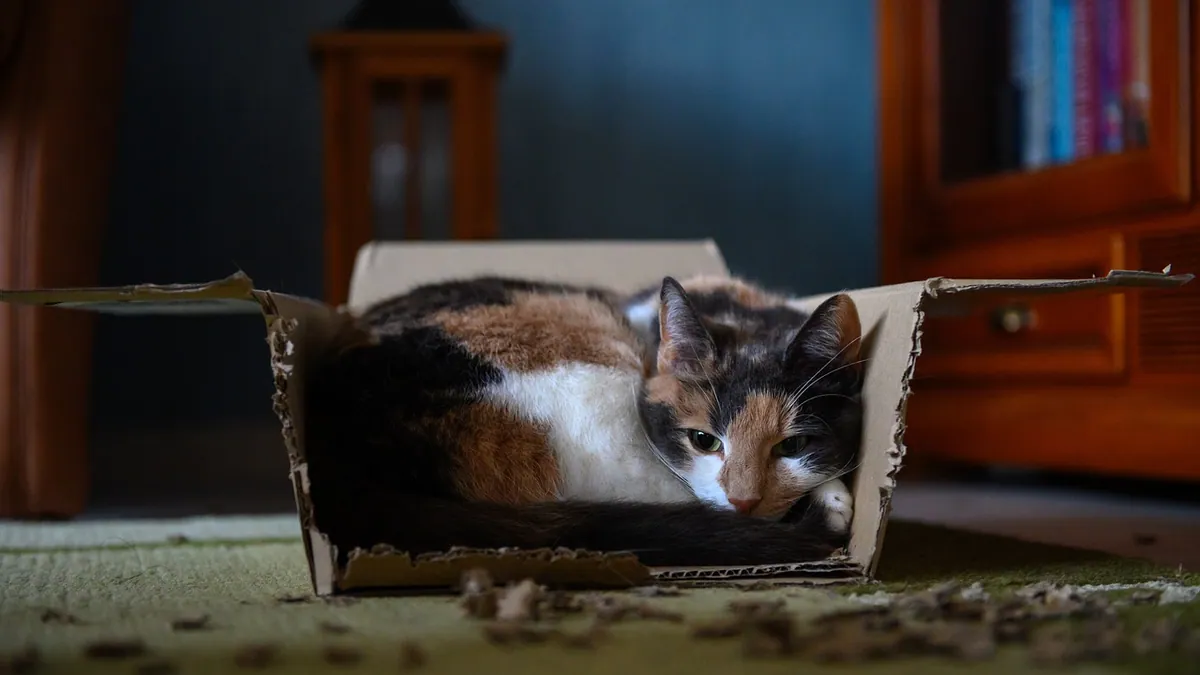
Why does my cat not cover his poop? In many cases, nothing is wrong. Some cats leave stool uncovered because they feel safe and confident in their territory, or because they dislike the litter or the box. Others stop covering when something hurts or when the litter box feels unpleasant, so the behavior is worth a closer look.
This article is educational and is not a substitute for veterinary diagnosis or treatment.
Quick Answer
- Not covering stool is normal for many confident cats. Burying is a way to hide scent, and a cat who feels secure may not bother.
- Litter type and box size matter. Cats in one study preferred clumping clay litter and boxes measuring at least 50 cm (about 20 inches) long [1].
- A sudden change in covering habits is the real red flag. It can point to pain, constipation, or a box the cat now avoids.
- Never punish the cat. Punishment increases stress and can make litter box problems worse.
- See a veterinarian if your cat strains, cries, passes hard or bloody stool, or stops using the box.
Why Cats Sometimes Stop Burying Their Poop
Burying stool is an instinct rooted in survival. In the wild, a cat who hides waste leaves less scent for predators and rivals to follow. Indoor cats often keep the habit, but not always. Whether your cat covers his poop depends on his personality, his sense of safety, and how the litter box is set up.
Confidence and territory
A cat who feels completely at home may leave stool on top of the litter. This is common in multi-cat homes, where one cat is telling the others who is in charge. It is also common in single-cat homes where the cat has no competition at all. In these cases, the uncovered stool is a sign of a relaxed, secure cat, not a sick one.
Litter and box preferences
Cats are picky about where they eliminate. A 2025 study found that cats preferred litter boxes measuring at least 50 cm (about 20 inches) and clumping clay litter. When cats got a box and litter that combined their preferred features, their normal urination behavior improved and house-soiling decreased [1]. If your cat does not like the litter texture or the box is too small, he may do his business quickly and walk away without covering.
Kittens learning the habit
A kitten who does not cover her poop may simply not have learned yet. Mother cats teach their kittens to bury waste, and a kitten separated from her mother early may miss that lesson. Most kittens pick up the habit with time and a little guidance. If your kitten seems healthy, playful, and comfortable, this is usually a training issue, not a medical one.
Stress and competition
In a home with several cats, one cat may leave stool uncovered to mark territory. This is more likely when boxes are shared, when there are too few boxes, or when one cat guards the litter area. Watch for hiding, hissing, or avoiding the box, which can point to social stress. If your cat is also hiding more than usual, that combination deserves attention.
Medical Causes to Rule Out
Sometimes a cat stops covering stool because using the box hurts or because something has changed inside his body. These cases need a veterinarian.
Constipation and pain on defecation
A cat who associates the litter box with pain may rush out before covering. Constipation is a common cause. Cats with chronic kidney disease are at higher risk for constipation and defecate less often than healthy cats [2]. A study of cats with chronic constipation found that a diet enriched with psyllium helped manage the condition over six months [3]. If your cat strains, passes small hard stools, or goes days without a bowel movement, call your veterinarian.
Structural problems
Rarely, a physical abnormality makes defecation painful or difficult. One report described an 8-month-old cat with a rectal stricture who had straining and pain on defecation, treated successfully with balloon dilation [4]. Another report described a 2-month-old male kitten born with an imperforate anus and an abnormal connection between the rectum and urethra, corrected with staged surgery [5]. These are uncommon, but they show why a cat who strains or has trouble passing stool needs an exam.
Other health issues
Arthritis, anal gland problems, intestinal parasites, and inflammatory bowel disease can all make a cat uncomfortable in the box. Any cat who suddenly changes litter box habits, regardless of age, should be checked. For more on straining, see Cat Straining to Poop but Only Passing Mucus: Causes and Care.
When Not Covering Poop Becomes a Problem
The behavior itself is rarely the problem. The problem is what it might mean or what comes with it.
- Your cat stops covering after years of covering. A sudden change is the biggest clue that something is off.
- Your cat avoids the box, goes outside it, or cries while defecating.
- Your cat strains, passes very hard stool, or has not defecated in more than a day or two.
- Your cat hides, eats less, or seems painful when picked up.
- The uncovered stool appears with diarrhea, blood, or mucus.
If your cat is not pooping at all but still eating, that is a separate concern. Read Cat Not Pooping but Eating Normally: Causes and When to Help.
What to Do: Step by Step
Start with the box and the litter, since these are the easiest things to change. Then look at stress and health.
Step 1: Check the litter box setup
- Size. Choose a box at least 50 cm (about 20 inches) long, since cats in one study preferred boxes of this size [1].
- Litter. Try clumping clay litter, which cats preferred in the same study [1].
- Number. The general rule is one box per cat plus one extra.
- Location. Put boxes in quiet spots with more than one exit route.
- Cleaning. Scoop daily and wash the box regularly. Cats avoid dirty boxes.
Step 2: Reduce stress
If you have multiple cats, add boxes in separate rooms. Feed cats in different areas. Provide vertical space like cat trees so a lower-ranking cat can get away. If your cat has started hiding along with the litter box change, see Why Is My Cat Suddenly Hiding and Not Using the Litter Box?.
Step 3: Support normal digestion
Fresh water, wet food, and play that keeps your cat active all support regular bowel movements. If your veterinarian diagnoses constipation, they may recommend a specific diet. A psyllium-enriched gastrointestinal diet was effective for managing chronic constipation in cats in a controlled trial [3]. Do not start a fiber supplement on your own, since the right amount depends on your cat's condition.
Step 4: Reward, do not punish
If your kitten does not cover her poop, you can gently place the stool in the litter and reward her when she uses the box. Keep sessions short and calm. Never scold or rub her nose in it. Punishment teaches fear, not litter skills.
What Not to Do
- Do not punish your cat. Yelling, spraying, or physical correction increases stress and can cause litter box avoidance.
- Do not assume it is just laziness. A sudden change in covering habits can signal pain or illness.
- Do not switch litter abruptly. Make changes gradually by mixing old and new litter.
- Do not use covered boxes if your cat seems reluctant. Some cats feel trapped.
- Do not ignore weight loss, vomiting, or appetite changes that come with the behavior.
When to Involve a Veterinarian or Behavior Professional
Call your veterinarian if your cat strains to defecate, cries out, passes blood or mucus, has hard dry stool, or has not defecated in more than a day or two. These signs can point to constipation, a stricture, or another painful condition [4][3]. A cat with chronic kidney disease may defecate less often and needs monitoring [2].
If your veterinarian finds no medical cause, a certified behavior professional can help with environmental changes and multi-cat tension. For cats who stop using the box entirely, see Cat Not Using Litter Box.
Limitations and When to Contact a Veterinarian
This article covers common patterns, but every cat is different. Your cat's age, health history, diet, and home environment all affect the behavior. Only a veterinarian who examines your cat can diagnose a medical problem.
Contact a veterinarian the same day if your cat:
- Strains for more than a few minutes without passing stool
- Cries or vocalizes while defecating
- Passes stool with blood or a large amount of mucus
- Has not defecated in more than 24 to 48 hours
- Is vomiting, not eating, or very lethargic
Go to an emergency clinic now if your cat:
- Is open-mouth breathing or struggling to breathe
- Has a swollen, painful abdomen
- Is collapsing or unresponsive
- Has repeated unproductive straining with no stool at all
Schedule a routine visit if your cat:
- Suddenly stops covering stool after years of doing so
- Gradually changes litter box habits over days or weeks
- Has soft stool, weight loss, or a dull coat
- Seems to avoid the box or hides more than usual
If your cat is hiding more often, that can be a sign of pain or stress. Read Why Is My Cat Hiding? for more context.
Frequently Asked Questions
Is it normal for a cat not to cover his poop?
Yes, it can be normal. Many confident cats leave stool uncovered as a territorial signal, and some simply dislike the litter or box. If the behavior is new or comes with straining or pain, have your cat checked.
Why is my cat not covering her poop all of a sudden?
A sudden change often points to discomfort or a box problem. Constipation, arthritis, or a dirty or small litter box can all cause it. Cats with chronic kidney disease also defecate less often than healthy cats [2].
Does litter type affect whether my cat covers his poop?
Yes. Cats in one study preferred clumping clay litter and larger boxes, and a comfortable litter setup improved normal elimination behavior [1]. If your cat avoids covering, try a bigger box with clumping clay litter.
My kitten doesn't cover her poop. What should I do?
Kittens may not have learned the habit yet, especially if separated from their mother early. Place the stool in the litter and reward her when she uses the box. If she strains or seems uncomfortable, see a veterinarian.
Can stress cause a cat to stop covering poop?
Yes. Stress from other cats, changes in the home, or a box in a busy area can change litter box behavior. Add more boxes in quiet spots and give your cat places to hide and climb. If stress signs continue, ask your veterinarian about a behavior referral.
Related Articles
- Cat Straining to Poop but Only Passing Mucus: Causes and Care
- Cat Not Pooping but Eating Normally: Causes and When to Help
- Why Is My Cat Suddenly Hiding and Not Using the Litter Box?
- Cat Not Using Litter Box
- Why Is My Cat Hiding?
- Cat Straining to Poop but Nothing Comes Out: Emergency or Not?
- Why Is My Cat Not Pooping in the Litter Box? Solutions
- Why Your Cat Keeps Pooping on the Floor (Not Peeing)
- Cat Pooping Uncontrollably: Causes and What to Do
References
- Litter box size and litter type preference and their associated behavioral changes in cats. The Journal of veterinary medical science, 2025.
- Quantification of defecation frequency in cats with and without chronic kidney disease. Journal of feline medicine and surgery, 2025.
- A psyllium-supplemented gastrointestinal diet is effective for the management of chronic constipation in cats: a 6-month controlled clinical trial. Journal of feline medicine and surgery, 2026.
- Management of a rectal stricture in a young cat with a balloon dilatation method. Tierarztliche Praxis. Ausgabe K, Kleintiere/Heimtiere, 2026.
- Successful staged surgical management of atresia ani with urethrorectal fistula in a male kitten. JFMS open reports, 2025.