Why Is My Cat Laying in the Litter Box? Causes and Help
By Dr. Zubair Khalid, DVM, MS, PhD ·
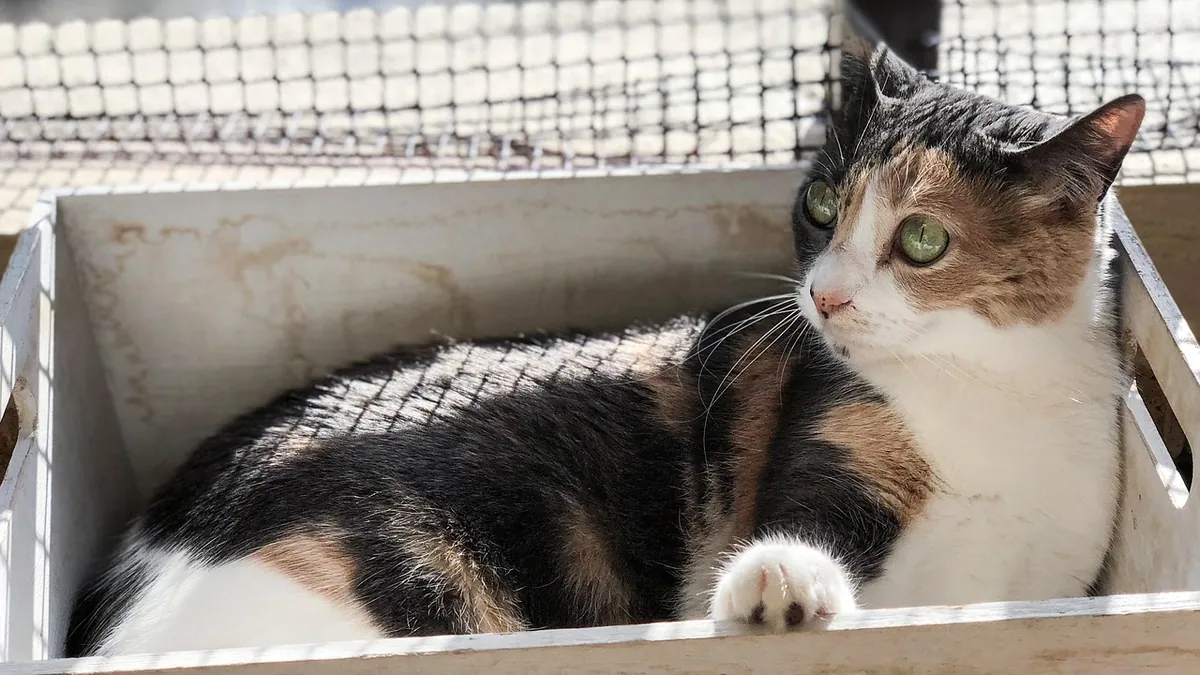
If your cat is laying in the litter box, it usually means something feels safer or more comfortable about that spot than anywhere else in the house. Sometimes the reason is simple, like a kitten who fell asleep after a big meal. Other times it points to pain, stress, or a litter box that no longer feels right to your cat. This article is educational and is not a substitute for veterinary diagnosis or treatment.
Quick Answer
- A cat who rests in the box may be stressed, in pain, or avoiding another pet or person in the home.
- Urinary and digestive problems are common medical triggers, so a veterinary exam is the first step.
- Kittens often lay in the box out of curiosity or because they are still learning where to sleep and where to eliminate.
- A dirty box, scented litter, or a covered box in a busy spot can push a cat to avoid or overuse the box in odd ways.
- Never punish a cat for using or resting in the box. Punishment adds stress and can make the problem worse.
Why Is My Cat Laying in the Litter Box? Normal Reasons First
Not every cat in the litter box is sick. Some reasons are ordinary cat behavior.
Kittens and the Litter Box
Kittens explore everything with their noses and paws. A litter box is warm, enclosed, and smells like them, so a kitten may curl up there between naps. Litter box training is usually easy with cats because they are naturally clean animals that look for a place to bury their waste [1]. A young kitten may simply not have sorted out yet that the box is for bathroom use and the bed is for sleeping. If your kitten lays in the litter box often, watch whether they also urinate and poop there normally. If they do, the behavior is likely a phase.
Privacy and Comfort
Some cats like the privacy of a hooded box [1]. If your cat spends time in a covered box, they may be seeking a quiet, den-like spot away from noise, children, or a barking dog. This is more common in homes with a lot of activity.
Heat Seeking
Litter, especially clumping clay, can hold warmth. A cat may settle into the box because the surface feels good, the same way some cats sleep in sinks or on tile floors.
Medical Causes to Rule Out
When a cat keeps laying in the litter box, pain and illness move to the top of the list. A change in behavior is often one of the early signs of physical disease, and it can also make an existing behavioral problem worse [2].
Urinary and Bladder Problems
Cats with bladder inflammation, crystals, or infection often feel an urgent need to urinate. They may stay in the box because they feel like they need to go again soon. Some cats press their belly into the litter or squat for long periods. If your cat is also crying, licking the genital area, or producing only small amounts of urine, this needs same-day veterinary care. For a closer look at how pain and anxiety show up in the box, see Why Is My Cat sleeping in litter box? FLUTD Pain and Anxiety Response.
Digestive Problems
Diarrhea, constipation, and inflammatory bowel disease can make a cat associate the box with discomfort. Some cats camp out in the box because they feel the urge to defecate but cannot pass stool easily. Others may be dealing with nausea or general malaise and pick the box as a resting spot. If your cat is also going outside the box, read Why Is My Cat Pooping Outside the Litter Box? Causes and Solutions.
Pain Anywhere in the Body
Arthritis, dental pain, and other sources of chronic pain can change where a cat chooses to rest. A cat in pain may avoid jumping onto a bed or couch and settle for the low, easy-to-reach litter box instead. Stress activates both short-term and long-term hormone systems in cats, and ongoing stress can worsen how they feel [2].
Neurologic and Cognitive Changes
Older cats can develop cognitive dysfunction, which is similar to dementia in people. They may seem confused about where to sleep, where to eat, and where to eliminate. A senior cat who suddenly lays in the litter box deserves a veterinary workup.
When Laying in the Litter Box Becomes a Problem
Resting in the box is a problem when it comes with any of these signs.
- Your cat stops using the box for elimination, or starts going outside it.
- Your cat is in the box almost all the time and seems withdrawn.
- Your cat is hiding more than usual. See Why Is My Cat Suddenly Hiding and Not Using the Litter Box?.
- Your cat strains, cries, or produces very little urine.
- Your cat is losing weight, vomiting, or not eating.
Inappropriate elimination is the number one behavioral reason cats are surrendered to shelters, and it has historically been the most common feline problem handled by behavior professionals [3]. That makes early action important. Once a cat avoids the box for any reason, the avoidance can become chronic because the cat can develop a preference for eliminating on another surface or in another location [4].
What to Do Step by Step
Step 1: Get a Veterinary Exam
Before you treat this as a behavior problem, rule out medical disease. A comprehensive physical evaluation is needed before a behavioral diagnosis can be made [3]. Your veterinarian may recommend urine testing, bloodwork, or imaging. If your cat is a senior, ask about screening for arthritis and cognitive changes too.
Step 2: Fix the Basics of Litter Box Management
Scoop every day and clean the entire box at least once a week [1]. The more cats using a box, the more often it needs cleaning and fresh litter [1]. Replace old boxes that hold odor. Most cats prefer small, clumping particles such as clay-based litter, and unscented litter is often recommended because cats are sensitive to smells [1].
Step 3: Offer Choices
Offer more than one box and more than one type. Open boxes have more air circulation, and some cats do not like going into enclosed spaces to pee or poop, but other cats like the privacy of a hooded box [1]. Offering multiple litter box types might be helpful [1]. A common rule is one box per cat plus one extra, placed in quiet spots with more than one exit route.
Step 4: Reduce Stress in the Home
Conflict between cats in a home is a common trigger for elimination problems [4]. Add separate feeding stations, water bowls, beds, and perches. Use pheromone diffusers if your veterinarian recommends them. Passive, gentle interactions with your cat tend to lower stress hormones, while forced or unwanted handling raises them [5]. Let your cat come to you.
Step 5: Add Enrichment
Boredom and anxiety often travel together. Give your cat daily play with a wand toy, food puzzles, window perches, and scratching posts. A cat with a rich environment is less likely to camp out in the box.
Step 6: Track the Behavior
Write down when your cat lays in the box, how long, and what happens right before and after. Note litter box habits, appetite, water intake, and any vomiting or diarrhea. This log helps your veterinarian sort out medical from behavioral causes.
What Not to Do
Do Not Punish Your Cat
Never yell at, spray, or scruff your cat for being in the box or for going outside it. Punishment raises stress, and stress can worsen both medical and behavioral problems [2]. It also teaches your cat to avoid you, which makes future handling at the vet harder.
Do Not Assume It Is Just Laziness
A cat who suddenly starts laying in the litter box is telling you something changed. Cats are clean animals by nature, so choosing a bathroom as a bed is unusual [1].
Do Not Wait It Out
If your cat avoids the box for whatever reason, act quickly before the avoidance becomes a strong habit [4]. Waiting weeks can turn a treatable issue into a long-term one.
Do Not Change Everything at Once
If you switch litter, box type, and location all in the same week, you will not know what helped. Change one thing at a time and give your cat a week or two to adjust.
When a Veterinarian or Certified Behavior Professional Should Be Involved
Call your veterinarian if the behavior is new, lasts more than a day or two, or comes with any change in eating, drinking, urinating, or pooping. If your cat has a medical problem, treating it may resolve the litter box behavior on its own [2]. Once medical problems have been treated or ruled out, attention should shift to reducing stress and using other options to improve or resolve the elimination problem [2].
Ask for a referral to a veterinary behaviorist or certified behavior consultant if:
- Your cat continues to lay in the box after a clean bill of health.
- Your cat eliminates outside the box despite good litter box management.
- There is fighting, hissing, or hiding among cats in your home.
- You feel overwhelmed or are considering giving up your cat.
For a broader overview of box problems, see Cat Litter Box Problems. If your cat is urinating outside the box, see Why Is My Cat Peeing Outside the Litter Box?.
Limitations and When to Contact a Veterinarian
This article cannot tell you what is wrong with your specific cat. Only a veterinarian who examines your cat can do that. Individual cases need a veterinarian, and the timing matters.
Contact a veterinarian the same day if:
- Your cat is straining to urinate with little or no urine coming out.
- Your cat is crying while in the box.
- Your cat is vomiting, not eating, or very lethargic.
- Your cat is a male cat with urinary signs. Male cats can block, and this is life threatening.
Go to an emergency clinic now if:
- Your cat cannot pass any urine at all.
- Your cat is open-mouth breathing, collapsed, or unresponsive.
- Your cat is having seizures.
Schedule a routine visit within a few days if:
- Your cat lays in the box but still uses it normally.
- Your cat is a senior with new confusion or restlessness.
- Your cat has mild changes in appetite or litter box habits.
If you ever suspect your cat swallowed something toxic, call the ASPCA Animal Poison Control Center at (888) 426-4435 or the Pet Poison Helpline at (855) 764-7661.
Frequently Asked Questions
Why does my kitten lay in the litter box?
Kittens often lay in the box because it is warm, smells familiar, and feels enclosed. Most kittens grow out of it as they learn to separate sleep spots from bathroom spots. If your kitten seems sick, is not eating, or is straining to urinate, call your veterinarian right away.
Is laying in the litter box a sign of pain?
It can be. Cats with bladder, urinary, or digestive pain often stay near the box because they feel the urge to go. Pain elsewhere in the body, such as arthritis, can also make a low box a more comfortable resting spot than a couch or bed. A veterinary exam is the fastest way to find out.
Can stress make my cat sleep in the litter box?
Yes. Conflict with other cats, a new baby, a move, or loud construction can all raise a cat's stress level. Stress hormones affect both short-term and long-term body systems in cats, and ongoing stress can change behavior [2]. Gentle, passive interactions with your cat can help lower stress hormones over time [5].
Should I take the litter box away if my cat keeps laying in it?
No. Removing the box can lead to accidents elsewhere and may make your cat more anxious. Instead, add a comfortable bed nearby, keep the box clean, and have your cat checked by a veterinarian. If the box is the only place your cat feels safe, removing it takes away that safety.
How do I stop my cat from laying in the litter box?
Start with a veterinary exam to rule out medical causes. Then scoop daily, clean the box weekly, use unscented clumping litter, and offer more than one box in quiet locations [1]. Reduce conflict between pets, add enrichment, and give your cat time to adjust. If the behavior continues after medical causes are ruled out, ask for a referral to a veterinary behaviorist.
Related Articles
- Why Is My Cat sleeping in litter box? FLUTD Pain and Anxiety Response
- Why Is My Cat Peeing Outside the Litter Box?
- Why Is My Cat Pooping Outside the Litter Box? Causes and Solutions
- Why Is My Cat Suddenly Hiding and Not Using the Litter Box?
- Cat Litter Box Problems
- Why Is My Cat Peeing on the Couch? Medical and Behavioral Causes
- Why Is My Kitten Sitting in the Litter Box? Causes
- Why Is My Cat Not Pooping in the Litter Box? Solutions
- Why Is My Cat Using the Litter Box So Much?
References
- Providing a Litter Box for a Cat - Cat Owners. Merck Veterinary Manual.
- Cat Inappropriate Elimination and its Interaction with Physical Disease. The Veterinary clinics of North America. Small animal practice, 2024.
- Advances in understanding and treatment of feline inappropriate elimination. Topics in companion animal medicine, 2010.
- Litter Box Problems. ASPCA Animal Poison Control Center.
- EXPRESS: The hormonal effects of owner-cat interactions on pet cats of different potential attachment styles. Journal of feline medicine and surgery, 2026.