Is Weed Killer Harmful to Cats? Roundup and Lawn Safety
By Dr. Zubair Khalid, DVM, MS, PhD ·
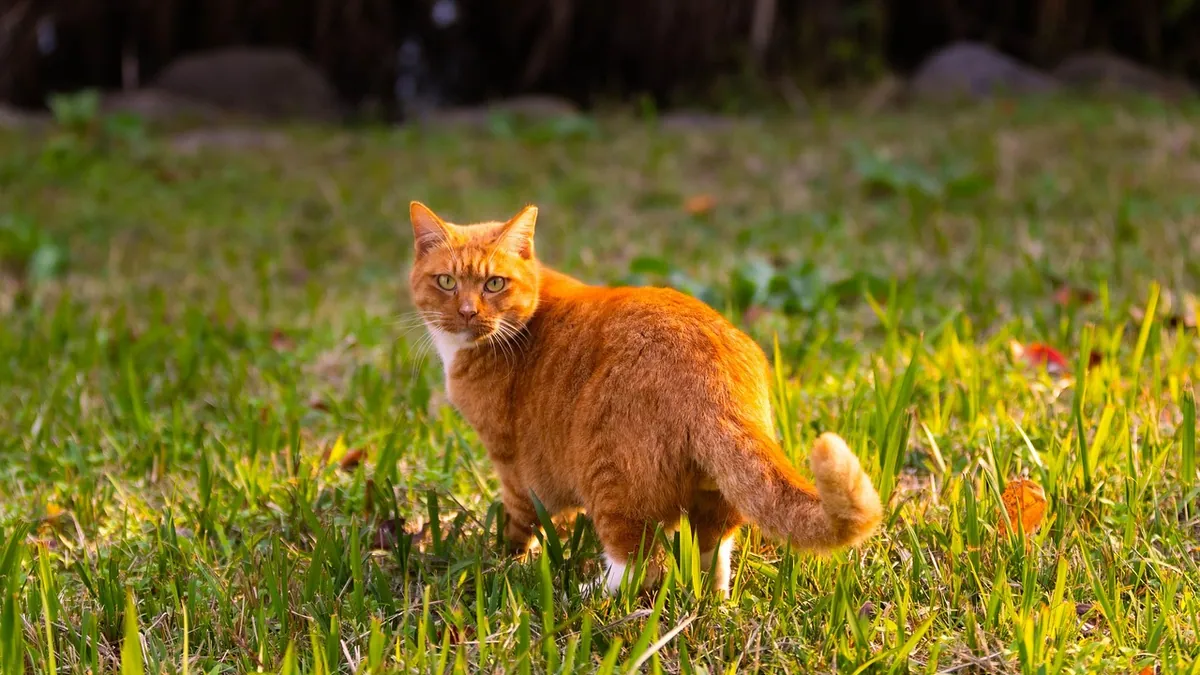
Is weed killer harmful to cats? Yes, it can be. Many lawn herbicides are toxic to cats, and cats can be exposed by walking on treated grass, grooming their paws, or eating treated plants. The risk depends on the product, the amount, and how quickly you act.
This article is educational and is not a substitute for veterinary diagnosis or treatment.
Quick Answer
- Most weed killers are not safe for cats. The herbicide ingredients, not just the "inert" carrier liquids, can cause poisoning.
- Cats are especially sensitive to chemicals because of how their livers process toxins, and they absorb residue when they lick their paws and fur [1].
- Roundup and other glyphosate-based products can harm cells and reproduction in animals, and the full formulation can be more toxic than glyphosate alone [2].
- There is no single safe drying time. Toxicity depends on the product, the concentration, the weather, and how much your cat ingests.
- If you think your cat was exposed, call your veterinarian, the ASPCA Animal Poison Control Center at (888) 426-4435, or Pet Poison Helpline at (855) 764-7661 right away. Do not wait for symptoms.
Is Weed Killer Toxic to Cats?
Yes, weed killer is toxic to cats in many cases. The word "weed killer" covers a wide range of products, and they do not all carry the same risk. Some are highly dangerous, some cause irritation, and a few have low toxicity when used exactly as directed. The problem is that labels rarely tell you what a cat will do after walking through a sprayed lawn.
Cats are not small dogs. Their bodies handle chemicals differently, and they have unique metabolic sensitivities that make them useful as sentinels for environmental hazards [1]. A pesticide level that a dog shrugs off may affect a cat more strongly. One study of pet dogs and cats found that cats had significantly higher total pesticide concentrations in their blood than dogs, with pyrethroids and the herbicide 2,4-D more abundant in cats [3]. That does not prove every lawn product will poison your cat, but it does show that cats pick up and retain these chemicals.
Which Products and Ingredients Are Most Dangerous
The riskiest products for cats include:
- Glyphosate-based herbicides, including Roundup. Glyphosate is the most widely used herbicide in the world, and the formulated product can be more toxic than glyphosate by itself [2].
- 2,4-D, a common broadleaf weed killer. It was one of the most frequently detected pesticides in cats in a serum study [3].
- Organophosphates, a class of insecticides and some combined products. Their metabolites were among the most commonly detected pesticides in pets [3].
- DNOC (4,6-dinitro-ortho-cresol), a banned herbicide that still causes poisoning in domestic and wild animals where it is used illegally in baits [4].
Concentrated products, ready-to-use sprays, granular weed and feed, and pre-emergent plus fertilizer combos all carry some risk. Fertilizers that contain iron can also cause iron toxicity if a cat eats the granules or treated soil [5].
Does Weed Killer Poison Cats Through the Lawn?
Yes, and this surprises many owners. Your cat does not have to eat the bottle or chew a sprayed weed. Residue on grass, sidewalks, and paws is enough for a small exposure. Cats groom themselves many times a day, so anything on the fur ends up in the mouth.
Cats can also be poisoned by smoke exposure, eating a treated plant, or licking a surface where a product was applied [6]. If you use a spray near an open window or apply it on a windy day, drift can settle on indoor surfaces and on your cat's coat.
How the Toxic Principle Works in the Body
Different herbicides harm the body in different ways, so there is no single poison pathway.
Glyphosate and its formulations interfere with cell function. In animal cell studies, exposure impaired oocyte developmental competence and altered hormone production, and Roundup was more toxic than pure glyphosate at the same glyphosate-equivalent concentrations [2]. Even low concentrations of a glyphosate-based product changed antioxidant gene expression in a fish model, which suggests these chemicals can stress the body's defense systems [7].
Organophosphates affect the nervous system by disrupting normal nerve signaling. Their breakdown products can be measured in pet blood, and they were the predominant pesticide class in dogs in one study [3].
DNOC is an older, highly toxic herbicide. It was found in poisoned dogs and wild canids, and it remains a real cause of animal poisoning in some regions [4].
Iron-containing fertilizers cause direct gut damage and, in large ingestions, can lead to vomiting, bloody diarrhea, and heart or liver effects [5].
Because cats clear many chemicals slowly, a small repeated exposure can build up. That is one reason a cat who walks on a treated lawn every day may be at higher risk than a cat with a single brief contact.
Signs of Weed Killer Poisoning in Cats
Signs vary with the product and the amount. Watch for:
- Vomiting and diarrhea, sometimes bloody [5]
- Drooling, pawing at the mouth, or mouth irritation
- Dazed expression, wobbliness, or unusual drowsiness [6]
- Trembling or muscle twitching
- Racing or irregular heart rate [6][5]
- Loss of appetite and low energy
- Excessive drinking or urination
- Seizures in severe cases [5]
- Breathing trouble
Some of these signs overlap with common cat illnesses, and some overlap with poisoning from plants around the home. If you are not sure what your cat got into, review common household and garden hazards such as Plants Toxic To Cats and House Plants Toxic To Cat.
How Long Until Signs Appear
Timing depends on the route and the dose. Signs from swallowing a product often start within minutes to a few hours. Skin and paw exposure may take longer because absorption is slower, and signs can appear over several hours to a day. Some effects, like liver or heart changes, may not show up until later, which is why a veterinarian may want to monitor your cat even if it looks fine at first.
What to Do Right Now
If you suspect your cat contacted weed killer, act before symptoms start.
- Move your cat away from the area. Bring it indoors and keep it away from the treated lawn, garage, and any open containers.
- Call for help. Contact your veterinarian, the ASPCA Animal Poison Control Center at (888) 426-4435, or Pet Poison Helpline at (855) 764-7661. These services can tell you whether the exposure is dangerous and what to do next.
- Do not induce vomiting unless a veterinarian tells you to. Some products cause more damage coming back up, and some are not absorbed the way you might expect. Never give hydrogen peroxide or salt to make a cat vomit.
- Do not give food, milk, oil, or home remedies. They can make things worse or delay proper care.
- Save the label. Note the product name, the active ingredients, the concentration, and when it was applied. This helps the veterinarian or poison control calculate the risk.
- If the product is on the fur or paws, ask before bathing. A veterinarian may tell you to rinse with lukewarm water and mild soap, but only if the product is one that should be washed off. Some chemicals spread further when wet.
If your cat is having a seizure, struggling to breathe, or is unresponsive, go to an emergency veterinary hospital now.
How Veterinarians Treat Weed Killer Poisoning in Cats
Treatment depends on the product, the amount, and how long ago the exposure happened. Your veterinarian will calculate any dose from your cat's weight and health, not from a general chart.
Common steps include:
- Decontamination. If the cat just ate the product, the veterinarian may induce vomiting or give activated charcoal, but only when it is safe for that specific chemical.
- Bathing. For skin or coat exposure, a gentle wash can remove residue and stop further absorption.
- Supportive care. Fluids, anti-nausea medication, and medications to control tremors or seizures are common.
- Monitoring. Blood work can check liver, kidney, and electrolyte values. Heart rate and rhythm may be watched closely.
- Repeat assessment. Some poisonings worsen over 24 to 72 hours, so a second exam or blood panel is often needed.
There is no universal antidote for herbicides. Care is focused on removing the poison, supporting the body, and treating each symptom.
Outlook for a Cat Exposed to Weed Killer
The outlook is best when exposure is small and treatment starts early. A cat with mild drooling or one episode of vomiting often recovers well with supportive care. A cat with seizures, bloody diarrhea, or heart rhythm changes has a more serious situation and needs intensive treatment.
Some effects can linger. Liver or heart damage may need follow-up testing. If your cat has a chronic condition, is very young, or is a senior, the risk is higher and recovery may take longer.
Prevention and Safer Lawn Alternatives
Prevention is simpler than treatment.
- Keep cats inside during and after application. Follow the label's re-entry time, and add extra time on top of it. There is no single number that fits every product.
- Store all lawn chemicals in a locked cabinet. Cats can knock over and lick spilled granules.
- Never use illegal or unlabeled baits. DNOC and similar banned compounds still poison animals [4].
- Rinse paws after outdoor time if your cat goes outside and you have treated the lawn recently.
- Skip weed and feed products if you can. Fertilizer plus herbicide means two risks in one bag, including iron toxicity from fertilizer [5].
- Try manual removal. Pulling weeds, mulching, and improving lawn density reduce the need for chemicals.
- Check the garden for toxic plants too. Many ornamental plants are dangerous, and you can compare common ones in House Plants Toxic To Cats Pictures and Are Lilies Toxic to Cats?.
- Talk with your veterinarian before using any product near your cat, including "pet safe" sprays. That phrase is not regulated.
Limitations and When to Contact a Veterinarian
This article gives general guidance. Your cat's individual case needs a veterinarian who can examine it, ask about the product, and decide on testing and treatment.
Contact a veterinarian the same day if:
- You saw your cat lick or eat a treated plant, grass, or granules
- Your cat walked through a freshly sprayed area and is grooming heavily
- Your cat is drooling, vomiting once, or seems mildly off
- You are unsure what product was used or how much was applied
Go to an emergency hospital now if:
- Your cat is having a seizure or tremors it cannot control
- Breathing is fast, noisy, or labored
- Your cat is collapsed, unresponsive, or very weak
- There is bloody diarrhea or repeated vomiting
- The heart rate feels very fast or irregular
Schedule a routine visit if:
- Your cat had a possible low-level exposure days ago and now seems tired or is eating less
- You want advice on safer lawn products for your household
- Your cat has ongoing access to a treated yard and you want a baseline exam and blood work
Frequently Asked Questions
Is Roundup weed killer harmful to cats?
Yes, Roundup and other glyphosate-based herbicides can harm cats. The formulated product can be more toxic than glyphosate alone at the same glyphosate-equivalent concentration, and it has been shown to impair cell development and hormone function in animal studies [2]. Keep cats off treated areas and call poison control if you suspect exposure.
How long is weed killer toxic to cats?
There is no single safe time that applies to every product. Toxicity depends on the active ingredient, the concentration, the weather, and whether the residue is wet or dry. Follow the label's re-entry time and add extra time, and keep your cat away until the surface is fully dry and any granules are watered in.
Can my cat get sick from walking on treated grass?
Yes. Cats pick up residue on their paws and coat, then swallow it while grooming. Cats also tend to carry higher blood levels of some pesticides than dogs, including 2,4-D and pyrethroids [3]. Rinse paws after outdoor time and keep your cat off the lawn during and right after application.
What should I do if my cat licked weed killer?
Call your veterinarian, the ASPCA Animal Poison Control Center at (888) 426-4435, or Pet Poison Helpline at (855) 764-7661 right away. Do not induce vomiting unless a veterinarian tells you to. Save the product label and note the time of exposure so the team can assess the risk.
Are there pet-safe weed killers?
No herbicide is truly risk free for cats. Even products marketed as natural or pet safe can cause drooling, vomiting, or skin irritation. The safest approach is manual weed removal, mulching, and keeping your cat away from any treated area. Ask your veterinarian before using any product where your cat spends time.
Related Articles
- House Plants Toxic To Cats Pictures
- House Plants Toxic To Cat
- Plants Toxic To Cats
- Are Lilies Toxic to Cats?
- House Plants Toxic To Cats With Pictures
- Houseplants Toxic To Cats Reddit
- Is Roundup Toxic to Cats? Herbicide Safety Facts
- Is Roundup Harmful to Cats and Dogs? Glyphosate Safety
- Is Weed Killer Toxic to Pets? Safest Options
References
- Predictive q-RASAR modeling of intrinsic toxicity of pharmaceuticals and bioactive compounds in cats. Journal of hazardous materials, 2026.
- Glyphosate and its formulation Roundup impair pig oocyte maturation. Scientific reports, 2020.
- Exposure profile of four classes of emerging pesticides in pet dog and cat serum from Wuhan, China. Environmental research, 2025.
- The Determination of the Prohibited Herbicide 4,6-Dinitro-Ortho-Cresol (DNOC) in Poisoned Domestic and Wild Animals in Italy. Animals : an open access journal from MDPI, 2024.
- Toxic Yard Items For Pets. Pet Poison Helpline.
- Cats and Weed. Pet Poison Helpline.
- A Pilot Study of Gene Expression Modulation from Antioxidant System of Killifish Austrolebias charrua After Exposure to Roundup Transorb®. Bulletin of environmental contamination and toxicology, 2024.