Is Weed Killer Harmful to Pets After It Dries?
By Dr. Zubair Khalid, DVM, MS, PhD ·
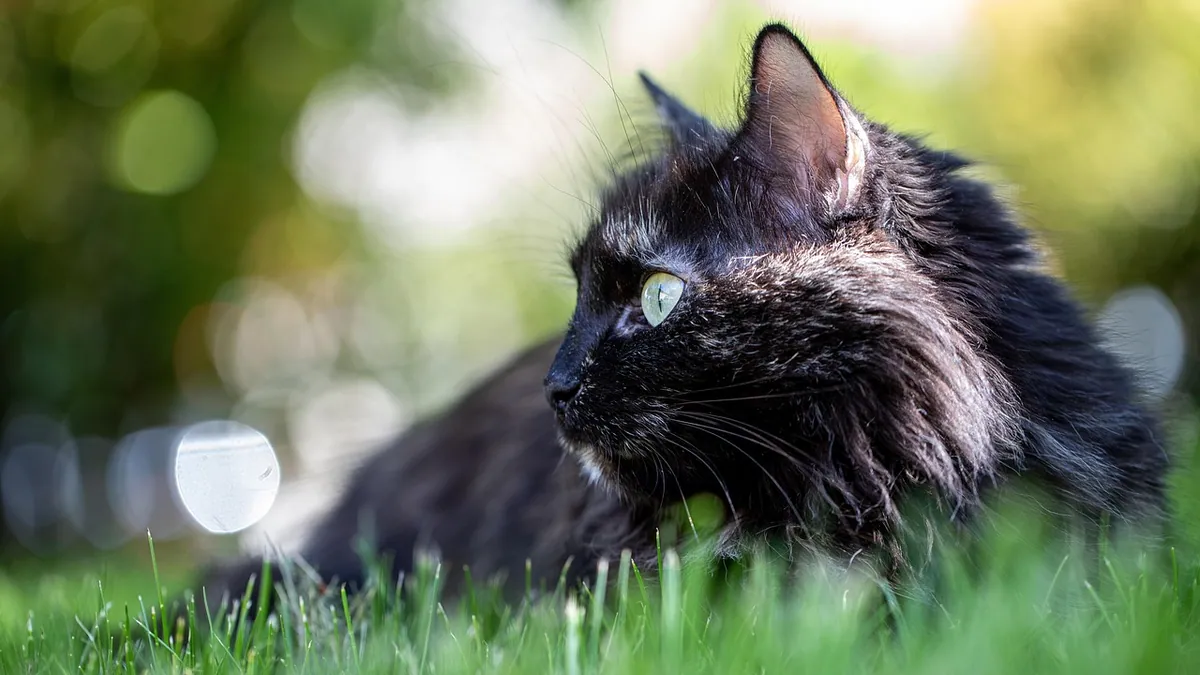
Is weed killer harmful to pets after it dries? In most cases, a lawn treated with a typical homeowner herbicide is lower risk once the product has fully dried, but "dry" does not always mean "safe." Some herbicides remain toxic on grass and paws for hours to days, and the label wait time is the number that matters most. This article is educational and is not a substitute for veterinary diagnosis or treatment.
Quick Answer
- Drying reduces but does not always eliminate risk. Many herbicides are absorbed into the plant and become less available on the surface, but some remain on leaves and soil.
- Follow the label wait time. Most product labels tell you how long to keep pets off the treated area, often until dry plus a set number of hours.
- A dry lawn is not automatically pet safe. Toxicity depends on the active ingredient, the formulation, and how much your pet ingests.
- Pets pick up residue by licking paws, chewing grass, and rolling on treated turf. Cats groom themselves and can swallow what lands on their coat.
- If your pet shows vomiting, drooling, wobbling, or irritation after lawn exposure, call your veterinarian, the ASPCA Animal Poison Control Center at (888) 426-4435, or Pet Poison Helpline at (855) 764-7661 right away.
Is Weed Killer Harmful to Pets After It Dries?
The honest answer is that it depends on the product. Herbicides are not one chemical. They are several families of chemicals with very different toxicity and very different behavior in the environment.
Some herbicides have a low order of toxicity to domestic animals, and poisoning after normal use has not been reported. Aromatic and benzoic acid herbicides such as dicamba and naptalam fall into this group, and their environmental persistence and toxicity to wildlife are also low [1]. That does not mean a pet should eat treated grass, but it does mean the realistic risk from a properly applied, dried lawn is small.
Other herbicides are far more dangerous. The bipyridyl compounds diquat and paraquat produce toxic effects in exposed tissues by generating free radicals, and tissues can become irritated after contact. Mouth lesions have been observed in animals after contact with recently sprayed pastures, and skin irritation and corneal opacity occur with external exposure. Inhalation is dangerous, and animals, including humans, have died after drinking from contaminated containers [1]. These products are restricted-use for good reason.
So the dried lawn question has two layers. First, is the active ingredient one that stays toxic on a dry surface? Second, how much is your pet actually taking in? A dog who walks across a dry lawn and comes inside is very different from a dog who chews treated grass for an hour.
Weed Killer Dried Lawn Safe for Dogs: What Changes When It Dries
When a spray dries, water and solvent evaporate. What is left is a thin film of active ingredient plus inert ingredients on the leaf surface, and some product that has soaked into the plant or dripped to the soil.
For many systemic herbicides, the chemical moves into the plant, so the surface residue drops over time. For contact herbicides, the residue stays where it landed until rain, mowing, or sunlight breaks it down. Drying alone does not remove it.
This is why the label is your best guide. Manufacturers test their formulations and set a re-entry interval for people and pets. If the label says keep pets off until dry, that is the minimum. If it says keep pets off for 24 or 48 hours, that longer window reflects how long the residue stays a concern.
Herbicide Residue Risk to Pets: How Exposure Happens
Pets do not read labels, and they explore the world with their mouths and paws.
Dogs lick their paws, chew grass, and sometimes roll and rub their faces in turf. Cats walk through treated areas, then groom their coats and swallow whatever is on their fur. Both species can absorb some chemicals through skin, though ingestion is usually the bigger route.
Exposure research supports this. In a study of dogs and cats in New York State, pesticide biomarkers were found in urine from both species, with neonicotinoids the most prevalent in dogs and accounting for 83% of the total concentration in cat urine [2]. A separate New York study found glyphosate and its breakdown products in the urine of both dogs and cats, with cats showing roughly twice the mean total concentration of dogs [3]. A study from Wuhan, China detected 19 pesticides in cats and 16 in dogs, with organophosphates predominant in dogs and pyrethroids and the herbicide 2,4-D more abundant in cats [4].
These findings do not prove that lawn herbicides are making pets sick. They show that pets living in treated environments do absorb small amounts of these chemicals. The goal is to keep that exposure as low as reasonably possible.
The Toxic Principle and What It Does in the Body
Different herbicide families act in different ways, and that shapes the signs you might see.
Bipyridyl herbicides (diquat and paraquat) work by generating free radicals that damage cells. Diquat causes most of its harm in the gastrointestinal tract. Signs after consuming diquat include loss of appetite, gastritis, gastrointestinal distention, and severe loss of water into the gut lumen. Kidney impairment, central nervous system excitement, and seizures occur in severely affected animals. Lung lesions are uncommon with diquat, though respiratory distress can still appear [1]. Paraquat is the more feared of the two because of its lung damage in people, and it is highly toxic.
Aromatic and benzoic acid herbicides such as dicamba have a low order of toxicity to domestic animals, and poisoning after normal use has not been reported [1]. Dicamba is volatile, though, which means it can move off the treated area. In 2018, dicamba was blamed for polluting about 4% of US soybean fields, and honey production dropped 40 to 50% in areas where it was used [1]. Volatility matters for pets mostly because it means the chemical does not stay put, and drift can reach plants and surfaces you did not treat.
Glyphosate is the herbicide most owners ask about. It is one of the most widely used herbicides in the United States and is commonly detected in human urine at 1 to 10 micrograms per liter [3]. Data on the health risks of ingesting glyphosate are limited and debated, which is exactly why exposure information in pets is still being gathered [3]. In practice, the diluted homeowner formulations are considered low risk for serious poisoning, but concentrated products, especially those mixed with other ingredients, can cause mouth and stomach irritation.
Signs of Herbicide Exposure and Their Timeline
Signs depend on the product and the route. Mild exposure often causes nothing at all.
When signs do appear, they usually show up within minutes to a few hours of ingestion or skin contact. Watch for:
- Drooling, lip smacking, or pawing at the mouth
- Vomiting or diarrhea
- Loss of appetite
- Red, irritated skin or eyes
- Squinting, tearing, or cloudy eyes after contact
- Wobbling, tremors, or seizures in severe cases
- Lethargy or weakness
Diquat and paraquat can cause severe gastrointestinal signs and dehydration, and the timeline can progress over hours to days [1]. Skin and eye irritation from these compounds tends to appear quickly after contact [1].
Delayed signs are possible with some products, but for most homeowner herbicides the reaction, if any, is fast and mild. If your pet seems normal for 24 hours after a brief exposure, serious poisoning is less likely, though it is not impossible.
What to Do Right Now
If you think your pet contacted or ate weed killer, act calmly and quickly.
- Move your pet away from the treated area and into a clean space.
- If the product is on the skin or coat, rinse with lukewarm water and a mild pet-safe soap. Wear gloves if you can.
- If the product is in the eyes, flush with plain water or saline for several minutes.
- Save the product container or label. The active ingredient and concentration are the first things a veterinarian or poison control specialist will ask for.
- Call your veterinarian, the ASPCA Animal Poison Control Center at (888) 426-4435, or Pet Poison Helpline at (855) 764-7661.
Do not induce vomiting unless a veterinarian tells you to. Some herbicides are irritating to the esophagus, and bringing them back up can cause a second round of damage. Some products also contain petroleum distillates or other ingredients that are dangerous to inhale if vomited.
If your pet is having a seizure, is struggling to breathe, or is collapsed, go to the nearest emergency veterinary hospital now. Heat and exertion can make things worse, so keep your pet cool and quiet during transport. If you are also worried about overheating during a summer emergency, our article on Can Heatstroke Kill A Dog covers the warning signs.
How Veterinarians Treat Herbicide Exposure
Treatment is supportive and depends on the product and the signs.
If the exposure was recent and the product is not caustic, a veterinarian may induce vomiting or give activated charcoal. That decision is made case by case, because it is not safe for every herbicide.
For skin or eye contact, the main treatment is thorough decontamination with water or saline, plus eye medications if the cornea is irritated.
For gastrointestinal signs, veterinarians give fluids to replace losses, medications to control vomiting, and stomach protectants. Diquat poisoning can cause severe fluid shifts into the gut, so intravenous fluids and close monitoring are often needed [1]. Seizures are managed with anticonvulsant medication.
There is no universal antidote for herbicides. Your veterinarian calculates any medication dose from your pet's weight, species, and current health, and adjusts as your pet responds.
Outlook After Exposure
The outlook is usually good for mild exposures to low-toxicity products. Many pets need only decontamination and monitoring, and they recover fully.
The outlook is more guarded for diquat and paraquat. These compounds can cause severe gastrointestinal injury, dehydration, kidney impairment, and seizures, and deaths have occurred after drinking from contaminated containers [1]. Early treatment matters a great deal in these cases.
If your pet has an underlying heart, kidney, or liver condition, or is very young or very old, tell the veterinarian. Those factors can change how well your pet handles both the exposure and the treatment.
How Long After Weed Killer Is Lawn Safe?
This is the question with the most practical value, and the answer comes from the label, not from a general rule.
Read the product label and follow the re-entry statement exactly. Many labels say to keep children and pets off the area until the spray has dried. Others specify a longer window, such as 24 or 48 hours. If the label gives a number, that number is the minimum, not a suggestion.
If you cannot find the label, use these conservative steps:
- Wait at least until the product is completely dry, then add extra time.
- For granular products, water the lawn as directed and wait until the granules have dissolved and the surface has dried.
- Keep pets off for a full 24 to 48 hours if you do not know the active ingredient.
- After the wait period, rinse paws when your pet comes inside, and wipe down the coat if your pet rolled in the grass.
- Do not let pets chew or eat treated grass, clippings, or soil at any point.
Rain changes the picture. A heavy rain can wash residue off leaves and into soil, which lowers surface exposure but can move chemicals into puddles and low spots where pets drink. Keep pets away from standing water on treated lawns.
If you use a lawn service, ask for the product name and the re-entry time in writing. That single question removes most of the guesswork.
Prevention and Safer Alternatives
Prevention is simpler than treatment.
- Apply herbicides when your pet is indoors and will stay indoors for the full wait period.
- Treat only the areas you need, and spot-treat weeds instead of broadcasting over the whole yard.
- Store all products in original labeled containers, locked away from pets and children.
- Never transfer herbicide into a food or drink container.
- Keep pets out of the compost and garden shed, where they may find spilled product or treated clippings.
- Consider hand pulling, mulching, and mowing height changes before reaching for a chemical.
If you garden, remember that not every danger in the yard comes from a spray bottle. Our guide to Plants Poisonous To Dogs covers common ornamental and garden plants that can cause problems, and it pairs well with a careful look at what else your pet can reach outdoors.
Limitations and When to Contact a Veterinarian
No article can tell you whether your specific pet is safe after a specific exposure. Individual cases need a veterinarian who can examine your pet, review the product, and decide on testing and treatment.
Call your veterinarian or a poison control line the same day if your pet:
- Ate treated grass, soil, or the product itself
- Has drooling, vomiting, diarrhea, or no appetite
- Has red or irritated skin, or is squinting or rubbing the eyes
- Seems tired, wobbly, or "not themselves"
Go to an emergency hospital now if your pet:
- Is having a seizure or tremors
- Is struggling to breathe
- Is collapsed, unresponsive, or very weak
- Has severe or bloody vomiting or diarrhea
- Swallowed a concentrated or restricted-use product
Schedule a routine visit if signs were mild and have resolved, but you want your pet checked. Bring the product label, the approximate amount involved, and the time of exposure.
Frequently Asked Questions
Is a dried lawn safe for dogs?
A dried lawn is lower risk than a wet one, but it is not automatically safe. The active ingredient, the formulation, and the label wait time determine the real risk. Follow the label, and when in doubt, keep your dog off the grass longer than you think you need to.
How long after weed killer is lawn safe for pets?
The label is the authority, and many products specify a re-entry time after the spray dries. If you do not have the label, a conservative approach is to wait until the product is fully dry and then add a full day before letting pets back out.
Can dogs get sick from licking treated grass?
Yes, though most mild exposures cause no signs. Dogs that chew or eat treated grass take in more residue than dogs that simply walk across it. If your dog licks grass and then drools, vomits, or seems off, call your veterinarian or a poison control line.
Is glyphosate on dried grass a risk to dogs?
Glyphosate is widely used and commonly detected in pet urine, which shows that low-level exposure happens in ordinary households [3]. The diluted homeowner products are generally considered low risk for serious poisoning, but concentrated products and mixes with other ingredients can irritate the mouth and stomach. Keep pets off until the label says it is safe.
What should I do if my cat walked through a treated lawn?
Wipe or rinse your cat's paws and coat before grooming happens, since cats swallow what they clean off their fur. If your cat is drooling, vomiting, or acting unsteady, call your veterinarian, the ASPCA Animal Poison Control Center at (888) 426-4435, or Pet Poison Helpline at (855) 764-7661.
Related Articles
- Can Heatstroke Kill A Dog
- My Dog Ate a Marijuana Edible: What Should I Do?
- Dog Ate Marijuana: What Should You Do?
- Plants Poisonous To Dogs
- My Dog Ate a Pen: Is It Toxic or Just a Blockage Risk?
- Why Is My Cat vomiting after eating grass? Normal Behavior vs GI Disease
- How Long Is Weed Killer Toxic to Dogs?
- Is Weed Killer Toxic to Pets? Safest Options
- Is Weed Killer Harmful to Cats? Roundup and Lawn Safety
References
- Organic Herbicides Toxic to Animals - Toxicology. Merck Veterinary Manual.
- An assessment of exposure to several classes of pesticides in pet dogs and cats from New York, United States. Environment international, 2022.
- Widespread occurrence of glyphosate in urine from pet dogs and cats in New York State, USA. The Science of the total environment, 2019.
- Exposure profile of four classes of emerging pesticides in pet dog and cat serum from Wuhan, China. Environmental research, 2025.