Is Slug Killer Harmful to Cats? Bait and Slug Safety
By Dr. Zubair Khalid, DVM, MS, PhD ·
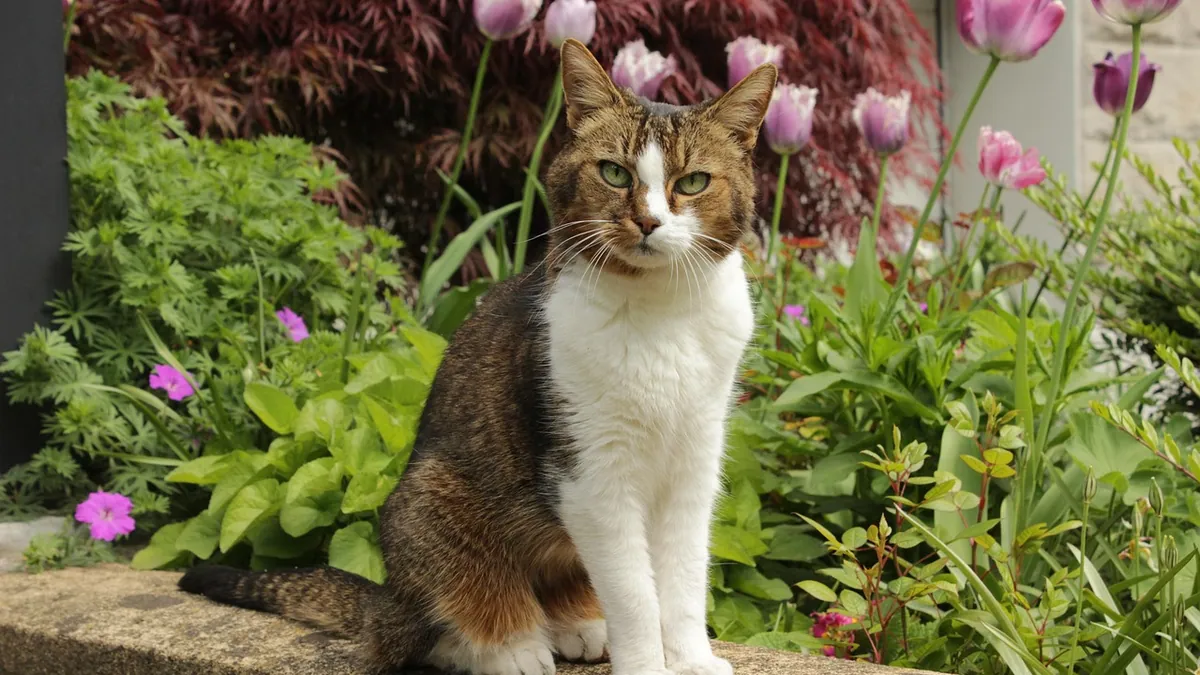
Is slug killer harmful to cats? Yes, slug and snail baits are among the most dangerous poisons a cat can encounter, and they are a leading cause of pet poisoning in veterinary practice [1][2]. Even a small amount of bait can cause severe neurologic signs, and cats appear to be more sensitive to these products than dogs [2]. This article is educational and is not a substitute for veterinary diagnosis or treatment.
Quick Answer
- Most slug killers contain metaldehyde or methiocarb, both of which are highly toxic to cats and can be fatal even in small amounts [1][2].
- Signs usually appear within 30 minutes to a few hours of eating bait and include tremors, drooling, unsteady walking, and seizures.
- Slug bait remains dangerous in your yard for at least 2 weeks after you apply it, and some newer formulas last even longer [1].
- If you think your cat ate slug bait, call a veterinarian, the ASPCA Animal Poison Control Center at (888) 426-4435, or Pet Poison Helpline at (855) 764-7661 right away.
- Do not make your cat vomit unless a veterinarian tells you to.
Is Slug Killer Harmful to Cats?
Yes. Slug killer is one of the most serious poisoning risks a cat can face. In a survey of 34 veterinary practices, snail and slug baits were the most common cause of poisoning in both dogs and cats [2]. During a 7-month period, 12 cats were poisoned by metaldehyde or methiocarb baits [2].
The risk is not limited to the pellets themselves. Cats can walk through bait, get it on their paws, and swallow it while grooming. They can also eat a slug or snail that has eaten the bait, which is a common route of exposure in curious outdoor cats.
Which Products Are Dangerous?
The two active ingredients in older and many current slug baits are metaldehyde and methiocarb [2]. Metaldehyde is the more common of the two and is found in many commercial bait pellets, powders, and liquids [1][3]. Methiocarb is also highly toxic and was responsible for a large share of poisonings in the veterinary survey [2].
Some newer products use iron phosphate instead of metaldehyde. Iron phosphate is generally considered less toxic to mammals than metaldehyde, but it can still cause stomach upset if a cat eats a large amount. If you are unsure what is in your slug bait, treat it as dangerous and keep your cat away from it.
Are Slugs Poisonous to Cats?
Slugs themselves are not poisonous in the way that some frogs or plants are. A cat that eats a plain slug is unlikely to be poisoned by the slug itself. The danger comes from what the slug has eaten.
Slugs and snails are the intermediate hosts of a parasite called rat lungworm (Angiostrongylus cantonensis) [4]. This parasite can cause serious disease in people, and the slime from these animals can also carry the parasite [4]. While rat lungworm infection is more common in tropical areas such as Hawaii, it is a real concern anywhere slugs are found [4]. A cat that eats a slug that has eaten metaldehyde bait is at risk from the bait, not the slug.
What Does Slug Bait Do to a Cat?
Metaldehyde attacks the nervous system. It causes uncontrolled nerve firing, which leads to tremors, muscle rigidity, and seizures. The body also loses its ability to regulate temperature, so a poisoned cat can overheat quickly. Without treatment, metaldehyde poisoning can be fatal.
Methiocarb works differently. It is a carbamate pesticide that affects the nervous system by disrupting normal nerve signals. It can cause similar signs, including drooling, vomiting, tremors, and seizures.
The amount that causes poisoning depends on the product, the concentration, and your cat's size and health. Your veterinarian calculates the risk and treatment dose based on your pet's weight and the product involved. There is no safe home dose to guess at.
Signs of Slug Bait Poisoning in Cats
Signs usually start within 30 minutes to a few hours after a cat eats bait. Early signs can be easy to miss, so watch closely if you suspect exposure.
- Drooling or foaming at the mouth
- Vomiting
- Unsteady walking or stumbling
- Muscle twitching or tremors
- Stiff legs or a stiff body
- Fast breathing or panting
- Increased body temperature
- Seizures
- Collapse or unconsciousness
In the veterinary survey, the death rate for cats poisoned by metaldehyde was 16.7%, and for methiocarb it was 50% [2]. Those numbers are a reminder that this is not a wait-and-see situation.
How Long After Eating Bait Do Signs Appear?
Most signs appear within a few hours. Some cats show signs within 30 minutes. If your cat ate bait and is not showing signs yet, that does not mean it is safe. Call for advice right away, because treatment is most effective when it starts early.
What to Do Right Now
If you think your cat ate slug bait, act immediately.
- Move your cat away from the area and remove any bait from its mouth or fur.
- Call a veterinarian, the ASPCA Animal Poison Control Center at (888) 426-4435, or Pet Poison Helpline at (855) 764-7661.
- Do not induce vomiting unless a veterinarian tells you to. Vomiting can make things worse if the cat is already showing neurologic signs.
- Keep the bait package or a photo of the label. The active ingredient and concentration help the veterinarian plan treatment.
- Bring your cat to the veterinary clinic as soon as you are told to.
If your cat is having a seizure, keep it safe from injury, do not put your hands near its mouth, and get to a veterinarian right away.
How Veterinarians Treat Slug Bait Poisoning
Treatment depends on how much bait was eaten and how quickly you got help. If your cat is seen soon after eating bait and is not yet showing neurologic signs, the veterinarian may induce vomiting and give activated charcoal to limit absorption. Never do this at home on your own.
If signs have started, treatment focuses on controlling tremors and seizures, cooling the cat if it is overheated, and supporting breathing and circulation. Your cat may need intravenous fluids, muscle relaxants, anti-seizure medication, and oxygen. Some cats need to stay in the hospital for monitoring until signs are controlled.
Blood work and other tests may be used to check organ function and rule out other causes. In some cases, a veterinarian may send samples for toxicology testing to confirm metaldehyde exposure [5][3].
Outlook After Slug Bait Poisoning
The outlook depends on how much bait was eaten, how fast treatment started, and how severe the signs are. Cats that are treated early, before seizures begin, often do well. Cats that have prolonged seizures or very high body temperatures have a much higher risk of death or lasting damage.
The death rate in the veterinary survey was high for cats, especially with methiocarb [2]. That is why quick action matters. If your cat survives the first 24 to 48 hours with good supportive care, the chance of recovery improves.
Prevention and Safer Alternatives
The best way to protect your cat is to avoid metaldehyde and methiocarb baits entirely. If you must use a slug product, choose one that is labeled as less toxic to mammals, and follow the label exactly.
- Keep all slug bait locked away from pets, even if the package says it is pet safe.
- Do not use bait in areas your cat can reach, including gardens, flower beds, and along fences.
- Remember that bait stays dangerous for at least 2 weeks after application, and some formulas last longer [1].
- Pick up slugs and snails by hand and dispose of them, or use barriers such as copper tape and diatomaceous earth.
- Encourage natural predators such as birds and ground beetles.
- Check your yard for bait before letting your cat outside.
- If you use bait, keep your cat indoors for at least 2 weeks after application [1].
For more on keeping your cat safe from outdoor hazards, see Ticks on Cats: Safe Removal and Tick-Borne Disease Risk and What Kind Of Plants Are Harmful To Cats. If your cat has eaten something and you are not sure what to do, Cat Poison Control has step-by-step guidance.
Limitations and When to Contact a Veterinarian
Contact a veterinarian immediately if your cat has eaten slug bait, even if it seems fine. Signs can start within 30 minutes, and early treatment saves lives.
Call right away if you see drooling, vomiting, tremors, unsteady walking, panting, or a seizure. These are emergency signs. Do not wait to see if they pass.
Call the same day if you are not sure whether your cat ate bait but you found a chewed package or bait pellets scattered in an area your cat can reach. A veterinarian can help you decide whether an exam is needed.
Schedule a routine visit if your cat has a known exposure and has recovered, so your veterinarian can check for any lasting effects. Individual cases need a veterinarian who can examine your cat and review its history.
Frequently Asked Questions
Are slugs poisonous to cats?
Slugs are not poisonous on their own, but they can carry rat lungworm, a parasite that causes serious disease [4]. The bigger risk is that a slug may have eaten metaldehyde bait, which then poisons your cat. Keep your cat from eating slugs and snails, especially in areas where bait is used.
Is slug bait safe for cats?
No, slug bait is not safe for cats. Metaldehyde and methiocarb baits are highly toxic and can be fatal [1][2]. Even products labeled as less toxic can cause stomach upset if eaten in large amounts. Treat all slug bait as a poison and keep it away from your cat.
How long does slug bait stay toxic in the yard?
Metaldehyde bait stays dangerous for at least 2 weeks after application, and some newer moisture-resistant formulas last even longer [1]. Keep your cat away from treated areas for at least that long. Rain does not make the bait safe.
Can a cat survive slug bait poisoning?
Yes, many cats survive with fast treatment. The death rate in one veterinary survey was 16.7% for metaldehyde and 50% for methiocarb in cats [2]. Early treatment before seizures start gives the best chance of recovery.
What should I do if my cat ate a slug?
If your cat ate a slug and you do not know whether bait was nearby, call a veterinarian or a poison control hotline for advice. Watch for drooling, vomiting, tremors, or unsteady walking. If any of these signs appear, treat it as an emergency and go to a veterinarian right away.
Related Articles
- Cat Poison Control
- Ticks on Cats: Safe Removal and Tick-Borne Disease Risk
- Can Urinary Tract Infections Kill Cats
- Can Cats Eat Shrimp? Raw Shellfish Bacteria Hazards
- What Kind Of Plants Are Harmful To Cats
- Plants Toxic To Cats
- Is Slug and Snail Bait Poisonous to Dogs? Metaldehyde Risk
- Is Rat Poison Harmful to Cats? Bait, Glue and Traps
- Is Ant Killer Toxic to Cats? Baits, Traps, and Sprays
References
- Dangers of Slug and Snail Bait for. Pet Poison Helpline.
- Epidemiological features of snail and slug bait poisoning in dogs and cats. Australian veterinary journal, 1985.
- Metaldehyde Poisoning of Companion Animals: A Three-year Retrospective Study. Journal of veterinary research, 2017.
- Control measures for slug and snail hosts of Angiostrongylus cantonensis, with special reference to the semi-slug Parmarion martensi. Hawai'i journal of medicine & public health : a journal of Asia Pacific Medicine & Public Health, 2013.
- Rapid, novel screening of toxicants in poison baits, and autopsy specimens by ambient mass spectrometry. Frontiers in chemistry, 2022.