Is Vitamin D3 Toxic to Cats? Doses and Poisoning Signs
By Dr. Zubair Khalid, DVM, MS, PhD ·
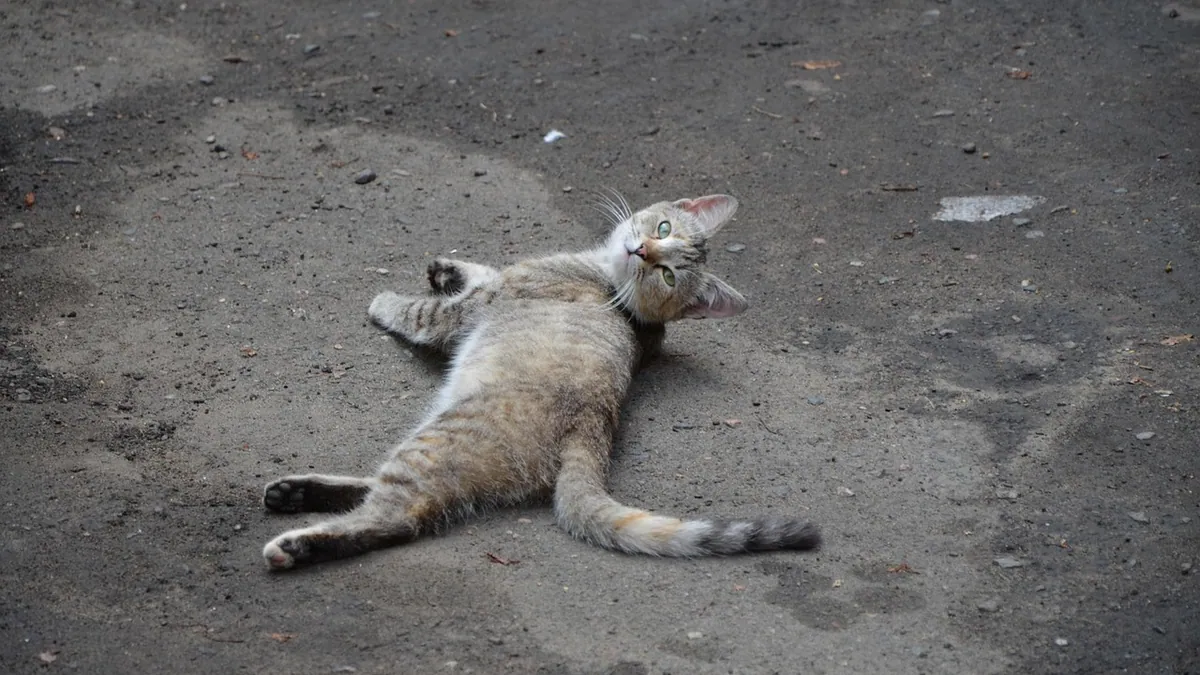
Vitamin D3 (cholecalciferol) is toxic to cats, and it is one of the most dangerous household poisonings a cat can face. A single vitamin D pill or a small amount of rodenticide bait can set off a chain reaction that pulls calcium out of the bones and into the blood, damaging the kidneys and other organs. The signs often do not appear for a day or more, which is why any known exposure needs a call to a veterinarian or poison control right away.
This article is educational and is not a substitute for veterinary diagnosis or treatment.
Quick Answer
- Yes, vitamin D3 is toxic to cats. Both human vitamin D supplements and cholecalciferol rodenticides are common sources [1].
- Cholecalciferol rodenticide baits are usually sold at a concentration of 0.075% (0.75 mg/g), and the margin of safety for this ingredient is narrow [1].
- Signs are often delayed. Vomiting, lethargy, and increased drinking and urination may not show up for 12 to 36 hours or longer after your cat eats the product.
- Call your veterinarian, the ASPCA Animal Poison Control Center at (888) 426-4435, or Pet Poison Helpline at (855) 764-7661 immediately. Do not wait for symptoms.
- Do not make your cat vomit unless a veterinarian specifically tells you to.
Is Vitamin D3 Toxic to Cats?
Yes. Vitamin D3, also called cholecalciferol, is highly toxic to cats. The problem is not a lack of vitamin D. It is too much of it at once.
Cats need vitamin D in their diet to absorb calcium and phosphorus and to build strong bones. When vitamin D or its activity drops too low, calcium and phosphorus absorption falls and bone problems such as rickets can develop, especially in young growing animals [2]. That is the normal, healthy role of vitamin D. Poisoning happens when a cat takes in a large dose far above what the body can regulate.
Which products put cats at risk
The two big sources are human vitamin D supplements and rodenticides that use cholecalciferol as the active ingredient.
Human vitamin D pills are often sold in high doses per tablet, and they are easy for a cat to bat off a counter or find in a dropped bottle. Rodenticide baits come as soft baits, hard blocks, and pellets, and cholecalciferol is usually found in them at a concentration of 0.075% (0.75 mg/g) [1]. Since regulatory changes in the United States, exposures to cholecalciferol have increased markedly in frequency [1]. That means more cats are getting into these products than before.
Other products can contain vitamin D too, including some combination supplements and prescription creams or gels. If it lists cholecalciferol, vitamin D3, or "vitamin D" on the label, treat it as a poison for your cat.
Is vitamin D harmful to cats in normal food?
No. Complete and balanced cat foods contain vitamin D at levels meant to support health, and that is not a poisoning risk. The danger comes from concentrated supplements, pills, and baits, not from a normal diet. If you are worried about your cat's diet or bone health, that is a conversation for your veterinarian, not a reason to add supplements on your own.
What Vitamin D3 Does Inside a Cat's Body
Vitamin D3 is fat soluble, and the body stores it. That long storage time is part of why this poisoning is so serious.
When a cat absorbs a toxic dose, vitamin D drives calcium absorption from the gut and pulls calcium out of the bones into the bloodstream. The result is hypercalcemia, which means too much calcium in the blood. High blood calcium is directly damaging. It harms the kidneys, tightens blood vessels, affects the heart and nervous system, and can lead to calcium deposits in soft tissues.
This is not a quick in-and-out toxin. The effects build and linger. In one reported case, a 4-year-old cat exposed to vitamin D supplements was still being treated about 52 days after exposure before calcium levels finally stayed normal and all medications could be stopped [3]. That long tail is why treatment often takes weeks, not hours.
Signs of Vitamin D3 Poisoning in Cats and When They Appear
The timeline is the part that catches owners off guard. Your cat may look completely fine right after eating a pill or bait. Then signs start.
Early signs usually include vomiting, loss of appetite, lethargy, and increased drinking and urination. In the reported feline case, a cat was brought to an emergency service for vomiting 4 days after exposure to vitamin D supplements, and was found to have ionized hypercalcemia and azotemia (kidney-related blood changes) [3]. So the gap between exposure and obvious illness can be several days.
As poisoning progresses, signs can include:
- Weakness, depression, or stumbling
- Dehydration from vomiting and heavy urination
- Weight loss and poor appetite
- Kidney injury, which may show up on blood work before you see dramatic signs
- In severe cases, heart rhythm problems, collapse, or death
Because the signs are vague at first, many owners assume their cat ate something that did not agree with it. If you know or suspect your cat got into vitamin D pills or rodenticide, do not wait for signs to confirm it. The exposure itself is the emergency.
What to Do Right Now
Act immediately, even if your cat seems normal.
- Move your cat away from the product and pick up any remaining pills, bait, or packaging.
- Call your veterinarian, the ASPCA Animal Poison Control Center at (888) 426-4435, or Pet Poison Helpline at (855) 764-7661. These services are staffed for exactly this situation.
- Have the product container ready, or note the name, strength, and how much you think your cat ate. The veterinarian will calculate the dose from your cat's weight and health, not from a general rule.
- Do not induce vomiting unless a veterinarian tells you to. Making a cat vomit at home can cause its own injuries and may not help.
- Do not give food, milk, oil, or home remedies to "soak up" the poison. None of these treat vitamin D poisoning.
If your cat is already vomiting, weak, or not responding normally, treat it as an emergency and go to the nearest veterinary hospital. Call ahead so the team can prepare.
How Veterinarians Treat Vitamin D3 Poisoning
Treatment depends on how much your cat ate, how long ago, and how sick it is. Your veterinarian will run blood work, including calcium and kidney values, and may repeat it over days because calcium can keep climbing.
Care usually includes:
- Fluids to flush calcium through the kidneys and correct dehydration
- Medications to lower blood calcium, which may include diuretics, steroids, and bisphosphonates
- Medications to control nausea and protect the stomach
- A feeding tube if your cat will not eat, as was used in the reported feline case [3]
- Repeated monitoring of calcium and kidney values over days to weeks
In severe cases, more advanced support may be needed. A separate report describes a cat with extreme hypercalcemia and acute kidney injury who was treated with hemodialysis, and the calcium problem resolved during the treatment [4]. That case involved a different cause of high calcium, but it shows how serious hypercalcemia is and how far treatment can go. For vitamin D poisoning specifically, the long half-life of the toxin means some cats need weeks of medication and repeat hospital visits [3].
Outlook After Vitamin D3 Poisoning
The outlook depends on the dose, how fast treatment starts, and whether the kidneys were damaged.
The good news is that cats can recover. The cat in the reported case eventually had persistently normal ionized calcium and was able to stop all medications [3]. But that recovery took about 52 days and included two hospitalizations and at-home care with subcutaneous fluids and oral medications [3]. This is a long, expensive, and emotionally hard process, and it is much easier to prevent than to treat.
Kidney damage is the main worry. High calcium can injure the kidneys, and that injury may be permanent in severe cases. Early treatment gives your cat the best chance.
Prevention and Safer Alternatives
Prevention is simple and it matters more than anything else here.
- Store all vitamin D supplements, including gummies and liquids, in closed cabinets your cat cannot reach. Never leave a bottle on a counter or nightstand.
- Keep cholecalciferol rodenticides out of your home if you have cats, or use them only in sealed, cat-proof bait stations placed where a cat cannot reach.
- Check labels on any supplement or cream before you handle it around your cat.
- Never give your cat a human vitamin D supplement or a supplement meant for another pet.
- If you use pest control, tell your provider you have cats and ask what active ingredients are being used.
For other common household and plant dangers, see our guides on Are Lilies Toxic to Cats? and Plants Toxic To Cats. If you feed your cat organ meats or homemade diets, our article on Can Cats Eat Beef liver? Vitamin A Toxicity Warnings covers another nutrient that can cause harm when overdone.
Limitations and When to Contact a Veterinarian
This article gives general information. Your cat's individual case needs a veterinarian who can examine it, run blood work, and track calcium levels over time.
Contact a veterinarian the same day if:
- You know or suspect your cat ate a vitamin D pill, supplement, or cholecalciferol rodenticide, even if it seems fine
- Your cat is vomiting, drooling, or refusing food
- Your cat is drinking and urinating much more than usual
Go to an emergency hospital now if:
- Your cat is weak, wobbly, collapsed, or breathing oddly
- Your cat cannot keep water down or looks severely dehydrated
- Your cat's gums look pale or its heart rate feels fast or irregular
Schedule a routine visit if you have questions about your cat's diet, bone health, or calcium levels, or if you want help choosing a safe, complete cat food.
Frequently Asked Questions
How much vitamin D is toxic to cats?
There is no safe home dose to aim for, and the toxic amount depends on the product, your cat's weight, and its health. Your veterinarian or poison control will calculate the risk from the specific product and your cat's size. Any known exposure to a supplement or bait is a reason to call right away.
Are vitamin D pills toxic to cats?
Yes. Human vitamin D pills are one of the main sources of this poisoning in cats. Even one high-dose tablet can cause serious harm, and signs may not appear for days. Treat any swallowed pill as an emergency and call for guidance.
Is vitamin D3 poisonous to cats if they only lick it?
Licking a small amount off a surface is usually less risky than swallowing a pill or bait, but it still depends on the product and how much was on the surface. Call poison control or your veterinarian and describe exactly what happened. They can tell you whether monitoring or treatment is needed.
Can a cat recover from vitamin D poisoning?
Yes, many cats recover with prompt, intensive treatment. Recovery can take weeks, and some cats need repeat hospital visits and long-term medication while calcium levels settle. Kidney damage is the main factor that affects the outcome, which is why early care matters so much.
Do I need to worry about vitamin D in my cat's regular food?
No. Complete and balanced cat foods contain vitamin D at levels designed to support health, and that is not a poisoning risk. The danger comes from concentrated supplements, pills, and rodenticides. If you are unsure about your cat's diet, ask your veterinarian.
Related Articles
- Can Cats Eat Beef liver? Vitamin A Toxicity Warnings
- Are Lilies Toxic to Cats?
- Plants Toxic To Cats
- What Plants Can Be Toxic To Cats
- What Flowers Are Toxic To Cats
- What Plants And Flowers Are Toxic To Cats
- Can Cats Have Zinc? Supplements and Toxicity
- Are Pennies Toxic to Cats? Zinc Poisoning Risk
- Is Ibuprofen Toxic to Cats? Doses and Symptoms
References
- Cholecalciferol (Vitamin D3) Poisoning in Animals - Toxicology. Merck Veterinary Manual.
- Disorders Associated with Calcium, Phosphorus, and Vitamin D in Cats - Cat Owners. Merck Veterinary Manual.
- Acute vitamin D toxicosis in an adult cat. JFMS open reports, 2026.
- Successful treatment of severe iatrogenic hypercalcemia and acute kidney injury with hemodialysis in a cat. Journal of veterinary internal medicine, 2026.