Is Salt Toxic to Cats? Garlic Salt and Sodium Risks
By Dr. Zubair Khalid, DVM, MS, PhD ·
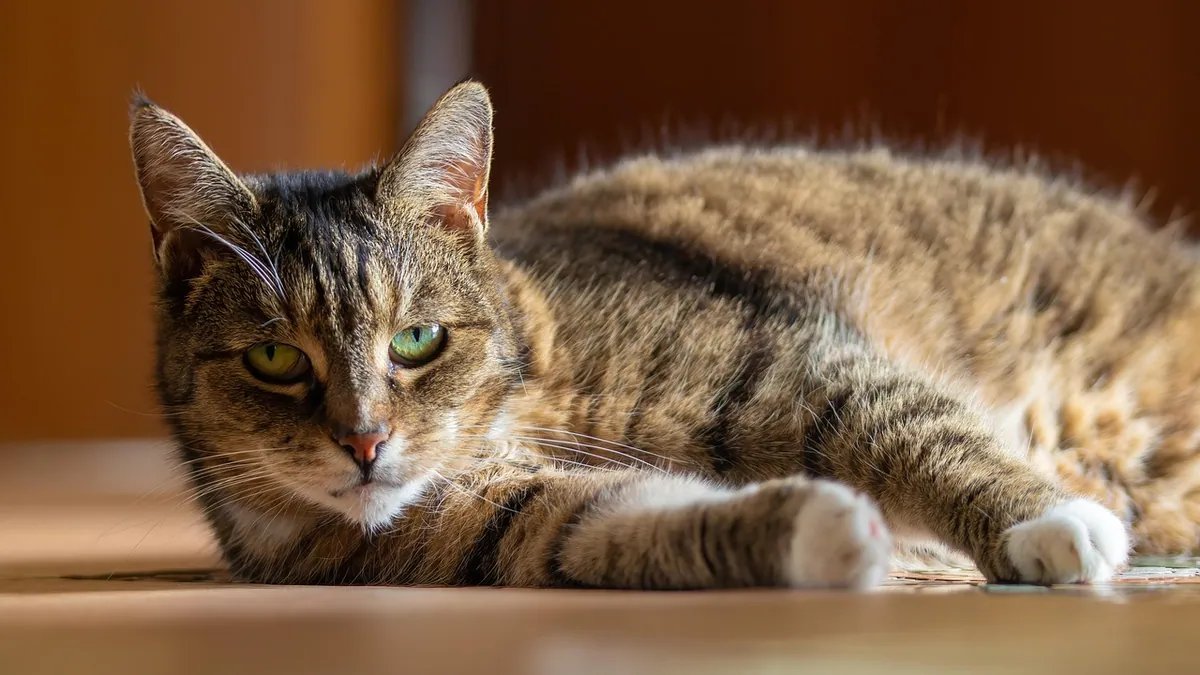
Salt is toxic to cats when they eat too much of it, and garlic salt adds a second poison on top of the sodium. A tiny lick of plain salt is unlikely to harm a healthy cat, but a real mouthful of garlic salt can cause serious illness. This article is educational and is not a substitute for veterinary diagnosis or treatment.
Quick Answer
- Salt is a required nutrient for cats, but too much causes dehydration, vomiting, diarrhea, and in severe cases kidney failure or death [1][2].
- Garlic salt is a double hazard because garlic damages red blood cells while the salt drives sodium poisoning [1][2].
- Never make your cat vomit unless a veterinarian tells you to.
- Call your veterinarian, the ASPCA Animal Poison Control Center at (888) 426-4435, or Pet Poison Helpline at (855) 764-7661 right away if your cat ate garlic salt.
- Keep salt shakers, garlic salt jars, deicing rock salt, and salty human foods out of reach.
Is Salt Toxic to Cats?
Yes, salt can be toxic to cats, but the dose and the form matter. Salt (sodium chloride) is a normal part of a cat's diet. It helps regulate hydration and electrolyte balance, just as it does in people [1][3]. The problem starts when a cat eats far more than the body can handle.
Cats have a small body weight, so a spoonful of salt that would barely affect a person can be a large dose for a cat. Salt also comes in many forms. There is table salt for cooking, garlic salt and seasoned salts, rock salt used to melt ice, and salt water from the beach or a water softener [2]. Each one carries risk, and some carry extra risk because of what is mixed with the salt.
Is Garlic Salt Toxic to Cats?
Garlic salt is more dangerous than plain salt because it contains two problems at once. The salt can cause sodium poisoning, and the garlic is toxic to cats on its own. Garlic belongs to the allium family, and allium plants damage feline red blood cells. You can read more about that in our guide on what happens when a cat ate garlic.
Garlic salt is a seasoning blend, so the exact amount of garlic and salt varies by brand. That makes it hard to predict how sick a cat will get from a given lick or mouthful. Any intentional or accidental ingestion of garlic salt deserves a call to a veterinarian or poison control.
Can Cats Eat Garlic Salt?
No. Cats should not eat garlic salt in any amount. Even small repeated exposures to garlic can build up and cause anemia over days. A single large exposure can cause sudden, severe signs. The salt in the blend can also push a cat into sodium toxicity if enough is eaten [1][2].
If your cat licked a tiny bit off a plate, that is usually a low-risk exposure, but you should still call your veterinarian or a poison control line for guidance. If your cat ate a spoonful or more, treat it as an emergency.
The Toxic Principle and What It Does in the Body
Salt toxicity, also called sodium toxicity or salt poisoning, happens when sodium pulls water out of the body's cells. The result is dehydration at the cellular level, which can damage organs [1][3]. The brain is especially sensitive to shifts in sodium and water, so neurologic signs can appear.
The body tries to correct the imbalance by making the cat very thirsty. If the cat drinks fresh water and the imbalance corrects, signs may stay mild. If the imbalance is too large or the cat cannot drink enough, symptoms escalate quickly [2]. In critical cases, salt poisoning can be fatal [2].
Garlic toxicity works differently. Garlic contains sulfur compounds that oxidize red blood cells. This damages the cell membrane and can cause the cells to rupture (hemolysis). The result is anemia, which means fewer healthy red blood cells to carry oxygen. Anemia from garlic can develop over one to several days, so a cat may seem fine at first and get worse later.
When a cat eats garlic salt, both processes can run at the same time. The salt can cause rapid dehydration and neurologic signs, while the garlic quietly damages red blood cells over the following days.
Signs of Salt and Garlic Poisoning in Cats
Signs of salt toxicity can appear within hours of a large ingestion. Early signs include vomiting, diarrhea, excessive thirst, and increased urination [1][3]. As sodium rises, a cat may become weak, wobbly, or disoriented. Severe cases can progress to tremors, seizures, coma, and death [2].
Signs of garlic toxicity usually take longer to show. Because the damage is to red blood cells, you may see pale gums, weakness, lethargy, fast breathing, or dark urine. These signs can appear a day or more after ingestion, and they can worsen over several days.
Typical Timeline
Salt signs often show up within a few hours. Garlic signs often show up 1 to 5 days later. If your cat ate garlic salt, watch closely for at least several days even if the cat seems normal right after. Call your veterinarian if any sign appears.
What to Do Right Now
If your cat ate garlic salt or a large amount of salt, act quickly.
- Remove the source. Take the jar, plate, or salty item away from your cat.
- Do not induce vomiting unless a veterinarian tells you to. Making a cat vomit at home can cause choking, aspiration, or other harm.
- Call for help. Contact your veterinarian, the ASPCA Animal Poison Control Center at (888) 426-4435, or Pet Poison Helpline at (855) 764-7661.
- Have details ready. Tell them what your cat ate, how much, when, your cat's weight, and any signs you have seen.
- Offer fresh water. A cat with mild salt exposure may drink and correct the imbalance on its own, but do not force water into your cat's mouth [2].
Do not wait for signs to appear before calling. Early guidance can prevent serious illness.
Veterinary Treatment
Treatment depends on how much was eaten, how long ago, and how sick your cat is. Your veterinarian will examine your cat and may run blood work to check sodium, electrolytes, kidney values, and red blood cell counts.
If the ingestion was recent and your veterinarian decides it is safe, they may induce vomiting in the clinic and give activated charcoal or other decontamination measures. For salt toxicity, treatment focuses on careful fluid therapy to correct sodium and hydration slowly and safely. Correcting sodium too fast can cause brain injury, so this is done under close monitoring.
For garlic toxicity, treatment may include oxygen support, fluids, and in severe cases a blood transfusion. Your veterinarian will decide what your cat needs based on exam findings and lab results. There is no single at-home treatment for either problem.
Outlook
The outlook depends on how much your cat ate, how quickly treatment started, and your cat's overall health. Cats with mild salt exposure who drink and are monitored often recover well. Cats with severe sodium poisoning or significant anemia from garlic have a more guarded outlook, and some cases are fatal [2].
If your cat survives the first few days and lab values improve, the chance of full recovery is good in many cases. Your veterinarian will want follow-up blood work to confirm that sodium levels and red blood cell counts have returned to normal.
Prevention and Safer Alternatives
Prevention is simple and effective.
- Store salt, garlic salt, seasoned salt, and garlic powder in closed cabinets.
- Never leave salty plates or bowls where a cat can lick them.
- Wipe up spills of salt and salty foods right away.
- Use pet-safe ice melt instead of rock salt, and wipe your cat's paws after walks if they go outside.
- Skip table scraps. Human foods often carry salt, garlic, onion, and other risks. Our article on whether cats can eat tuna with salt explains how salty human foods add up.
- Keep an eye on other household hazards too. Our guide on plants toxic to cats covers common items that cause poisoning.
If you want to give your cat a treat, choose a commercial cat treat or a small piece of plain cooked meat with no salt, garlic, or onion. Plain cooked chicken or a bit of unseasoned fish is safer than anything from your seasoning shelf.
Limitations and When to Contact a Veterinarian
This article gives general information, not a diagnosis. Every cat is different, and individual cases need a veterinarian who can examine your cat and run tests.
Contact a veterinarian or poison control the same day if your cat licked garlic salt, ate a salty human food, or drank from a salty source, even if your cat seems fine.
Go to an emergency clinic now if your cat is vomiting repeatedly, has diarrhea, seems weak or wobbly, is breathing fast, has pale gums, has tremors or seizures, or is not responding normally.
Schedule a routine visit if your cat had a small exposure and seems well, so your veterinarian can check blood work and confirm there is no delayed anemia or kidney problem.
Frequently Asked Questions
How much salt is dangerous for a cat?
There is no single safe number that applies to every cat. The toxic dose depends on your cat's weight, health, and how much water they drink. Your veterinarian calculates the risk based on your cat's specific situation. If you are unsure how much your cat ate, call poison control.
Can a cat survive salt poisoning?
Yes, many cats survive with prompt treatment. Mild cases often recover with fluids and monitoring. Severe cases can be fatal, especially if treatment is delayed [2]. The sooner you call, the better the chance.
Does garlic salt cause the same signs as plain salt?
No. Garlic salt can cause both salt poisoning signs and garlic poisoning signs. Salt signs show up fast, while garlic signs like pale gums and weakness may take a day or more to appear. Watch your cat for several days after any exposure.
Should I make my cat throw up after eating garlic salt?
No. Do not induce vomiting unless a veterinarian tells you to. Home vomiting can cause choking or other harm. Call your veterinarian or a poison control line and follow their instructions.
Are there safe salty treats for cats?
No salty human snacks are safe for cats. Commercial cat treats and plain, unseasoned cooked meat are better choices. Even small amounts of garlic salt or seasoned salt should be avoided completely.
Related Articles
- Can Cats Eat Crab? Shell Hazards and Sodium
- Can Cats Eat Tuna With Salt
- Cat Ate Garlic
- Plants Toxic To Cats
- What Plants Can Be Toxic To Cats
- Are Lilies Toxic to Cats?
- Can Cats Eat Saltines or Salty Food? Sodium Risks
- Can Cats Eat Onions or Garlic? Toxicity Signs to Watch
- Is Garlic Powder Toxic to Cats? Doses and Symptoms
References
- Is Salt Bad for Cats. Pet Poison Helpline.
- Sodium Toxicity in Pets. Pet Poison Helpline.
- Can Cats Eat Salt. Pet Poison Helpline.