Is Salt Dough Toxic to Cats?
By Dr. Zubair Khalid, DVM, MS, PhD ·
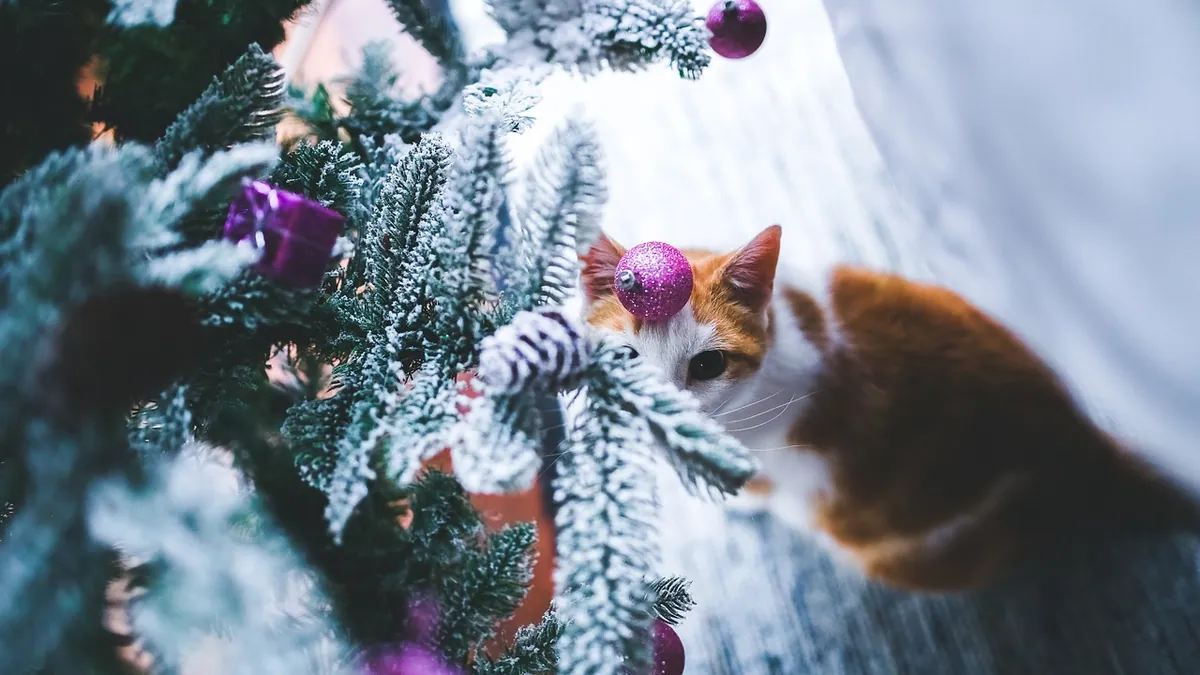
Are salt dough ornaments toxic to cats? Yes. Homemade salt dough ornaments contain a large amount of salt, and eating them can cause salt poisoning in cats. Even a small piece can make a cat sick, and a swallowed ornament can also cause a painful blockage in the gut.
This article is educational and is not a substitute for veterinary diagnosis or treatment.
Quick Answer
- Salt dough ornaments are toxic to cats because of their very high salt content. As few as 1 to 2 ornaments can make a pet very sick [1].
- Signs of salt poisoning include trembling, stumbling, vomiting, diarrhea, and lethargy. Severe cases can involve seizures or coma.
- Salt dough also becomes hard when baked, so a swallowed piece can cause pain or an obstruction in the digestive tract [1].
- If your cat ate salt dough, call your veterinarian, the ASPCA Animal Poison Control Center at (888) 426-4435, or Pet Poison Helpline at (855) 764-7661 right away.
- Do not make your cat vomit unless a veterinarian tells you to. Offer water only if your cat is not vomiting, and follow professional advice [1].
Are Salt Dough Ornaments Toxic to Cats?
Yes. Salt dough is a real poisoning risk for cats, even though it is made from ingredients you keep in your kitchen. The recipe is simple: flour, water, and a lot of salt. That last ingredient is the problem.
The ornaments are meant to be baked and dried, which makes them hard and long lasting. For a cat, that combination of high salt and a hard, chewable object creates two separate dangers. The salt can poison your cat, and the baked dough can block the intestines [1].
Which Parts Are Dangerous?
The whole ornament is a hazard. There is no safe part to let your cat chew on. This applies to:
- Finished, baked ornaments hanging on a tree or drying on a counter
- Raw dough left out during a craft session
- Broken pieces, crumbs, and dust from dried ornaments
- Salt dough made into other shapes, such as beads, handprints, or gift tags
The salt is spread evenly through the dough, so a small bite still delivers a concentrated dose. Licking may cause mild stomach upset, but swallowing a piece is the bigger concern.
Is Salt Dough Safe for Cats in Any Amount?
No amount of salt dough is safe to offer your cat on purpose. There is no established safe dose for salt dough in cats, and the amount that causes harm depends on your cat's weight, how much was eaten, and how much water your cat drinks. Your veterinarian calculates risk based on those factors.
Keep in mind that salt dough is not the only holiday item that can hurt a cat. Plants are another common source of poisoning. If you decorate with fresh flowers, it helps to know which ones are dangerous. You can read more about flowers toxic to cats and about specific risks like lilies before you bring a bouquet home.
The Toxic Principle: Salt and How It Harms a Cat
The toxic principle in salt dough is sodium, the main component of table salt. When a cat eats a large amount of sodium, the balance of salt and water in the body shifts. Sodium pulls water out of the cells and into the bloodstream, which leads to dehydration of body tissues and a rise in the sodium level in the blood.
The brain is especially sensitive to these shifts. A rapid rise in blood sodium can cause neurologic signs such as trembling, stumbling, and confusion [1]. In severe cases, the brain can swell, which may lead to seizures, coma, or death.
Veterinarians call a high blood sodium level hypernatremia. Cases in cats show how serious this can be. In one report, a cat with severe hypernatremia had dehydration, stupor, and unequal pupil size, and the condition was tied to a brain lesion that disrupted normal water balance [2]. Another cat with hypernatremia had a blood sodium level of 181 mmol/L, well above the normal range of 151 to 158 mmol/L, along with neurologic deficits [3]. A third cat developed severe hypernatremia at 203 mmol/L after an accidental exposure, with diffuse encephalopathy and kidney injury [4]. These cases involved different causes, but they show the same lesson: when sodium climbs too high, the brain and kidneys suffer.
Salt poisoning is not the only concern. The baked ornament is hard and does not break down easily in the stomach. A swallowed chunk can lodge in the esophagus or intestines, causing pain or a full obstruction [1]. An obstruction is a surgical emergency.
Signs of Salt Dough Poisoning in Cats
Signs can appear within hours of ingestion. Early signs are often gastrointestinal and neurologic.
Watch for:
- Vomiting
- Diarrhea
- Drooling
- Trembling or muscle twitching
- Stumbling, wobbly walking, or weakness
- Lethargy or depression
- Loss of appetite
- Increased thirst or urination
- Disorientation
- Seizures
- Collapse or coma
The timeline matters. Signs of salt poisoning usually start within a few hours, but they can be delayed. A hard piece of dough that causes an obstruction may not cause obvious signs for a day or more. Vomiting, refusing food, a painful belly, and no bowel movements are warning signs of a blockage.
If you saw your cat eat salt dough, do not wait for signs to appear. Call for advice right away. Early treatment is easier and safer than waiting for severe neurologic signs to develop.
What to Do Right Now If Your Cat Ate Salt Dough
Act quickly. Salt poisoning can progress fast, and time matters.
- Move your cat away from the dough or ornaments. Pick up any remaining pieces so your cat cannot eat more.
- Call your veterinarian, an emergency veterinary hospital, the ASPCA Animal Poison Control Center at (888) 426-4435, or Pet Poison Helpline at (855) 764-7661.
- Tell them what you know: how much dough you think was eaten, when it happened, your cat's weight, and any signs you have seen.
- Offer water if your cat is not vomiting. Allowing a pet to drink water is part of the advice for salt dough exposure while you consult a veterinarian [1].
- Do not induce vomiting unless a veterinarian tells you to. Making a cat vomit at home can cause harm, especially if the dough is hard or your cat is already showing neurologic signs.
- Do not give any home remedies, milk, oil, or human medications. These can make things worse.
- Bring the packaging or a sample of the dough if you can. It helps the veterinarian understand what was eaten.
If your cat is having a seizure, is collapsing, or is unresponsive, treat it as an emergency and go to the nearest veterinary hospital now.
How Veterinarians Treat Salt Dough Poisoning in Cats
Treatment depends on how much was eaten, how long ago it happened, and how sick your cat is.
If you get help quickly and your cat is stable, the veterinarian may induce vomiting in the clinic to remove dough still in the stomach. They may also give activated charcoal in some cases, though this is decided case by case.
The main treatment for salt poisoning is careful fluid therapy. The goal is to bring the blood sodium level down slowly. If sodium is corrected too fast, it can cause serious brain injury. Your veterinarian will check blood sodium levels and adjust fluids based on repeated blood tests. This is why the dose and rate of fluids are set by the veterinarian for your individual cat, not by a number you can calculate at home.
If your cat is having seizures, the veterinary team will use medications to control them and provide supportive care. If there is a suspected obstruction from baked dough, imaging such as X-rays or ultrasound may be needed. Surgery may be required to remove a blockage.
In one reported case, a cat with severe hypernatremia and neurologic signs improved after slow correction with intravenous and oral electrolyte-free water, and signs fully resolved about a month after discharge [4]. That outcome shows that with aggressive care, recovery is possible. It also shows how much treatment is involved.
Outlook After Salt Dough Ingestion
The outlook depends on how much salt was eaten, how quickly treatment started, and whether there is an obstruction.
A cat that eats a small crumb and gets care early often does well. A cat that eats one or more ornaments and develops severe neurologic signs has a much more guarded prognosis. Salt poisoning can be fatal if it is not treated.
Hard dough that reaches the intestines can cause an obstruction. Obstructions are serious and often need surgery. Even after surgery, recovery depends on how much damage occurred and how quickly the problem was found.
Your veterinarian is the best person to give you a realistic outlook for your cat after an exam and blood work.
Prevention and Safer Alternatives
Prevention is simple and worth the effort.
- Keep cats out of the room while you make salt dough. Flour and dough on the floor or counter are easy to grab [1].
- Put ornaments in a high place while they dry, out of reach of a cat that can jump on counters [1].
- Hang ornaments on a tall, sturdy branch so the tree does not tip and drop decorations within reach [1].
- Skip salt dough entirely if your cat is a chewer or a climber.
- Choose cat-safe decorations instead, such as paper ornaments without glitter or small parts, fabric ornaments, or felt shapes.
- Avoid tinsel, ribbons, and string, which cats can swallow and which can cause serious intestinal damage.
- Check holiday plants too. Many common flowers and plants are toxic to cats, including some that show up in winter bouquets. Learn which ones to avoid by reading about flowers that are toxic to cats and what flowers are toxic to cats.
If you love the tradition of salt dough, consider making the ornaments in a room your cat cannot enter, then storing them in a closed container when they are not on display. Never leave them where a cat can reach them, even for a few minutes.
Limitations and When to Contact a Veterinarian
No article can tell you whether your cat will be fine after eating salt dough. Only a veterinarian who examines your cat and runs blood work can do that. Individual cases need a veterinarian.
Contact a veterinarian the same day if:
- You know or suspect your cat ate any amount of salt dough
- Your cat is vomiting, has diarrhea, or is drooling
- Your cat seems tired, weak, or unsteady
- Your cat is drinking much more water than usual
Go to an emergency veterinary hospital now if:
- Your cat is having a seizure
- Your cat is collapsing, unresponsive, or very difficult to wake
- Your cat is breathing abnormally or has a very fast or slow heart rate
- Your cat has a painful, swollen belly and cannot keep food down
Schedule a routine visit if:
- You are not sure whether your cat ate dough but you noticed chewed ornaments or crumbs
- Your cat had a known exposure and has recovered, but you want a follow-up exam and blood work
When in doubt, call. Poison control lines and veterinary clinics are used to these calls, and asking early is always better than waiting.
Frequently Asked Questions
Can a cat die from eating salt dough?
Yes, salt poisoning can be fatal in cats if it is not treated. The risk is higher with larger amounts and with delayed care. Quick veterinary treatment gives the best chance of recovery.
How long after eating salt dough will my cat show signs?
Signs often appear within a few hours, but they can be delayed. A blockage from hard dough may take a day or longer to cause obvious signs. If you saw your cat eat dough, call right away instead of waiting.
Is raw salt dough worse than baked salt dough?
Both are dangerous. Raw dough has the same high salt content and is easier to swallow in large amounts. Baked dough is harder and more likely to cause an obstruction. Neither is safe.
Will my cat be okay if it only licked the ornament?
Licking a small amount may cause mild stomach upset, but it can still be a problem if your cat keeps licking or chews off a piece. Call your veterinarian or a poison control line for advice based on your cat's size and what happened.
Should I make my cat throw up after eating salt dough?
No, not unless a veterinarian tells you to. Inducing vomiting at home can cause harm, especially if your cat is already showing neurologic signs. Call for professional guidance first.
Can I use salt dough ornaments if I keep them out of reach?
You can, but only with strict precautions. Keep your cat out of the craft area, dry ornaments in a high place, and hang them on a sturdy branch that will not fall [1]. If your cat is a determined chewer, it is safer to choose a different craft.
Related Articles
- Are Lilies Toxic to Cats?
- Flowers Toxic To Cats
- Flowers That Are Toxic To Cats
- What Flowers Are Toxic To Cats
- Are Tulips Toxic To Cats
- Safe Treats For Diabetic Cats
- Is Salt Toxic to Cats? Garlic Salt and Sodium Risks
- Can Cats Eat Dough? Raw Yeast Dough Is an Emergency
- Is Playdough Toxic to Cats? What to Do If They Eat It
References
- Salt Dough Ornaments. Pet Poison Helpline.
- Hypernatremia in a Cat with Toxoplasma-Induced Panencephalitis. Journal of the American Animal Hospital Association, 2016.
- Congenital pituitary cyst resulting in adipsic central diabetes insipidus and secondary hypernatremia in a cat. JFMS open reports, 2021.
- Severe hypernatremia and transient azotemia in a cat following inadvertent intravenous administration of a commercial polyethylene glycol solution. Journal of veterinary emergency and critical care (San Antonio, Tex. : 2001), 2019.