Is Playdough Toxic to Cats? What to Do If They Eat It
By Dr. Zubair Khalid, DVM, MS, PhD ·
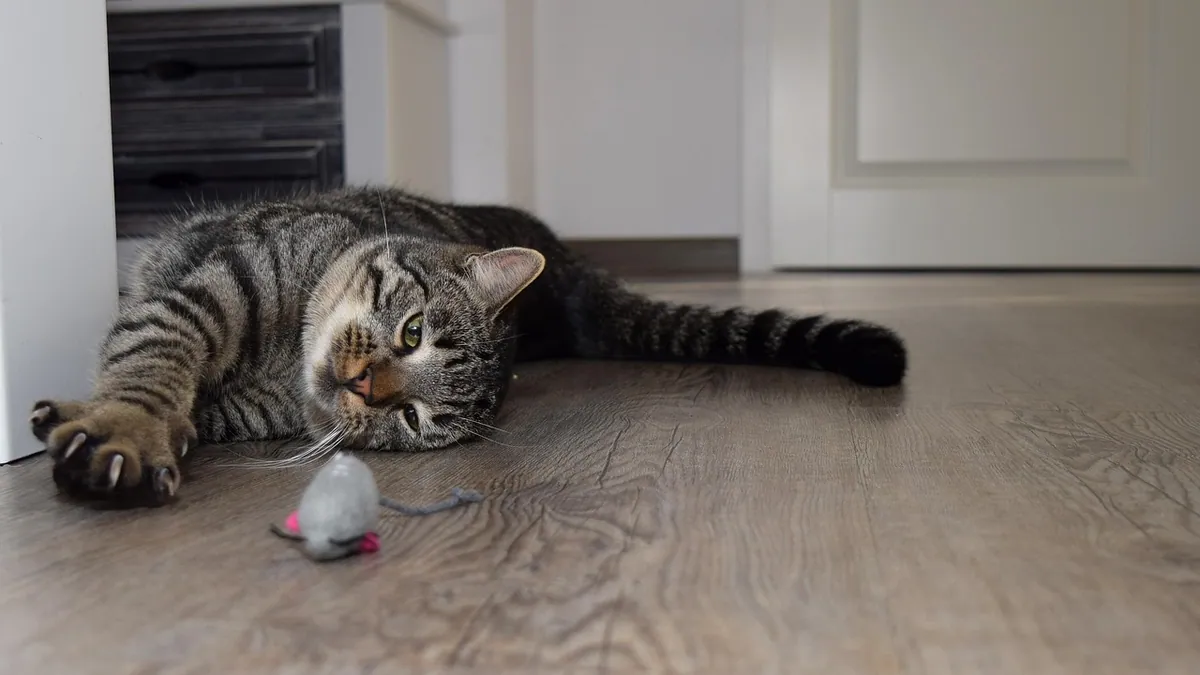
Is playdough toxic to cats? Yes, it can be. The salt in playdough is the real danger, and a cat that eats even a small amount can become seriously ill.
This article is educational and is not a substitute for veterinary diagnosis or treatment.
Quick Answer
- Playdough is not poisonous because of the flour or food coloring. The salt content is what harms cats [1].
- Homemade playdough and salt dough ornaments are often the riskiest because they contain a large amount of salt [1].
- Store-bought playdough can also be toxic to pets if a cat eats enough of it [1].
- Signs of salt poisoning include vomiting, diarrhea, tremors, stumbling, and seizures. They can appear within hours [1].
- Call your veterinarian, the ASPCA Animal Poison Control Center at (888) 426-4435, or Pet Poison Helpline at (855) 764-7661 right away. Do not make your cat vomit unless a veterinarian tells you to [2].
Is Playdough Toxic to Cats?
Playdough is a modeling compound made mostly of flour, water, oil, salt, and food coloring. None of those ingredients is designed for a cat. The one that causes real trouble is sodium chloride, or table salt.
Homemade playdough is a popular craft, and it usually calls for a large amount of salt [1]. Salt dough ornaments made for holidays use the same basic recipe, and they can be even more concentrated. If a cat chews on or swallows one of these ornaments, the salt dose can be high enough to cause severe poisoning, and in some cases death [1].
Store-bought playdough is not automatically safe either. Even commercial playdough can be toxic to pets when ingested [1]. The amount of salt varies by brand and recipe, so you cannot assume a small bite is harmless.
Which Products Matter Most
- Homemade playdough and salt dough: highest concern because of the heavy salt load [1].
- Store-bought playdough: still a risk, especially if your cat eats a chunk instead of a crumb [1].
- Dried salt dough ornaments: tempting to chew, and the salt is concentrated as the dough dries [1].
- Playdough stuck in fur: cats groom themselves often, so they can swallow playdough they never meant to eat [3].
Cats are often picky eaters compared with dogs, so poisoning is less common in cats [3]. That said, their small body size means even a modest amount of a harmful item can cause a poisoning case [3]. A tablespoon of salty dough means far more to a nine-pound cat than to a seventy-pound dog.
If your cat has been chewing on other household items, our guide on what to do when your cat ate a cleaning product covers the same first steps.
The Toxic Principle: What Salt Does in the Body
Salt is sodium chloride. Sodium is an electrolyte your cat needs in small, controlled amounts. When a cat eats a large amount of salt at once, the sodium level in the blood rises fast.
The body tries to balance this by pulling water out of the cells and into the bloodstream. Brain cells are especially sensitive to this shift. As sodium rises, the brain can swell, which is why salt toxicity can cause neurologic signs and why some cats need to be hospitalized for observation [1].
This is also why fresh water matters so much after a salty meal. Giving your cat free access to water helps the body dilute the sodium load while you arrange veterinary care [1].
The dose is what decides the outcome. A tiny lick of playdough and a whole salt dough ornament are very different exposures. Your veterinarian will calculate the risk from your cat's weight, the amount eaten, and how long ago it happened. There is no safe home dose to rely on.
Signs of Playdough Poisoning in Cats
Salt poisoning in cats can cause a range of symptoms [1]. Watch for:
- Vomiting
- Diarrhea
- Excessive thirst
- Increased urination
- Lethargy or weakness
- Tremors or muscle twitching
- Wobbling, stumbling, or poor coordination
- Seizures
- Collapse
Some of these signs overlap with many other cat illnesses. The key detail is timing. If your cat ate playdough and then started vomiting or acting unsteady, treat it as an emergency.
How Soon Do Signs Appear?
Signs usually show up within a few hours of eating a salty dough. Neurologic signs such as tremors and seizures tend to appear as the sodium level climbs, which can happen over several hours. If your cat ate playdough and looks completely normal right now, that does not mean the risk is over. Call for advice and keep watching closely.
If you are not sure what your cat got into, our article on how to identify a toxic plant and what to do walks through the same detective work you will need for any household exposure.
What to Do Right Now If Your Cat Ate Playdough
Act fast. The sooner your cat gets medical attention, the better the chances of recovery [1].
- Move your cat away from the playdough and any salt dough ornaments.
- Give your cat access to plenty of fresh water [1].
- Call your veterinarian, the ASPCA Animal Poison Control Center at (888) 426-4435, or Pet Poison Helpline at (855) 764-7661 [2].
- Try to identify the product and estimate how much was eaten. Save the container or a photo of the label.
- Do not induce vomiting unless a veterinarian tells you to [2].
That last point surprises many owners. Making a cat vomit at home can cause aspiration, choke the airway, or make things worse if the substance is caustic. Let the professionals decide.
What the Poison Helpline Will Ask You
Have this ready before you call:
- Your cat's weight and age
- The product name, or the recipe if it was homemade
- Your best guess at the amount eaten
- The time it happened
- Any signs you have seen so far
If your cat ate something toxic, it is important to act quickly and seek urgent veterinary help right away [2]. The outcome can range from mild indigestion to a life-threatening emergency depending on the substance and the amount [2].
Veterinary Treatment for Salt Toxicity
Treatment depends on how much salt your cat absorbed and how sick it is.
If the toxic substance is still in your cat's system, your veterinarian may give activated charcoal to absorb the toxin [2]. If the toxin has already been absorbed into the bloodstream, your vet may give fluids or other medications to counteract the poison [2]. In some cases, your cat may need to be hospitalized for monitoring and treatment [2].
For salt toxicity specifically, treatment may include IV fluids and electrolyte supplements [1]. Because salt toxicity can cause the brain to swell, your cat may need to stay in the hospital for observation [1]. Your veterinarian will recheck sodium levels and watch for neurologic signs.
Follow all instructions given by your vet to keep your cat safe [2]. Do not stop treatment early just because your cat looks better at home.
Outlook After Eating Playdough
The outlook depends on the amount of salt eaten, how quickly treatment started, and your cat's overall health. Cats that get prompt veterinary care and fluids often do well. Cats that develop brain swelling or seizures face a more serious situation and may need longer hospitalization [1].
The sooner your cat receives medical attention, the better the chances of recovery [1]. That single fact should guide your decision about whether to wait and watch or call now. When in doubt, call.
Prevention and Safer Alternatives
Prevention is simple once you know the risk.
- Store playdough and salt dough in sealed containers inside a cabinet your cat cannot open.
- Skip salt dough ornaments if you have a cat that chews. Choose paper, felt, or wooden ornaments instead.
- Supervise children's craft time and clean up crumbs right away.
- Wipe playdough off your cat's fur with a damp cloth so grooming does not lead to swallowing it [3].
- Offer cat-safe enrichment instead. Our guide on whether cats can eat catnip and how to use it safely covers a much better option for a bored, mouthy cat.
- Keep the poison control numbers saved in your phone before you need them.
If you have a dog too, remember that dogs are even more likely to raid a craft table. Our article on whether a pen is toxic or just a blockage risk explains how to sort out toxic risks from obstruction risks for the other pet in the house.
Limitations and When to Contact a Veterinarian
This article cannot tell you whether your specific cat is in danger. Only a veterinarian who examines your cat and knows the exposure details can do that. Individual cases need a veterinarian.
Emergency now (go in or call immediately):
- Seizures, tremors, or collapse
- Repeated vomiting or diarrhea
- Wobbling, head pressing, or confusion
- Your cat ate a salt dough ornament or a large amount of homemade playdough
- You do not know how much was eaten
Same day (call your veterinarian today):
- Your cat ate any amount of playdough and seems normal
- You are unsure whether your cat swallowed it or only chewed it
- Your cat is drinking and urinating more than usual
Routine visit:
- Your cat has a habit of eating non-food items. This can be a behavior problem worth addressing with your vet.
Frequently Asked Questions
Can cats eat play doh?
No. Cats should not eat playdough in any amount. The salt in it can cause poisoning, and even store-bought playdough can be toxic to pets when ingested [1].
Is play doh harmful to cats if they only lick it?
A single small lick is unlikely to cause serious harm in a healthy adult cat, but it still is not safe. Cats groom themselves often, so repeated licking or chewing can add up to a meaningful salt dose [3]. Call your veterinarian if you are unsure how much your cat swallowed.
Is play doh toxic to cats because of the food coloring?
No. The salt is the main toxic ingredient, not the coloring [1]. Homemade playdough and salt dough are usually the biggest concern because they contain a large amount of salt [1].
My cat ate playdough and seems fine. Should I still call?
Yes, call. Signs of salt poisoning can take a few hours to appear, and a normal appearance right now does not rule out a problem. Give your cat fresh water and contact your veterinarian or a poison control line for guidance [1][2].
Can I make my cat throw up after eating playdough?
No, not unless a veterinarian tells you to. Inducing vomiting at home can cause serious complications, and your vet may use a different treatment such as activated charcoal or fluids instead [2].
Related Articles
- Cat Ate a Cleaning Product: Immediate Steps and Toxicity Risks
- My Cat Ate a Toxic Plant: How to Identify and What to Do
- Are Lilies Toxic to Cats?
- Can Cats Eat Catnip? Nepetalactone and Safe Use Guide
- My Dog Ate a Pen: Is It Toxic or Just a Blockage Risk?
- My Cat Ate a Rubber Band: What Should I Do Right Now?
- How to Tell If Your Cat Ate Something Poisonous
- Why Does My Cat Eat Plastic? Risks and What to Do
- Is Glow Stick Liquid Toxic to Cats? What to Do
References
- Is Homemade Playdough Toxic to Pets. Pet Poison Helpline.
- My Cat Ate Something Toxic What. Pet Poison Helpline.
- What to Do If Your Cat Eats Poison. Pet Poison Helpline.