Are Pine Needles Toxic to Dogs? Real Risks Explained
By Dr. Zubair Khalid, DVM, MS, PhD ·
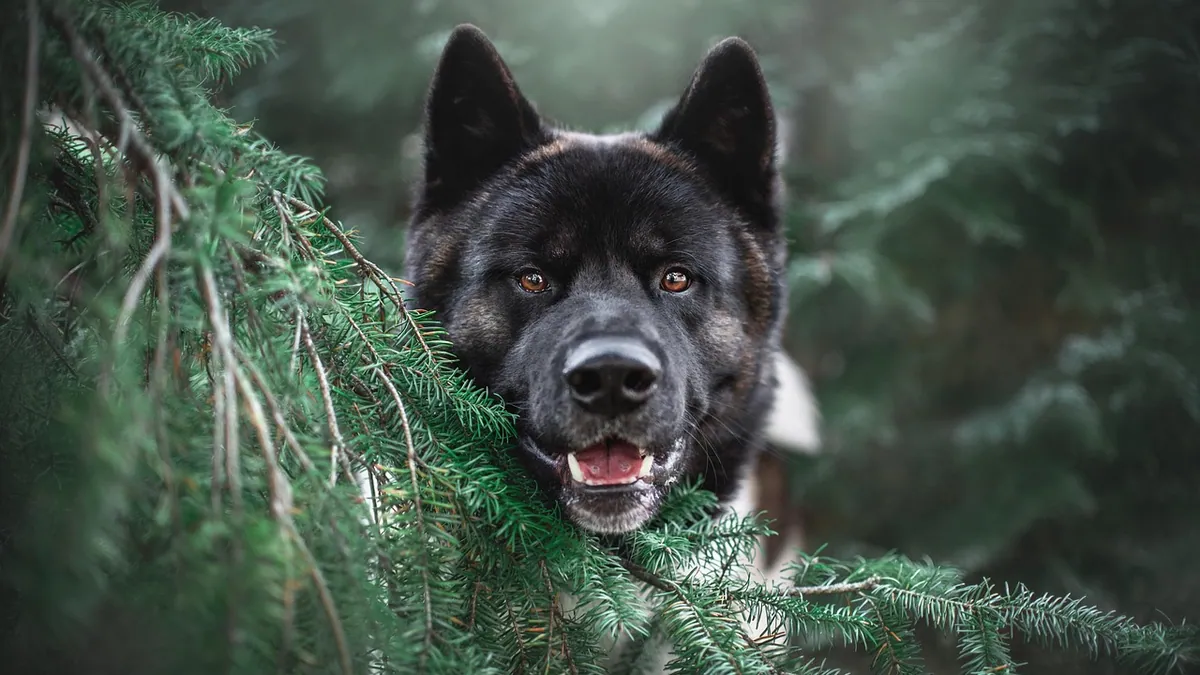
Are pine needles toxic to dogs? For most dogs, chewing or eating a few plain pine needles is not a poisoning emergency, but it is not harmless either. The bigger dangers are concentrated pine essential oils, which can cause serious reactions, and swallowed needles, which can injure or block the gut. This article is educational and is not a substitute for veterinary diagnosis or treatment.
Quick Answer
- Plain needles from most pine trees are low risk in small amounts, but the ASPCA lists one pine species, Pinus ponderosa (bull pine, yellow pine, ponderosa pine), as toxic to horses, with isocupressic acid as the toxic principle [1][2].
- Pine essential oil, pine needle oil, and concentrated pine products are the real hazard. They can irritate the mouth and gut, and some cause skin or breathing reactions [3].
- Swallowed needles are a mechanical risk. They can scratch the mouth, throat, stomach, or intestines, and a large wad of needles can cause a blockage.
- Puppies, small dogs, and dogs with sensitive stomachs are more likely to get sick from even a small amount.
- If your dog ate pine needles and is vomiting, drooling, coughing, or acting painful, call your veterinarian, the ASPCA Animal Poison Control Center at (888) 426-4435, or Pet Poison Helpline at (855) 764-7661 right away.
Are Pine Needles Toxic to Dogs?
The short answer is that plain pine needles are usually not a serious poison for dogs. The ASPCA plant records show that the toxicity concern for pine trees is mostly about horses and cattle, not dogs. Bull pine and yellow pine (both Pinus ponderosa) are listed as toxic to horses because of isocupressic acid, and cattle that eat the needles can lose a pregnancy or give birth early [1][2]. That is a livestock problem, not a typical dog problem.
Some trees called "pine" are not true pines at all. The Australian pine, also called Norfolk pine or Norfolk Island pine (Araucaria heterophylla), is listed as non-toxic to dogs, cats, and horses [4]. So if your dog nibbles a Norfolk Island pine, the plant itself is not a poison.
That does not mean you should let your dog chew pine branches all day. Needles are tough, pointy, and hard to digest. A few swallowed needles may pass through, but a lot of them can cause stomach upset or a physical blockage.
Is Pine Needle Oil Toxic to Dogs?
Yes, pine needle oil and other concentrated pine essential oils are a much bigger concern than the needles themselves. A safety review of a pine bud tincture for animal feed found that the product should be considered an irritant to skin and eyes and a skin and respiratory sensitizer [3]. That means direct contact or breathing the fumes can cause irritation or an allergic-type reaction in some animals.
Essential oils are far stronger than the tiny amount of oil in a fresh needle. A dog that licks a spilled bottle of pine oil, chews a diffuser, or swallows a gel capsule can get a much larger dose than it would from chewing a branch. Keep all essential oils, including pine and pine needle oil, locked away from pets.
Are Pine Needles Dangerous for Dogs to Eat?
They can be, mostly because of their shape and how much is eaten. A single needle is unlikely to hurt a healthy adult dog. A pile of needles, a whole branch, or holiday garland is a different story.
Sharp needles can scrape the lining of the mouth, esophagus, and stomach. If a clump of needles moves into the intestine, it can cause a partial or complete blockage. Signs of a blockage include repeated vomiting, loss of appetite, belly pain, and no bowel movements. This is a surgical problem in some cases, so do not wait it out if your dog ate a large amount.
Are White Pine Needles Toxic to Dogs?
White pine (eastern white pine) is a true pine, and there is no ASPCA record listing it as toxic to dogs. The same general rule applies. A few needles are low risk, and a large amount is a mechanical concern.
Do not confuse white pine with look-alike plants. Some evergreens and shrubs that people call "pine" are actually yew, which is highly toxic, or other species with very different risks. If you are not sure what tree your dog chewed, treat it as unknown and call for advice.
Are Pine Needles Toxic to Puppies?
Puppies are at higher risk than adult dogs for two reasons. First, their smaller body size means a small amount of any irritating substance has a bigger effect. Second, puppies explore with their mouths and are more likely to swallow things they should not.
A puppy that eats a handful of needles is more likely to vomit, drool, or gag than a large adult dog. Puppies also have less reserve if they develop a blockage or dehydration from vomiting. Call your veterinarian if a puppy ate pine needles, even if it seems like a small amount.
The Toxic Principle and What It Does in the Body
For Pinus ponderosa, the toxic principle is isocupressic acid [1][2]. In cattle, this compound is linked to premature birth and miscarriage [1][2]. The ASPCA does not list dogs as affected by this same problem, so the main dog risk from this species is still the physical needle, not the chemical.
Pine products also contain polyphenols and other plant compounds. A study of pine needle extracts found anti-inflammatory activity in laboratory testing, and a study in dogs found that a pine lignin extract reduced markers of oxidative stress and improved some sperm quality measures during heat stress [5][6]. These are research findings about specific extracts, not a reason to feed your dog pine needles. A supplement studied in a controlled trial is not the same as a branch from your yard.
The EFSA review of a pine tincture describes the product as an irritant to skin and eyes and a dermal and respiratory sensitizer [3]. In plain terms, concentrated pine material can burn or itch on contact and can trigger sneezing, coughing, or skin reactions in sensitive animals.
So there are two separate problems. One is chemical irritation from concentrated oils and tinctures. The other is mechanical injury from the needles themselves. Most dog cases involve the second problem.
Signs and Their Typical Timeline
Signs depend on how much your dog ate and whether it was plain needles or a concentrated product.
With a small amount of plain needles, you may see nothing at all. Some dogs get mild drooling, lip licking, or one episode of vomiting.
With a larger amount or a concentrated oil, watch for:
- Drooling, pawing at the mouth, or rubbing the face
- Vomiting, sometimes repeated
- Gagging, retching, or coughing
- Diarrhea
- Loss of appetite
- Belly pain, a tucked-up posture, or yelping when picked up
- Lethargy or weakness
- Skin redness, itching, or swelling after contact with oil
- Sneezing, coughing, or trouble breathing after breathing fumes
Timing varies. Mouth irritation and drooling often start within minutes to a couple of hours. Vomiting from stomach upset usually starts within a few hours. Blockage signs can take a day or more to appear, and they often get worse over time.
If your dog ate a large amount of needles or any concentrated pine oil, do not wait for signs. Call for advice right away.
What to Do Right Now
Stay calm and keep your dog quiet. Do not panic, and do not punish your dog.
- Remove your dog from the pine tree, garland, oil bottle, or diffuser.
- Check the mouth for needles stuck in the gums, tongue, or roof of the mouth. If you can see one and it comes out easily, remove it. Do not reach into the throat.
- Note what your dog ate, how much, and when. Save the package if it was a product.
- Call your veterinarian, the ASPCA Animal Poison Control Center at (888) 426-4435, or Pet Poison Helpline at (855) 764-7661.
- Do not induce vomiting unless a veterinarian tells you to. Vomiting up sharp needles can cause more damage on the way back up.
- Do not give food, milk, oil, or home remedies unless a veterinarian advises it.
- If your dog has trouble breathing, is collapsing, or has a swollen face, go to an emergency clinic now.
If you are not sure whether the plant is a problem, our guide to Plants Poisonous To Dogs can help you sort out common yard and house plants. If your dog ate something else and you are comparing risks, My Dog Ate a Pen: Is It Toxic or Just a Blockage Risk? covers a similar decision about a swallowed object.
Veterinary Treatment
Treatment depends on what your dog ate and how sick it is.
For mild cases, your veterinarian may recommend monitoring at home, a bland diet, and plenty of water. Some dogs need anti-nausea medication or fluids under the skin or in a vein.
For mouth or throat irritation, the vet may rinse the mouth, give pain relief, and check for stuck needles.
For a suspected blockage, your veterinarian will examine the belly, take X-rays or an ultrasound, and run blood work. Treatment may include intravenous fluids, medications, and surgery if the needles are stuck or the intestine is blocked.
For oil exposure on the skin, the vet may wash the coat with a mild degreasing shampoo and treat any skin reaction. For breathing signs after fume exposure, oxygen and other supportive care may be needed.
Your veterinarian calculates any medication dose from your dog's weight and health. Do not use a human product or leftover pet medication without asking first.
Outlook
The outlook is good for most dogs that eat a small amount of plain pine needles. Mild stomach upset usually settles within a day or two with supportive care.
The outlook is also good for many dogs with a blockage if the problem is found and treated early. The longer a blockage goes untreated, the higher the risk of serious complications.
Dogs with concentrated oil exposure or breathing problems need faster, more intensive care. The earlier you call, the better the chance of a smooth recovery.
Prevention and Safer Alternatives
Prevention is simple. Keep pine needles, branches, garlands, wreaths, and Christmas trees out of reach. Pick up fallen needles in the yard, especially if your dog likes to graze.
Store pine essential oils, diffusers, and cleaning products in a closed cabinet. Do not run a diffuser in a small closed room with a dog, and never apply essential oil to your dog's skin or coat.
If your dog likes to chew plants, offer safe chews and toys instead. Rotate them so there is always something interesting to mouth.
If you want to add plant-based nutrients to your dog's diet, talk to your veterinarian about a commercial dog food or a pet-specific supplement. Do not brew pine needle tea for your dog. The research on pine extracts is about specific purified compounds and feed additives, not a home remedy [5][6][3].
For more on what dogs can and cannot safely eat, see Can Dogs Eat Pineapple? Fresh vs. Canned Safety and Foods Toxic To Dogs Pdf.
Limitations and When to Contact a Veterinarian
No article can tell you what is happening inside your dog. Individual cases need a veterinarian who can examine your dog, ask questions, and run tests if needed.
Call your veterinarian the same day if your dog ate pine needles and has mild drooling, one or two episodes of vomiting, or a decreased appetite.
Go to an emergency clinic now if your dog has repeated vomiting, a swollen or painful belly, trouble breathing, collapse, a swollen face, or severe weakness.
Schedule a routine visit if your dog had a small exposure, seems fine, but you want a checkup. Bring the plant or a photo if you can.
If you are ever unsure, call the ASPCA Animal Poison Control Center at (888) 426-4435 or Pet Poison Helpline at (855) 764-7661. Both are staffed to help you decide what to do next.
Frequently Asked Questions
Will a few pine needles hurt my dog?
Usually not. A small number of plain needles from a true pine is low risk for a healthy adult dog. Watch for drooling, vomiting, or gagging, and call your veterinarian if signs appear.
Is pine needle oil worse than the needles?
Yes. Concentrated pine oil is an irritant and a skin and respiratory sensitizer, so it can cause reactions that plain needles do not. Keep all pine oils and diffusers away from your dog.
Can pine needles cause a blockage in dogs?
They can. A large wad of swallowed needles can bunch up in the stomach or intestine and block the flow of food. Signs include repeated vomiting, belly pain, and no bowel movements, and surgery is sometimes needed.
Should I make my dog throw up after eating pine needles?
No, not unless a veterinarian tells you to. Sharp needles can injure the mouth and throat on the way back up. Call for advice first.
Are all evergreen needles the same risk?
No. Different plants have very different risks, and some evergreens are far more dangerous than pine. If you do not know the plant, treat it as unknown and call for guidance.
Related Articles
- Plants Poisonous To Dogs
- Can Dogs Eat Pineapple? Fresh vs. Canned Safety
- Can You Give Your Dog Melatonin for Anxiety? Safety and Dosage
- Foods Toxic To Dogs Pdf
- My Dog Ate a Pen: Is It Toxic or Just a Blockage Risk?
- How Much Chocolate Can Be Toxic To Dogs
- Are Christmas Tree Needles Toxic to Dogs?
- Are Christmas Trees Toxic to Cats and Dogs?
- Is Christmas Tree Water Toxic to Dogs? Holiday Safety Guide
References
- Toxic and Non-toxic Plants: Bull Pine. ASPCA Animal Poison Control Center.
- Toxic and Non-toxic Plants: Yellow Pine. ASPCA Animal Poison Control Center.
- Safety and efficacy of a feed additive consisting of a tincture derived from the buds of Pinus sylvestris L. (pine tincture) for use in all animal species (FEFANA abl). EFSA journal. European Food Safety Authority, 2023.
- Toxic and Non-toxic Plants: Australian Pine. ASPCA Animal Poison Control Center.
- Anti-Inflammatory Principles from the Needles of Pinus taiwanensis Hayata and In Silico Studies of Their Potential Anti-Aging Effects. Antioxidants (Basel, Switzerland), 2021.
- Heat stress on sperm quality in dogs: effect of natural antioxidant supplementation. Frontiers in veterinary science, 2025.