Can Cats Eat Pine Pellets? Litter and Wood Safety
By Dr. Zubair Khalid, DVM, MS, PhD ·
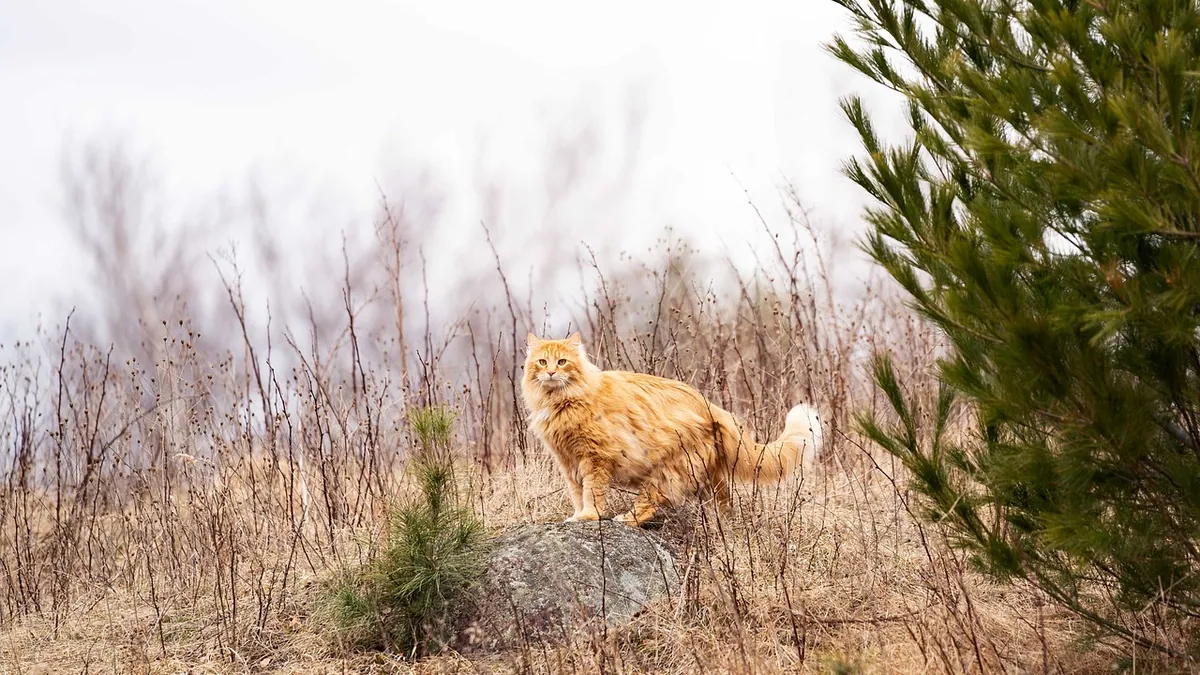
Can cats eat pine pellets? A nibble of a pine litter pellet is usually not a poisoning emergency, because the pine species used for most cat litter is not listed as toxic to cats [1]. The bigger concerns are physical, meaning a swallowed piece of wood can cause choking or a blockage, and the dust and volatile oils in pine litter can irritate some cats' airways or skin. This article is educational and is not a substitute for veterinary diagnosis or treatment.
Quick Answer
- A single swallowed pine pellet is usually less dangerous than a mouthful of them. The main risk is a physical obstruction in the throat or gut, not classic plant poisoning.
- Pine species used in commercial litter are generally not listed as toxic to cats, while some yellow pine varieties are listed as toxic to horses and linked to miscarriage in cattle [2][3][1].
- Pine contains aromatic oils and phenols. Cats are sensitive to many essential oils and volatile compounds, and a pine oil feed additive has a safe level for cats of 20 mg/kg of complete feed, which is a feed additive standard and not a dosing guide for your cat [4].
- Dusty pine litter can trigger sneezing, coughing, watery eyes, or asthma flare-ups in sensitive cats. Switch to a low-dust litter if you see these signs.
- If your cat ate several pellets, is gagging, vomiting, drooling, or straining to poop, call your veterinarian or a poison hotline right away.
Is Pine Toxic to Cats? Which Parts and Products Matter
Pine is a broad label. It covers many trees in the family Pinaceae, and the safety profile differs by species and by which part of the tree you are talking about.
The ASPCA Animal Poison Control Center lists Ponderosa pine (Pinus ponderosa), also called yellow pine, bull pine, blackjack pine, or western yellow pine, as toxic to horses [2][3]. One of those same records lists it as non-toxic to dogs, cats, and horses, with the toxic principle isocupressic acid and abortions reported in cattle but not in other species [1]. That sounds contradictory, and it reflects how plant databases are built. The practical takeaway for a cat owner is that this pine species is not flagged as a cat poison, and the cattle problem is a reproductive issue in a different species [1].
Pine pellets sold as cat litter are usually made from kiln-dried softwood sawdust compressed into cylinders. The heat and pressure drive off much of the volatile oil, which is one reason pellet litter smells mild compared with fresh pine shavings. That processing matters, but it does not make the pellets edible.
The parts that matter most for a cat are:
- The pellet itself, which is a hard, expanding piece of compressed wood
- The fine dust that comes off the pellets when a cat digs
- The aromatic oils and resin left in the wood
- Pine essential oil products, including pine white oil or turpentine oil, which are concentrated and not the same as litter [4]
Pine oil is used as a feed additive for animals at regulated levels, and the safe level calculated for cats was 20 mg/kg of complete feed [4]. That number describes a manufacturing standard for feed, not a dose you would ever give a cat. Do not use it to judge how much pine oil is safe at home.
What the Toxic Principle Does in the Body
Isocupressic acid is the compound named in the ASPCA records for Ponderosa pine [2][3][1]. In cattle, it has been linked to premature birth and miscarriage, and that effect has not been reported in cats [1]. There is no well-established body of veterinary research showing that a cat who eats a pine litter pellet absorbs enough of this compound to cause harm.
The oils in pine are a different story. Cats clear many plant oils and phenols slowly, which is why concentrated essential oils are a common concern in feline toxicology. A pine oil feed additive was evaluated for safety across species, and the cat threshold was set lower than the thresholds for dogs, horses, and most farm animals [4]. That lower number reflects how carefully cats must be dosed with aromatic plant compounds.
Then there is the mechanical problem, which is often the real danger. A dry pellet can swell slightly as it absorbs moisture. A piece lodged in the esophagus can press on the airway. A piece that reaches the stomach may pass, or it may clump with hair and other material and stall in the intestine. Wood is not digestible, so the body cannot break it down.
Signs to Watch For and Typical Timeline
Signs fall into three groups, and the timeline depends on which group you are seeing.
Airway and irritation signs tend to show up within minutes to hours of exposure to dust or oils. Watch for sneezing, coughing, wheezing, watery or red eyes, rubbing the face, or increased breathing effort. A cat with asthma may have a flare within hours of a litter change. Pine processionary moth caterpillars, which live on some pine trees, carry urticating setae that cause hives, skin swelling, conjunctivitis, and respiratory irritation in people and warm-blooded animals [5]. That is a caterpillar problem, not a pellet problem, but it explains why pine dust and pine debris deserve respect.
Mouth and throat signs appear right away. Gagging, pawing at the mouth, drooling, repeated swallowing, or a change in voice can mean a pellet is stuck.
Gut signs can take a day or more. Vomiting, loss of appetite, a painful or bloated belly, no bowel movement, or straining to defecate may point to an obstruction. Cats that stop eating and start hiding are often in more trouble than they look.
Allergy signs are less predictable. Some cats develop itchy skin, chin acne, or sneezing on pine litter. If your cat is allergic to pine pellets, the signs usually improve within days of switching to a different litter and return when you switch back. That pattern is more informative than any single test.
What to Do Right Now
If you saw your cat eat one pellet and the cat is acting normal, take the pellet away, check the mouth for any remaining pieces, and watch closely for the next 24 hours. Offer water. Do not induce vomiting unless a veterinarian tells you to.
If your cat ate several pellets, is gagging, drooling, vomiting, or breathing hard, call for help now. Your options are:
- Your own veterinarian or the nearest emergency veterinary hospital
- ASPCA Animal Poison Control Center at (888) 426-4435
- Pet Poison Helpline at (855) 764-7661
Have the product label ready if you can. Tell the veterinarian the brand, the species of pine if it is listed, how much you think was eaten, and when it happened. If you have the bag, read the ingredients and the species name on the label.
Do not give milk, oil, bread, or hydrogen peroxide. Do not try to pull a pellet out of the throat with your fingers if you cannot see it clearly, because you can push it deeper or get bitten.
Veterinary Treatment and Outlook
Treatment depends on what the veterinarian finds.
For a cat with mild mouth or airway irritation, care may be as simple as rinsing the mouth, removing the litter, and monitoring breathing. A cat with breathing difficulty may need oxygen and medications to open the airways.
For a suspected obstruction, the veterinarian will examine the abdomen, check hydration, and likely take x-rays. Wood pellets can be hard to see on plain x-rays, so ultrasound or a barium study may be needed. Some cats pass the material with supportive care, including fluids and medication for nausea. Others need surgery to remove the blockage. The veterinarian calculates any drug dose from your cat's weight and health, so no dose is given here.
For a cat with a suspected pine allergy or litter sensitivity, the plan is usually a litter change plus treatment for itchy skin or airway inflammation if needed. Your veterinarian may suggest a trial with a different substrate and a recheck in a set number of weeks.
The outlook is good for cats with mild irritation or a single small pellet that passes. The outlook is more guarded for a true intestinal obstruction, especially if treatment is delayed. Cats that are vomiting for more than a day, not eating, or acting painful need care sooner instead of later.
Prevention and Safer Alternatives
The simplest prevention is to keep the litter box and the pellet bag out of reach, and to keep the bag sealed. If your cat chews litter, that habit often points to something else, such as boredom, pica, or a diet problem. Mention it at your next exam.
If you use pine pellets and your cat is fine, you can keep using them. Scoop daily, keep the box in a ventilated spot, and pour pellets slowly to limit dust. If dust bothers you or your cat, sift the fines out or switch to a low-dust option.
If your cat has asthma, allergies, or a sensitive respiratory tract, a low-dust litter is a reasonable choice. Unscented clumping clay, paper pellets, walnut shell, and corn-based litters are common alternatives. Introduce any new litter gradually by mixing it with the old one.
Some owners ask about a cat that eats dog food or cat food from another pet's bowl, which is a different kind of diet question. If you have a dog in the house, you may also want to read Do Dogs Eat Cat Litter and Can Dogs Eat Cat Food. For cats that chew plants, Can Cats Eat Catnip? Nepetalactone and Safe Use Guide explains how a plant can be safe in small amounts and still cause signs in some cats.
Limitations and When to Contact a Veterinarian
No article can tell you whether your cat swallowed one pellet or ten, or whether a pellet is stuck. Individual cases need a veterinarian who can examine your cat.
Contact a veterinarian the same day if your cat ate several pellets, vomited once, has mild drooling, has watery eyes, or has a new cough after a litter change.
Go to an emergency clinic now if your cat is gagging and cannot clear the throat, breathing with an open mouth, breathing fast at rest, vomiting repeatedly, has a swollen or painful belly, is collapsing, or has not passed stool in more than a day with straining.
Schedule a routine visit if your cat has a long-standing habit of eating litter, has chronic sneezing or itching that you suspect is linked to pine, or needs help choosing a safer litter for asthma or allergies.
Frequently Asked Questions
Can cats eat wood pellets?
A cat can swallow a wood pellet, but wood is not food and should not be offered. The main danger is a physical blockage or choking, and the risk rises with the number of pellets eaten. If your cat eats wood pellets often, ask your veterinarian to evaluate the behavior.
Is pine litter safe for cats?
Pine pellet litter is widely used and is not flagged as toxic to cats in the ASPCA plant records for Ponderosa pine [1]. The bigger issues are dust, aromatic oils, and the chance that a cat will eat the pellets. If your cat has asthma or reacts to the smell, choose a low-dust litter instead.
Can a cat be allergic to pine pellets?
Yes, a cat can react to pine litter even when the pine itself is not poisonous. Signs include sneezing, coughing, itchy skin, and chin acne. If signs improve after you switch litters and return when you switch back, pine sensitivity is likely, and your veterinarian can help confirm it.
What should I do if my cat ate pine pellets?
If your cat seems fine after one pellet, remove the litter, check the mouth, and watch for 24 hours. If your cat is gagging, drooling, vomiting, or breathing hard, call your veterinarian or a poison hotline right away. Do not make your cat vomit unless a veterinarian tells you to.
Are pine pellets or clay litter better for a cat with breathing problems?
For a cat with asthma or a sensitive airway, a low-dust litter is usually the better choice, and that may mean clay, paper, or another substrate instead of pine. Dust is the trigger, not the pine species alone. Your veterinarian can help you plan a litter trial and monitor your cat's breathing.
Related Articles
- Can Cats Eat Catnip? Nepetalactone and Safe Use Guide
- Do Dogs Eat Cat Litter
- Can Dogs Eat Cat Food
- Can Cats Eat Crab? Shell Hazards and Sodium
- Can Cats Eat Dog Food
- Can Cats Eat Turkey? Seasoning Hazards & Fat Content
- Can Cats Eat Pellets? Litter and Feed Risks
- Is Pine Straw Toxic to Cats? Mulch and Bedding Safety
- Are Pine Needles Toxic to Cats? Christmas Tree Safety
References
- Toxic and Non-toxic Plants: Blackjack Pine. ASPCA Animal Poison Control Center.
- Toxic and Non-toxic Plants: Yellow Pine. ASPCA Animal Poison Control Center.
- Toxic and Non-toxic Plants: Bull Pine. ASPCA Animal Poison Control Center.
- Safety and efficacy of a feed additive consisting of an essential oil obtained from the oleoresin of Pinus pinaster Aiton (pine white oil) for use in all animal species (FEFANA asbl). EFSA journal. European Food Safety Authority, 2023.
- Occupational Exposure of Forest Workers to the Urticating Setae of the Pine Processionary Moth Thaumetopoea pityocampa. International journal of environmental research and public health, 2023.