Are Naphthalene Mothballs Toxic to Cats? Vet Warning
By Dr. Zubair Khalid, DVM, MS, PhD ·
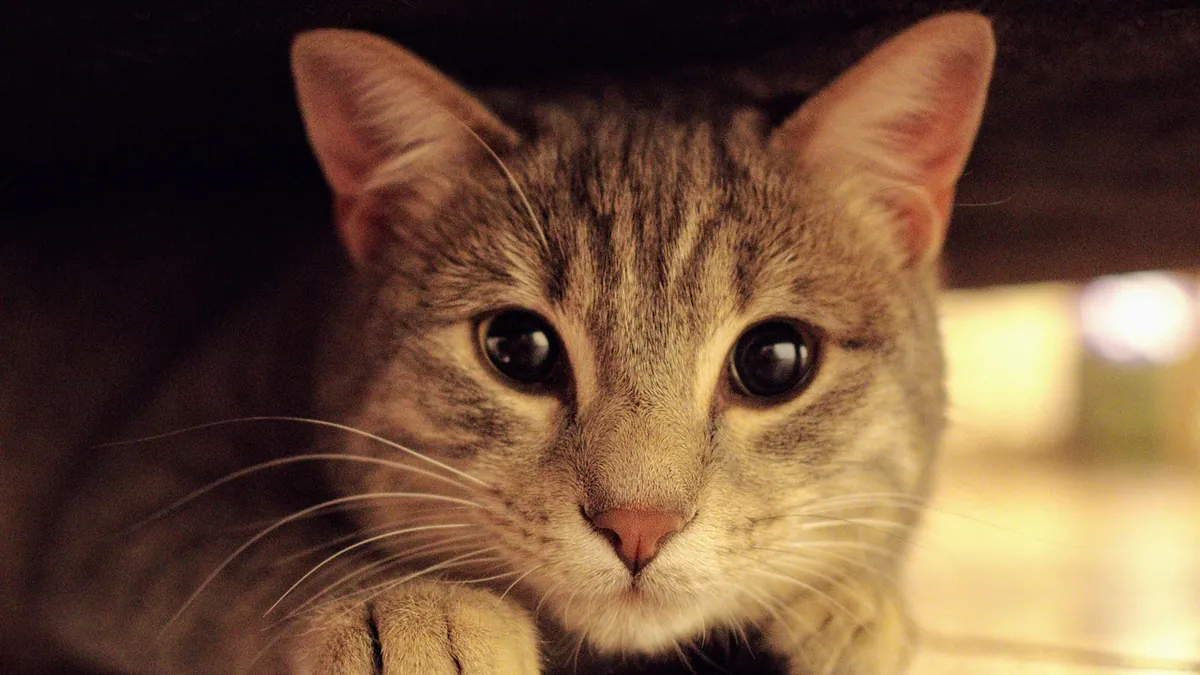
Yes, is naphthalene toxic to cats? It is highly toxic, and cats are among the most sensitive animals to it. Both eating a mothball and breathing its fumes can destroy a cat's red blood cells and cause a dangerous anemia. If you suspect any exposure, treat it as an emergency.
This article is educational and is not a substitute for veterinary diagnosis or treatment.
Quick Answer
- Naphthalene is one of the active ingredients in mothballs, and it is toxic to cats by ingestion, inhalation, and absorption through the skin [1].
- Cats are especially vulnerable because their liver handles certain chemicals poorly, so even a small exposure can cause serious harm.
- The main danger is hemolytic anemia, which means red blood cells are destroyed faster than the body can replace them.
- Signs can include weakness, pale gums, vomiting, tremors, and brown or dark urine, and they may appear within hours or over a day or two.
- If you think your cat ate a mothball or has been breathing fumes, call your veterinarian, the ASPCA Animal Poison Control Center at (888) 426-4435, or Pet Poison Helpline at (855) 764-7661 right away. Do not make your cat vomit unless a veterinarian tells you to.
Is Naphthalene Toxic to Cats?
Yes. Naphthalene is a recognized toxicant in animals, and mothballs are a common source of poisoning in pets [1]. Mothballs are small, solid, and often smell strong, which makes them tempting for a curious cat to bat around, lick, or swallow.
It helps to know that mothballs are not all the same. The active ingredients can be naphthalene, paradichlorobenzene (PDB), or camphor [1]. Camphor is considered the most toxic of the three, followed by naphthalene, then PDB [1]. So the exact risk depends on which product you have, but naphthalene is clearly dangerous on its own.
Which Products and Forms Are Risky
Mothballs are the main household product to worry about, but naphthalene also shows up in other places. It is used as an insecticide and insect repellent, and it has been used in other roles such as an antiseptic and expectorant [1]. PDB, a different mothball ingredient, is most often found in deodorizers [1]. That means a cake or block of deodorizer in a closet or bathroom can pose a similar hazard.
Any form counts. A whole mothball, a broken piece, flakes, or residue on fabric can all be a problem. Cats groom themselves, so a cat that walks across treated fabric or lies on it can swallow naphthalene while cleaning its coat.
Why Cats Are at Higher Risk
Cats are small, and their bodies clear many chemicals slowly. Naphthalene is absorbed after a cat eats it, breathes it, or gets it on the skin [1]. Because a cat's body cannot break it down and remove it quickly, the chemical stays in the bloodstream longer and has more time to damage red blood cells.
This is also why the smell alone matters. You do not need to see your cat eat anything. A cat shut in a closet, drawer, or storage bin with mothballs can be poisoned just by breathing the air.
What Naphthalene Does in the Body
The core problem is oxidative damage to red blood cells. Naphthalene is an aromatic hydrocarbon, and this class of chemicals is known to raise levels of reactive oxygen species and cause oxidative stress in cells [2]. In a cat, red blood cells are especially easy to injure this way.
When red blood cells are damaged, they rupture. This is hemolytic anemia. The body loses oxygen-carrying capacity, so organs and tissues do not get enough oxygen. The breakdown products of those destroyed cells also have to be filtered out by the kidneys and liver, which adds strain.
Some cats develop a condition in which the blood cannot carry oxygen properly, and their gums, skin, or urine may look brown or muddy. This is a medical emergency. The faster the red cells are destroyed, the faster a cat can decline.
Mothball Poisoning in Cats: Signs and Timeline
Signs depend on how much naphthalene the cat took in and how. Eating a mothball tends to cause faster, more severe signs than breathing low levels of fumes over time. Either way, watch for changes in energy, breathing, and color of the gums.
Early Signs
- Vomiting or drooling
- Weakness or reluctance to move
- Loss of appetite
- Pale gums or tongue
- Fast breathing or panting
- Unsteady walking
Signs That Mean Severe Poisoning
- Brown, tea-colored, or dark urine
- Yellow tint to the gums, skin, or whites of the eyes
- Collapse or extreme lethargy
- Tremors, twitching, or seizures
- Labored breathing
- Blue or gray tinge to the gums
How Fast Signs Appear
Timing varies with the amount and route of exposure. After eating a mothball, a cat may look normal for a short time and then worsen over hours. With ongoing inhalation of fumes, signs may build more slowly over a day or more. Because red blood cell destruction can progress, a cat that seems mildly off in the morning can be critical by evening. Do not wait to see if signs improve on their own.
What to Do Right Now
Act first, then gather information.
- Move your cat away from the source. Get your cat into fresh air and away from mothballs, treated clothing, or the closed space.
- Call for help. Contact your veterinarian, the ASPCA Animal Poison Control Center at (888) 426-4435, or Pet Poison Helpline at (855) 764-7661. These lines are staffed to guide you through a suspected poisoning.
- Do not induce vomiting unless a veterinarian tells you to. Making a cat vomit at home can cause choking, aspiration, or other injury, and it is not always the right step.
- Do not give food, milk, oil, or home remedies. These can make things worse or interfere with treatment.
- Save the packaging or the product. Knowing whether the mothball contains naphthalene, PDB, or camphor helps the veterinarian plan treatment [1].
- Keep your cat warm and calm. Stress increases oxygen demand, which is the last thing an anemic cat needs.
- Bring your cat in. If you are told to come to the clinic, go right away. Do not wait for signs to get worse.
If you have other cats in the home, keep them away from the same area and check them for signs too. Mothball exposure often affects more than one pet in a household.
How Veterinarians Treat Mothball Poisoning in Cats
Treatment is supportive and depends on how sick your cat is. Your veterinarian will start with a physical exam and questions about what your cat may have eaten or breathed.
Diagnosis
Your veterinarian may run blood work to check red blood cell counts and organ values. They may also use imaging. Radiography can help tell naphthalene mothballs apart from PDB mothballs, because PDB mothballs are densely radiopaque while naphthalene mothballs are radiolucent or only faintly radiopaque [1]. That difference can help confirm what your cat swallowed.
Treatment Steps
- Decontamination. If the exposure was recent and your cat is stable, your veterinarian may remove the material from the stomach. They decide this based on timing, the cat's condition, and the product involved.
- Oxygen support. Anemic cats often need extra oxygen.
- Intravenous fluids. Fluids support blood pressure and help the kidneys clear breakdown products.
- Blood transfusion. A severely anemic cat may need donated blood to survive.
- Medications. Your veterinarian may give drugs to control vomiting, seizures, or other problems. They calculate every dose from your cat's weight and health, so never use a dose meant for another pet or a person.
- Monitoring. Red blood cell counts can keep falling for a time even after exposure stops, so repeat testing is common.
Outlook
The outlook depends on how much naphthalene the cat absorbed, how quickly treatment started, and whether the cat has other health problems. Cats treated early often do better. Cats with severe anemia, seizures, or organ damage have a guarded outlook. Some cats need days of intensive care. Your veterinarian is the best person to give you a realistic picture for your cat.
Prevention and Safer Alternatives
Prevention is simple and it works.
- Stop using mothballs in a home with cats. Do not use them in closets, drawers, storage bins, garages, basements, or attics that a cat can reach.
- Check for hidden products. Look for deodorizer blocks and cakes, which may contain PDB [1]. Treat them the same way you would treat mothballs.
- Store treated items out of reach. If you must keep mothball-treated clothing or blankets, seal them in a container a cat cannot open, and air them outside the home before use.
- Keep cats out of storage spaces. A cat that slips into a closet or bin with mothballs can be poisoned by fumes alone.
- Use cat-safe pest control. For moths and closet pests, use physical methods such as sealing clothes in airtight bags, vacuuming, and washing fabrics in hot water. Cedar blocks and lavender sachets are popular, but keep in mind that many plant oils and plant products can also irritate cats. If you are choosing between plant-based options, check a reliable list first, such as Plants Toxic To Cats or Flowers That Are Toxic To Cats.
- Tell everyone in the home. Guests, roommates, and family members may bring mothballs in without knowing the risk. A short conversation prevents a lot of heartache.
If you garden or keep cut flowers, remember that many common plants are also toxic to cats. You can review Are Lilies Toxic to Cats? for one of the most dangerous examples.
Limitations and When to Contact a Veterinarian
No article can tell you how much naphthalene your cat absorbed or how badly it is affected. Individual cases need a veterinarian who can examine your cat, run tests, and start treatment.
Call or go in the same day if your cat:
- May have eaten a mothball or a piece of one
- Was in a closed space with mothballs or a strong mothball smell
- Has vomited, drooled, or refused food since the exposure
- Seems weak, wobbly, or more tired than usual
- Has pale gums
Go to an emergency clinic now if your cat:
- Has brown, dark, or tea-colored urine
- Has yellow gums, skin, or eyes
- Is breathing fast, hard, or with an open mouth
- Has collapsed or cannot stand
- Has tremors, twitching, or a seizure
Schedule a routine visit if your cat had brief, possible contact with a mothball but seems completely normal. Your veterinarian can decide whether blood work is needed and what to watch for at home. Do not skip this step just because your cat looks fine, because red blood cell damage can show up later.
Frequently Asked Questions
Can a cat get sick just from the smell of mothballs?
Yes. Inhalation is a recognized route of toxicosis from mothballs, so a cat can be harmed by breathing fumes in a closed space [1]. The risk is highest in small, poorly ventilated areas such as closets, drawers, and storage bins. If you can smell mothballs strongly, assume the air is not safe for a cat.
How long after exposure would a cat show signs?
Signs can appear within hours after eating a mothball, or build over a day or more with repeated fume exposure. Because the timing varies, any known or suspected exposure deserves a call to a veterinarian or poison control right away. Waiting for signs to appear can cost precious time.
Is one mothball enough to poison a cat?
A single mothball can cause serious poisoning in a cat, especially a small one. There is no safe amount to ignore, and the outcome depends on the product's active ingredient and your cat's size and health [1]. Treat any swallowed mothball as an emergency.
Are all mothballs equally dangerous to cats?
No. Camphor is considered the most toxic mothball ingredient, followed by naphthalene, then PDB [1]. All three can cause toxicosis, so the safest approach is to keep every type of mothball out of your home. If you are not sure what your product contains, save the package for your veterinarian.
Can naphthalene poisoning in cats be treated successfully?
Yes, many cats recover with prompt veterinary care, especially when treatment starts early. Severe cases may need oxygen, fluids, and a blood transfusion, and some cats do not survive. Your veterinarian can give you the most accurate outlook after examining your cat and reviewing test results.
Related Articles
- Flowers That Are Toxic To Cats
- Are Lilies Toxic to Cats?
- Plants Toxic To Cats
- Flowers Toxic To Cats
- What Flowers Are Toxic To Cats
- Are Orchids Toxic To Cats
- Is Naphthalene Toxic to Dogs? Mothball Poisoning Signs
- Are Mothballs Toxic to Dogs? Fumes and Ingestion
- Is Permethrin Toxic to Cats After It Dries? Vet Warning
References
- Toxicosis From Mothballs in Animals - Toxicology. Merck Veterinary Manual.
- Effects of naphthalene, an aromatic hydrocarbon on the molecular and anatomical characteristics of the Portulaca oleracea plant. Scientific reports, 2025.