Are Mothballs Toxic to Dogs? Fumes and Ingestion
By Dr. Zubair Khalid, DVM, MS, PhD ·
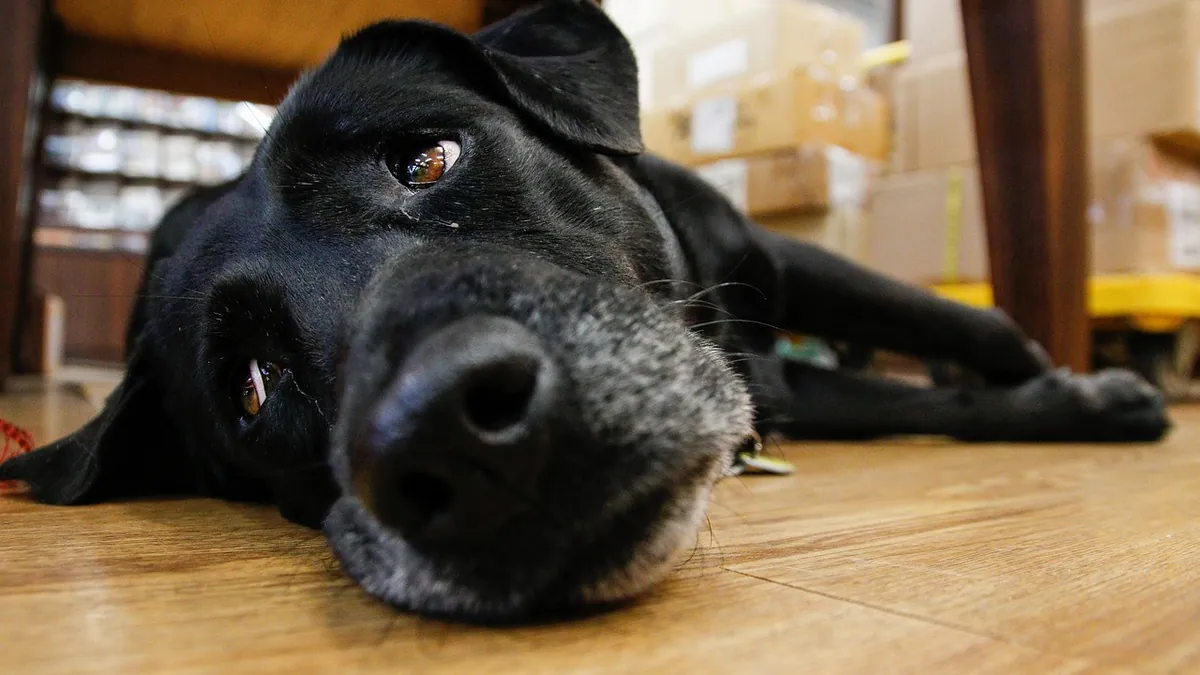
Yes, mothballs are harmful to dogs. Both common types, naphthalene and paradichlorobenzene, can poison a dog through swallowed balls or through fumes breathed in a closed space. Even a small amount can cause serious illness, so any exposure is a reason to call for help right away.
This article is educational and is not a substitute for veterinary diagnosis or treatment.
Quick Answer
- Mothballs are toxic to dogs. Camphor is the most dangerous active ingredient, followed by naphthalene, then paradichlorobenzene (PDB) [1].
- Ingestion is the most common exposure, but inhaling fumes and absorbing the chemical through the skin can also cause toxicosis [1].
- Fumes are a real risk in closed spaces like closets, cars, and storage bins where mothballs sit.
- Do not make your dog vomit unless a veterinarian tells you to. Call your vet, the ASPCA Animal Poison Control Center at (888) 426-4435, or Pet Poison Helpline at (855) 764-7661.
- Treatment works best when it starts early, and decontamination can still help hours later because mothballs dissolve slowly [1].
Is Mothballs Harmful to Dogs? The Short Answer
Yes. There is no safe way to keep mothballs around a dog. The word "mothballs" usually brings to mind round white spheres, but moth repellents also come as flakes, crystals, and cakes [1]. All of these forms can hurt a dog.
The danger is not only in eating them. A dog who sleeps in a closet, rides in a car, or noses around a storage bin full of mothballs is breathing the chemical the whole time. That is why "is mothball smell toxic to dogs" is a fair question. The smell is the chemical leaving the ball and entering the air, and your dog is inhaling it.
Dogs are also closer to the ground than you are. Vapors from mothballs can build up in low spots, and a dog's nose is right there.
Which Mothball Ingredients Are Dangerous?
Three active ingredients show up in moth repellents. From most to least toxic, they are camphor, naphthalene, and PDB [1]. All three can cause toxicosis in dogs.
Naphthalene mothballs are the old-fashioned kind, with a strong, sharp, tar-like smell. PDB mothballs are the more common modern type and have a milder, sweeter odor. You cannot reliably tell them apart by smell alone, and it does not change what you should do. Both are emergencies.
One difference matters to your veterinarian. On an X-ray, PDB mothballs show up as dense, bright white shapes, while naphthalene mothballs are see-through or only faintly visible [1]. That imaging clue can help identify which product your dog got into when the packaging is gone.
What Mothballs Do Inside a Dog's Body
The harm depends on the ingredient, but the general pattern is the same. These chemicals attack red blood cells and the nervous system.
Naphthalene and PDB both can damage red blood cells so they burst. This is called hemolytic anemia. When red cells break apart, the dog loses the ability to carry oxygen, and the body has to clear the debris. That is why a poisoned dog can look weak, pale, or yellow.
Naphthalene is also a polycyclic aromatic hydrocarbon, a family of chemicals that dogs are regularly exposed to through food and the environment [2]. That does not make mothball exposure safe. It means the chemical is well known to enter the body and get processed by the liver, and a large dose from a mothball overwhelms that system.
Camphor, the most toxic of the three, acts mainly on the brain and nervous system and can cause tremors and seizures [1].
Signs of Mothball Poisoning in Dogs
Signs can appear within hours of exposure. Watch for:
- Vomiting and drooling
- Weakness, wobbliness, or collapse
- Pale gums, or gums that look yellow
- Fast breathing or panting that does not settle
- Dark, brown, or tea-colored urine
- Tremors, twitching, or seizures
- Lack of appetite and low energy
The timeline matters. A dog who ate a mothball may vomit first, then worsen over the next several hours as the red blood cells break down. A dog who only breathed fumes in a closed space may show milder signs at first, then get worse the longer the exposure continues.
If you see any of these signs and mothballs are anywhere in your home, treat it as an exposure until proven otherwise.
What to Do Right Now
Act first, worry about blame later.
- Move your dog to fresh air immediately if fumes are the concern.
- Take the mothball container or a photo of it with you if you can. The ingredient name helps your veterinarian.
- Call your veterinarian, the ASPCA Animal Poison Control Center at (888) 426-4435, or Pet Poison Helpline at (855) 764-7661.
- Do not induce vomiting unless a veterinarian tells you to. Some exposures are safer to leave in the stomach than to bring back up, and vomiting a caustic or petroleum-based product can cause a second injury.
- Do not give food, milk, oil, or home remedies.
- Bring your dog in. Do not wait to see if signs show up.
If your dog ate something else questionable while you were cleaning, the same rule applies. Our guide on what to do when your dog eats a mushroom walks through the same call-first process.
Veterinary Treatment for Mothball Toxicosis
Your veterinarian will start with a physical exam and a history. Bring the product if you have it.
Decontamination is the most important step to prevent toxicosis, and it has two parts. First, the veterinarian may induce vomiting, then give an antiemetic to stop the vomiting. After that comes a single dose of activated charcoal with a cathartic [1]. The charcoal binds what is left in the gut so it passes out instead of being absorbed.
Timing works in your favor here. Mothballs dissolve very slowly, so decontamination can still be performed after a good amount of time has passed since ingestion [1]. That means a dog who ate a mothball six or eight hours ago may still benefit.
Beyond decontamination, care is supportive and depends on the signs. That can include intravenous fluids, oxygen, blood work to track red blood cells and organ values, medications to control seizures, and in severe anemia cases a blood transfusion. Your veterinarian calculates any drug dose from your dog's weight and health, not from a number on the internet.
X-rays may be taken to look for the dense white shapes of PDB mothballs, which can confirm the type of exposure [1].
Outlook After Exposure
The outlook depends on three things: which ingredient, how much, and how fast treatment started.
Dogs treated early, before red blood cells are badly damaged, often do well. Dogs who arrive already pale, collapsed, or seizing have a harder road, and some do not survive. Camphor exposures carry the highest risk because of the nervous system effects [1].
If your dog is sent home, expect follow-up blood work. Hemolytic anemia can worsen over the first day or two even after treatment starts, so a dog who looks fine at discharge still needs a recheck.
Preventing Mothball Poisoning
The simplest prevention is to stop using mothballs in any home with a dog.
If you must deal with a moth problem, choose a method that does not leave a toxic residue where your dog lives. Wash and air out stored clothing and blankets. Store woolens in sealed containers. Cedar and lavender are common alternatives, though their repellent effect is weaker than mothballs. Whatever you choose, keep it out of reach and out of the air your dog breathes.
If mothballs are already in your home, remove them today. Air out the space thoroughly before letting your dog back in. Check closets, garages, basements, cars, and storage bins, because mothballs get knocked loose and roll under things.
A dog who will eat almost anything needs a second layer of protection. Our article on plants poisonous to dogs covers the same "keep it out of reach" habit for a different set of household hazards.
Limitations and When to Contact a Veterinarian
This article covers the general pattern. Your dog is an individual, and only a veterinarian who examines your dog can tell you what is happening and what to do.
Call or go in the same day if your dog ate a mothball, licked one, or spent time in a closed space with them, even if your dog seems normal right now.
Go to an emergency clinic now if you see pale or yellow gums, collapse, trouble breathing, seizures, tremors, or dark urine. Do not drive around looking for a regular appointment.
Schedule a routine visit if you are not sure whether an exposure happened, or if your dog has been lethargic or off their food since you cleaned out a closet. Bring the product label.
Frequently Asked Questions
Are mothballs safe for dogs if they are kept in a sealed container?
No. Sealed containers reduce fumes but do not remove the risk, because a determined dog can chew or knock the container open. The only reliable protection is to keep mothballs out of the home entirely.
Will mothballs hurt dogs if the dog only sniffed them?
Sniffing alone is unlikely to cause poisoning, but breathing fumes in a closed space for a while can. If your dog was shut in a closet or car with mothballs, treat it as an exposure and call for advice.
How long after eating a mothball would a dog show signs?
Signs often start within a few hours, but the timeline varies with the amount and the ingredient. Because mothballs dissolve slowly, a dog can still be absorbing the chemical many hours later, which is why treatment can help even after a delay [1].
Can a dog recover from mothball poisoning?
Yes, many dogs recover with prompt treatment. Recovery is more likely when the exposure is caught early and the dog is not already showing severe anemia or nervous system signs.
What should I do with mothballs if I have a dog at home?
Remove them and dispose of them according to the label directions. Air out the area well before your dog returns, and check low corners and under furniture where a stray ball could roll.
Related Articles
- Are Tarantulas Poisonous to Dogs? Understanding the Risks
- My Dog Ate a Mushroom: How to Tell If It's Toxic
- Are Tarantulas Dangerous to Dogs?
- My Dog Ate a Peach Pit: Is It a Choking Hazard or Toxic?
- Plants Poisonous To Dogs
- Foods Toxic To Dogs Pdf
- Is Naphthalene Toxic to Dogs? Mothball Poisoning Signs
- Are Naphthalene Mothballs Toxic to Cats? Vet Warning
- Is Alcohol Toxic to Dogs? Ethanol, Sugar Alcohols, and Risks
References
- Toxicosis From Mothballs in Animals - Toxicology. Merck Veterinary Manual.
- Dietary exposure to polycyclic aromatic hydrocarbons in pets: Evidence from urinary biomonitoring. Environmental research, 2025.