Is Mushroom Compost Toxic to Cats? What to Know
By Dr. Zubair Khalid, DVM, MS, PhD ·
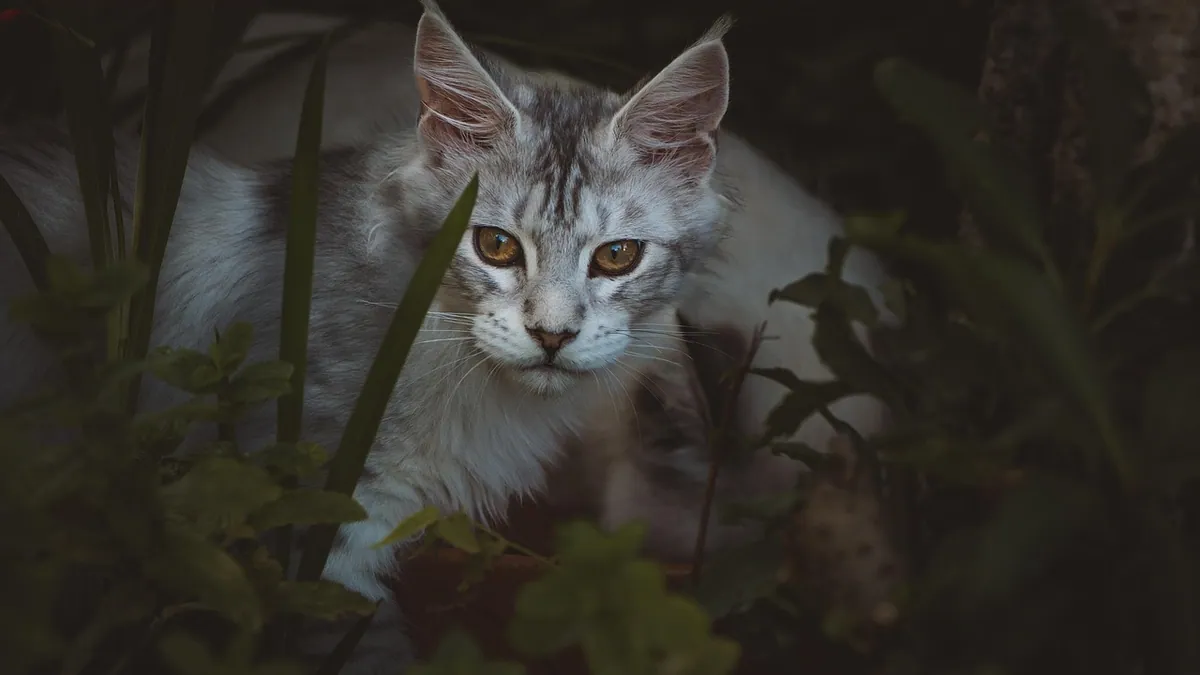
Is mushroom compost toxic to cats? Yes, it can be. The compost itself can grow molds that produce toxins, and any mushrooms sprouting from it may also be poisonous. Because you cannot tell a safe mushroom from a dangerous one by looking, treat all of it as a hazard for your cat.
This article is educational and is not a substitute for veterinary diagnosis or treatment.
Quick Answer
- Assume every mushroom your cat can reach is toxic, including ones growing out of a compost pile or indoor kit [1].
- The real danger in compost is often mold, which can produce tremorgenic mycotoxins that cause tremors, wobbling, and seizures [2].
- Signs can start in 15 to 30 minutes after a cat eats a mushroom, or take up to 24 hours to appear [1].
- Call your veterinarian, the ASPCA Animal Poison Control Center at (888) 426-4435, or Pet Poison Helpline at (855) 764-7661 right away if your cat ate any part of it.
- Do not make your cat vomit unless a veterinarian tells you to.
Is Mushroom Compost Toxic to Cats?
Mushroom compost is spent mushroom substrate, the leftover material from growing mushrooms. It is mostly broken-down plant fiber, mushroom mycelium, and some minerals [3]. On its own, that mix is not a listed poison. The risk comes from what grows in it and what it is made of.
The mushrooms themselves
North America has more than 100 species of poisonous mushrooms, and many of them look almost identical to safe ones [1][4]. The most common culprits in confirmed poisonings belong to the Amanita, Galerina, and Lepiota groups [1][4]. A mushroom kit sold for home growing usually contains a known edible species, but once the kit is spent and sitting in a bin or yard, wild mushrooms can move in. You have no reliable way to identify what is growing there by sight. The safe rule from poison control experts is simple: treat any mushroom your cat encounters as poisonous unless it was purchased for human consumption [4].
The compost pile itself
Compost is a separate hazard from the mushrooms. Piles of decaying organic matter and molding food can grow tremorgenic mycotoxins, which are poisons made by molds [2]. These toxins affect pets and wildlife alike [2]. Compost that contains dairy or meat is more likely to grow dangerous mold, which is why compost should never include those items [2]. Even a well-managed pile can develop moldy pockets, especially in warm, damp weather.
Indoor mushroom kits
An indoor kit is lower risk than an outdoor pile because it is contained and the growing medium is usually pasteurized. Still, a curious cat can dig in the box, eat the mycelium, or chew a mushroom. Keep kits on a shelf your cat cannot reach, and throw spent substrate in a closed bin instead of an open indoor compost pail.
What Is the Toxic Principle and What Does It Do?
There are two separate problems, and they act differently in the body.
Poisonous mushrooms contain a range of toxins, and the type depends on the species. Some toxins damage the liver, some attack the nervous system, and some irritate the stomach and intestines. Because identification is so hard, veterinarians usually treat mushroom ingestion as a serious exposure until proven otherwise [1][4].
Tremorgenic mycotoxins from mold are different. They target the nervous system and cause fine muscle tremors that can progress to full-body shaking, wobbling, and seizures [2]. There is no antidote for compost poisoning [2]. Treatment is supportive, which means the veterinary team controls the tremors and supports the body while the toxin clears.
One more point worth knowing: cats are obligate carnivores, and their bodies handle plant material and environmental contaminants differently than dogs do. Research on heavy metals in commercial cat foods found that cats can be exposed to metals through their diet, though levels in the tested diets stayed below regulatory limits [5]. This does not mean compost is safe. It means a cat's body is not built to process plant-based or moldy material, so any exposure deserves attention.
Signs of Mushroom Compost Poisoning in Cats
Signs depend on what your cat ate and how much. Watch for any of these:
- Vomiting and diarrhea
- Drooling or foaming at the mouth
- Tremors, twitching, or full-body shaking
- Wobbling, staggering, or trouble walking
- Weakness or collapse
- Seizures
- Fast or irregular heartbeat
- Breathing trouble
- Yellowing of the gums, skin, or eyes (a liver sign)
- Lethargy or hiding
How fast do signs appear?
Some mushrooms cause signs within 15 to 30 minutes of ingestion, while others take up to 24 hours to show any effect [1]. That gap matters. A cat who looks fine an hour after eating something suspicious is not out of danger. Mold-related tremors from compost can also come on suddenly, and the timeline varies with how much moldy material was eaten.
If you see tremors or seizures, that is an emergency. Do not wait to see if it passes.
What to Do Right Now
- Move your cat away from the compost or kit and remove any plant material from the mouth if you can do it safely.
- Call your veterinarian, the ASPCA Animal Poison Control Center at (888) 426-4435, or Pet Poison Helpline at (855) 764-7661. These lines are staffed around the clock and can guide you.
- Save a sample. Put any leftover mushroom, compost, or vomit in a sealed bag or container. Identification helps, even though treatment often starts before a species is confirmed.
- Do not induce vomiting unless a veterinarian tells you to. Making a cat vomit at home can cause choking, aspiration, or injury, and it is the wrong move for some toxins.
- Go to the clinic when told to. Bring the sample with you.
If your cat is having a seizure, keep them away from stairs and furniture edges, do not put your hands near the mouth, and get to an emergency hospital immediately.
How Veterinarians Treat Mushroom Compost Poisoning
Treatment starts with decontamination. Depending on how recently your cat ate and how they are doing, the veterinarian may induce vomiting or perform gastric lavage (stomach pumping) [2]. Never do either of these at home on your own.
From there, care is supportive and depends on the signs:
- Hospitalization for temperature control and cooling measures if needed [2]
- IV fluids to support circulation and help the body clear toxins [2]
- IV muscle relaxants to stop tremoring [2]
- Anti-seizure medication if seizures occur [2]
- Blood work to check liver values, kidney values, and electrolytes
- Monitoring for complications such as clotting problems or aspiration pneumonia [2]
Your veterinarian calculates any medication dose from your cat's weight, current health, and the signs being treated. There is no single dose that fits every cat.
Outlook After Exposure
The outlook depends on the toxin, the amount eaten, and how fast treatment starts. For compost-related tremorgenic mycotoxin poisoning, most pets recover well within 24 to 48 hours with prompt decontamination, IV fluids, and muscle relaxant therapy, as long as no complications develop [2]. That timeline comes from cases in dogs, and cats may respond differently, so your veterinarian will set expectations for your cat.
Mushroom poisonings are harder to predict because the species is often unknown. Liver-damaging mushrooms can cause problems that show up a day or more later, which is why follow-up blood work matters even if your cat seems normal after treatment.
Prevention and Safer Alternatives
Prevention is straightforward once you know where the risks live.
Fence or cover the compost
Compost should always be fenced off or secured so pets and wildlife cannot get into it [2]. Use a bin with a locking lid instead of an open pile. Keep dairy and meat out of the compost entirely, since those items raise the mold risk [2].
Handle spent mushroom substrate carefully
When a kit finishes producing, bag the substrate and put it in a closed trash can. Do not spread it in a garden bed your cat can reach, and do not leave it in an open indoor pail. If you use it outdoors, till it into soil in an area your cat cannot access.
Manage outdoor access
Monitor your cat's time outdoors closely, especially in fall when wild mushrooms appear [1]. If your cat roams, do a sweep of the yard and remove mushrooms before letting them out. For cats who stay inside, check potted plants and any indoor growing setup.
Know your other household risks
Compost is one of many things cats get into. If you garden, it helps to know which plants and flowers are dangerous too. You can read more about Plants Toxic To Cats and Flowers That Are Toxic To Cats. If you keep lilies anywhere in the house, that is a separate and serious concern, covered in Are Lilies Toxic to Cats?.
Skip mushrooms in your cat's bowl
Do not add mushrooms to your cat's food, and do not let them sample wild ones or any mushroom of unknown origin [4]. Cats do not need mushrooms in their diet, and the risk is not worth it.
Limitations and When to Contact a Veterinarian
No article can tell you what your individual cat ate or how their body will respond. Individual cases need a veterinarian who can examine your cat, run tests, and treat what they find.
Call an emergency hospital now if your cat has:
- Seizures or tremors
- Trouble breathing
- Collapse or extreme weakness
- Repeated vomiting with drooling
- Yellow gums, skin, or eyes
Call your veterinarian the same day if your cat:
- Ate any mushroom or moldy compost, even if they seem fine
- Has mild vomiting or diarrhea after being near a compost pile
- Has a change in appetite or energy after outdoor time
Schedule a routine visit if:
- You are not sure whether your cat was exposed but you found chewed mushrooms or disturbed compost
- Your cat had a treated exposure and needs follow-up blood work
When in doubt, call. Poison control lines and veterinary teams would much rather answer a question about a cat who is fine than treat a cat who waited too long.
Frequently Asked Questions
Can cats eat mushrooms from the grocery store?
No, it is best to keep all mushrooms out of your cat's diet. Even mushrooms sold for human consumption are not a cat food, and the habit of eating mushrooms can lead a cat to sample wild ones later [4]. Treat every mushroom as off limits.
Are all wild mushrooms dangerous to cats?
You should assume they are. With over 100 poisonous species in North America and many lookalikes, there is no safe way to identify a mushroom by eye [1][4]. The Amanita, Galerina, and Lepiota groups cause most confirmed poisonings [1].
Can my cat get sick just from walking on compost?
Walking through it is low risk if your cat does not lick their paws afterward. The danger is eating the material. Cats who groom their feet after stepping in a moldy pile can swallow spores and mold fragments, so wipe paws if your cat has been in a compost area.
Does cooking or composting destroy the toxins?
Composting does not reliably destroy mushroom toxins or mold toxins. In fact, the composting process is what allows tremorgenic molds to grow in the first place [2]. Heat from a compost pile is not a safety guarantee, so never assume spent substrate is harmless.
How long should I watch my cat after exposure?
Watch for at least 24 hours, and follow your veterinarian's advice on follow-up. Some mushroom toxins cause signs within 15 to 30 minutes, while others take up to 24 hours to appear [1]. If your cat was treated, ask your veterinarian when to recheck blood work, since liver and kidney changes can show up later.
Related Articles
- Plants Toxic To Cats
- What Plants Can Be Toxic To Cats
- Flowers That Are Toxic To Cats
- What Plants And Flowers Are Toxic To Cats
- Are Lilies Toxic to Cats?
- House Plants Toxic To Cat
- Are Wild Mushrooms Toxic to Cats? What to Do
- Are Button Mushrooms Toxic to Cats?
- Can Cats Eat Mushrooms? Raw, Cooked, and Pizza Risks
References
- Are Mushrooms Bad for Cats. Pet Poison Helpline.
- Compost Bins Can Be Toxic To Pets. Pet Poison Helpline.
- Biochar immobilized plant growth-promoting rhizobacteria enhanced the physicochemical properties, agronomic characters and microbial communities during lettuce seedling. Frontiers in microbiology, 2023.
- Can Cats Eat Mushrooms. Pet Poison Helpline.
- Comparison of As, Cd, Cu, Fe, and Pb levels in dry cat foods containing different protein sources (poultry, fish, red meat) and in cats consuming these diets. Veterinary research communications, 2026.