Can Cats Eat Mushrooms? Raw, Cooked, and Pizza Risks
By Dr. Zubair Khalid, DVM, MS, PhD ·
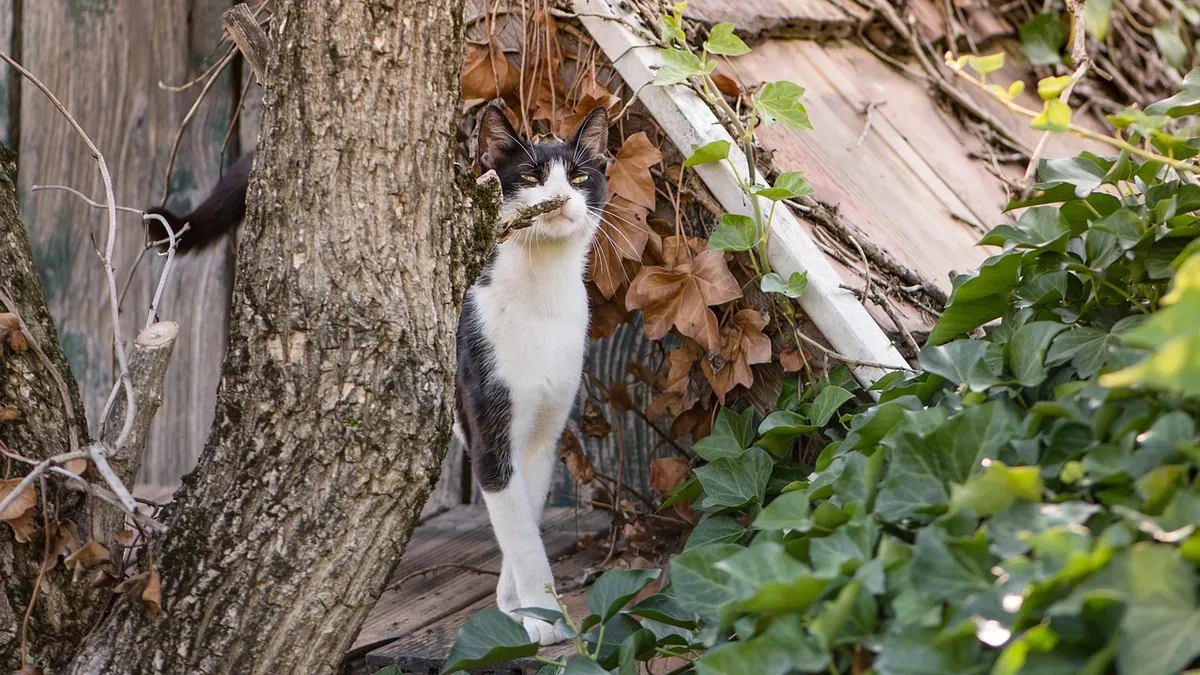
Can cats eat mushrooms? For most cats, the answer is no. A plain, cooked button mushroom from the grocery store is not poisonous to a cat, but it offers almost no nutritional value, and any wild mushroom should be treated as toxic [1]. The real danger comes from misidentified wild species and from the onion, garlic, salt, and other additives in dishes made for people.
This article is educational and is not a substitute for veterinary diagnosis or treatment.
Quick Answer
- Treat every wild or unidentified mushroom as poisonous. North America has over 100 poisonous mushroom species, and many look nearly identical to safe ones [1].
- Plain cooked button, cremini, or portobello mushrooms are not toxic to cats, but they are not a needed food and can cause stomach upset.
- Raw mushrooms are a choking and GI risk and may carry bacteria or parasites from soil.
- Pizza and other cooked dishes are the bigger problem because of onion, garlic, salt, oil, and dairy.
- If your cat ate any wild mushroom, call your veterinarian or a pet poison hotline right away, even if your cat seems fine [2].
Are Mushrooms Safe or Unsafe for Cats?
The short answer is that it depends entirely on which mushroom and how it was prepared. The safest rule is to assume that any mushroom your cat finds outdoors is poisonous [1][2]. Mushroom identification is genuinely difficult, even for trained people, and a cat cannot tell you what it ate.
Cats are obligate carnivores. Their bodies are built to get nutrients from animal tissue, not plants or fungi. A mushroom is not a food group your cat needs, and there is no nutritional gap that mushrooms fill in a normal, balanced cat diet.
That said, not every mushroom is a poison. The common white button mushroom sold in American grocery stores (Agaricus bisporus) is edible for people and is not considered toxic to cats. The problem is that "not toxic" is not the same as "good for your cat." A small piece of plain cooked button mushroom is unlikely to hurt most cats, but it also does nothing useful.
The mushrooms that actually harm cats fall into a few groups. The most dangerous are the Amanita species, along with Galerina and Lepiota, which account for most confirmed mushroom poisonings in pets [1][2]. Some of these cause liver failure, and signs can take many hours to appear. Others cause vomiting, diarrhea, drooling, tremors, or neurologic signs.
Timing matters. Some mushrooms cause signs within 15 to 30 minutes of ingestion, while others take up to 24 hours before anything looks wrong [2]. A cat that seems completely normal an hour after eating a wild mushroom can still become seriously ill later.
Can Cats Eat Mushrooms Cooked?
Cooked mushrooms are not automatically safer than raw ones. Cooking destroys some toxins in some species, but it does not make a poisonous mushroom safe, and it does not remove the additives that cause most of the trouble in cooked dishes.
If you are talking about a plain button mushroom that you cooked in water or a little plain oil with no seasoning, a tiny piece is unlikely to poison your cat. Still, there is no reason to feed it. Cooked mushrooms are soft and easy to swallow, which lowers the choking risk compared with a firm raw chunk, but they can still cause vomiting or diarrhea in a cat whose gut is not used to them.
The bigger issue is what comes with the mushroom. Restaurant and home-cooked mushroom dishes often contain:
- Onion and garlic, which damage red blood cells in cats and can lead to anemia. This is true for raw, cooked, and powdered forms.
- Salt and soy sauce, which can cause excessive thirst, vomiting, and in severe cases salt poisoning.
- Butter, cream, and cheese, which can trigger vomiting and diarrhea in lactose-intolerant cats.
- Oil and grease, which can cause pancreatitis in sensitive cats.
- Xylitol, a sugar alcohol found in some sugar-free sauces and dressings. Xylitol is a well-known and dangerous dog poison that causes low blood sugar and liver failure. A controlled study in cats did not find the same effects, so it is not considered highly toxic to cats the way it is to dogs. Even so, sugar-free products do not belong in a cat's diet.
If you want to give your cat a plain, unseasoned piece of a grocery-store mushroom, keep it to a pea-sized bite and watch for stomach upset. If the mushroom came from a yard, a park, or a forest, do not feed it at all.
Can Cats Eat Mushrooms Raw?
Raw mushrooms are riskier than cooked ones for a few reasons. First, a firm raw piece is a choking hazard, especially for a cat that gulps food. Second, raw mushrooms can carry soil bacteria and parasite eggs, and a cat's digestive tract is not designed to handle those.
Raw wild mushrooms are the worst case. You cannot tell a safe mushroom from a deadly one by looking at it, and many toxic species look like edible ones [1]. A single bite of the wrong mushroom can cause organ failure.
There is also a specific allergy concern. A published case report described a person who developed facial swelling, lip swelling, trouble breathing, cough, and trouble swallowing minutes after eating a mushroom pizza made with Agaricus bisporus [3]. That was a human case, not a cat, and mushroom allergy in cats is not well established in veterinary research. Still, it is a reminder that even a "safe" mushroom species can trigger a serious reaction in a sensitive individual.
If your cat licks or nibbles a raw mushroom you dropped on the floor, that is usually not an emergency by itself. If the mushroom came from outside, treat it as a possible poisoning and call for advice.
Can Cats Eat Mushrooms From Pizza?
No. Pizza is one of the worst ways to share mushrooms with a cat. The mushroom itself is not the main problem. The toppings are.
Pizza sauce and toppings commonly contain onion and garlic, which are toxic to cats. Cheese and grease can cause vomiting, diarrhea, and pancreatitis. The crust and sauce add salt and sugar a cat does not need. A single small piece of mushroom-topped pizza is unlikely to kill a healthy cat, but it can absolutely cause a sick stomach, and a larger amount of onion or garlic can cause anemia.
If your cat ate a piece of mushroom pizza, note how much and when, and check whether the pizza had onion or garlic. Call your veterinarian or a pet poison hotline for guidance. If your cat ate a lot of pizza, or if the pizza contained a lot of onion or garlic, that is a same-day call at minimum.
If you are looking for safer human foods to share, our guide to Can Cats Eat Salmon? Cooked vs Raw Thiaminase Risks covers a protein that fits a carnivore diet far better than any fungus.
Can Cats Eat Mushrooms and Onions Together?
No. Onion and garlic are toxic to cats in all forms, including raw, cooked, dried, and powdered. They damage red blood cells and can cause a condition called Heinz body anemia. Signs can include weakness, pale gums, fast breathing, and dark urine, and they may not show up for a day or two after the meal.
Mushrooms are often cooked with onion and garlic, which is exactly why a "mushroom dish" is a bad share for a cat even when the mushroom itself is a safe grocery-store variety. If your cat ate a dish containing both, the onion and garlic are the part that worries a veterinarian most.
Can Kittens Eat Mushrooms?
No. Kittens should not eat mushrooms at all. Their bodies are small, their digestive systems are still developing, and a tiny amount of a toxin or an additive goes a lot further in a two-pound kitten than in an adult cat.
Kittens are also more likely to chew on things they find, including mushrooms in a yard or on a walkway. Keep kittens indoors or supervised outdoors, and pick up any mushrooms growing in your yard before a kitten can reach them.
Nutritional Value and Any Real Benefit
Mushrooms do contain fiber, B vitamins, and compounds like beta-glucans. Beta-glucans are the subject of real research in cats. A 2026 study in the Journal of Animal Science tested a mushroom-based beta-glucan blend (turkey tail, reishi, and lion's mane extracts plus bovine colostrum) in healthy adult cats and looked at gut health and immune markers over 12 weeks [4]. That study used a specific manufactured supplement, not mushrooms from a grocery store or a yard, and it does not mean you should feed your cat mushrooms.
There is no established nutritional reason to add mushrooms to a cat's diet. Cats need animal-based protein, fat, and a set of vitamins and minerals that a complete commercial diet already provides. If you are curious about plant foods in general, our article on Can Cats Eat Strawberries? Nutritional Benefits and Risks explains how to think about treats that are not meat.
One more point on food safety: commercial pet foods can contain low levels of mycotoxins, which are toxins produced by molds. A 2026 screening of commercial dog and cat foods found that levels of several mycotoxins stayed below existing guidance values and maximum limits, but cat immune cells were more sensitive than dog cells to some of these compounds in laboratory testing [5]. This is about mold contamination in manufactured food, not about mushrooms you might feed by hand, but it shows why food quality matters for cats.
Risks of Feeding Mushrooms to Cats
| Form | Safe? | Notes |
|---|---|---|
| Wild mushroom, any kind | No | Treat as toxic. Over 100 poisonous species in North America [1]. |
| Raw grocery button mushroom | Not recommended | Choking risk, soil bacteria, no benefit. |
| Plain cooked button mushroom | Not recommended | Not toxic, but can cause GI upset and adds nothing. |
| Mushroom cooked with onion or garlic | No | Onion and garlic damage red blood cells. |
| Mushroom pizza | No | Onion, garlic, cheese, grease, salt. |
| Mushroom supplement made for cats | Only if your vet approves | Research used a specific product, not table mushrooms [4]. |
The main risks break down like this:
- Toxicity. Amanita, Galerina, and Lepiota species cause most confirmed poisonings, and some lead to liver failure [1][2].
- GI upset. Vomiting and diarrhea are the most common signs after a mushroom meal, even with non-poisonous species [6].
- Choking. Firm raw pieces can lodge in the throat, especially in cats that eat fast.
- Additives. Onion, garlic, salt, oil, dairy, and xylitol in sugar-free products are all reasons to keep people food away from your cat.
- Bacteria and parasites. Raw mushrooms grow in soil and can carry contaminants.
What to Do If Your Cat Ate a Mushroom
Act based on what your cat ate, not on how your cat looks right now.
If your cat ate a wild mushroom, call your veterinarian or a pet poison hotline immediately. Do not wait for symptoms. Some toxins take up to 24 hours to cause signs, and by then treatment is harder [2].
If your cat ate a plain cooked grocery mushroom, watch for vomiting, diarrhea, drooling, or loss of appetite over the next day. Call your vet if any of those appear.
If your cat ate pizza or a dish with onion or garlic, call your vet the same day. Bring the information about how much your cat ate and when.
If your cat ate a large amount of anything, or is showing weakness, tremors, trouble breathing, or collapse, go to an emergency clinic now.
Do not try to make your cat vomit at home unless a veterinarian tells you to. Some mushrooms and some additives cause more damage coming back up, and the timing and method matter.
If you can, save a piece of the mushroom or a photo of it, plus any packaging. A veterinarian or a mushroom expert may be able to identify it, which changes treatment.
How to Offer Mushrooms Safely (and What to Avoid)
The safest approach is simple: do not feed your cat mushrooms. If you insist on offering a taste, follow these rules.
- Use only a mushroom you bought at a grocery store for human consumption. Never a wild one [1].
- Cook it plain, with no oil, butter, salt, onion, garlic, or sauce.
- Cut it into a pea-sized piece to reduce choking risk.
- Offer it once and watch for 24 hours.
- Never feed the stem base or any part with soil still attached.
Avoid entirely: wild mushrooms, raw mushrooms, mushroom pizza, mushroom soup, stuffed mushrooms, mushroom sauces, and any mushroom product marketed for people.
Safer Alternatives
If you want to give your cat a treat, choose something that fits a carnivore. Small pieces of plain cooked chicken, plain cooked salmon, or a commercial cat treat are better choices. Our guide to Can Cats Eat Shrimp? Raw Shellfish Bacteria Hazards covers another seafood option and the cooking rules that make it safer. For a non-food treat, many cats enjoy catnip, and our article on Can Cats Eat Catnip? Nepetalactone and Safe Use Guide explains how it works.
Limitations and When to Contact a Veterinarian
Mushroom poisoning is hard to predict. The species usually cannot be confirmed, the amount eaten is often unknown, and signs can be delayed by up to a day [2]. A retrospective study of 421 mushroom ingestions in dogs found that 45% involved non-poisonous mushrooms, about 64% of cases were managed at home, and the survival rate was 98.6% [6]. That study was in dogs, not cats, and it does not mean a mushroom meal is safe for your cat. It does show that outcomes depend heavily on the species involved and how fast treatment starts.
Call your veterinarian or a pet poison hotline the same day if your cat ate a wild mushroom, ate a dish with onion or garlic, or has vomited or had diarrhea after eating any mushroom.
Go to an emergency clinic now if your cat has tremors, seizures, weakness, collapse, trouble breathing, pale gums, drooling that will not stop, or yellowing of the eyes or gums.
Schedule a routine visit if your cat had a mild stomach upset that has passed, so your veterinarian can check bloodwork and confirm there is no delayed effect.
Every case is different. Your veterinarian needs to examine your cat and may run bloodwork to decide on treatment. No article can replace that.
Frequently Asked Questions
Can cats eat mushrooms safely if they are cooked?
Plain cooked grocery-store mushrooms are not toxic to cats, but they are not a safe or useful food to offer. They can cause vomiting or diarrhea, and cooked dishes often contain onion, garlic, salt, and oil that are harmful. Skip them.
What happens if a cat eats a poisonous mushroom?
Signs range from vomiting and diarrhea to drooling, tremors, and organ failure, depending on the species. Some mushrooms cause signs within half an hour, while others take up to a day. Call a veterinarian or pet poison hotline right away, before signs start.
Is a single bite of mushroom dangerous for a cat?
It can be, if the mushroom is a toxic species. There is no reliable way to judge by size or appearance. Treat any wild mushroom bite as a possible poisoning and get advice the same day.
Can cats eat mushrooms from a can or jar?
Canned and jarred mushrooms are usually packed with salt, and some include onion or garlic powder. None of that belongs in a cat's diet. If your cat licked a small amount, watch for stomach upset and call your vet if signs appear.
Do cats need mushrooms in their diet?
No. Cats are obligate carnivores and get everything they need from a complete commercial diet or a properly balanced home-prepared diet. Mushrooms are not a required nutrient source, and the beta-glucan research used a specific supplement, not table mushrooms [4].
Related Articles
- Can Cats Eat Salmon? Cooked vs Raw Thiaminase Risks
- Can Cats Eat Uncooked Hot Dogs? Risks and Safer Options
- Can Cats Eat Strawberries? Nutritional Benefits and Risks
- Can Cats Eat Catnip? Nepetalactone and Safe Use Guide
- Can Cats Eat Shrimp? Raw Shellfish Bacteria Hazards
- Can Cats Eat Crab? Shell Hazards and Sodium
- Are Wild Mushrooms Toxic to Cats? What to Do
- Is Mushroom Compost Toxic to Cats? What to Know
- Can Cats Eat Pizza? Crust, Cheese and Sauce
References
- Can Cats Eat Mushrooms. Pet Poison Helpline.
- Are Mushrooms Bad for Cats. Pet Poison Helpline.
- Anaphylaxis to Agaricus bisporus ingestion. Einstein (Sao Paulo, Brazil), 2020.
- Effects of a mushroom-based β-glucan blend on the gastrointestinal health and immune function of healthy adult cats. Journal of animal science, 2026.
- In vitro immunotoxicity of important mycotoxins detected in commercial dry dog and cat food in relation to internal exposure. Mycotoxin research, 2026.
- A retrospective evaluation of mushroom ingestions in 421 dogs in Norway (2011-2022). Veterinary record open, 2023.