Are Morning Glories Poisonous to Pets?
By Dr. Zubair Khalid, DVM, MS, PhD ·
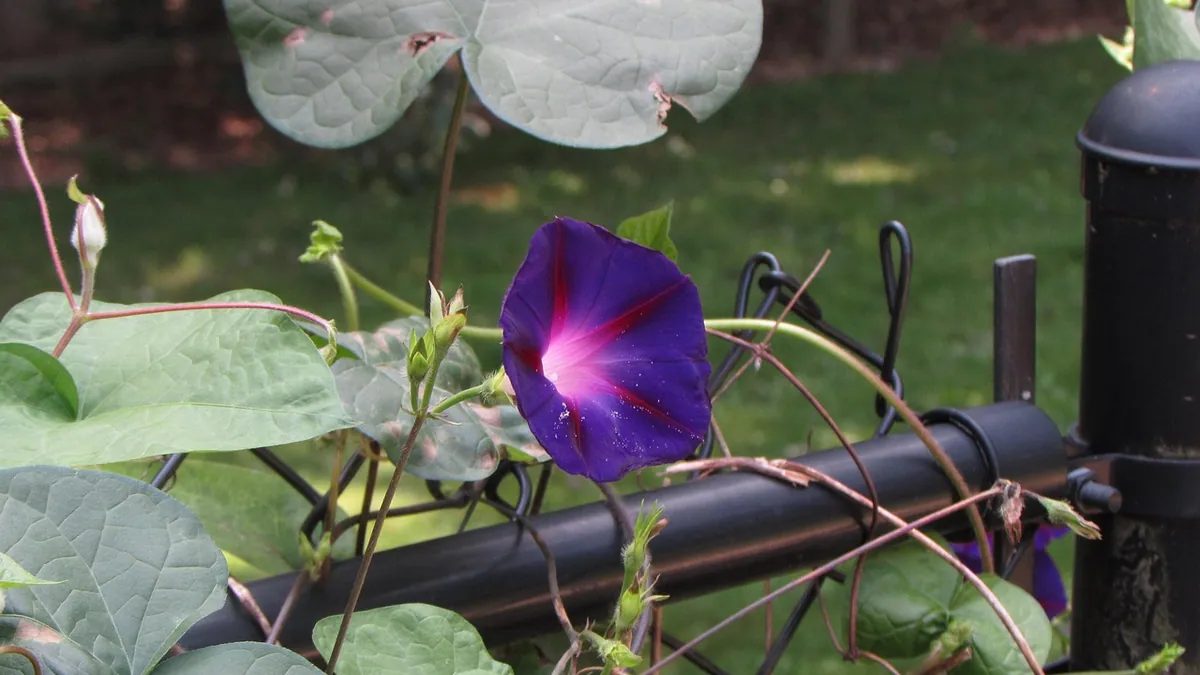
Are morning glories poisonous to animals? Yes. Morning glories (Ipomoea species) are toxic to dogs, cats, and horses, and the seeds are the most dangerous part of the plant [1]. Most pets that nibble a leaf or two have mild stomach upset, but a pet that eats a pile of seeds can become very sick.
This article is educational and is not a substitute for veterinary diagnosis or treatment.
Quick Answer
- Morning glories are listed as toxic to dogs and cats, with indole alkaloids (including lysergic acid and lysergamide) as the toxic principle [1].
- The seeds carry the highest concentration of these compounds, and large amounts of seeds may cause hallucinations in pets [1].
- The most common sign is vomiting, which often shows up within hours of eating the plant [1].
- Call your veterinarian, the ASPCA Animal Poison Control Center at (888) 426-4435, or Pet Poison Helpline at (855) 764-7661 right away if your pet ate seeds or a large amount of plant material.
- Do not make your pet vomit unless a veterinarian tells you to.
Are Morning Glories Poisonous to Animals?
Yes. The ASPCA Animal Poison Control Center lists morning glory (Ipomoea spp., family Convolvulaceae) as toxic to dogs, cats, and horses [1]. This applies to the common garden morning glories most people plant along fences and trellises.
The toxic principle is a group of indole alkaloids that includes lysergic acid, lysergamide, elymoclavine, and chanoclavine [1]. These compounds are chemically related to substances that affect the nervous system, which is why seed ingestion can lead to hallucinations in pets that eat enough of them [1].
Which Parts of the Plant Are Risky?
The seeds are the main concern. They contain the highest levels of the alkaloids, and the ASPCA specifically notes that large amounts of seeds may cause hallucinations [1]. Flowers, leaves, and stems contain these compounds too, but at lower levels. A dog that tears up a vine is likely to get a stomachache. A dog that raids a dropped seed packet or a dried seed head is at higher risk.
Are Morning Glory Products a Problem?
Yes, and this is where owners get surprised. Morning glory seeds are sold for planting, and some people use them for other purposes. Any product made from Ipomoea seeds carries the same toxic compounds [1]. Treat seed packets, dried seed heads, and any seed-based product the same way you would treat a medication bottle. Keep them out of reach.
Morning Glory Toxic Dogs and Cats: What the Poison Does
The indole alkaloids in morning glory act on the nervous system and the gut. The exact way they cause hallucinations in animals is not fully worked out in veterinary research, but the effect is recognized in the ASPCA listing [1]. What veterinarians see most often is gastrointestinal upset, especially vomiting [1].
The amount that causes serious signs varies with the pet's size, the part of the plant eaten, and how much was consumed. There is no published toxic dose for morning glory in dogs or cats that owners can use to judge risk at home. That is one reason a phone call to a poison control service or your veterinarian matters more than trying to calculate anything yourself.
Signs of Morning Glory Poisoning and Their Timeline
Vomiting is the classic sign, and it can start within a few hours of ingestion [1]. With large seed meals, you may also see behavior changes that owners describe as staring, agitation, or seeming to see things that are not there, which fits the hallucination effect noted by the ASPCA [1].
Signs to watch for include:
- Vomiting, sometimes repeated
- Drooling or lip smacking
- Stomach discomfort, pacing, or restlessness
- Unusual behavior, disorientation, or apparent hallucinations after seed ingestion [1]
- Lethargy or wobbliness in more severe cases
If your dog is vomiting in the early morning and you are trying to sort out whether it is related to a plant, our guide on Dog Vomiting Yellow Bile In The Morning walks through the common non-toxic causes. If the vomiting started after your pet was in the garden, treat it as a possible poisoning until a veterinarian says otherwise.
How Long Do Signs Last?
Mild vomiting from a small nibble often settles within a day with supportive care. Cases involving a large seed meal can take longer and may need hospitalized care. Your veterinarian will give you a timeline based on what your pet ate and how it is responding to treatment.
What To Do Right Now
- Move your pet away from the plant and any seeds.
- Collect the plant material or seed packet so you can tell the veterinarian what was eaten and how much.
- Call your veterinarian, the ASPCA Animal Poison Control Center at (888) 426-4435, or Pet Poison Helpline at (855) 764-7661.
- Do not induce vomiting unless a veterinarian tells you to.
- Do not give food, milk, oil, or home remedies unless instructed.
Do not wait for signs to appear if you know your pet ate seeds. Early advice is easier to act on than a pet that is already hallucinating or vomiting repeatedly.
Veterinary Treatment for Morning Glory Poisoning
There is no antidote for morning glory alkaloids. Treatment is supportive and depends on how much was eaten and how sick your pet is.
If you reach a veterinarian soon after ingestion, they may induce vomiting or give activated charcoal to reduce absorption. They calculate any medication dose from your pet's weight and health, so never use a home dose. Pets that are vomiting or showing neurologic signs often need intravenous fluids, anti-nausea medication, and monitoring in the hospital.
Your veterinarian may run blood work to check organ function and to rule out other causes. Other toxins can look similar at first. For example, grayanotoxin poisoning from Rhododendron and Pieris plants causes retching, regurgitation, and vomiting in animals, and it is a common plant-poisoning picture in companion pets [2]. Ethylene glycol (antifreeze) poisoning is another emergency that can present with vomiting and kidney injury, and it is confirmed with toxicology testing and kidney findings at necropsy [3]. Your veterinarian sorts through these possibilities with a history, an exam, and lab work.
If your pet is vomiting and you are not sure why, our overview of Plants Poisonous To Dogs can help you check what is growing in your yard.
Outlook After Morning Glory Ingestion
Most pets that eat a small amount of morning glory do well with supportive care. The outlook is worse when a pet eats a large amount of seeds, when signs are neurologic, or when treatment is delayed. Because the seeds carry the highest concentration of alkaloids and can cause hallucinations in large amounts [1], seed ingestion deserves a same-day call even if your pet looks fine at first.
Preventing Morning Glory Poisoning
The simplest fix is to keep morning glories out of areas your pets can reach. If you love the look of vines, plant them behind a fence or in a hanging basket well above jumping height. Rake up and discard fallen flowers and seed heads. Store seed packets in a closed cabinet, not on a garage shelf or potting bench.
If your pet tends to eat plants, choose nontoxic options for the yard and house. The ASPCA Pet Plant Guide lists toxic plants and safe substitutes for your home and garden [1]. That guide is a good starting point before you buy anything new at the nursery.
Supervise your pet in the garden during the season when morning glories set seed. That is the window when the risk is highest. If your dog grazes on plants regularly, talk with your veterinarian about it at your next routine visit. Some dogs eat plants because of stomach upset, and recurring morning vomiting can have its own causes worth checking, as covered in Dog Yellow Vomit Early Morning.
Limitations and When to Contact a Veterinarian
Call your veterinarian or a poison control hotline the same day if your pet ate morning glory seeds, ate a large amount of the plant, or is vomiting. Go to an emergency clinic now if your pet is disoriented, stumbling, having tremors, vomiting repeatedly, or seems to be hallucinating. A routine visit is fine for a pet that nibbled a leaf, has no signs, and is acting normally, but mention the exposure so it goes in the record.
Individual cases need a veterinarian. No article can tell you how much your specific pet ate or how it will respond.
Frequently Asked Questions
Are morning glories toxic to cats?
Yes. The ASPCA lists morning glory as toxic to cats as well as dogs [1]. Cats are usually pickier about eating plants, but a cat that chews a vine or plays with a dropped seed head can still get sick. Vomiting is the sign owners notice most.
What happens if a dog eats morning glory seeds?
Seeds are the most toxic part, and large amounts may cause hallucinations along with vomiting [1]. Signs often start within a few hours. Call your veterinarian or a poison control hotline right away, and do not wait for symptoms to decide whether to seek help.
Can morning glory poisoning kill a pet?
Serious outcomes are uncommon with small exposures, but large seed meals and delayed treatment raise the risk. There is no antidote, so care is supportive. A veterinarian can tell you how worried to be based on your pet's exam and history.
Should I make my pet throw up after eating morning glory?
No, not unless a veterinarian tells you to. Inducing vomiting at home can cause harm, especially if your pet is already showing neurologic signs. Let a veterinarian decide whether decontamination is safe and useful for your pet.
How do I keep my pet safe if I grow morning glories?
Grow them out of reach, clean up fallen seed heads, and lock up seed packets. If your pet keeps eating plants, ask your veterinarian about safer garden choices. The ASPCA Pet Plant Guide lists toxic plants and nontoxic substitutes you can use instead [1].
Related Articles
- Dog Vomiting Yellow Bile In The Morning
- Dog Yellow Vomit Early Morning
- Dog Vomiting Bile Early Morning
- Plants Poisonous To Dogs
- Dog Vomiting Yellow Morning
- Dog Vomiting Yellow Every Morning
- Is Morning Glory Toxic to Cats? Seeds, Vines, Leaves
- Are Lilies Toxic to Dogs? Day, Tiger, and Easter Lilies
- Are Daylilies Poisonous to Cats?
References
- Toxic and Non-toxic Plants: Morning Glory. ASPCA Animal Poison Control Center.
- Grayanotoxin poisoning in animals following the ingestion of Ericaceae plants. Veterinary journal (London, England : 1997), 2026.
- Ethylene glycol poisoning in a free-roaming cat associated with suspected animal cruelty: a forensic veterinary case report in South Korea. Frontiers in veterinary science, 2026.