Is Cactus Toxic to Pets? What Dog and Cat Owners Should Know
By Dr. Zubair Khalid, DVM, MS, PhD ·
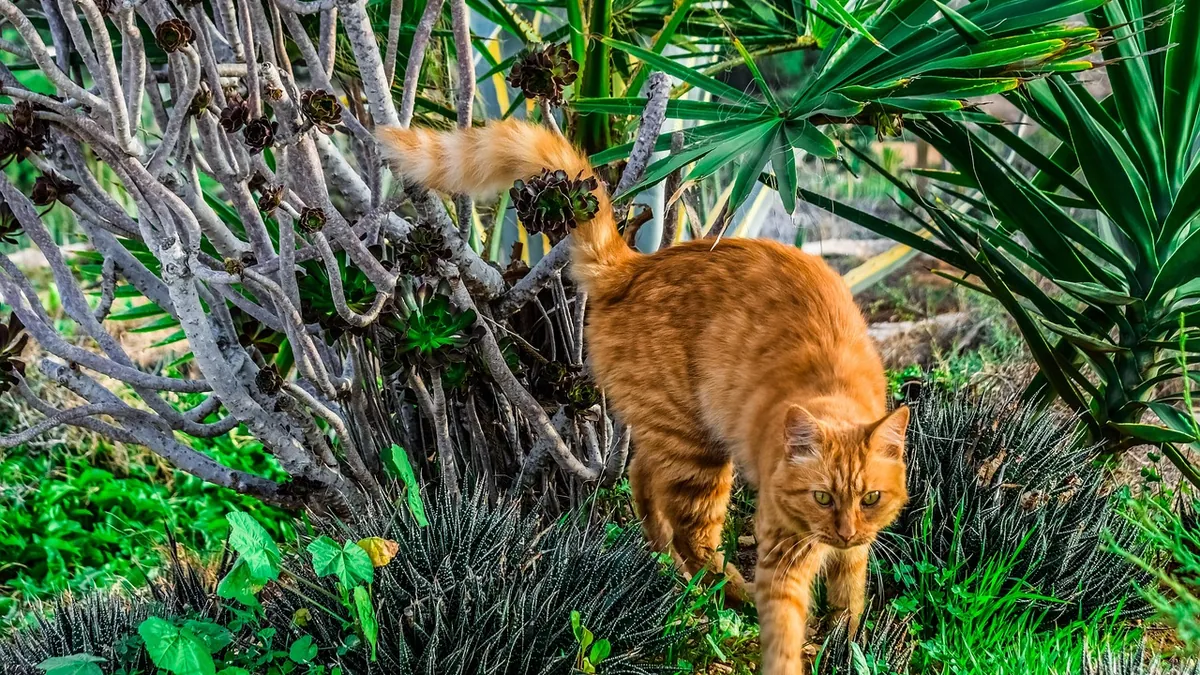
Most cacti are not toxic to dogs and cats. The real danger is physical: spines, glochids, and needles that can injure your pet's mouth, paws, eyes, and skin. So when owners ask "is cactus toxic to pets," the honest answer is that toxicity is rare but injury is common, and both deserve attention.
This article is educational and is not a substitute for veterinary diagnosis or treatment.
Quick Answer
- The ASPCA classifies many common cacti, including thimble cactus, tree cactus (Opuntia species), and old man cactus, as non-toxic to dogs and cats [1][2][3].
- The main risk from cactus is mechanical injury from spines, which can embed in the mouth, throat, paws, nose, and eyes.
- Glochids (tiny barbed hairs on some cacti) are especially irritating and hard to remove.
- If your pet bites or chews a cactus, check the mouth and paws right away and call your veterinarian or a poison control line.
- Do not induce vomiting unless a veterinarian specifically tells you to.
Is Cactus Toxic to Pets? What the Evidence Says
For most cactus species kept as houseplants, the answer is no. The ASPCA Animal Poison Control Center lists thimble cactus (Mammillaria fragilis) as non-toxic to dogs, cats, and horses [1]. It also lists tree cactus (Opuntia species) as non-toxic to dogs, cats, and horses [2]. Old man cactus (Cephalocereus senilis) is likewise listed as non-toxic, with "non-toxic" given as the toxic principle [3].
These records cover only the specific species named. Cactus is a large plant family (Cactaceae) with many genera and hundreds of species, and not every one has been formally evaluated. Some cactus-like plants sold in stores are not true cacti at all. Euphorbia species, for example, look succulent and cactus-like but contain a milky sap that can irritate the mouth and stomach. If you are unsure what plant you own, treat it with caution until you identify it.
Which Parts Matter
The fleshy stem, flowers, and fruit of non-toxic cacti are not expected to cause poisoning [1][2][3]. The problem is the spines. A pet who bites a cactus can get spines lodged in the lips, tongue, gums, roof of the mouth, or throat. A pet who brushes against one can get spines in the nose, paws, belly, or eyes.
Some cacti also have glochids. These are tiny barbed bristles, common on Opuntia species, that detach easily and work their way into skin. They are difficult to see and difficult to remove, and they cause lasting irritation.
Cactus Products and Pet Safety
Cactus-based foods and supplements are sold for people, and some contain cactus as an ingredient. These products are not formulated for pets, and the dose and purity are not controlled for animals. Keep them out of reach. If your pet eats a cactus food product, call your veterinarian or a poison control line with the label in hand.
The Toxic Principle and What It Does in the Body
For the cacti listed as non-toxic, there is no known toxic principle [1][2][3]. That means the plant does not contain a chemical that poisons the body in the way that, say, certain alkaloids or glycosides do in toxic plants [4]. Plant toxicity in general comes from a wide range of chemical compounds, and different species affect animals differently [4]. Cactus is simply not one of the plants that typically causes chemical poisoning in dogs and cats.
What cactus does instead is cause mechanical damage. Spines penetrate tissue. Glochids embed and stay embedded. The body responds with inflammation, swelling, and pain. If a spine reaches the eye, it can scratch the cornea. If spines lodge in the throat, they can make swallowing painful and, in rare cases, cause swelling that affects breathing.
There is a second, indirect risk. A pet with spines in the mouth may drool heavily, paw at the face, or stop eating. A pet with spines in the paws may limp or refuse to walk. These signs are not from poison. They are from pain and tissue injury.
Signs of Cactus Exposure in Dogs and Cats
Signs depend on where the spines landed and how many there are.
Mouth and Face
- Drooling more than usual
- Pawing at the mouth or face
- Swelling of the lips, muzzle, or tongue
- Whining or crying when eating or drinking
- Refusing food
- Visible spines or bristles on the lips, gums, or tongue
Paws and Skin
- Limping or holding up a paw
- Licking or chewing at one spot
- Redness, swelling, or small raised bumps on the skin
- Visible spines or glochids stuck in the coat or pads
Eyes
- Squinting or holding the eye closed
- Redness or cloudiness
- Pawing at the eye
- Tearing or discharge
Stomach and Gut
If your pet swallows spines or plant material, you may see vomiting, gagging, or reduced appetite. Vomiting after eating any plant can also be a sign of stomach upset unrelated to poison [4].
Timeline
Signs usually appear within minutes to a few hours of contact. Mouth and paw pain tends to show up fast because the spines are immediately irritating. Eye signs can appear within minutes. If a pet swallowed spines, vomiting or gagging may start within an hour or two. If your pet seems completely normal 12 to 24 hours after a known cactus contact and you found no spines, the risk of a serious problem is low, but keep watching for a day or two.
What to Do Right Now
Stay calm and act in this order.
- Move your pet away from the plant.
- Look in the mouth, on the paws, and around the face and eyes. Use a flashlight. Glochids are small and easy to miss.
- If you see spines in the mouth or throat, do not pull them out with your fingers. You can push them deeper or get stuck yourself. Let a veterinarian remove them.
- If you see spines in the skin or paw pads, you can try to remove large, visible ones with tweezers if your pet will hold still. Stop if your pet is struggling or if the spines are tiny or clustered.
- Do not induce vomiting unless a veterinarian tells you to.
- Call your veterinarian, the ASPCA Animal Poison Control Center at (888) 426-4435, or Pet Poison Helpline at (855) 764-7661. Have the plant name or a photo ready if you can.
If your pet has spines in the eye, keep them from pawing at the face and go to a veterinarian right away. Do not try to remove anything from the eye yourself.
Veterinary Treatment for Cactus Exposure
Treatment depends on what happened.
For spines in the mouth or throat, your veterinarian will examine your pet, often with sedation so they can look safely and remove the spines with instruments. They may flush the area and give pain medication.
For spines in the skin, your vet may remove them with forceps, apply a topical treatment, and prescribe antibiotics if the skin is broken and infected. Glochids may need repeated removal attempts because they are so small.
For eye injuries, your vet will check for corneal scratches using a stain and a light. Treatment often includes antibiotic eye drops or ointment and pain relief. Eye injuries need prompt care because a scratch can worsen quickly.
For swallowed plant material, your vet may recommend monitoring, X-rays, or other imaging if they suspect a blockage or internal injury. They may give medication for nausea and stomach protection.
Your veterinarian calculates any medication dose from your pet's weight and health. Never give human pain relievers to a pet, since some are toxic to dogs and cats.
Outlook
The outlook is good for most cactus exposures. A few spines in a paw or lip usually heal well once removed. Mouth and throat injuries can be painful for several days but typically recover with treatment. Eye injuries have a good outcome when treated early, and a poorer outcome if treatment is delayed.
The outlook is more guarded if a pet swallowed a large amount of cactus or a spine reached deep tissue, the airway, or the gut. These cases are uncommon, and your veterinarian will assess them case by case.
Prevention and Safer Alternatives
The simplest prevention is placement. Keep cacti on high shelves, in hanging planters, or in rooms your pet cannot enter. Do not rely on a coffee table or windowsill if your cat can jump.
If you have a cactus with glochids, treat it as a hazard even though it is non-toxic [2]. Glochids shed and can end up on the floor, in bedding, or on your hands.
If you want a pet-safe plant, choose from species with a documented non-toxic listing. Thimble cactus, tree cactus, and old man cactus are all listed as non-toxic to dogs and cats [1][2][3]. For a broader list of safe options, see Plants That Aren't Toxic To Cats And Dogs. If you are replacing a toxic plant, Common Houseplants Toxic to Cats and Dogs can help you spot the ones to avoid, and Plants Toxic To Cats covers cat-specific risks.
Even with safe plants, some pets chew on anything green. Offer safe chew toys and keep plants out of reach. If your pet has a habit of eating plants, talk with your veterinarian about it at your next visit.
Limitations and When to Contact a Veterinarian
Individual cases need a veterinarian. No article can tell you whether your pet has a spine in the throat or a scratch on the eye.
Contact a veterinarian the same day if:
- You see spines in the mouth, paws, or skin and cannot remove them easily
- Your pet is drooling, pawing at the face, or refusing food
- Your pet is limping or licking one paw repeatedly
- Your pet vomited after eating cactus material
Go to an emergency clinic now if:
- Your pet has a spine or bristle in the eye, or is squinting and holding the eye closed
- Your pet is having trouble breathing, gagging, or swallowing
- Your pet's mouth or throat is swelling
- Your pet is vomiting repeatedly or seems in severe pain
Schedule a routine visit if:
- Your pet had brief contact with a cactus, you removed the spines, and they seem comfortable
- You want help identifying a plant in your home
- Your pet keeps trying to eat plants and you want a prevention plan
Frequently Asked Questions
Are all cacti safe for dogs and cats?
No, not all cacti have been formally evaluated. The ASPCA lists several common species as non-toxic, including thimble cactus, tree cactus, and old man cactus [1][2][3]. Because the cactus family is large and some cactus-like plants are actually toxic succulents, identify your plant before assuming it is safe.
What happens if my dog eats a cactus?
Most dogs who bite a cactus get spines in the mouth, not poisoning. Watch for drooling, pawing at the face, swelling, and refusal to eat. Check the mouth with a flashlight and call your veterinarian if you see spines you cannot remove or if your dog seems painful.
Can cactus spines hurt my cat's eye?
Yes, and eye injuries need urgent care. A spine or glochid can scratch the cornea, and cats often paw at the eye, which makes it worse. If your cat is squinting, tearing, or holding an eye closed after plant contact, go to a veterinarian right away.
Should I make my pet vomit after eating a cactus?
No. Do not induce vomiting unless a veterinarian tells you to. Vomiting can push spines back up through the throat and cause more damage. Call your veterinarian or a poison control line first and follow their instructions.
How do I remove cactus spines from my pet?
Remove only large, visible spines with tweezers if your pet stays still. Do not dig for tiny spines or glochids, and never touch the eye. For spines in the mouth, throat, or eye, let a veterinarian remove them so your pet is safe and comfortable.
Related Articles
- Plants That Aren't Toxic To Cats And Dogs
- Plants Poisonous To Dogs
- Common Houseplants Toxic to Cats and Dogs
- Plants Toxic To Cats
- Antifreeze Poisoning in Dogs and Cats: What Owners Should Know
- What Plants Can Be Toxic To Cats
- Are Cactus Plants Toxic to Dogs? Holiday and Garden Types
- Are Cactus Plants Toxic to Cats? Orchid, Coral, and More
- Are Succulents Toxic to Dogs? Which Ones to Avoid
References
- Toxic and Non-toxic Plants: Thimble Cactus. ASPCA Animal Poison Control Center.
- Toxic and Non-toxic Plants: Tree Cactus. ASPCA Animal Poison Control Center.
- Toxic and Non-toxic Plants: Old Man Cactus. ASPCA Animal Poison Control Center.
- Poisonous plants. EXS, 2010.