Is Mistletoe Toxic to Cats? Real vs Cactus Varieties
By Dr. Zubair Khalid, DVM, MS, PhD ·
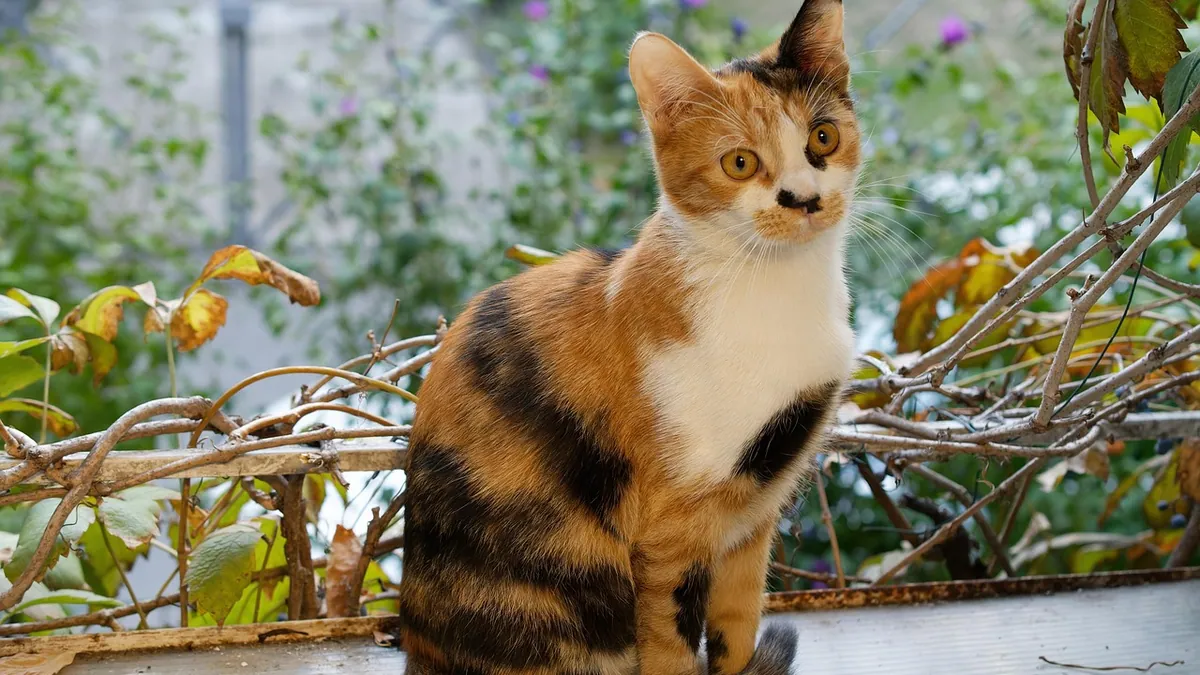
Is mistletoe poisonous to cats? It depends entirely on which plant you mean. Holiday mistletoe, the kind hung over doorways in December, is toxic to cats, while the mistletoe cactus sold as a houseplant is not. The two plants share a nickname and almost nothing else, so the first step is figuring out which one is actually in your home.
This article is educational and is not a substitute for veterinary diagnosis or treatment.
Quick Answer
- American mistletoe (Phoradendron flavescens) is toxic to cats and contains toxalbumin and pharatoxin viscumin [1].
- Mistletoe cactus (Rhipsalis cassutha) is listed as non-toxic to cats, dogs, and horses [2].
- Signs of holiday mistletoe poisoning in cats include vomiting, diarrhea, difficulty breathing, and a low heart rate [1].
- If you think your cat ate holiday mistletoe, call your veterinarian, the ASPCA Animal Poison Control Center at (888) 426-4435, or Pet Poison Helpline at (855) 764-7661 right away.
- Do not make your cat vomit unless a veterinarian tells you to.
Is Mistletoe Poisonous to Cats? Sorting Out the Two Plants
The word mistletoe covers a group of parasitic plants that grow on the branches of trees. The holiday version most Americans know is American mistletoe, and it is toxic to cats [1]. It is also toxic to dogs and horses [1].
The mistletoe cactus is a completely different plant. Its scientific name is Rhipsalis cassutha, and it belongs to the cactus family [2]. It is a tropical cactus with trailing green stems, often grown in hanging baskets. The ASPCA lists it as non-toxic to dogs, cats, and horses [2].
So when someone asks whether mistletoe is dangerous to cats, the honest answer is that it depends on the species. A cat who chews a stem of mistletoe cactus should be fine. A cat who chews a sprig of holiday mistletoe needs veterinary attention.
How to Tell Which Plant You Have
Holiday mistletoe has woody stems, small leathery green leaves, and clusters of white berries. It usually arrives as a cut sprig tied with ribbon, not as a potted plant. You may also see it in floral arrangements or as a dried decoration.
Mistletoe cactus has soft, pencil-thin green stems that cascade out of a pot. It has no true leaves and no white berries. It looks more like a string of green beads than like a holiday decoration.
If you are still unsure, take a photo of the plant and show it to your veterinarian. A clear photo of the stems, leaves, and any berries settles the question faster than a description.
Is Mistletoe Cactus Toxic to Cats?
No. Mistletoe cactus is not toxic to cats [2]. The ASPCA plant record lists Rhipsalis cassutha as non-toxic to cats, dogs, and horses, with no toxic principles identified [2].
That does not mean a cat should eat it. Any plant material can cause mild stomach upset in a sensitive cat, and a long trailing stem can be a tempting toy. Chewing on the plant is not a poisoning emergency, but swallowing a large amount could still lead to a bout of vomiting or loose stool from the fiber alone.
If your cat nibbles a mistletoe cactus and seems completely normal, you can monitor at home. If your cat vomits repeatedly, acts painful, or stops eating, call your veterinarian. The plant is not the likely cause of serious signs, but something else may be going on.
What Makes Holiday Mistletoe Toxic?
American mistletoe contains toxic principles called toxalbumin and pharatoxin viscumin, which fall into the lectin and phoratoxin families [1]. These compounds are the reason the plant is listed as toxic to cats [1].
Lectins are proteins that bind to cells and can disrupt normal cell function. Phoratoxins are similar in action to the toxins found in some other poisonous plants. Together they can irritate the digestive tract and, in larger exposures, affect the heart and blood pressure.
The white berries get most of the attention because they are easy to eat and easy to drop on the floor. The leaves and stems carry the same toxic principles, so a cat chewing on any part of a holiday mistletoe sprig is a concern [1].
What About Mistletoe Extracts?
You may have read about mistletoe extract used in cancer treatment. That is a different situation entirely. Viscum album extracts have been studied as injectable treatments in cats, and one retrospective study of 22 cats found that subcutaneous injections were tolerated, with 7 cats showing slight short-term reactions that resolved on their own and no long-term reactions directly tied to the treatment [3].
That research involves carefully prepared extracts given by injection under veterinary supervision. It does not mean a cat can safely chew on a mistletoe plant at home. The dose, the route, and the preparation all matter, and a veterinarian calculates any treatment dose from the pet's weight and health.
Signs of Mistletoe Poisoning in Cats
The ASPCA lists these clinical signs for American mistletoe exposure in cats: vomiting, diarrhea, low blood pressure (rare), difficulty breathing, and low heart rate [1].
In practice, most cats who chew a small amount of holiday mistletoe develop stomach upset first. Vomiting and diarrhea are the signs owners notice most often [1]. These can start within a few hours of eating the plant.
More serious signs are less common but more urgent. Difficulty breathing and a slow heart rate suggest the toxin is affecting more than the gut [1]. Low blood pressure is listed as rare, but it is a sign that needs immediate care [1].
Watch for these signs after any suspected exposure:
- Vomiting, with or without visible plant material
- Diarrhea or soft stool
- Drooling, lip smacking, or pawing at the mouth
- Weakness, wobbliness, or collapse
- Fast, slow, or labored breathing
- A heart rate that feels unusually slow
How Soon Do Signs Appear?
Digestive signs usually show up within a few hours of ingestion. If your cat ate holiday mistletoe and is still completely normal 12 hours later, the risk of serious poisoning is lower, but you should still check in with a veterinarian for advice.
Signs that involve breathing or heart rate can develop later and can worsen quickly. Do not wait to see how things go if your cat is having trouble breathing. That is an emergency.
What to Do Right Now If Your Cat Ate Mistletoe
Call for help first. Your options are your own veterinarian, the ASPCA Animal Poison Control Center at (888) 426-4435, or Pet Poison Helpline at (855) 764-7661. Have the plant or a photo of it ready, along with your cat's weight and the time of exposure.
Do not induce vomiting unless a veterinarian tells you to. Making a cat vomit at home can cause choking, aspiration, or other harm, and it is not the right move for every toxin.
Move the plant out of reach and put it in a sealed bag or the trash. If other pets or children can reach it, remove it from the area too.
Save any chewed pieces, berries, or vomit so your veterinarian can see what was eaten. Take a photo of the plant before you throw it away.
If your cat is struggling to breathe, collapsing, or unresponsive, go to the nearest emergency veterinary hospital now. Call ahead so the team can prepare.
For a broader look at household plant risks, see Plants Toxic To Cats and What Plants Can Be Toxic To Cats.
How Veterinarians Treat Mistletoe Poisoning in Cats
Treatment depends on what your cat ate, how much, and how sick they are. There is no single antidote for mistletoe, so care is supportive and focused on the signs.
If your cat just ate the plant and is stable, your veterinarian may induce vomiting in the clinic and give activated charcoal to limit absorption. This is done under supervision, with the right drugs and the right dose for your cat.
If your cat is already vomiting or having diarrhea, treatment often includes intravenous fluids to replace losses and protect kidney function. Anti-nausea medication and stomach protectants help settle the gut.
Cats with breathing difficulty or a slow heart rate need closer monitoring. Your veterinarian may check an electrocardiogram, blood pressure, and blood work, and provide oxygen or other support as needed [1].
Your veterinarian calculates every medication dose from your cat's weight and current health. Never give a human medication or a leftover pet medication at home without specific instructions.
Outlook After Mistletoe Exposure
Most cats who eat a small amount of holiday mistletoe and receive prompt care do well. The common signs, vomiting and diarrhea, usually improve with supportive treatment [1].
The cats at higher risk are those who eat a large amount, eat the berries, or develop heart or breathing signs. Low blood pressure is rare but serious when it happens [1].
Long-term problems are uncommon after a single exposure that is treated early. If your cat needed fluids or heart monitoring, your veterinarian will want a recheck to confirm everything has returned to normal.
Prevention and Safer Alternatives
The simplest prevention is to keep holiday mistletoe out of your home, or to hang it where your cat cannot reach it. A sprig over a doorway is fine if it is high enough and secure. A bowl of berries on a coffee table is not.
Sweep or vacuum dropped berries and leaves right away. Berries roll, and a cat will find them.
If you want a trailing green plant that is safe around cats, mistletoe cactus is a reasonable choice [2]. Other cat-safe options include most true ferns, spider plants, and calatheas. Avoid holiday standbys that are known to be dangerous, including lilies, which can cause kidney failure in cats, and many common cut flowers. For more on that, see Are Lilies Toxic to Cats? and Flowers That Are Toxic To Cats.
If your cat likes to chew plants, offer cat grass or a safe potted plant instead. Boredom and curiosity drive a lot of plant chewing, so a little enrichment goes a long way.
Limitations and When to Contact a Veterinarian
This article covers general information, not your cat's specific case. Individual cases need a veterinarian who can examine your cat, ask about the exposure, and decide on treatment.
Contact a veterinarian the same day if your cat ate any part of a holiday mistletoe plant, even if they seem fine right now. Same-day advice also applies if you are not sure which plant your cat chewed.
Go to an emergency hospital now if your cat is having trouble breathing, has a very slow or very fast heart rate, is weak or collapsing, or cannot be woken up. These are the signs that suggest a serious exposure [1].
Schedule a routine visit if your cat nibbled a mistletoe cactus and had mild stomach upset that has now resolved. Your veterinarian can confirm the plant was not the problem and check for other causes.
Frequently Asked Questions
Is mistletoe cactus toxic to cats?
No, mistletoe cactus is listed as non-toxic to cats [2]. It is a tropical cactus in the Rhipsalis genus, not the holiday plant. A cat who chews it is not at risk of poisoning, though eating a lot of any plant can cause mild stomach upset.
Is holiday mistletoe dangerous to cats?
Yes, American mistletoe is toxic to cats [1]. It contains toxalbumin and pharatoxin viscumin, and it can cause vomiting, diarrhea, breathing difficulty, and a low heart rate [1]. Any suspected exposure deserves a call to your veterinarian or a poison control hotline.
What parts of mistletoe are poisonous to cats?
The leaves, stems, and berries all contain the toxic principles [1]. The berries are the most common concern because they are easy to knock loose and easy for a cat to bat around and eat. Treat every part of a holiday mistletoe sprig as a hazard.
Can mistletoe kill a cat?
Serious outcomes are possible with large exposures, especially when breathing or heart signs develop [1]. Most cats who eat a small amount and get prompt care recover well. The risk goes up with the amount eaten and with any delay in treatment.
Should I make my cat vomit after eating mistletoe?
No, do not induce vomiting unless a veterinarian tells you to. Home vomiting attempts can cause choking and other complications. Call your veterinarian, the ASPCA Animal Poison Control Center at (888) 426-4435, or Pet Poison Helpline at (855) 764-7661 and follow their instructions.
Related Articles
- Flowers That Are Toxic To Cats
- Are Snake Plants Toxic To Cats
- Plants Toxic To Cats
- Are Lilies Toxic to Cats?
- What Plants Can Be Toxic To Cats
- Are Tulips Toxic To Cats
- Is Mistletoe Cactus Toxic to Dogs? Safety Facts
- Is Christmas Cactus Toxic to Cats? Holiday Safety
- Is Mistletoe Poisonous to Dogs? Signs and Risks
References
- Toxic and Non-toxic Plants: Mistletoe "American". ASPCA Animal Poison Control Center.
- Toxic and Non-toxic Plants: Mistletoe Cactus. ASPCA Animal Poison Control Center.
- Viscum album L. (Iscador) in the cat: tolerance, adverse reactions and indications. Schweizer Archiv fur Tierheilkunde, 2014.